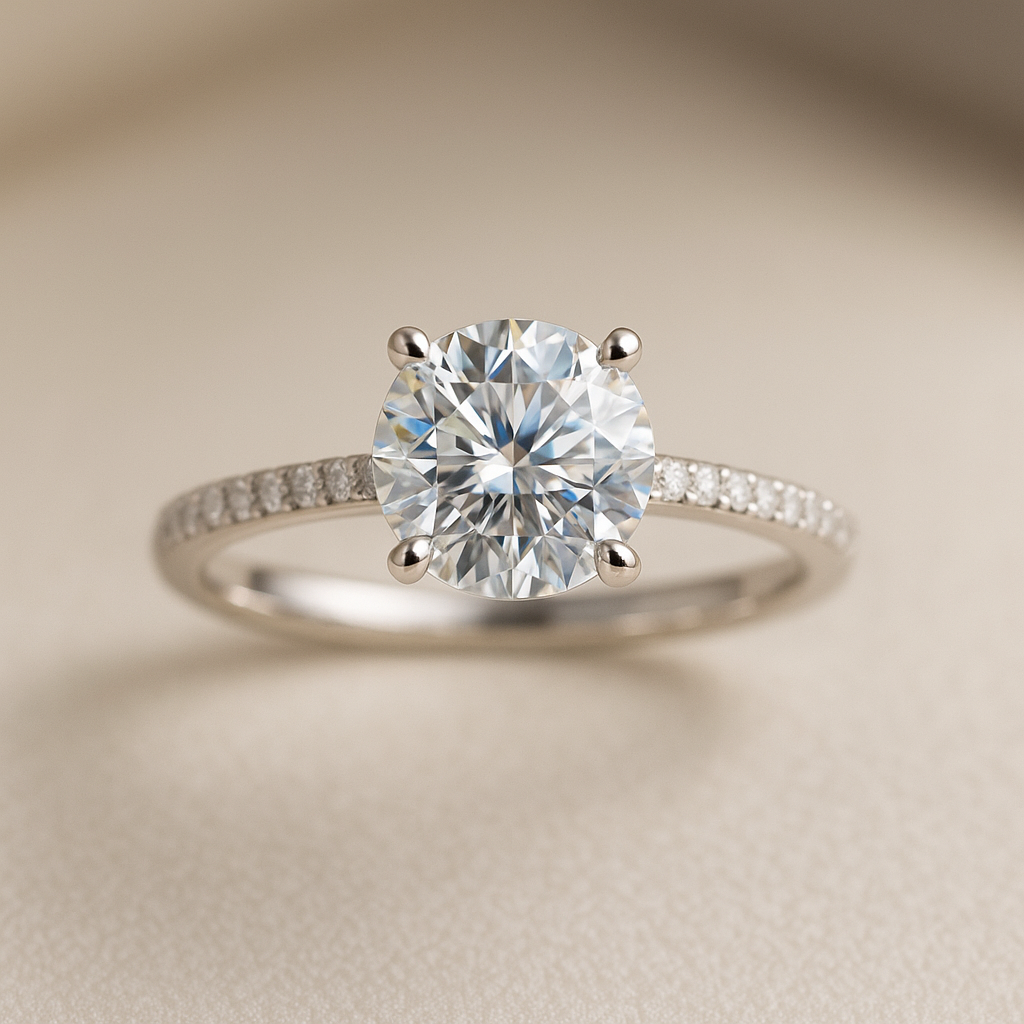

Understanding Lab-Grown Diamonds: The Future of Fine Jewelry
In recent years, the diamond industry has undergone a major transformation with the emergence of lab-grown diamonds. These diamonds, created in controlled environments, offer a sustainable and ethical alternative to their mined counterparts. In this article, we will explore the key features, benefits, and differences between lab-grown and natural diamonds, helping you make informed decisions when selecting your engagement ring or fine jewelry piece.
What Are Lab-Grown Diamonds?
Lab-grown diamonds, also known as synthetic or cultured diamonds, are real diamonds that are created using advanced technological processes that replicate the natural conditions under which diamonds form in the Earth. The two primary methods for producing lab-grown diamonds are High Pressure High Temperature (HPHT) and Chemical Vapor Deposition (CVD).
Both methods produce diamonds that are chemically, physically, and optically identical to natural diamonds. They share the same hardness (10 on the Mohs scale), brilliance, and sparkle, making them an attractive option for consumers who desire the beauty of diamonds without the ethical and environmental concerns associated with traditional mining.
The Benefits of Choosing Lab-Grown Diamonds
- Ethical Sourcing: Lab-grown diamonds are created without the ethical dilemmas associated with mined diamonds. They are free from conflict and support responsible practices.
- Environmental Impact: The creation of lab-grown diamonds has a significantly lower environmental footprint than traditional diamond mining, which often leads to habitat destruction and ecological disruption.
- Affordability: Lab-grown diamonds typically cost 20-40% less than their natural counterparts, allowing you to maximize your budget while still purchasing a stunning piece of jewelry.
- Wide Variety: With lab-grown diamonds, consumers have access to a broader range of options, including larger carat sizes and unique cuts that may be more affordable than natural diamonds.
Lab-Grown Diamonds vs. Natural Diamonds: Key Differences
When comparing lab-grown diamonds to natural diamonds, it is crucial to consider several factors:
1. Origin
Lab-grown diamonds are cultivated in labs, while natural diamonds are mined from the Earth. This difference in origin is the primary factor that distinguishes the two.
2. Value Retention
Natural diamonds have historically held their value better than lab-grown diamonds. However, lab-grown diamonds are gaining acceptance and could potentially appreciate in value over time as their popularity increases.
3. Certification
Both lab-grown and natural diamonds can be certified by reputable gemological institutes. It is essential to check for grading reports from organizations like the Gemological Institute of America (GIA) or the International Gemological Institute (IGI) when purchasing a diamond.
4. Appearance
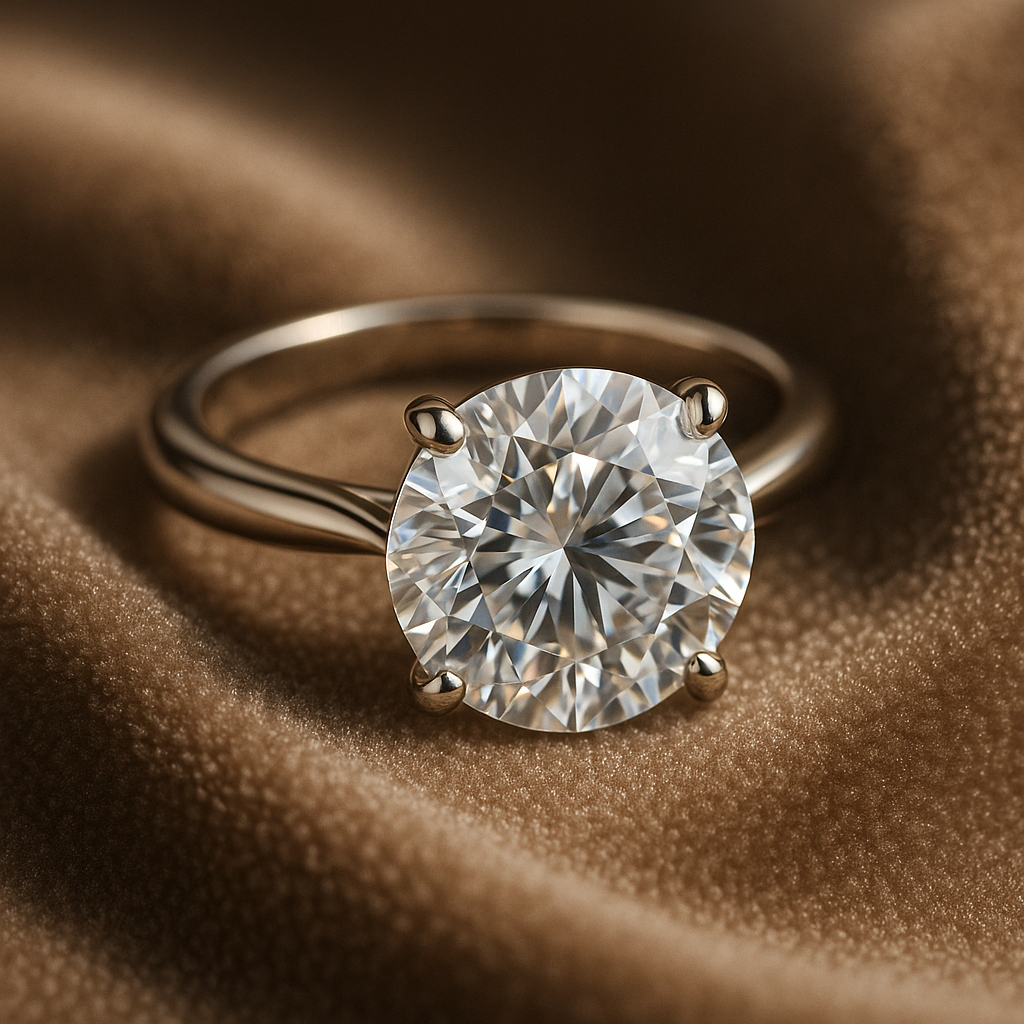
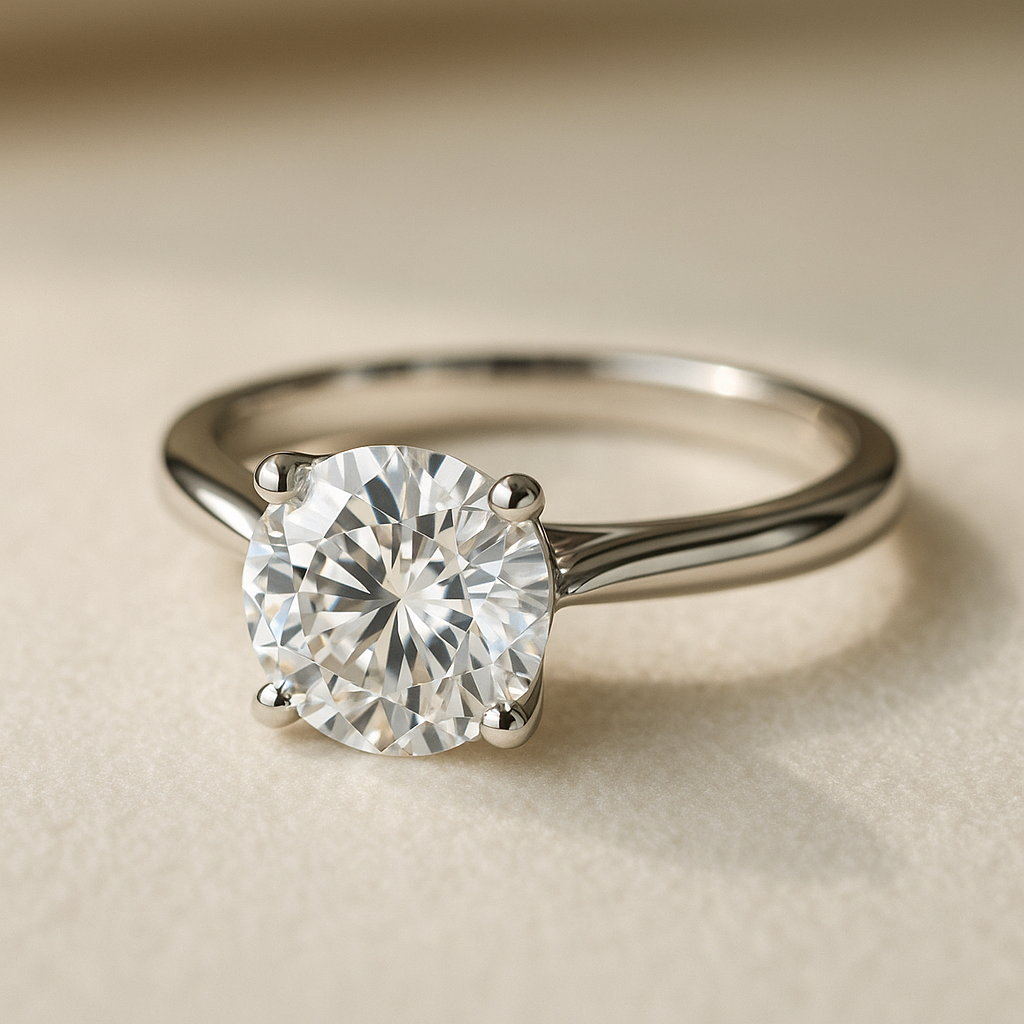
Visually, lab-grown diamonds are indistinguishable from natural diamonds to the untrained eye. They exhibit the same fire, brilliance, and scintillation as natural diamonds.
Choosing the Right Lab-Grown Diamond
When selecting a lab-grown diamond, consider the following factors to ensure you find the perfect piece:
Color
Lab-grown diamonds come in a variety of colors, from colorless to fancy hues. The GIA color grading scale ranges from D (colorless) to Z (light yellow). Choose a color that complements your personal style and preferences.
Clarity
Clarity refers to the presence of inclusions or blemishes within a diamond. Lab-grown diamonds are often available with higher clarity grades compared to natural diamonds, making them an excellent option for those seeking a visually flawless stone.
Cut
The cut of a diamond significantly affects its overall appearance and brilliance. Look for a well-cut diamond, as this will enhance its sparkle and impact.
Carat Weight
Carat weight measures the size of the diamond. While lab-grown diamonds generally provide larger options for the same budget, consider the size that best suits your taste and lifestyle.
Frequently Asked Questions (FAQs)
Are lab-grown diamonds real?
Yes, lab-grown diamonds are real diamonds. They possess the same physical, chemical, and optical properties as natural diamonds.
How long do lab-grown diamonds last?
Lab-grown diamonds are just as durable as natural diamonds and can last a lifetime with proper care.
Can lab-grown diamonds be resold?
While lab-grown diamonds may not retain their value as well as natural diamonds, they can still be resold. The market for lab-grown diamonds is growing, and their resale value may improve over time.
Are lab-grown diamonds better for the environment?
Yes, lab-grown diamonds have a significantly lower environmental impact compared to mined diamonds, which can lead to habitat destruction and other ecological issues.
Conclusion: Embracing the Future of Fine Jewelry
Lab-grown diamonds present an innovative and ethical alternative to natural diamonds, offering consumers a beautiful and responsible choice for engagement rings and fine jewelry. By understanding the differences and benefits of lab-grown diamonds, you can make a well-informed decision that aligns with your values and preferences. At Celebrity Diamonds, we believe in providing quality and transparency in every piece we offer, ensuring that you find the perfect diamond for your special occasion.