
The Truth Behind Lab-Grown Diamonds: A Consumer Guide
As more consumers seek ethical and sustainable options in fine jewelry, lab-grown diamonds have surged in popularity. You might be wondering what these stones are, how they differ from natural diamonds, and whether they are right for you. In this guide, we will explore the truth behind lab-grown diamonds, offering insights into their creation, benefits, and considerations when choosing one for your engagement ring or fine jewelry.
What Are Lab-Grown Diamonds?
Lab-grown diamonds, also known as synthetic diamonds or cultivated diamonds, are real diamonds that are created in controlled environments using advanced technology. They possess the same physical, chemical, and optical properties as natural diamonds, which are formed over millions of years deep within the Earth’s mantle.
How Are Lab-Grown Diamonds Made?
Lab-grown diamonds are created through two primary methods: High Pressure High Temperature (HPHT) and Chemical Vapor Deposition (CVD).
- HPHT: This process mimics the natural conditions under which diamonds are formed. Carbon is subjected to extreme heat and pressure, resulting in a diamond that is chemically identical to its natural counterpart.
- CVD: CVD involves placing carbon gas in a chamber, where it is energized to form a plasma. This process allows carbon atoms to deposit on a substrate, gradually forming a diamond layer.
Benefits of Choosing Lab-Grown Diamonds
Lab-grown diamonds come with several advantages, making them an appealing choice for many consumers.
1. Ethical Considerations
Lab-grown diamonds are free from the ethical concerns associated with mining, such as environmental degradation and conflict diamonds. Choosing a lab-grown diamond supports a more sustainable industry.
2. Cost-Effectiveness
Lab-grown diamonds are typically 20-40% less expensive than natural diamonds, allowing consumers to get a larger or higher-quality stone within their budget.
3. Quality and Variety
These diamonds can be produced with fewer impurities and inclusions, offering exceptional clarity and brilliance. Consumers also have the choice of various sizes, shapes, and colors.
Lab-Grown vs. Natural Diamonds: Key Differences
While both types of diamonds share many similarities, there are crucial differences worth noting.
1. Origin
The most obvious difference lies in their origin. Natural diamonds are formed through geological processes over millions of years, while lab-grown diamonds are created in a matter of weeks or months.
2. Value Retention
Natural diamonds tend to retain their value better than lab-grown diamonds. This is primarily due to their rarity and the established market for natural stones. Lab-grown diamonds may depreciate in value over time.
3. Certification
Both natural and lab-grown diamonds can be certified by gemological laboratories, but it is essential to ensure that the certification is from a reputable source. Look for certifications from organizations like the Gemological Institute of America (GIA) or the International Gemological Institute (IGI).
Choosing the Right Lab-Grown Diamond
When shopping for a lab-grown diamond, consider the following factors to ensure you make the best choice:
1. The 4 Cs: Cut, Color, Clarity, and Carat Weight
Just like natural diamonds, lab-grown diamonds are evaluated based on the 4 Cs:
- Cut: Refers to how well a diamond has been shaped and faceted. A well-cut diamond will reflect light beautifully.
- Color: Ranges from colorless to light yellow or brown. Colorless diamonds are typically more valuable.
- Clarity: Refers to the presence of inclusions or blemishes in the diamond. Higher clarity means a more valuable stone.
- Carat Weight: Indicates the size of the diamond. Larger diamonds are generally more expensive.
2. Setting and Style
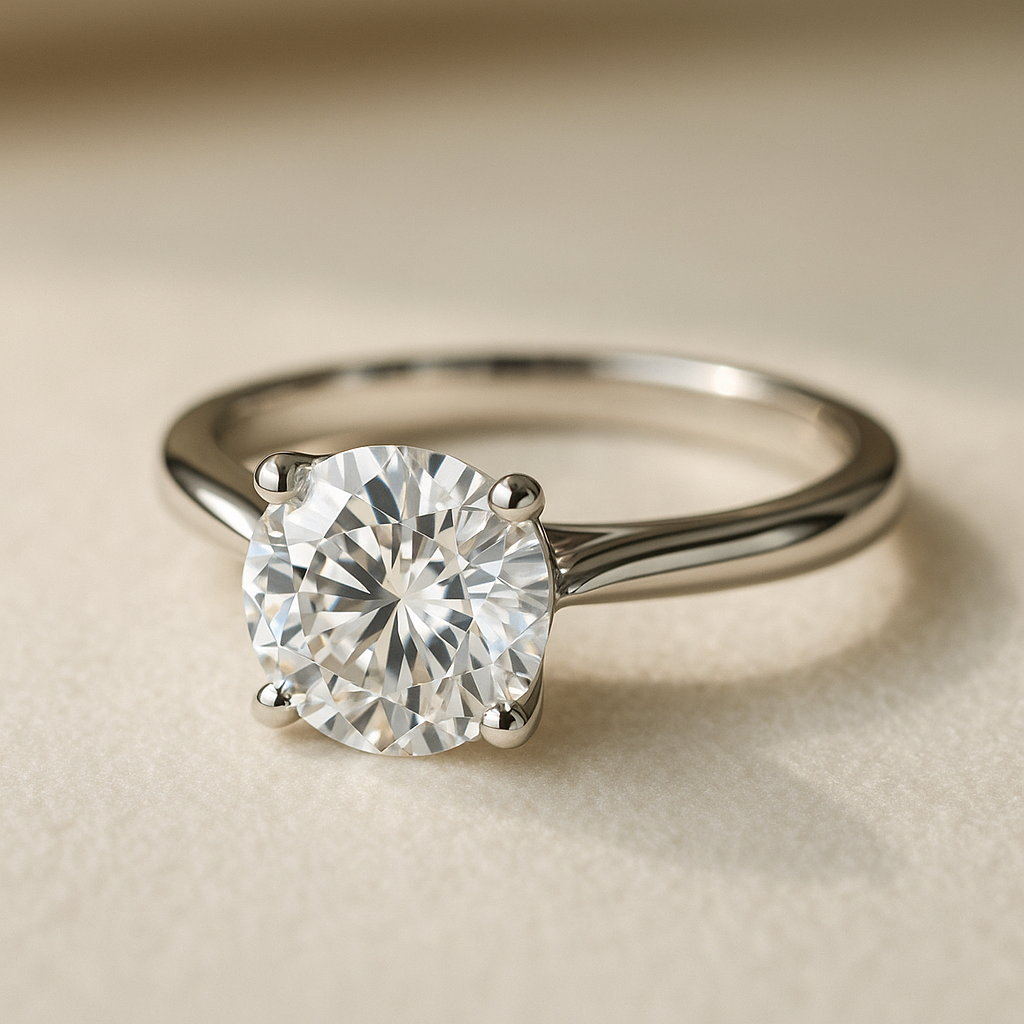
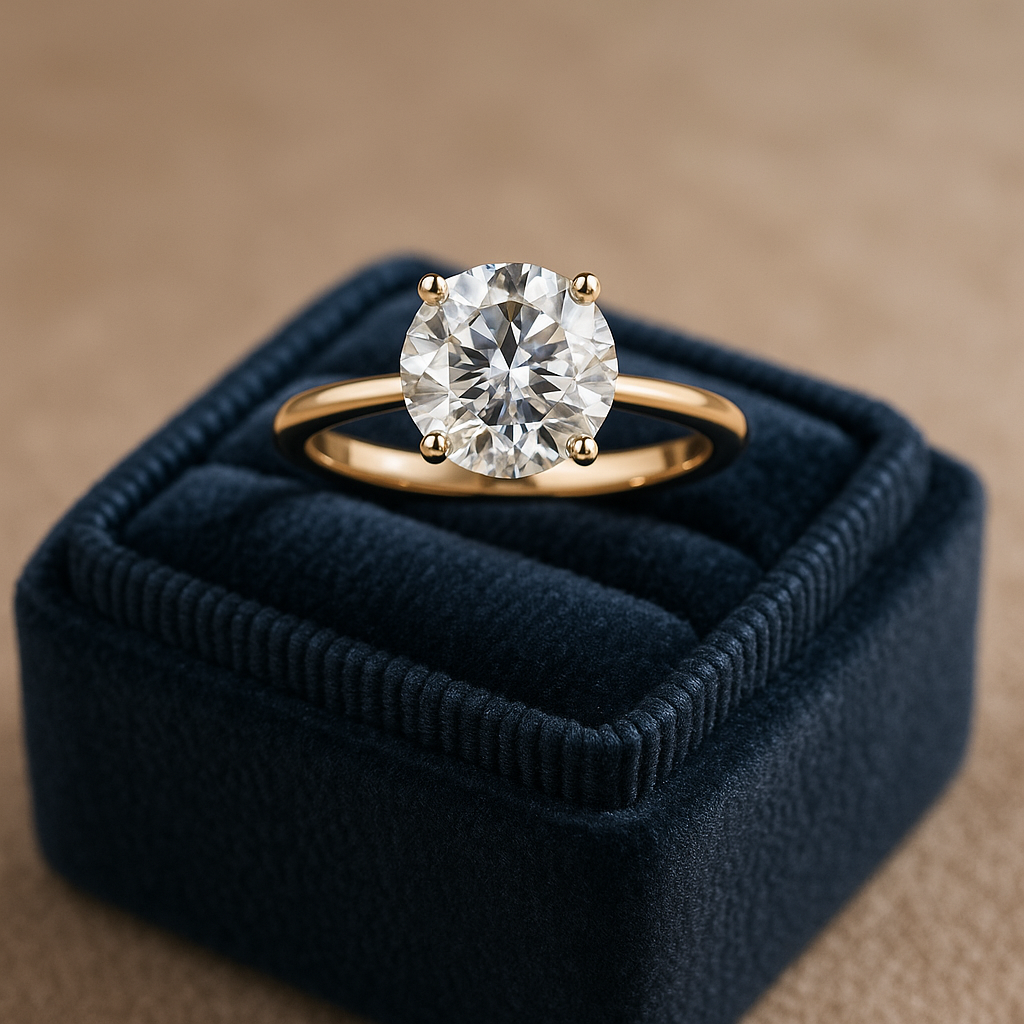
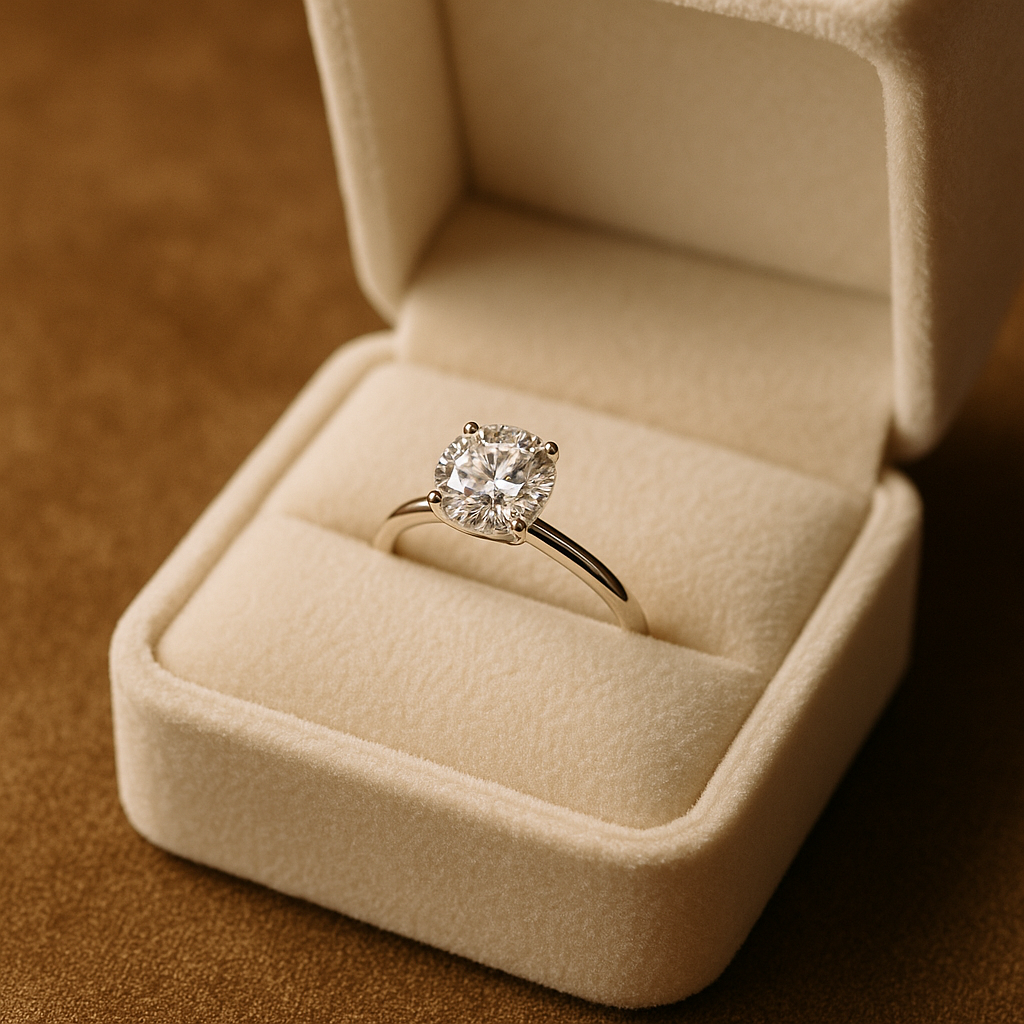
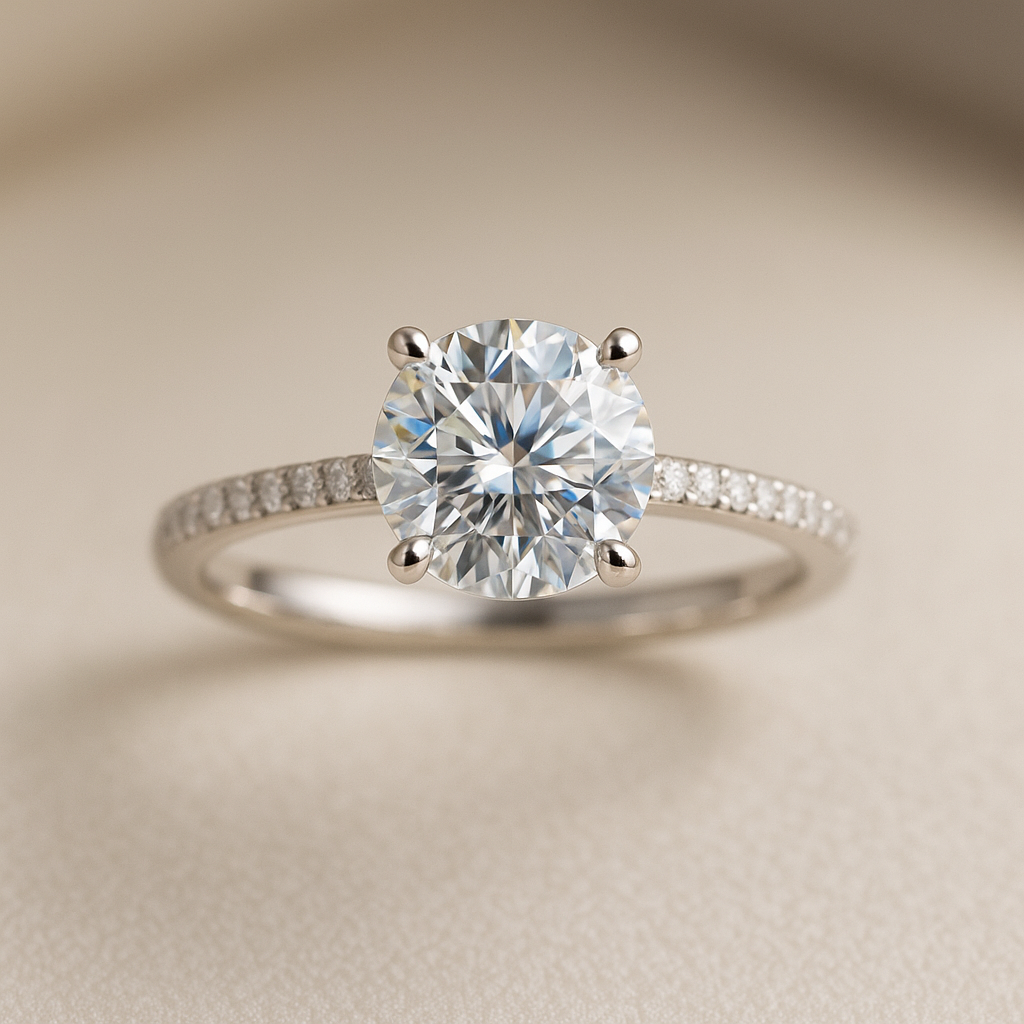
Consider the type of ring or jewelry setting that best suits your style. Lab-grown diamonds can be set in various precious metals and designs, allowing for personalized choices.
3. Reputable Retailers
Purchase your lab-grown diamond from a trustworthy retailer. Look for brands that provide detailed information about their diamonds, including certificates and ethical sourcing practices.
Frequently Asked Questions
Are lab-grown diamonds real diamonds?
Yes, lab-grown diamonds are real diamonds. They have the same physical and chemical properties as natural diamonds and are graded using the same criteria.
Do lab-grown diamonds look different from natural diamonds?
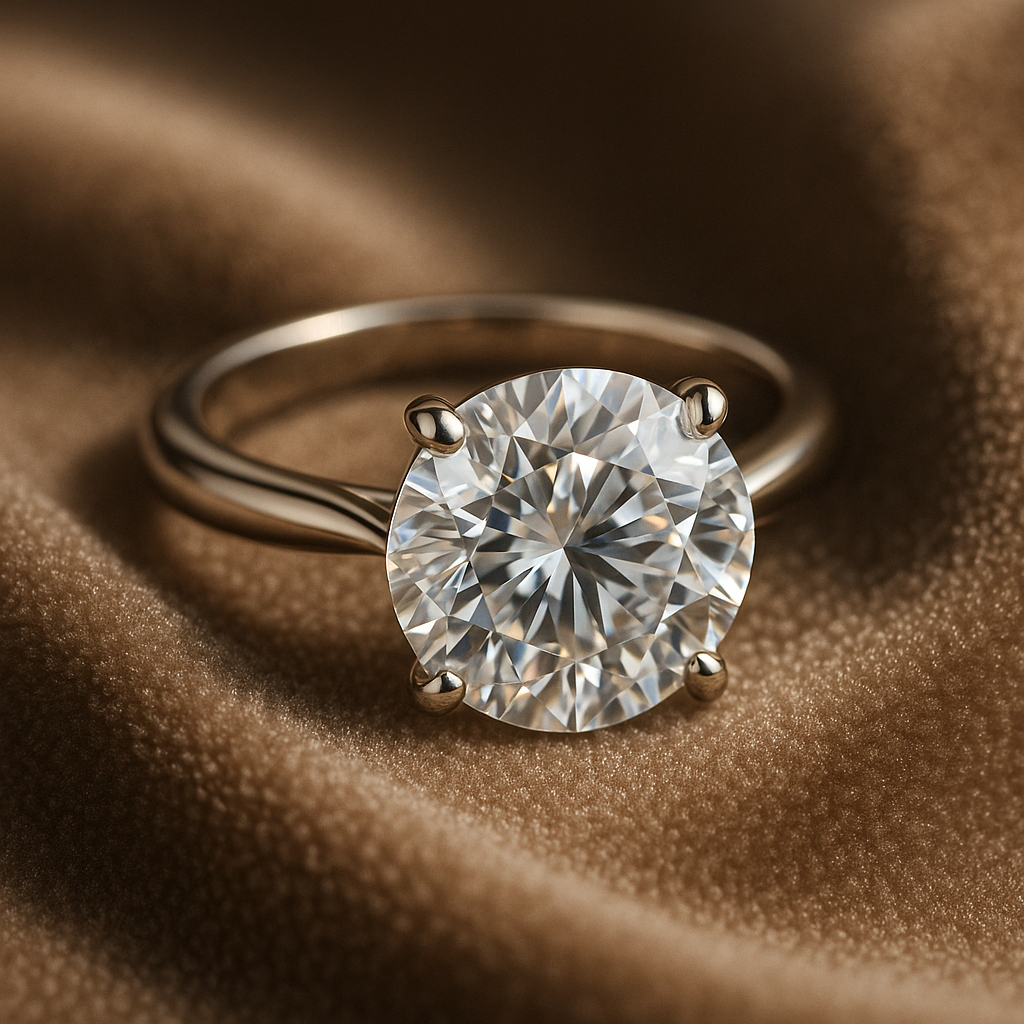
No, lab-grown diamonds look identical to natural diamonds. They can only be distinguished by gemologists with specialized equipment.
Can lab-grown diamonds increase in value?
While lab-grown diamonds are less expensive initially, they may not appreciate in value as natural diamonds do. It’s essential to consider how you view value in your purchase.
What should I know before buying a lab-grown diamond?
Educate yourself on the 4 Cs, understand the differences between lab-grown and natural diamonds, and ensure you purchase from a reputable source.
Conclusion
The choice between a lab-grown diamond and a natural diamond ultimately depends on your values, budget, and personal preferences. Lab-grown diamonds offer an ethical and cost-effective option without compromising on quality or beauty. As you embark on your jewelry journey, take the time to understand each option and choose the one that resonates with you.