The Truth Behind Lab-Grown Diamonds: A Comprehensive Guide
In recent years, lab-grown diamonds have emerged as a popular alternative to natural diamonds, especially among consumers seeking ethical and eco-conscious choices for their engagement rings and fine jewelry. This article aims to provide an in-depth look at lab-grown diamonds, their benefits, how they compare to natural diamonds, and what to consider when purchasing them.
What Are Lab-Grown Diamonds?
Lab-grown diamonds, also known as synthetic or cultured diamonds, are created in a controlled environment using advanced technological processes that mimic the natural conditions under which diamonds form deep within the Earth. The two primary methods of creating lab-grown diamonds are High Pressure High Temperature (HPHT) and Chemical Vapor Deposition (CVD).
High Pressure High Temperature (HPHT)
This method simulates the high-pressure and high-temperature conditions found in the Earth’s mantle. A small diamond seed is placed in carbon and subjected to extreme heat and pressure, resulting in the growth of a diamond.
Chemical Vapor Deposition (CVD)
The CVD process involves placing a diamond seed in a chamber filled with carbon-rich gases. These gases are heated, causing carbon atoms to deposit onto the seed, gradually forming a diamond layer by layer.
The Benefits of Lab-Grown Diamonds
Lab-grown diamonds offer several advantages over their natural counterparts:
1. Ethical Considerations
Lab-grown diamonds are conflict-free, meaning they are produced without the ethical concerns associated with diamond mining, such as human rights abuses and environmental degradation.
2. Affordability
On average, lab-grown diamonds can be 20-40% less expensive than natural diamonds of similar size and quality. This allows consumers to invest in a larger or higher-quality stone without breaking the bank.
3. Quality and Purity
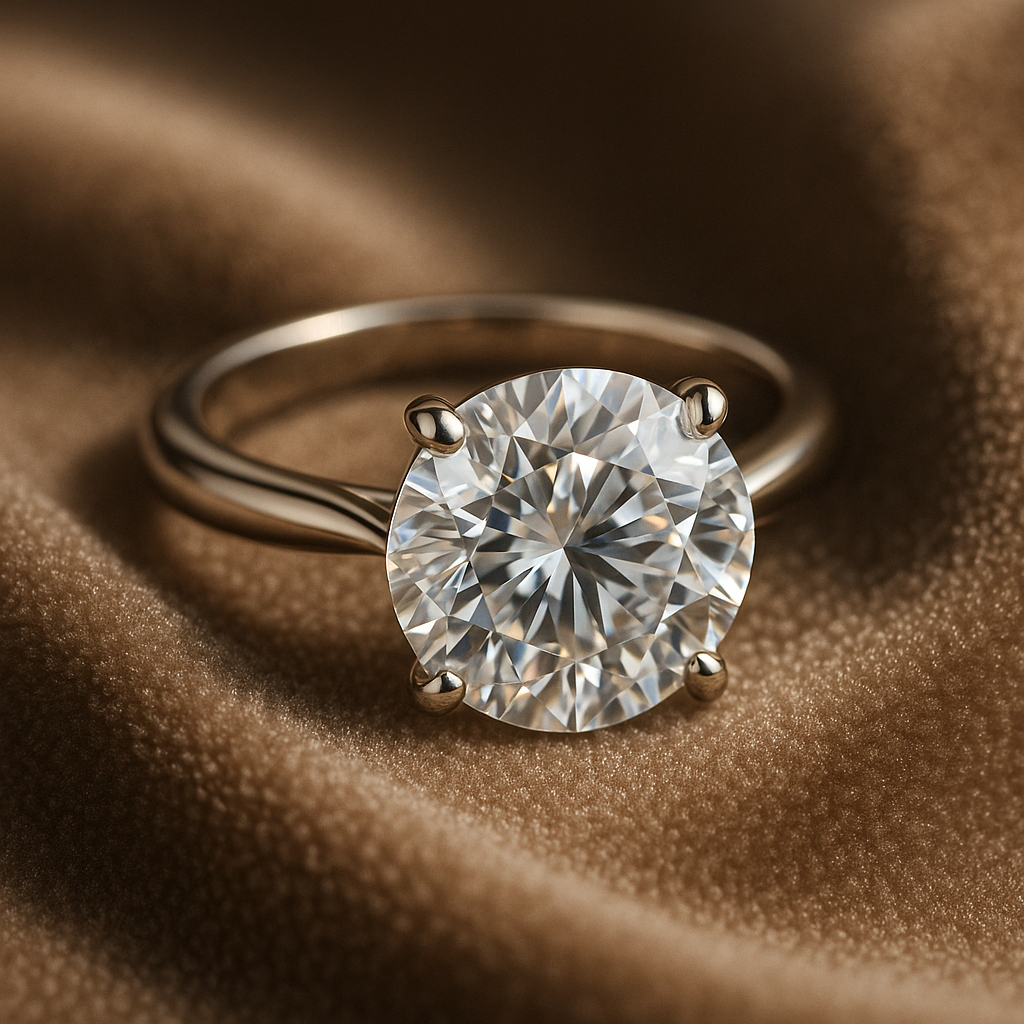
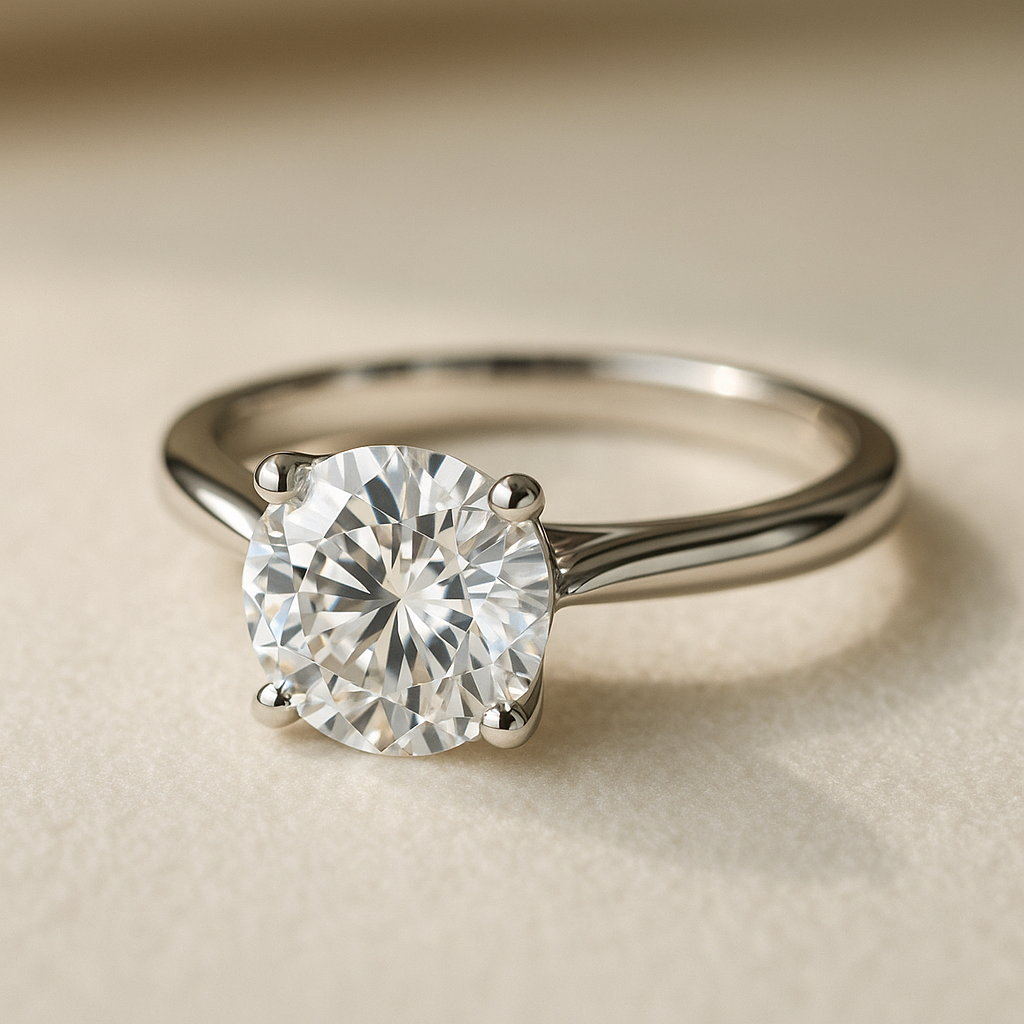
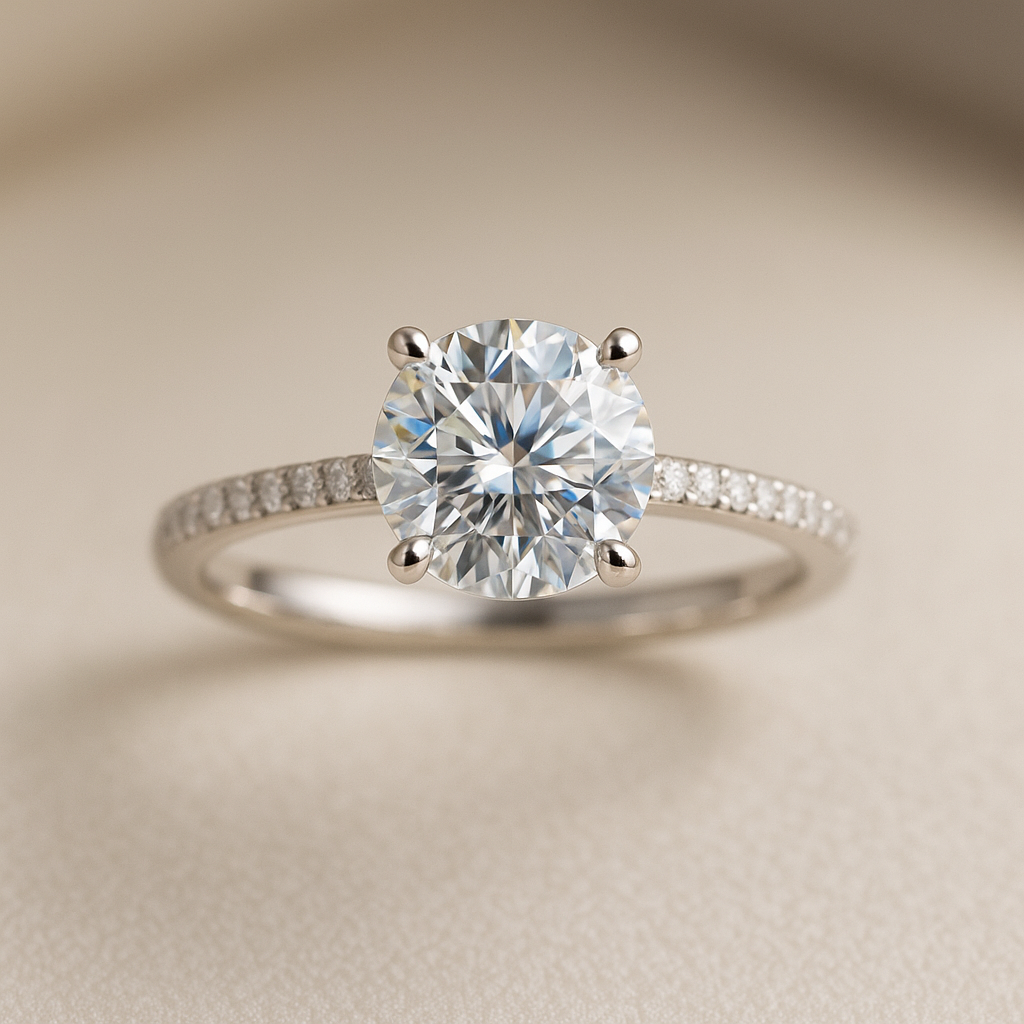
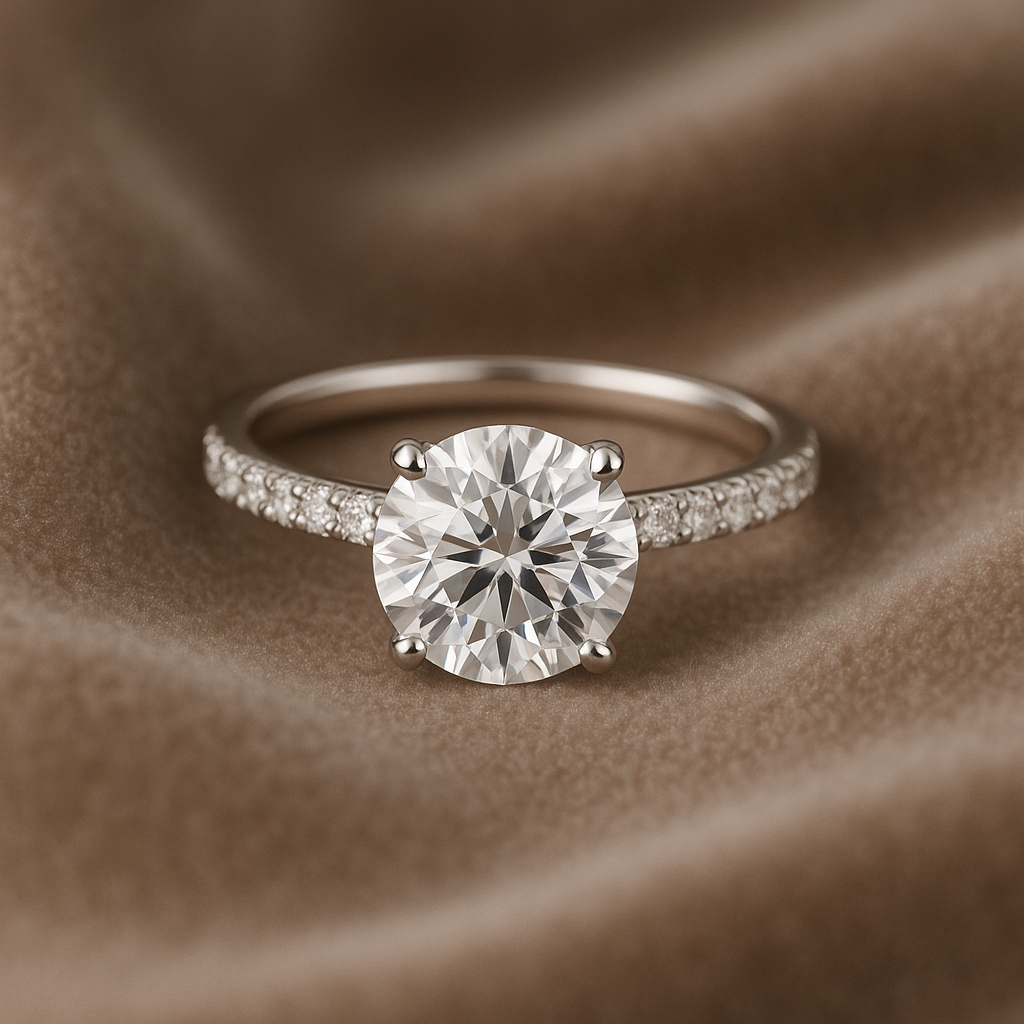
Lab-grown diamonds are chemically and physically identical to natural diamonds. They possess the same brilliance, fire, and hardness. Additionally, they often have fewer inclusions and higher clarity due to the controlled environment in which they are produced.
4. Environmental Impact
While natural diamond mining can lead to significant environmental harm, lab-grown diamonds have a much smaller carbon footprint, making them a more sustainable choice for eco-conscious consumers.
Lab-Grown vs. Natural Diamonds: Key Differences
When comparing lab-grown diamonds to natural diamonds, it’s essential to understand their similarities and differences:
1. Origin
The most significant difference is their origin. Natural diamonds are formed over millions of years deep within the Earth, while lab-grown diamonds are created in a matter of weeks in a laboratory.
2. Resale Value
Natural diamonds typically retain a higher resale value than lab-grown diamonds. The market for lab-grown diamonds is still developing, and their resale prices can vary widely.
3. Certification
Both types of diamonds can be certified by reputable grading organizations, such as the Gemological Institute of America (GIA) and the International Gemological Institute (IGI). However, lab-grown diamonds will be labeled as such, providing transparency for consumers.
How to Choose a Lab-Grown Diamond
Choosing a lab-grown diamond involves a few key considerations:
1. Understand the Four Cs
The Four Cs—carat weight, cut, color, and clarity—are critical in determining the quality and value of any diamond, including lab-grown options. Familiarize yourself with these characteristics to make an informed decision.
2. Set a Budget
One of the advantages of lab-grown diamonds is that they are generally more affordable. Determine your budget beforehand and explore options within that range.
3. Choose a Reputable Retailer
When purchasing a lab-grown diamond, ensure you buy from a trusted jeweler who provides certification and guarantees the quality of their diamonds.
4. Consider Your Preferences
Think about what you want in a diamond. Are you looking for a particular shape, size, or color? Lab-grown diamonds come in various styles, making it easier to find one that suits your taste.
Frequently Asked Questions (FAQs)
1. Are lab-grown diamonds real diamonds?
Yes, lab-grown diamonds are real diamonds. They have the same chemical composition and physical properties as natural diamonds.
2. Do lab-grown diamonds have resale value?
While lab-grown diamonds can have resale value, it is typically lower than that of natural diamonds. The market for lab-grown diamonds is evolving, and resale values may fluctuate.
3. Can lab-grown diamonds pass diamond testers?
Yes, lab-grown diamonds will pass diamond testers since they are chemically identical to natural diamonds.
4. How can I tell if a diamond is lab-grown?
Lab-grown diamonds are usually identified through their certification. They will be labeled as lab-grown or synthetic diamonds by reputable grading organizations.
Conclusion
Lab-grown diamonds provide a compelling alternative to natural diamonds, offering ethical, affordable, and high-quality options for consumers. As you embark on your journey to find the perfect engagement ring or piece of fine jewelry, consider the advantages that lab-grown diamonds bring to the table. With a better understanding of what lab-grown diamonds are, how they compare to natural diamonds, and what to look for when making a purchase, you can confidently choose a diamond that aligns with your values and personal style.