Understanding Lab-Grown Diamonds: A Comprehensive Guide
In recent years, lab-grown diamonds have surged in popularity, captivating the attention of engaged couples and fine jewelry enthusiasts alike. As you embark on the journey of finding the perfect engagement ring, it’s crucial to understand what lab-grown diamonds are, how they differ from natural diamonds, and why they might be the right choice for you.
What Are Lab-Grown Diamonds?
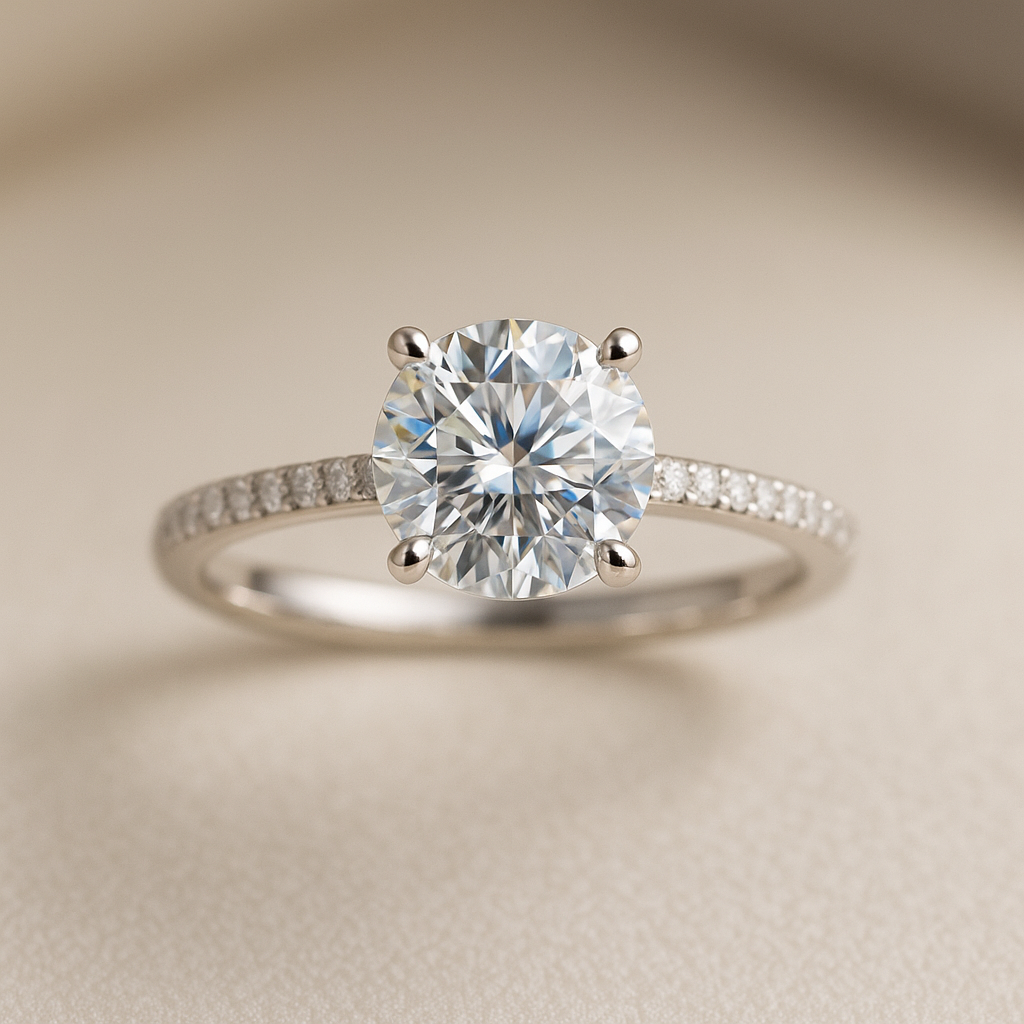
Lab-grown diamonds, also known as synthetic or cultured diamonds, are real diamonds that are created in controlled environments using advanced technology. These diamonds possess the same physical and chemical properties as natural diamonds, which are formed over billions of years deep within the Earth’s mantle. The primary methods for creating lab-grown diamonds are High Pressure High Temperature (HPHT) and Chemical Vapor Deposition (CVD).
The Comparison: Lab-Grown vs. Natural Diamonds
When comparing lab-grown diamonds and natural diamonds, there are several key factors to consider:
1. Origin
Natural diamonds are formed through geological processes, while lab-grown diamonds are created in laboratories. This significant difference in origin is often a primary consideration for consumers.
2. Cost
Lab-grown diamonds typically cost 20-40% less than their natural counterparts. This price difference allows consumers to invest in larger carat sizes or higher quality without exceeding their budget.
3. Environmental Impact
The environmental footprint of lab-grown diamonds is generally smaller than that of natural diamonds, which are often mined in ecologically sensitive areas. Opting for lab-grown diamonds can be a more sustainable choice.
4. Ethical Considerations
Lab-grown diamonds are free from the ethical concerns associated with conflict diamonds, also known as “blood diamonds.” For those concerned with ethical sourcing, lab-grown diamonds provide peace of mind.
How Lab-Grown Diamonds Are Made
The creation of lab-grown diamonds involves intricate processes:
High Pressure High Temperature (HPHT)
This method mimics the natural conditions under which diamonds form. Carbon is subjected to high pressure and temperature, transforming it into diamond. This method can produce diamonds in a matter of weeks.
Chemical Vapor Deposition (CVD)
CVD involves heating a carbon-containing gas to create a plasma, which allows carbon to deposit onto a substrate, layer by layer, forming a diamond. This method can take several weeks to produce a single diamond.
Lab-Grown Diamonds: Quality and Certification
Like natural diamonds, lab-grown diamonds are graded based on the 4Cs: Cut, Color, Clarity, and Carat weight. Reputable gemological laboratories such as the Gemological Institute of America (GIA) and the International Gemological Institute (IGI) offer certification for lab-grown diamonds, ensuring their quality and authenticity.
Frequently Asked Questions
Are lab-grown diamonds real diamonds?
Yes, lab-grown diamonds are real diamonds. They possess the same physical and chemical properties as natural diamonds and are graded using the same standards.
Will a lab-grown diamond last as long as a natural diamond?
Absolutely! Lab-grown diamonds are just as durable as natural diamonds and will last a lifetime.
How do I know if a diamond is lab-grown?
Lab-grown diamonds can be identified through their certification. Look for a grading report from a reputable laboratory that specifies the diamond as lab-grown.
What are the advantages of choosing lab-grown diamonds?
Some advantages include lower cost, ethical sourcing, environmental benefits, and the ability to obtain larger or higher-quality stones within your budget.
Finding the Perfect Lab-Grown Diamond for Your Engagement Ring
When searching for the perfect engagement ring featuring lab-grown diamonds, consider the following tips:
1. Set a Budget
Establishing your budget will help narrow down your options and guide your decision-making process.
2. Understand the 4Cs
Familiarize yourself with the 4Cs to better evaluate the quality of diamonds you’re considering. This knowledge empowers you to make an informed choice.
3. Choose a Reputable Retailer
Select a jeweler that provides transparency about the origin and certification of their stones. Look for retailers who specialize in lab-grown diamonds.
4. Consider Customization
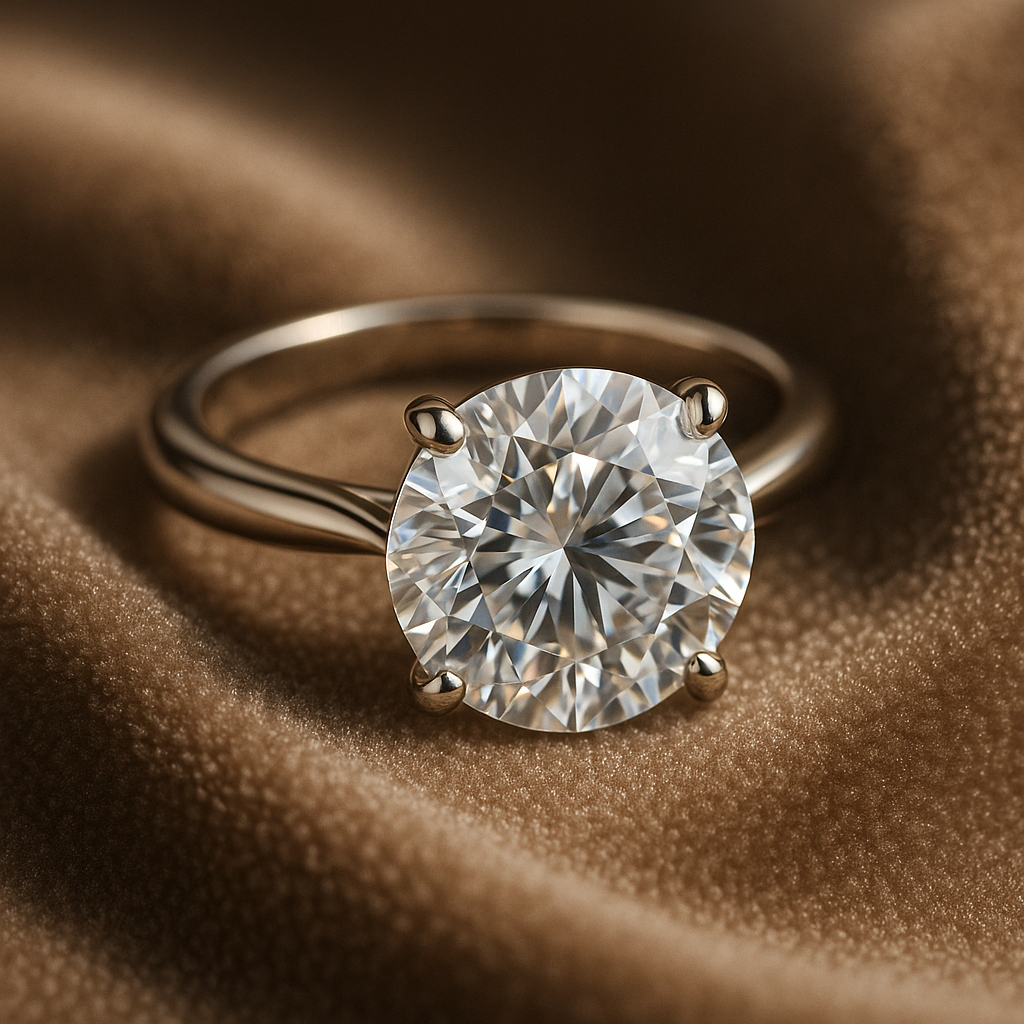
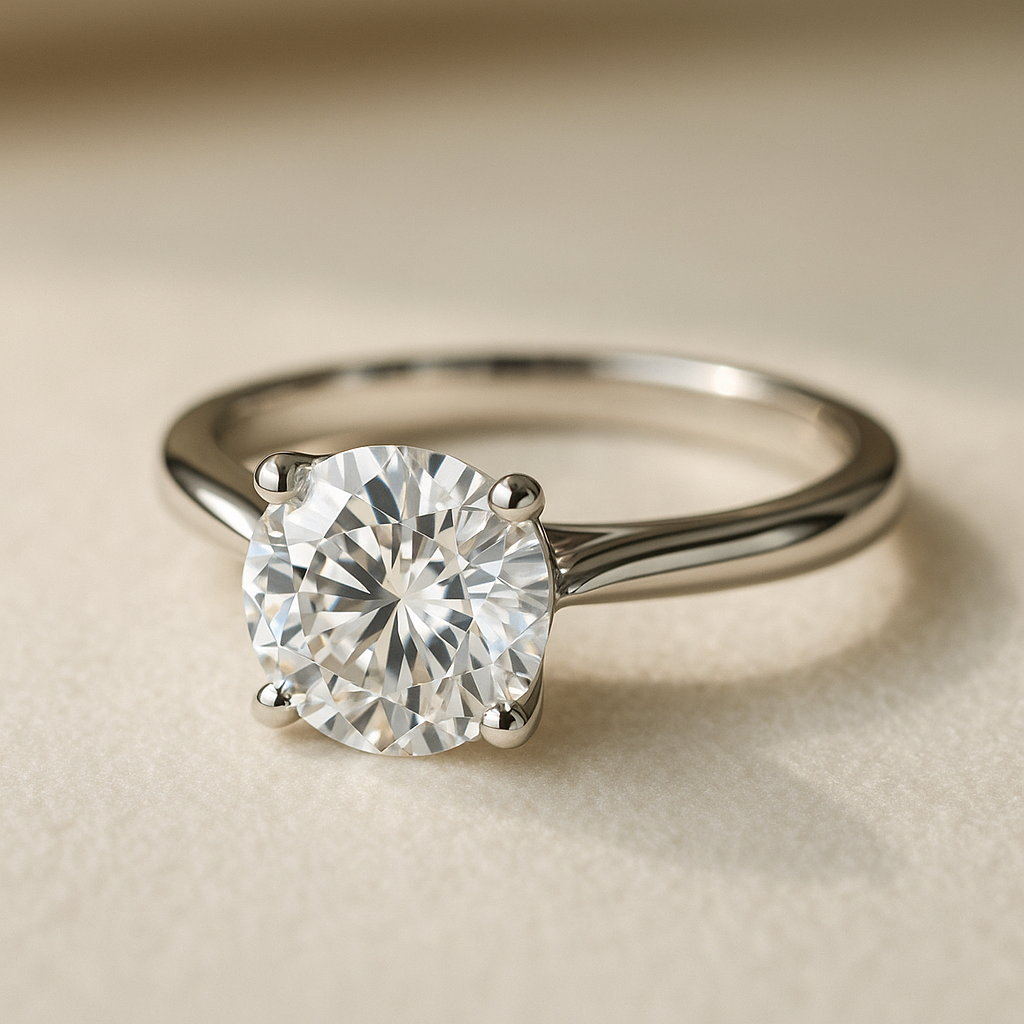
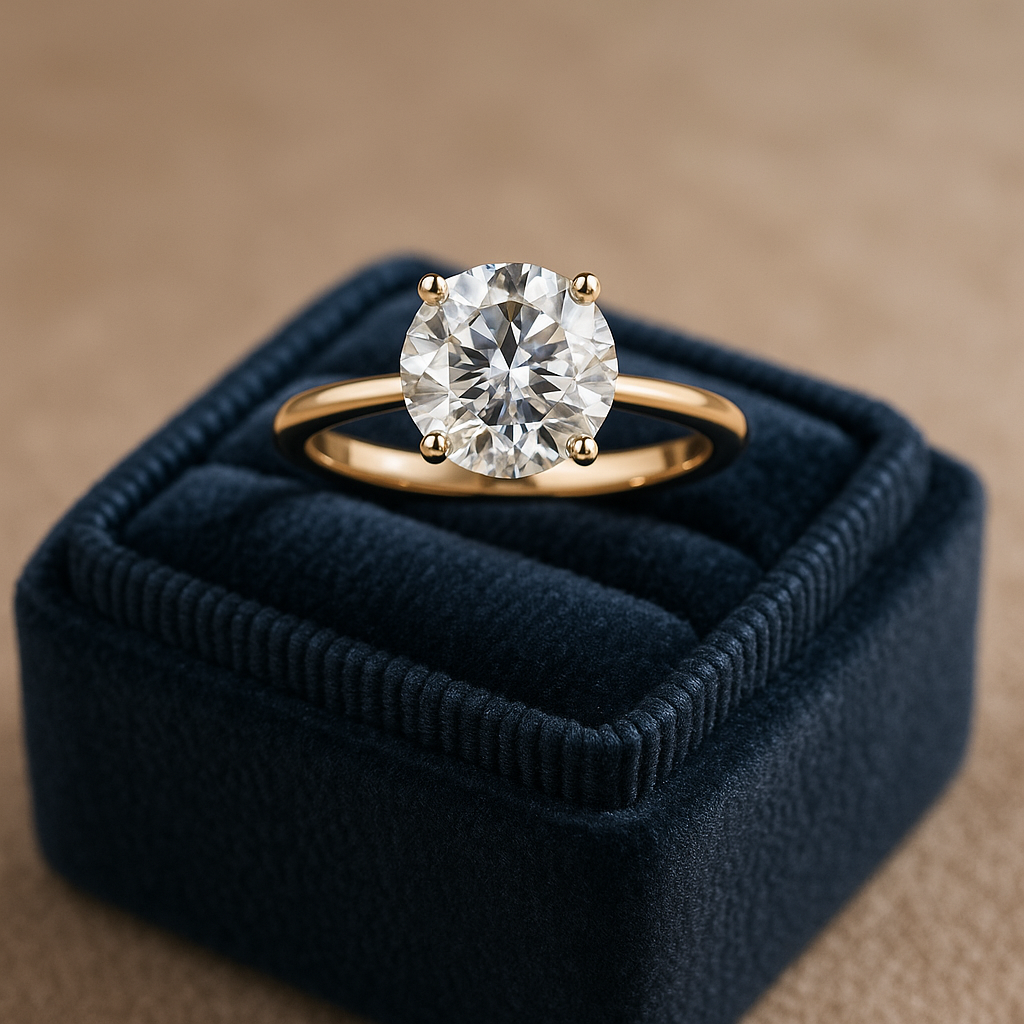
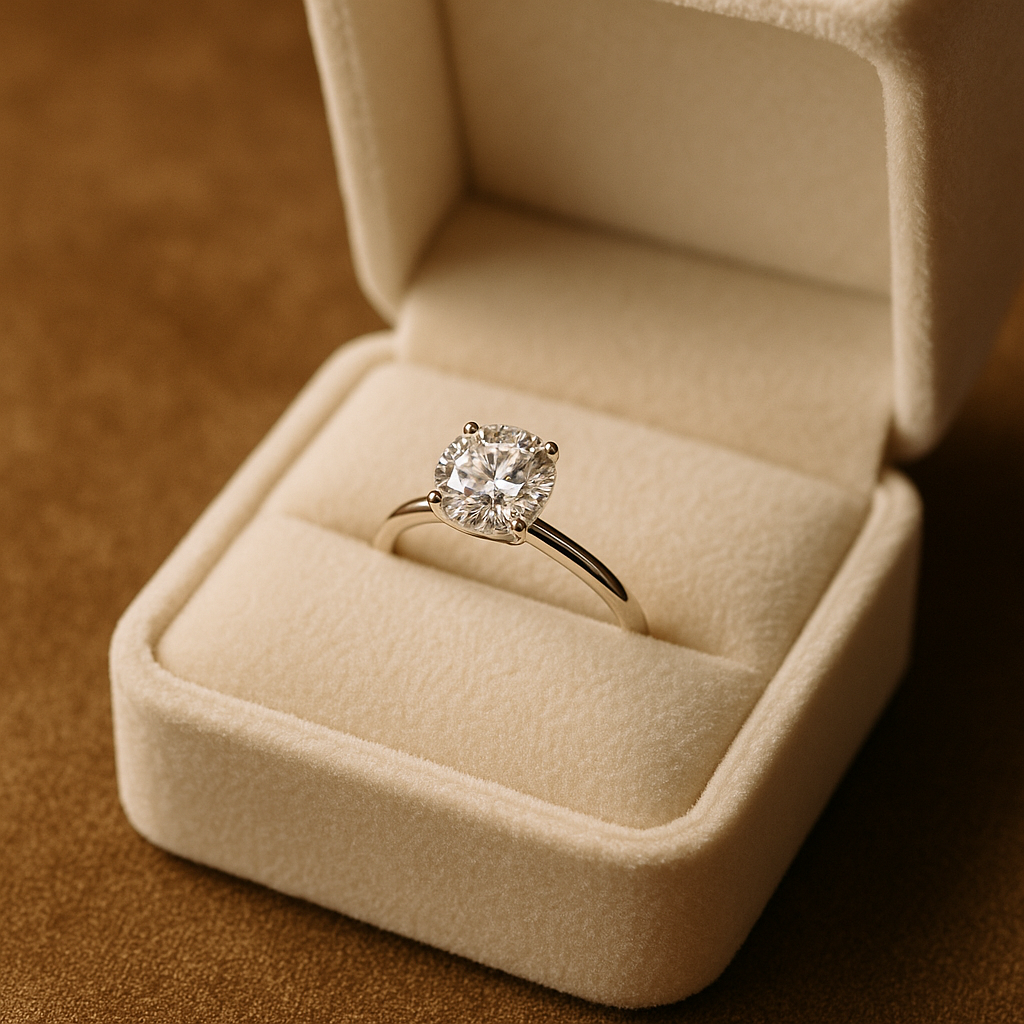
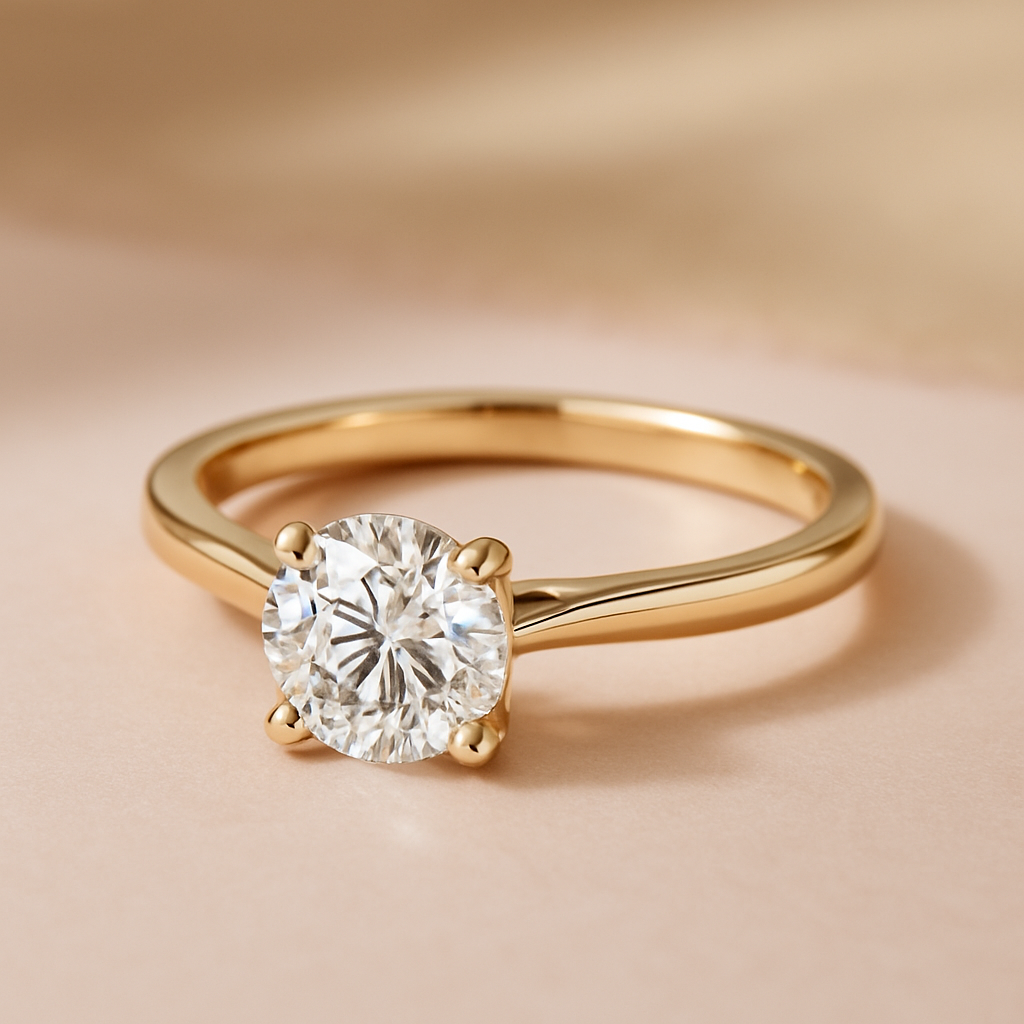
Lab-grown diamonds often provide unique opportunities for customization. Explore different settings and styles to create a personalized ring.
Conclusion
Lab-grown diamonds represent a modern, ethical, and cost-effective alternative to natural diamonds. With various benefits, including sustainability and affordability, they are an excellent choice for couples seeking the perfect engagement ring. As you navigate your jewelry options, keep in mind the qualities that matter most to you. Whether you prefer a lab-grown or natural diamond, the love and commitment symbolized by your ring is what truly matters.