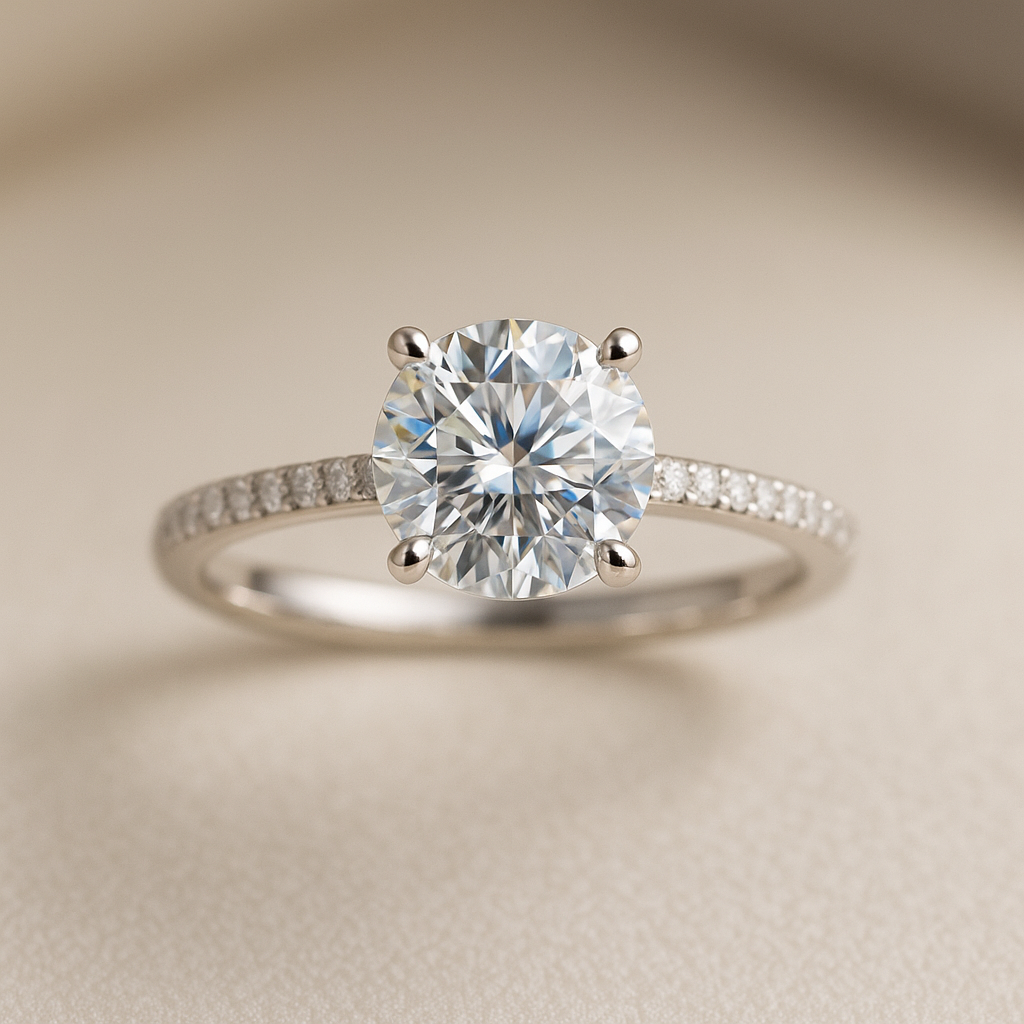

Understanding Lab-Grown Diamonds: The Smart Choice for Engagement Rings
In the world of engagement rings, the choice between natural and lab-grown diamonds has sparked considerable debate. As a consumer researching your options, it is crucial to understand the key differences, advantages, and considerations regarding lab-grown diamonds. This guide will provide you with insights into why lab-grown diamonds are becoming a favored choice among modern couples.
What Are Lab-Grown Diamonds?
Lab-grown diamonds, also known as synthetic or cultured diamonds, are real diamonds created in controlled laboratory settings. They possess the same physical, chemical, and optical properties as natural diamonds, which are formed over billions of years deep within the Earth’s mantle. The primary methods used in creating lab-grown diamonds are High Pressure High Temperature (HPHT) and Chemical Vapor Deposition (CVD).
HPHT Process
The HPHT process mimics the natural conditions under which diamonds form, using extreme pressure and heat to convert carbon into diamonds. This method can produce diamonds that are chemically identical to natural ones.
CVD Process
In contrast, the CVD method involves using a gas mixture that contains carbon, which is deposited on a substrate to form diamond layers over time. This method allows for more precise control over the diamond’s characteristics.
Why Choose Lab-Grown Diamonds?
Choosing a lab-grown diamond for your engagement ring comes with numerous advantages that modern consumers are starting to appreciate:
1. Ethical Considerations
Lab-grown diamonds are considered more ethical than natural diamonds. The mining of natural diamonds can often lead to environmental degradation, human rights violations, and exploitation. In contrast, lab-grown diamonds have a significantly lower environmental impact and are free from the ethical concerns associated with mined diamonds.
2. Cost-Effectiveness
One of the most compelling reasons to consider lab-grown diamonds is their price. Lab-grown diamonds can be 20-40% less expensive than their natural counterparts, allowing you to invest in a larger stone or an intricate setting without breaking the bank.
3. Quality and Variety
Lab-grown diamonds are available in a wide range of colors and sizes. Since they are produced in a controlled environment, they can be tailored to meet specific consumer preferences, ensuring that you find the perfect diamond that matches your style and budget.
4. Transparency
When purchasing a lab-grown diamond, you can often receive a detailed grading report that showcases the diamond’s quality, including cut, color, clarity, and carat weight. This level of transparency can provide peace of mind for consumers making significant investment decisions.
Comparing Lab-Grown and Natural Diamonds
While both lab-grown and natural diamonds are beautiful and share many attributes, there are some key differences to consider:
1. Origin
The most apparent difference is their origin. Natural diamonds are formed over millions of years through geological processes, while lab-grown diamonds are created in a matter of weeks or months.
2. Resale Value
Lab-grown diamonds typically have a lower resale value than natural diamonds. While they retain their value, the market for lab-grown diamonds is still developing compared to the long-established market for natural diamonds. It’s essential to consider your long-term plans for the diamond when making your decision.
3. Market Perception
Natural diamonds have long been regarded as the traditional choice for engagement rings, and while the perception of lab-grown diamonds is changing, some consumers still view them as less desirable. However, trends indicate a growing acceptance of lab-grown diamonds, particularly among younger generations.
Frequently Asked Questions (FAQ)
Are lab-grown diamonds real diamonds?
Yes, lab-grown diamonds are real diamonds. They have the same chemical composition and physical properties as natural diamonds, which means they are genuine diamonds.
How can you tell the difference between a lab-grown diamond and a natural diamond?
It can be challenging to differentiate between the two without specialized equipment. However, many lab-grown diamonds can be identified through their growth patterns and inclusions with professional grading tools.
Can I get a lab-grown diamond in the same quality and size as a natural diamond?
Absolutely! Lab-grown diamonds come in a variety of sizes and quality grades, allowing you to select a diamond that meets your desired specifications.
Do lab-grown diamonds sparkle less than natural diamonds?
No, lab-grown diamonds have the same brilliance and sparkle as natural diamonds. Their sparkle is determined by their cut, which can be equally achieved in both types of diamonds.
Where can I buy lab-grown diamonds?
You can find lab-grown diamonds at many reputable jewelers, both online and in-store. Be sure to look for retailers that provide grading reports and clear information about the diamond’s origin.
Conclusion
As you embark on your journey to find the perfect engagement ring, remember that lab-grown diamonds offer a compelling alternative to natural diamonds. With their ethical sourcing, affordability, and high-quality craftsmanship, lab-grown diamonds are not just a trend—they represent a modern choice that aligns with the values of today’s consumers. At Celebrity Diamonds, we provide a carefully curated selection of lab-grown diamonds, ensuring that you can find the ideal ring that reflects your love story.