Understanding Lab-Grown Diamonds: A Comprehensive Guide
In recent years, the jewelry industry has seen a remarkable shift towards sustainability and ethical sourcing. Among the most significant developments in this space is the emergence of lab-grown diamonds. As consumers become increasingly informed about their choices, it’s essential to understand what lab-grown diamonds are, how they compare to natural diamonds, and why they are becoming a popular choice for engagement rings and fine jewelry.
What Are Lab-Grown Diamonds?
Lab-grown diamonds, also known as synthetic or cultured diamonds, are real diamonds that are created in a controlled environment using advanced technological processes. They possess the same physical, chemical, and optical properties as natural diamonds, making them virtually indistinguishable without specialized equipment.
How Are Lab-Grown Diamonds Made?
There are two primary methods used to create lab-grown diamonds: High Pressure High Temperature (HPHT) and Chemical Vapor Deposition (CVD).
High Pressure High Temperature (HPHT)
The HPHT method mimics the natural conditions under which diamonds form in the Earth’s mantle. Carbon is subjected to extreme heat and pressure, resulting in the crystallization of diamond. HPHT diamonds often feature unique characteristics that can be traced back to their creation process.
Chemical Vapor Deposition (CVD)
In the CVD process, a diamond seed is placed in a chamber filled with carbon-rich gas. As the gas breaks down, carbon atoms deposit onto the seed, growing a diamond layer by layer. This method allows for greater control over the diamond’s composition and quality.
The Benefits of Choosing Lab-Grown Diamonds
As consumers consider their options for engagement rings and fine jewelry, lab-grown diamonds offer several compelling benefits.
1. Ethical Sourcing
Lab-grown diamonds are created in labs, eliminating concerns about unethical mining practices, which can involve human rights violations and environmental damage. By choosing lab-grown options, consumers can feel confident that their purchase does not contribute to these issues.
2. Affordability
One of the most significant advantages of lab-grown diamonds is their price. Generally, they cost 20-40% less than their natural counterparts. This price difference allows consumers to invest in a larger or higher-quality diamond than they might afford with a natural stone.
3. Variety and Customization
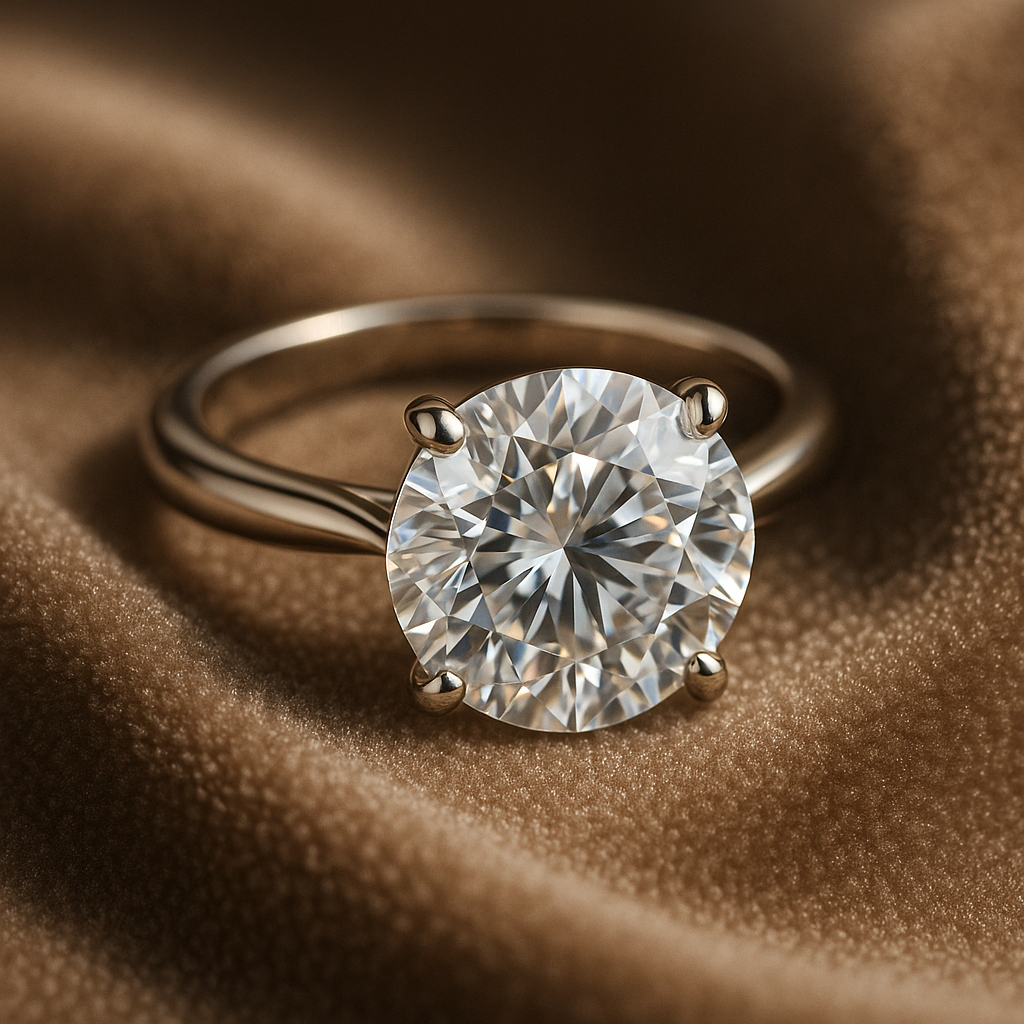
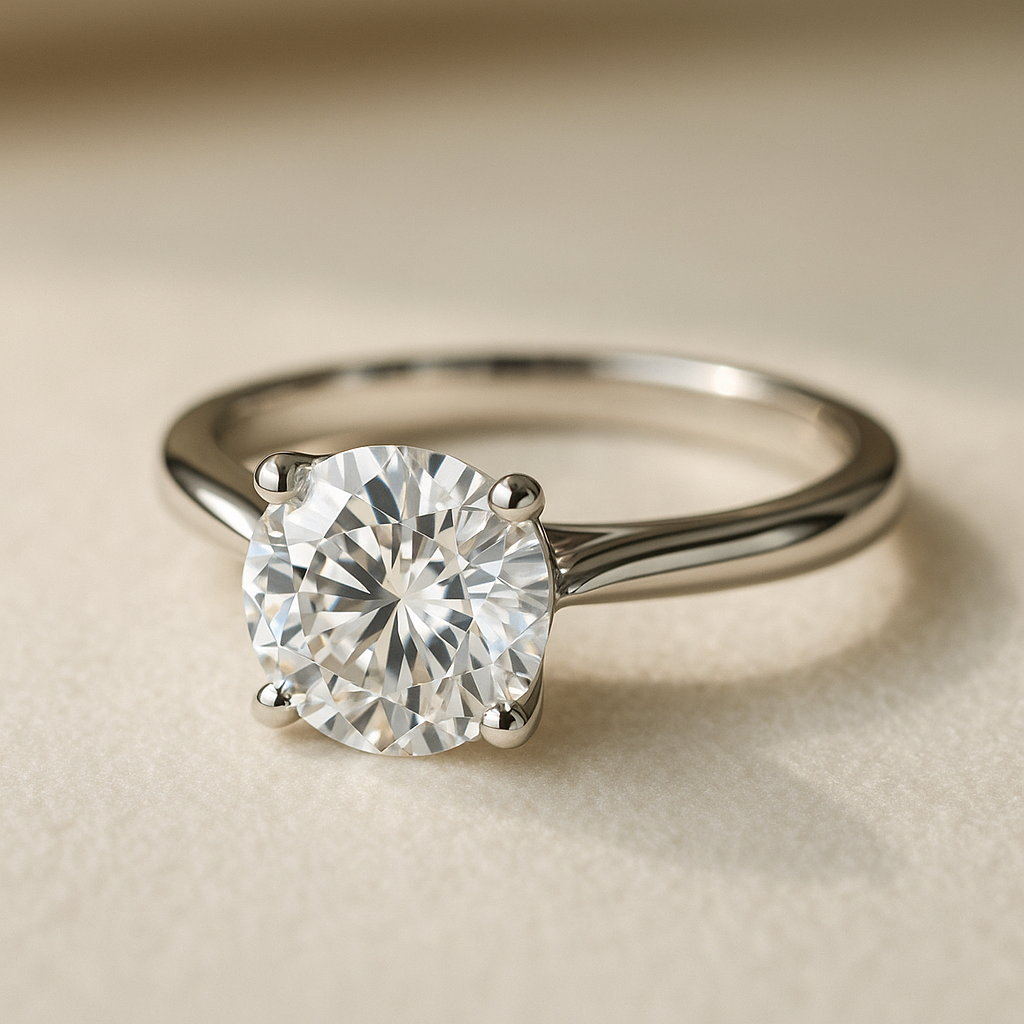
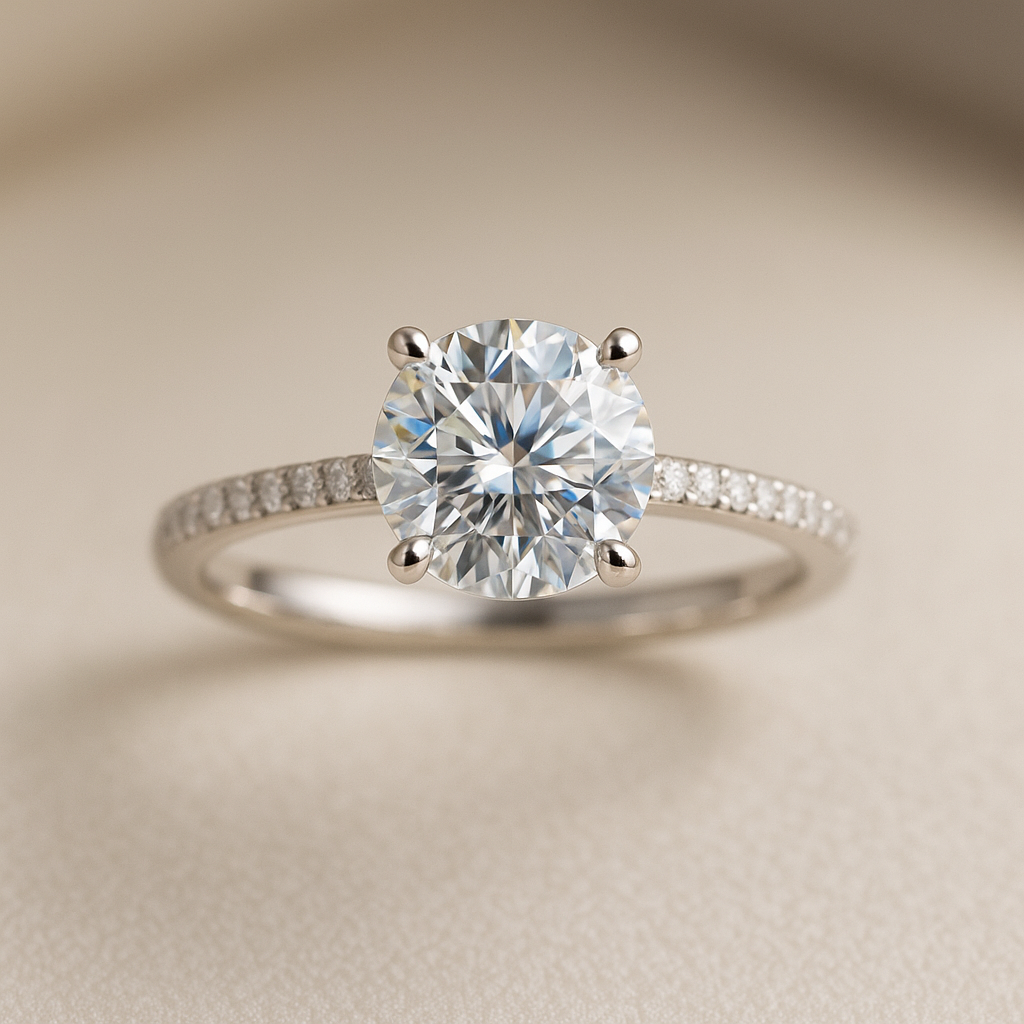
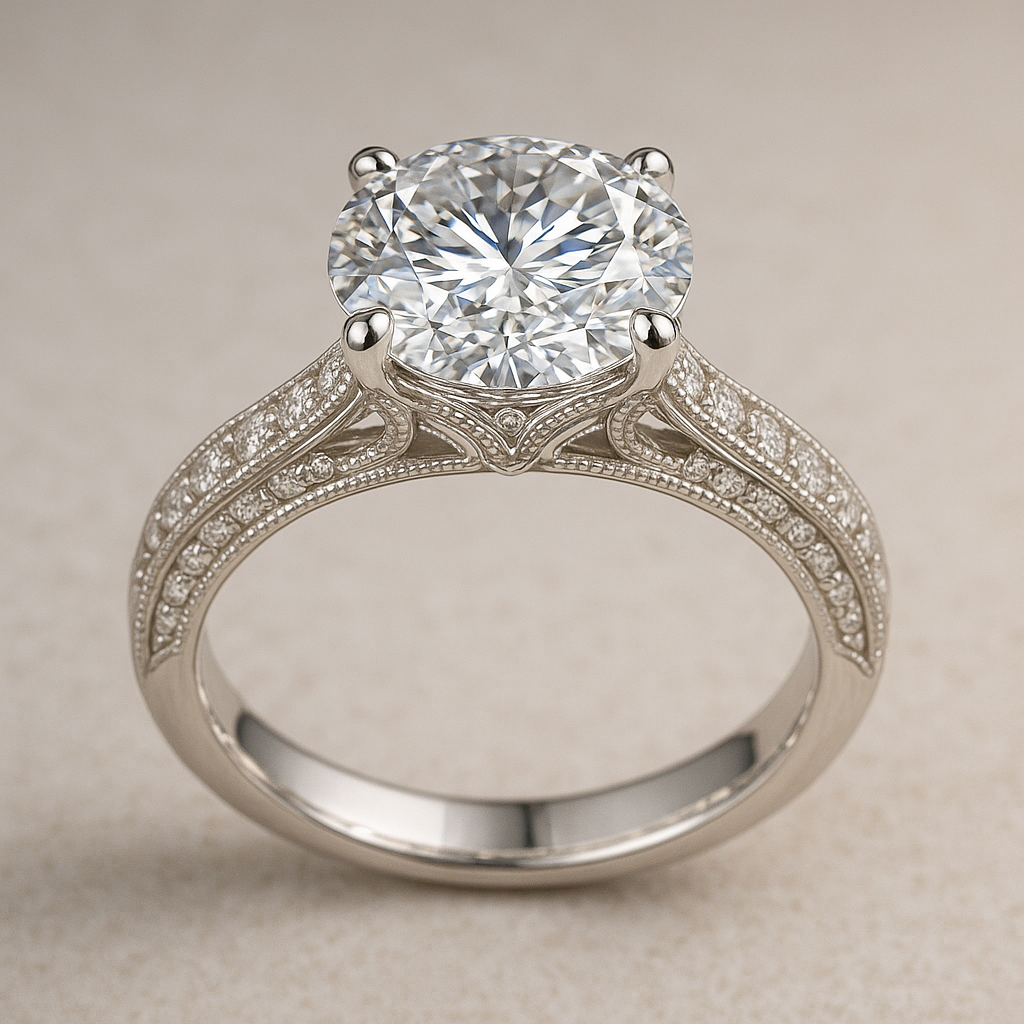
Lab-grown diamonds come in various shapes, sizes, and colors, providing consumers with more options for customization. Whether you’re looking for a classic round diamond or a unique fancy color, lab-grown diamonds can meet your needs.
4. Environmental Impact
The production of lab-grown diamonds is typically more sustainable than traditional diamond mining. With a reduced carbon footprint and fewer environmental disturbances, lab-grown diamonds present an eco-friendly alternative.
Lab-Grown Diamonds vs. Natural Diamonds: Key Comparisons
When comparing lab-grown diamonds to natural diamonds, several factors should be considered.
1. Composition and Quality
Both lab-grown and natural diamonds are composed of carbon and share identical physical and chemical properties. However, lab-grown diamonds can be created with fewer impurities, potentially leading to higher clarity and color grades.
2. Value Retention
Natural diamonds have traditionally been viewed as a long-term investment, often retaining or appreciating in value over time. Lab-grown diamonds, however, tend to depreciate more quickly due to their abundant supply and the perception of being less “rare.” While this may concern some buyers, many consumers prioritize the benefits of lab-grown diamonds over long-term investment potential.
3. Certification and Grading
Both types of diamonds can be certified by reputable gemological laboratories, such as the Gemological Institute of America (GIA) or the International Gemological Institute (IGI). When purchasing a diamond, ensure it comes with a grading report that verifies its quality, regardless of whether it is lab-grown or natural.
Frequently Asked Questions (FAQs)
Are lab-grown diamonds real diamonds?
Yes, lab-grown diamonds are real diamonds. They have the same physical, chemical, and optical properties as natural diamonds and are graded similarly.
How can I tell if a diamond is lab-grown or natural?
While most lab-grown diamonds are visually indistinguishable from natural diamonds, experts use specialized equipment to identify growth patterns and inclusions to determine their origin.
Do lab-grown diamonds have resale value?
Lab-grown diamonds typically have a lower resale value than natural diamonds due to market perceptions and supply abundance. However, many consumers prioritize their initial purchase over future resale considerations.
Can I get a lab-grown diamond in any shape or size?
Yes, lab-grown diamonds come in various shapes and sizes, offering a wide selection for consumers looking to customize their engagement rings or fine jewelry.
Conclusion: A Thoughtful Choice
Lab-grown diamonds present a modern, ethical, and affordable option for consumers navigating the diamond market. By understanding the differences between lab-grown and natural diamonds, shoppers can make informed decisions that align with their values and preferences. Whether you prioritize sustainability, affordability, or customization, lab-grown diamonds are an excellent choice for engagement rings and other fine jewelry pieces. At Celebrity Diamonds, we are committed to helping you find the perfect diamond to celebrate your love story.