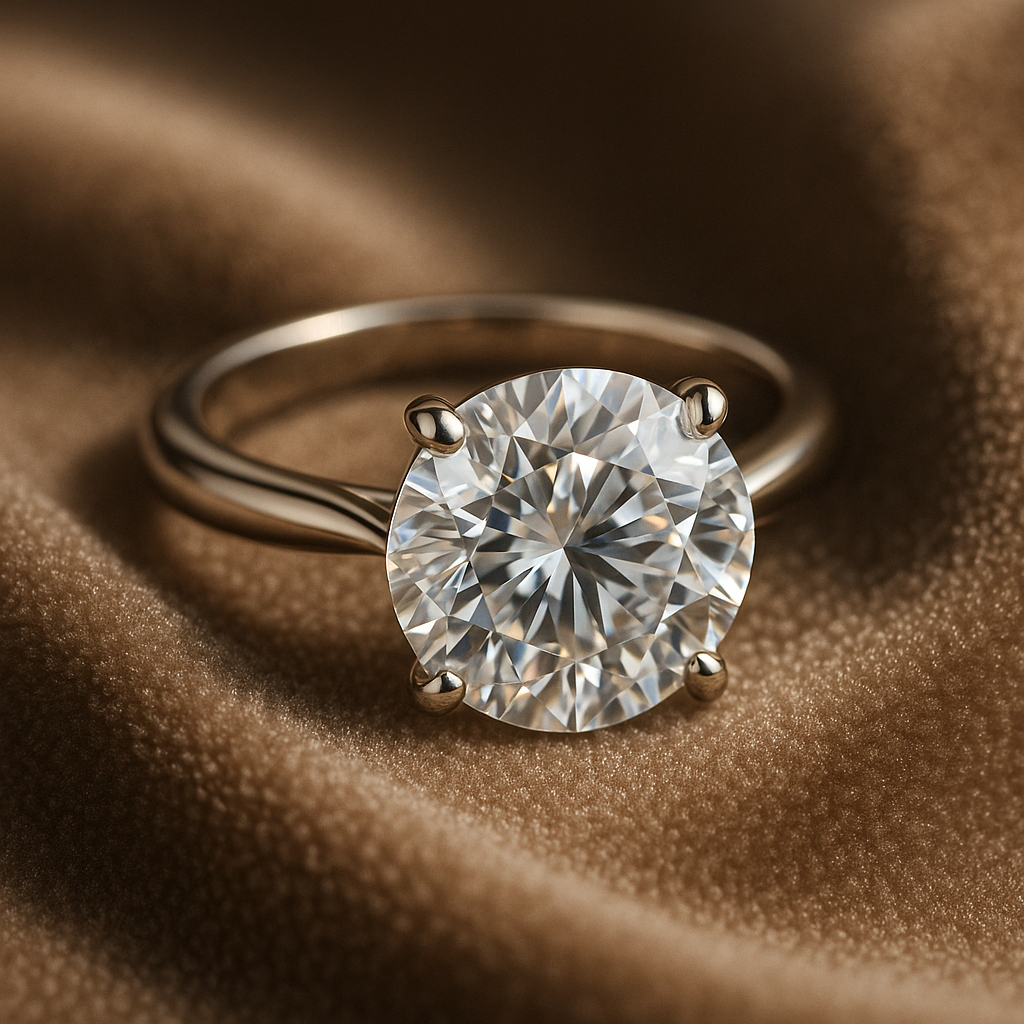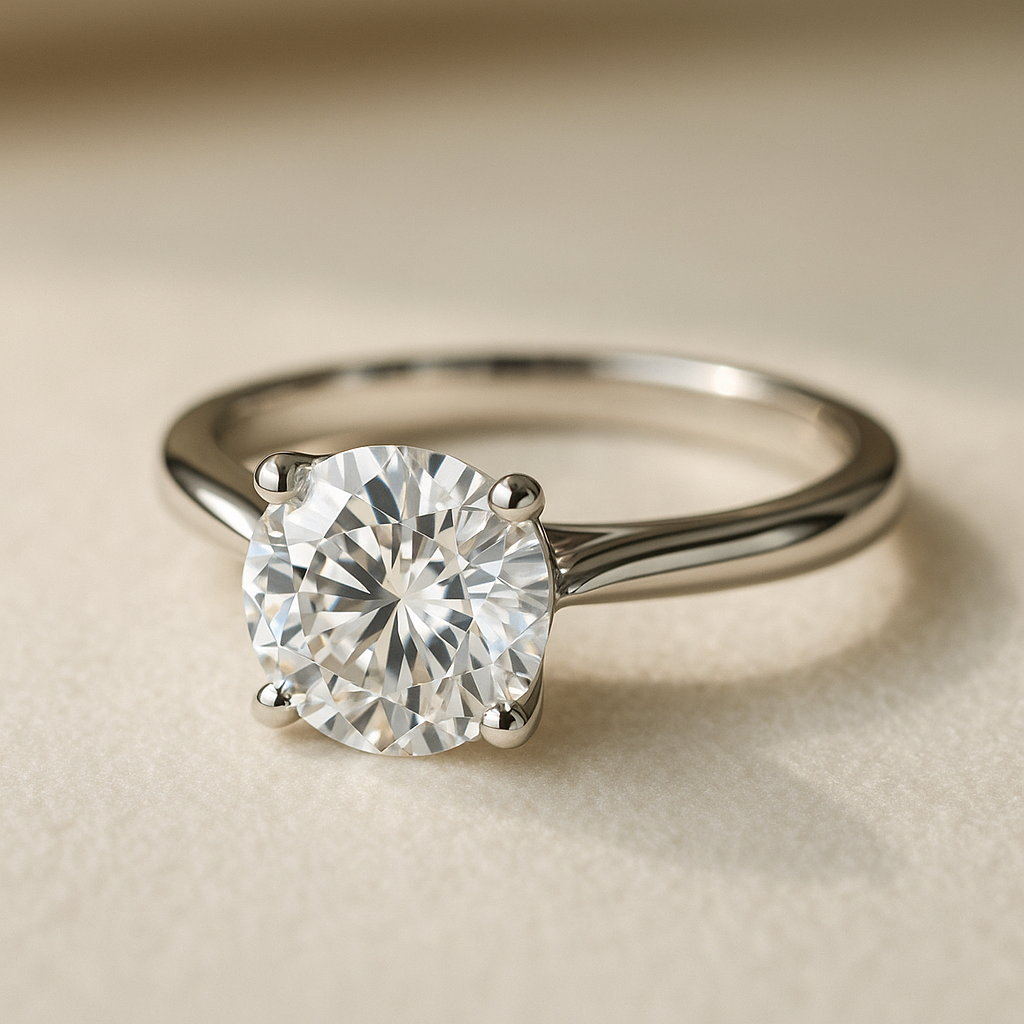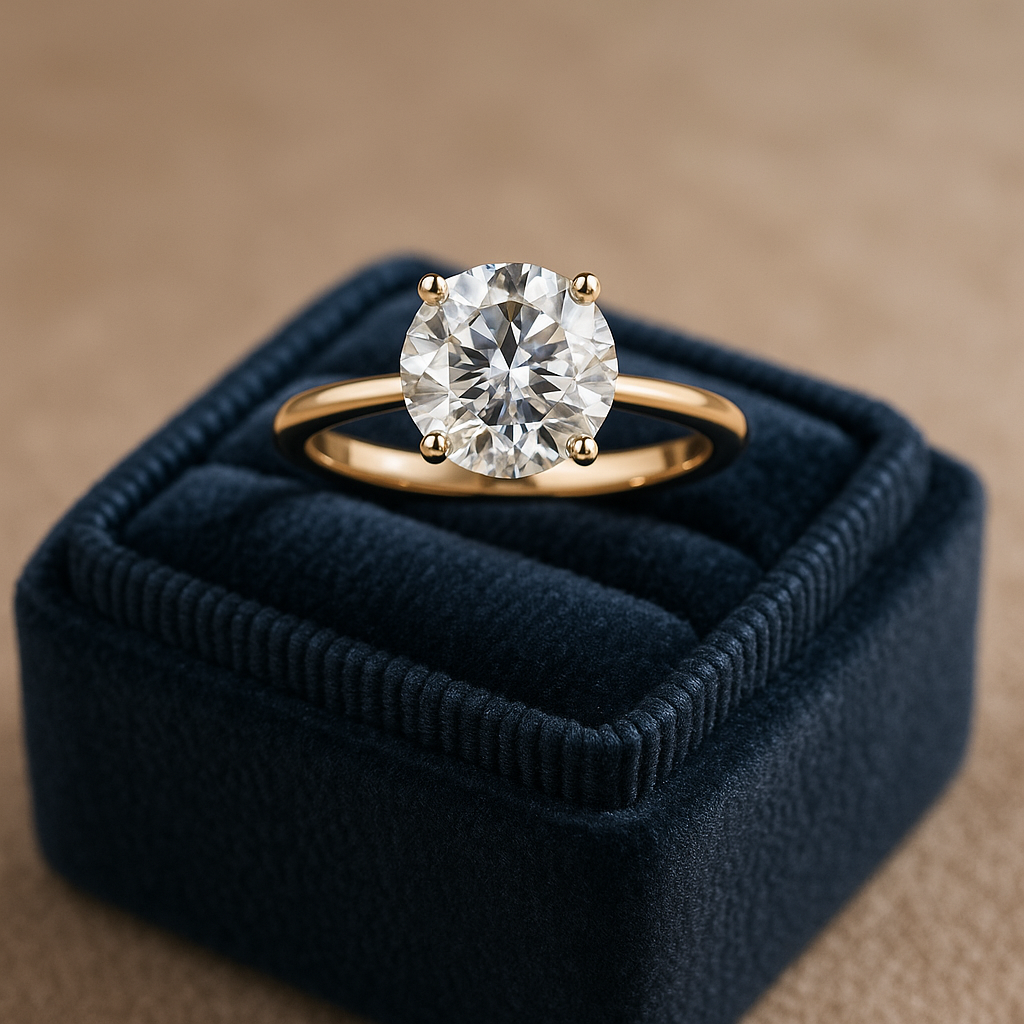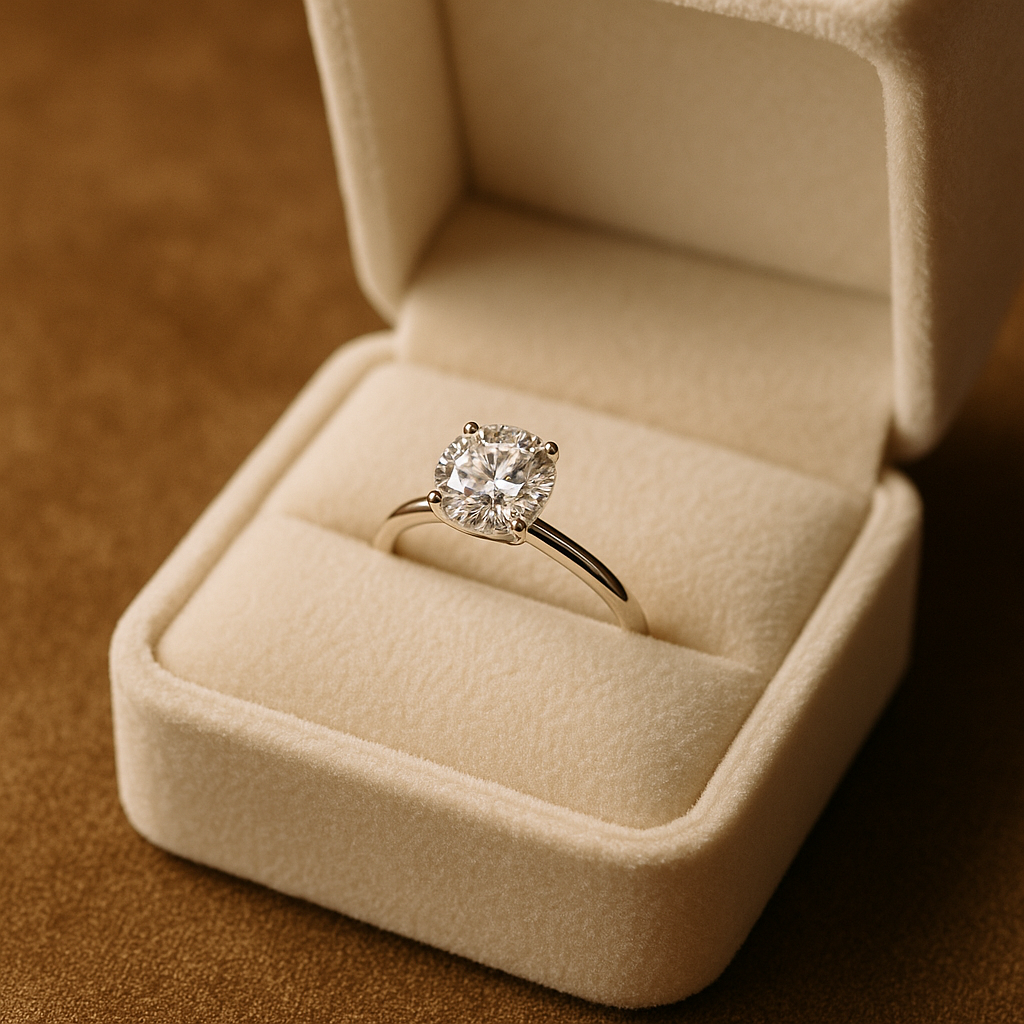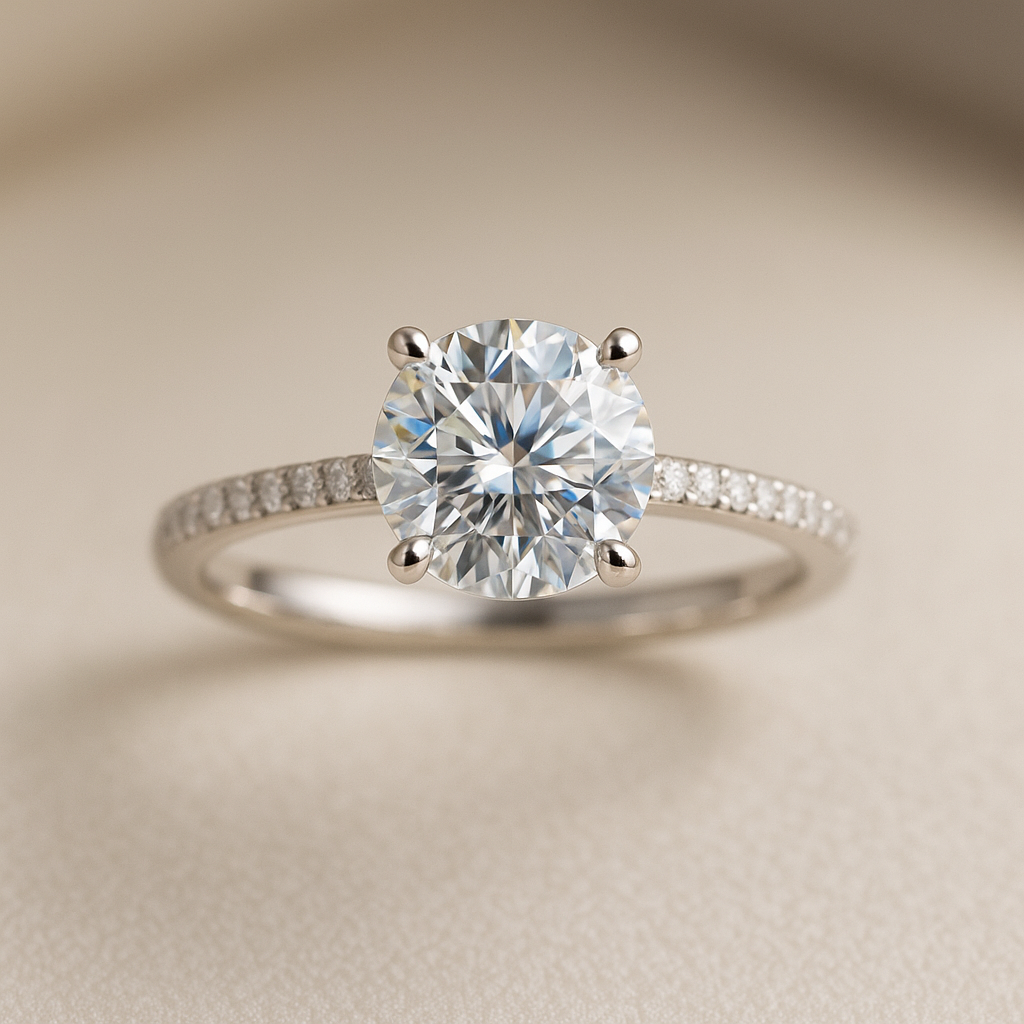
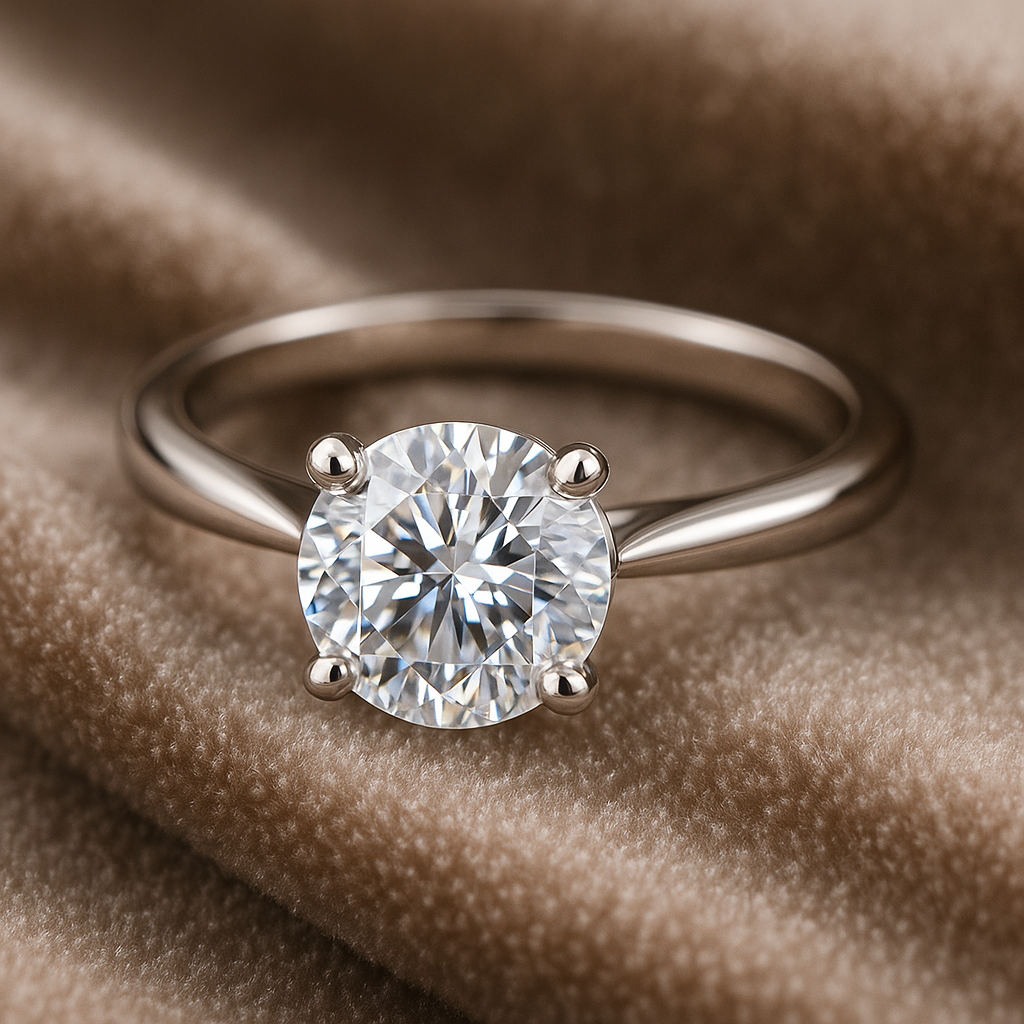
The Truth About Lab-Grown Diamonds: A Consumer’s Guide
As consumers embark on the journey to find the perfect engagement ring or fine jewelry, the choices can feel overwhelming. One of the most significant decisions revolves around the type of diamond to choose: lab-grown diamonds or natural diamonds. In this guide, we will explore the facts, benefits, and considerations of lab-grown diamonds to help you make an informed choice for your next jewelry purchase.
Understanding Lab-Grown Diamonds
Lab-grown diamonds are created in controlled environments using advanced technology that replicates the natural diamond-growing process. There are two primary methods for producing these diamonds: High Pressure High Temperature (HPHT) and Chemical Vapor Deposition (CVD). Both methods produce diamonds that are chemically, physically, and optically identical to their natural counterparts.
Benefits of Choosing Lab-Grown Diamonds
1. Ethical Sourcing
One of the most significant advantages of lab-grown diamonds is that they are ethically sourced. Unlike some natural diamonds, which can be associated with unethical mining practices and conflict zones, lab-grown diamonds are produced in a controlled, environmentally friendly setting, ensuring that your purchase supports responsible practices.
2. Cost-Effectiveness
Lab-grown diamonds typically cost 20-40% less than natural diamonds of similar quality. This cost difference allows consumers to buy larger or higher-quality stones for the same budget, making fine jewelry more accessible.
3. Environmental Impact
The environmental footprint of lab-grown diamonds is significantly lower than that of mined diamonds. Traditional diamond mining can lead to habitat destruction, soil erosion, and water pollution. In contrast, lab-grown diamonds require less land and water, making them a more sustainable choice.
4. Quality and Variety
Lab-grown diamonds come in a variety of shapes, sizes, and qualities, often exhibiting fewer inclusions and higher clarity compared to many natural diamonds. This uniformity can be a significant advantage for consumers seeking specific characteristics in their diamonds.
Common Misconceptions About Lab-Grown Diamonds
1. They Aren’t Real Diamonds
One of the most common misconceptions is that lab-grown diamonds aren’t “real.” In reality, they possess the same physical, chemical, and optical properties as natural diamonds. The only differences are their origin and the way they are made.
2. They Lack Resale Value
While it’s true that lab-grown diamonds may not hold their value as well as some natural diamonds, trends are shifting. As acceptance of lab-grown diamonds increases, so too could their resale value in the future. However, consumers should still consider their purchase as a long-term investment in enjoyment rather than solely for resale.
3. They Are Inferior in Quality
Lab-grown diamonds are often of higher quality than many natural diamonds on the market. With advancements in technology, it’s becoming increasingly possible to create flawless diamonds that can outperform natural stones.
What to Look for When Buying Lab-Grown Diamonds
When purchasing a lab-grown diamond, consider the following factors:
1. Certification
Always look for diamonds that are certified by reputable gemological laboratories such as the Gemological Institute of America (GIA) or the International Gemological Institute (IGI). This certification ensures that the diamond’s quality has been independently assessed.
2. The 4 Cs
Just like natural diamonds, lab-grown diamonds are graded based on the 4 Cs: Cut, Color, Clarity, and Carat Weight. Understanding these criteria will help you evaluate the diamond’s quality and choose one that suits your preferences and budget.
3. Return Policies
Before making a purchase, familiarize yourself with the retailer’s return policy. A clear and consumer-friendly return policy is a sign of reputable sellers who stand behind their products.
Lab-Grown Diamonds vs. Natural Diamonds: A Comparison
1. Price
Lab-grown diamonds are generally more affordable, providing better value for consumers. For those on a budget, choosing a lab-grown diamond can allow for a larger or higher-quality stone.
2. Emotional Value
Many people attach emotional significance to their engagement rings or jewelry. Natural diamonds often carry the allure of being timeless and rare; however, lab-grown diamonds offer a modern alternative that can be just as meaningful.
3. Sustainability and Ethics
Lab-grown diamonds are a more sustainable choice, coming from ethical sources that do not contribute to the negative impacts of mining. This aspect is increasingly important for eco-conscious consumers.
Frequently Asked Questions (FAQs)
Are lab-grown diamonds as durable as natural diamonds?
Yes, lab-grown diamonds are just as durable and can endure the same wear and tear as natural diamonds due to their identical physical properties.
Can lab-grown diamonds be passed down as heirlooms?
Absolutely! Lab-grown diamonds can be cherished family heirlooms, just like natural diamonds. Their beauty and quality can stand the test of time.
Will my lab-grown diamond look different than a natural diamond?
No, lab-grown diamonds will look the same as natural diamonds to the naked eye. Only advanced equipment can differentiate between the two.
How do I care for my lab-grown diamond jewelry?
Caring for lab-grown diamonds involves regular cleaning with mild soap and water, using a soft cloth to remove dirt, and storing them separately to prevent scratches.
Conclusion
Lab-grown diamonds present an innovative, ethical, and affordable alternative to traditional natural diamonds. As the industry evolves, consumers will find greater acceptance and understanding of lab-grown options. By choosing a lab-grown diamond, you not only get a stunning piece of jewelry but also contribute to a more sustainable future. At Celebrity Diamonds, we invite you to explore our exquisite collection of lab-grown diamonds and discover the perfect piece that will last a lifetime.