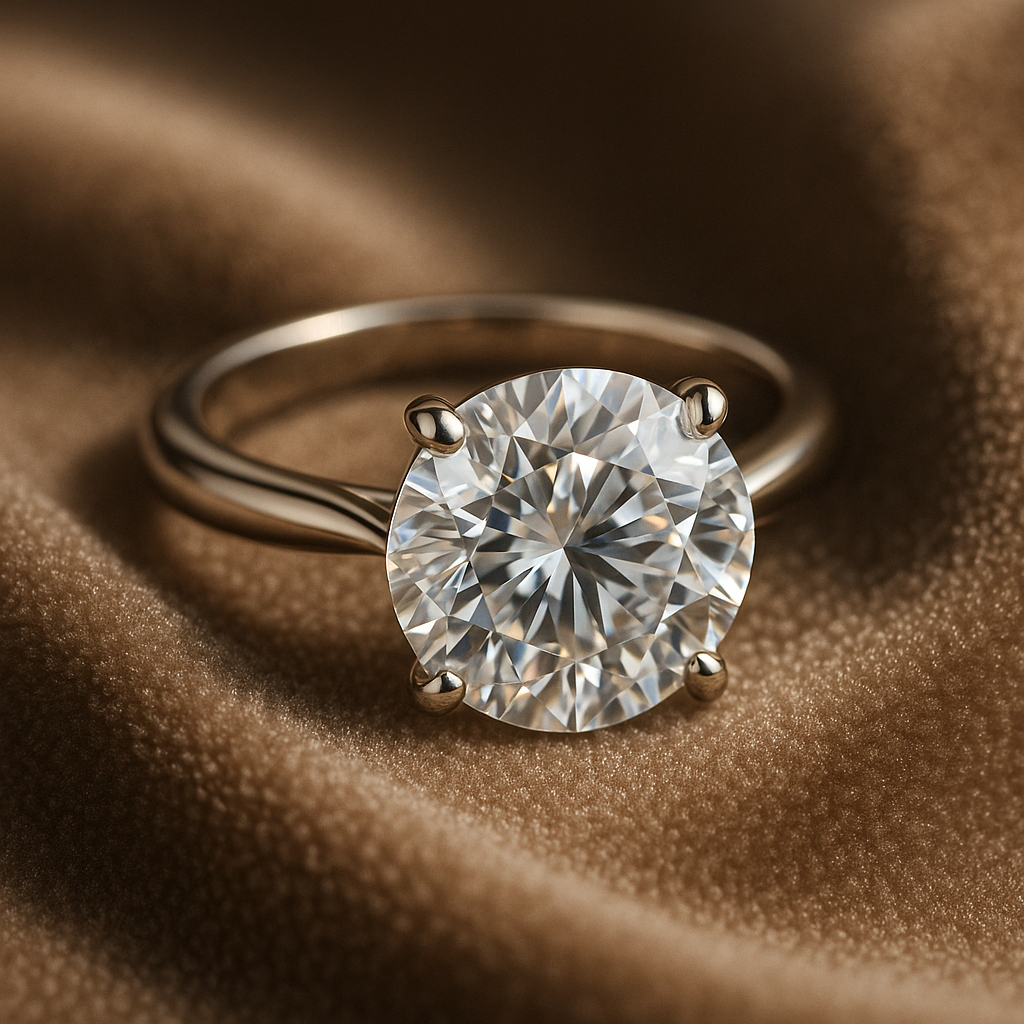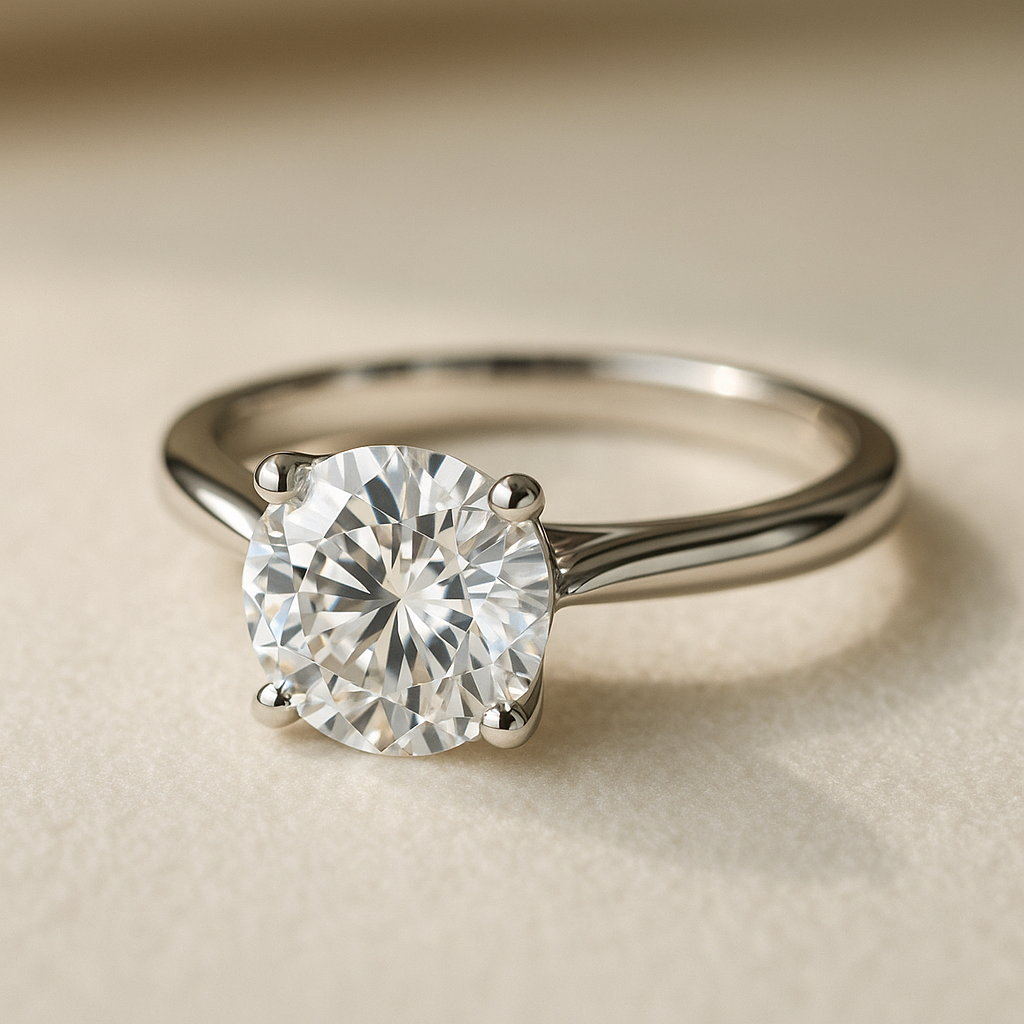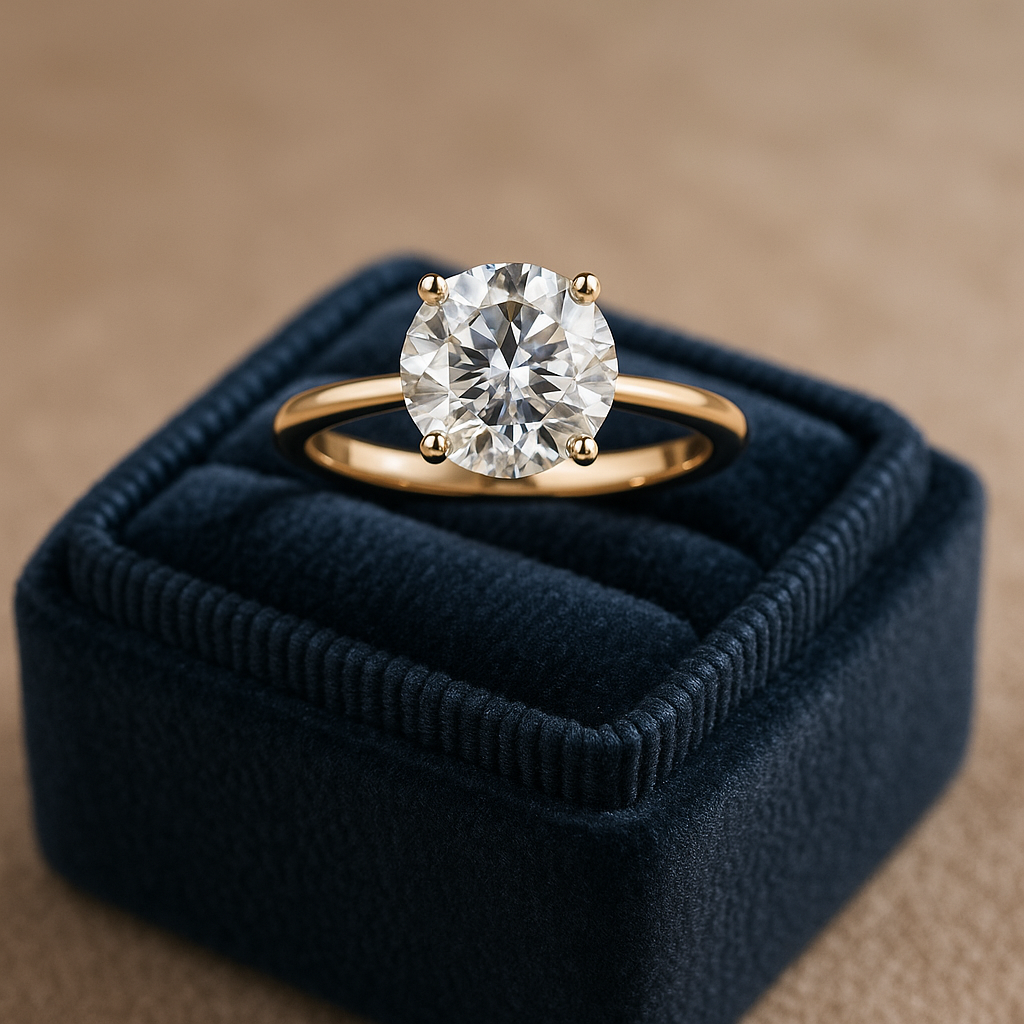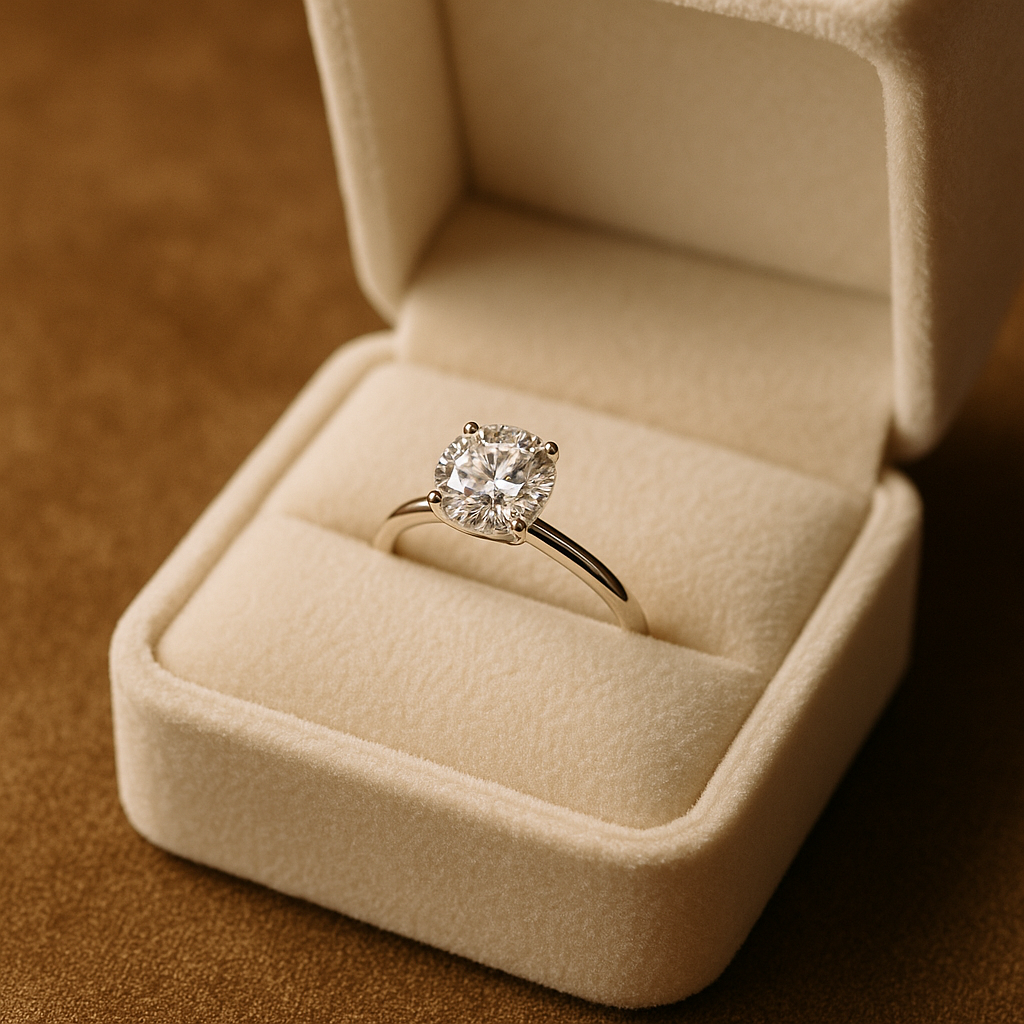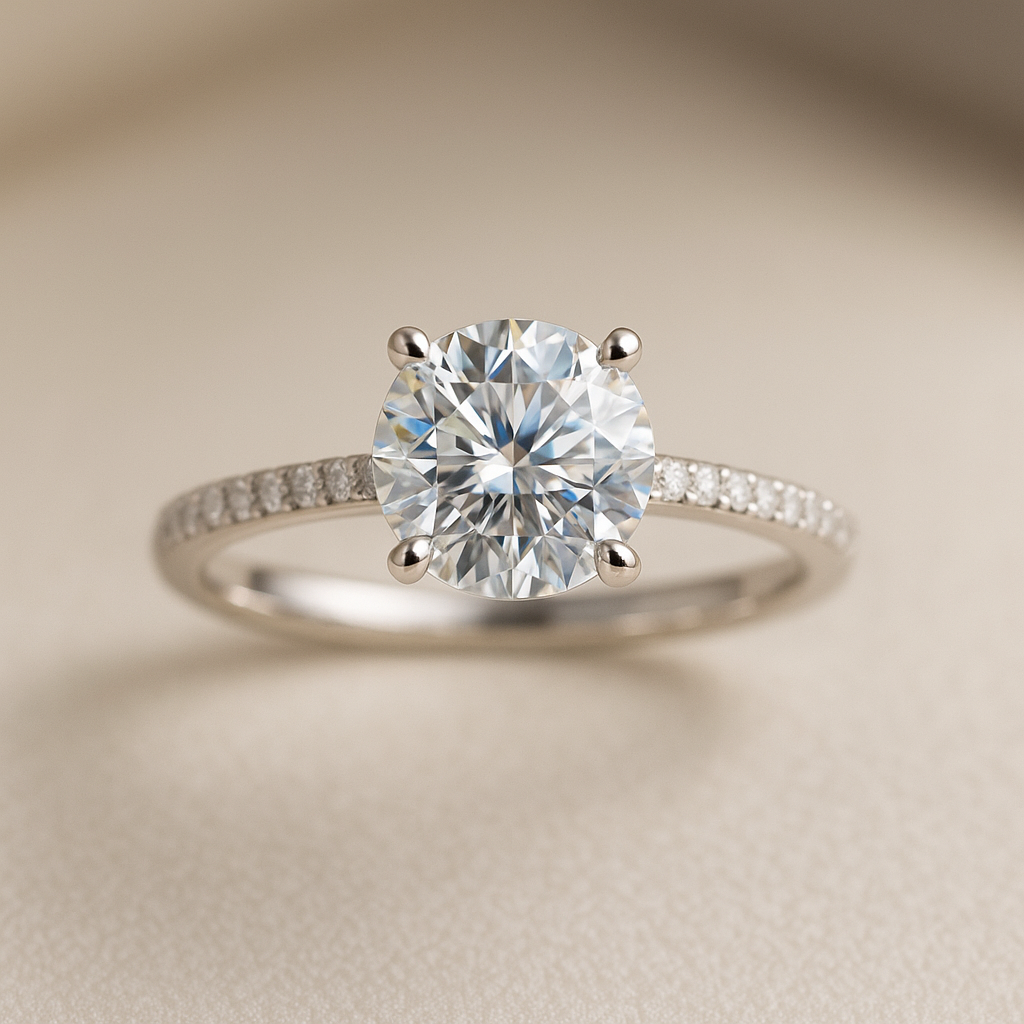

Understanding Lab-Grown Diamonds: The Future of Fine Jewelry
In recent years, lab-grown diamonds have emerged as a popular choice for engagement rings and fine jewelry, offering an ethical and affordable alternative to traditional mined diamonds. As consumers become more discerning about their purchases, understanding the differences between lab-grown and natural diamonds is essential. In this article, we will explore what lab-grown diamonds are, their benefits, and why they may be the right choice for you.
What Are Lab-Grown Diamonds?
Lab-grown diamonds, also known as synthetic or cultured diamonds, are created in controlled environments using advanced technology that replicates the natural diamond formation process. These diamonds are chemically, physically, and optically identical to mined diamonds. They are made of carbon atoms arranged in the same crystal structure, resulting in the same stunning appearance and brilliance.
The Process of Creating Lab-Grown Diamonds
There are two primary methods for producing lab-grown diamonds: High Pressure-High Temperature (HPHT) and Chemical Vapor Deposition (CVD). Both methods yield high-quality diamonds, but they differ in their processes.
High Pressure-High Temperature (HPHT)
The HPHT method simulates the extreme conditions under which natural diamonds form. A small diamond seed is placed in a chamber with carbon and subjected to intense heat and pressure. This process can take several weeks, resulting in a diamond that mirrors the characteristics of its natural counterparts.
Chemical Vapor Deposition (CVD)
The CVD process involves placing a diamond seed in a chamber filled with carbon-rich gases. These gases are heated until they break down, allowing carbon atoms to deposit onto the seed and form a diamond. This method allows for greater control over the diamond’s characteristics, including its color and clarity.
Benefits of Lab-Grown Diamonds
Choosing a lab-grown diamond comes with numerous advantages:
- Affordability: Lab-grown diamonds typically cost 20-40% less than natural diamonds. This price difference can allow you to afford a larger stone or invest in additional features, such as a more intricate setting.
- Ethical Considerations: Lab-grown diamonds are free from the ethical concerns associated with mined diamonds, such as child labor and environmental degradation. By choosing a lab-grown diamond, you can feel confident that your purchase supports sustainable practices.
- Quality and Variety: Lab-grown diamonds can be produced with specific qualities in mind. This allows consumers to find diamonds with optimal color and clarity that may be rare in natural stones.
- Transparency: Most reputable lab-grown diamond manufacturers provide clear information about the diamond’s origin and quality. This transparency is essential for consumers who want to make informed decisions.
Lab-Grown Diamonds vs. Natural Diamonds: Making the Choice
While both lab-grown and natural diamonds have their merits, the choice ultimately depends on personal preferences and values. Here are some key comparisons to consider:
Cost
As mentioned earlier, lab-grown diamonds are generally more affordable than natural diamonds. This means you can get more for your money, whether that’s a larger diamond or a more intricate setting.
Environmental Impact
Mining natural diamonds can have significant environmental consequences, including habitat destruction and carbon emissions. In contrast, lab-grown diamonds are produced in a controlled environment with a significantly lower environmental footprint.
Emotional Connection
Some consumers feel a stronger emotional connection to natural diamonds, viewing them as a symbol of nature’s beauty and rarity. On the other hand, lab-grown diamonds can represent modern innovation and conscious consumerism.
FAQs About Lab-Grown Diamonds
1. Are lab-grown diamonds real diamonds?
Yes, lab-grown diamonds are real diamonds. They have the same physical, chemical, and optical properties as mined diamonds.
2. Do lab-grown diamonds sparkle like natural diamonds?
Absolutely! Lab-grown diamonds exhibit the same brilliance and sparkle as natural diamonds, making them visually indistinguishable to the naked eye.
3. How can I tell if a diamond is lab-grown or natural?
While they are nearly identical, lab-grown diamonds often come with certification from reputable gemological laboratories that indicate their origin. These certifications can help you verify whether a diamond is lab-grown or natural.
4. Will lab-grown diamonds retain their value?
Lab-grown diamonds tend to depreciate at a different rate than natural diamonds. While they may not hold the same long-term value as natural diamonds, they are gaining acceptance in the market, and their value is expected to stabilize over time.
5. Can lab-grown diamonds be engraved or treated like natural diamonds?
Yes, lab-grown diamonds can be treated and engraved just like natural diamonds. They can be set in various types of jewelry, from rings to necklaces.
Conclusion: A Bright Future with Lab-Grown Diamonds
As the jewelry industry evolves, lab-grown diamonds are quickly becoming a go-to choice for ethically conscious consumers. With their affordability, quality, and ethical production, lab-grown diamonds offer numerous benefits for engagement rings and fine jewelry. By understanding the differences between lab-grown and natural diamonds, you can make an informed decision that aligns with your values and budget. At Celebrity Diamonds, we provide a range of stunning lab-grown diamond options, ensuring that you find the perfect piece for your special moment.