Understanding Lab-Grown Diamonds: A Comprehensive Guide
As consumers become more informed about their buying choices, lab-grown diamonds have emerged as a popular alternative to natural diamonds. This article dives deep into the world of lab-grown diamonds, exploring their characteristics, benefits, and how they compare to traditional diamonds.
What Are Lab-Grown Diamonds?
Lab-grown diamonds, also known as synthetic or cultured diamonds, are created using advanced technology that simulates the natural processes that form diamonds beneath the Earth’s surface. These diamonds possess the same chemical and physical properties as natural diamonds, making them indistinguishable to the naked eye.
There are two main methods for creating lab-grown diamonds:
- High Pressure High Temperature (HPHT): This method imitates the natural conditions under which diamonds form.
- Chemical Vapor Deposition (CVD): This technique involves using carbon-rich gases that are deposited onto a substrate, ultimately forming diamond crystals.
Benefits of Choosing Lab-Grown Diamonds
Choosing a lab-grown diamond offers numerous advantages:
- Affordability: Lab-grown diamonds are typically 20-40% less expensive than their natural counterparts, allowing consumers to purchase larger or higher-quality stones.
- Ethical Considerations: Many consumers are concerned about the ethics surrounding diamond mining, including human rights issues and environmental impact. Lab-grown diamonds are considered a more sustainable and ethical option.
- Quality and Variety: Lab-grown diamonds come in various shapes, sizes, and colors, often with fewer impurities than natural diamonds, leading to higher clarity and brilliance.
- Transparency: Purchasing lab-grown diamonds often provides more transparency concerning sourcing and production methods, which can be critical for consumers looking for ethically sourced gems.
How Do Lab-Grown Diamonds Compare to Natural Diamonds?
When comparing lab-grown diamonds to natural diamonds, several factors come into play:
1. Composition
Both lab-grown and natural diamonds are composed of carbon atoms arranged in a crystal structure, giving them identical physical and chemical properties. They score a 10 on the Mohs scale of hardness, making them the hardest known natural material.
2. Value and Pricing
Lab-grown diamonds typically cost less than natural diamonds due to the ease of production and lower market demand. This price difference can be significant, allowing consumers to buy a larger or higher-quality diamond for the same budget.
3. Environmental Impact
The mining of natural diamonds can lead to significant environmental degradation. In contrast, lab-grown diamonds are produced in controlled settings that minimize environmental impact, making them a more sustainable choice.
4. Resale Value
Natural diamonds tend to hold or appreciate in value over time, primarily due to their rarity. Lab-grown diamonds, however, currently have a lower resale value due to their availability and market perception. As such, consumers should consider their long-term plans for the diamond when making a purchase.
Frequently Asked Questions (FAQ)
Are lab-grown diamonds real?
Yes, lab-grown diamonds are real diamonds. They have the same physical and chemical properties as natural diamonds and are graded using the same standards.
How can I tell if a diamond is lab-grown or natural?
While lab-grown diamonds are virtually indistinguishable from natural diamonds to the naked eye, gemological labs can identify the difference through advanced testing methods, including inclusions and growth patterns.
Do lab-grown diamonds have resale value?
Lab-grown diamonds generally have lower resale values compared to natural diamonds, as they are produced in large quantities. However, their appeal is growing, and the market may evolve.
Can I get a lab-grown diamond in any shape or size?
Yes, lab-grown diamonds come in various shapes, sizes, and colors, giving consumers a wide range of options to choose from.
Making the Right Choice for Your Engagement Ring
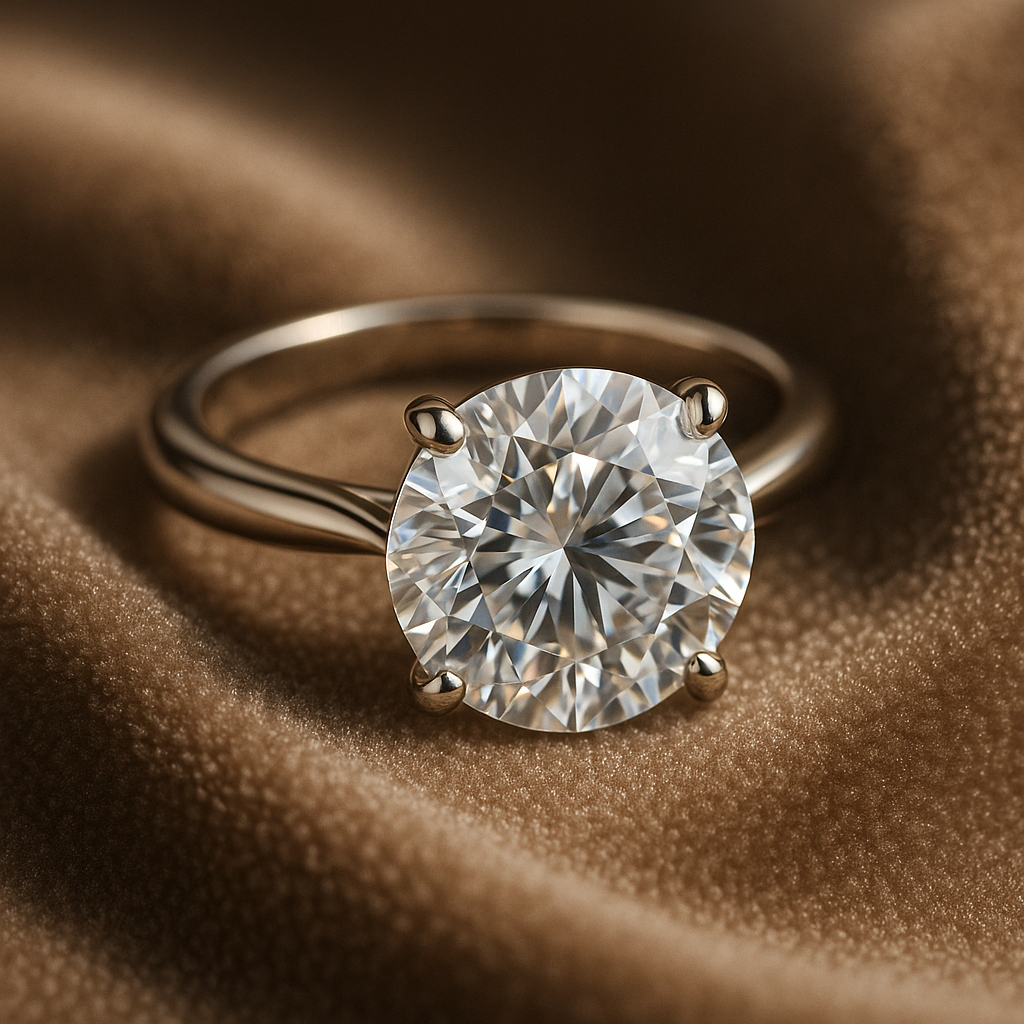
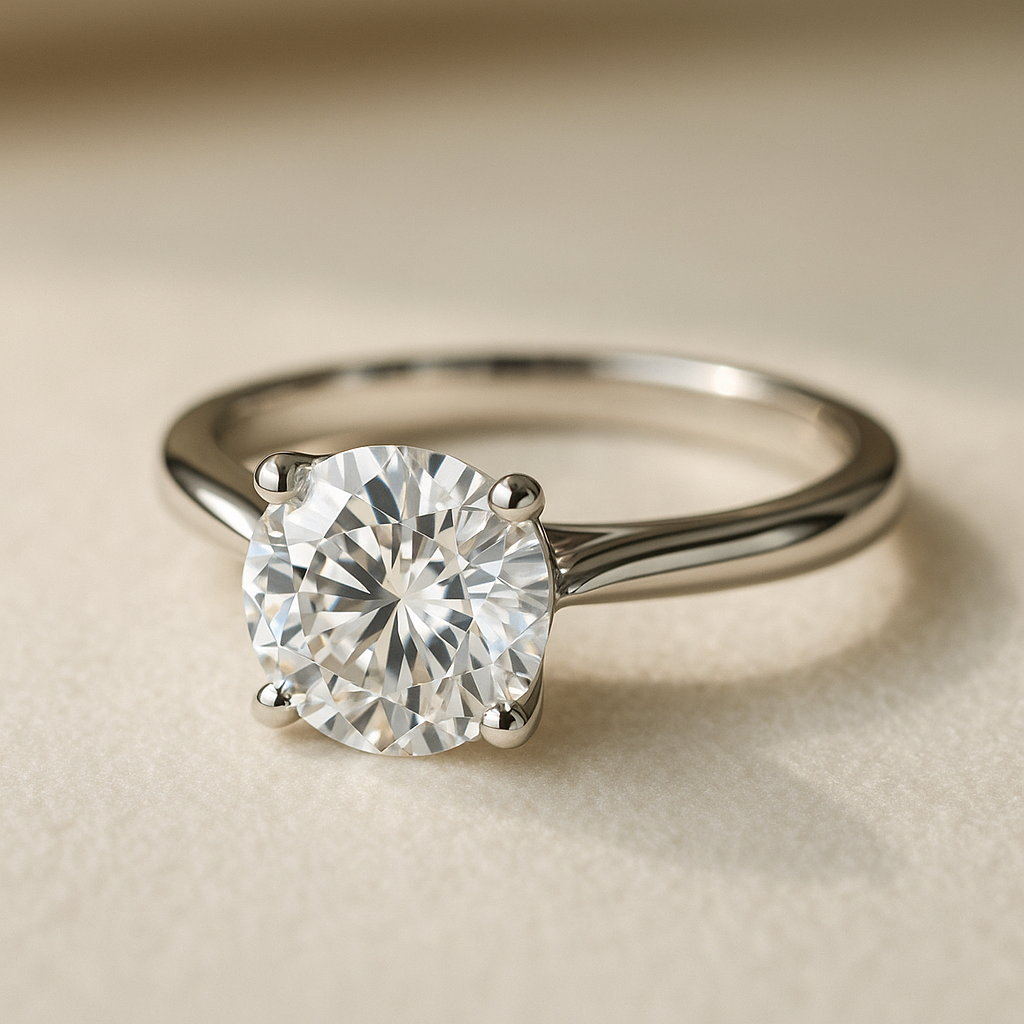
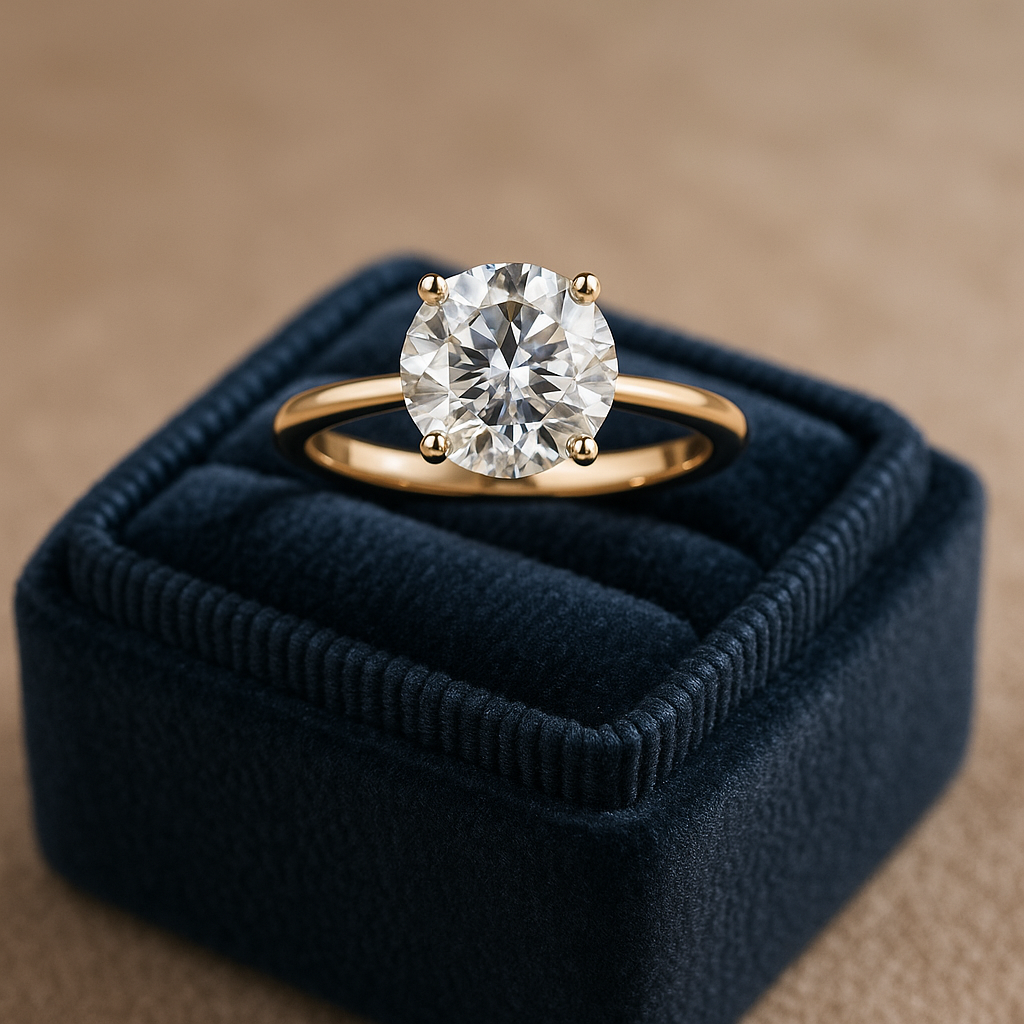
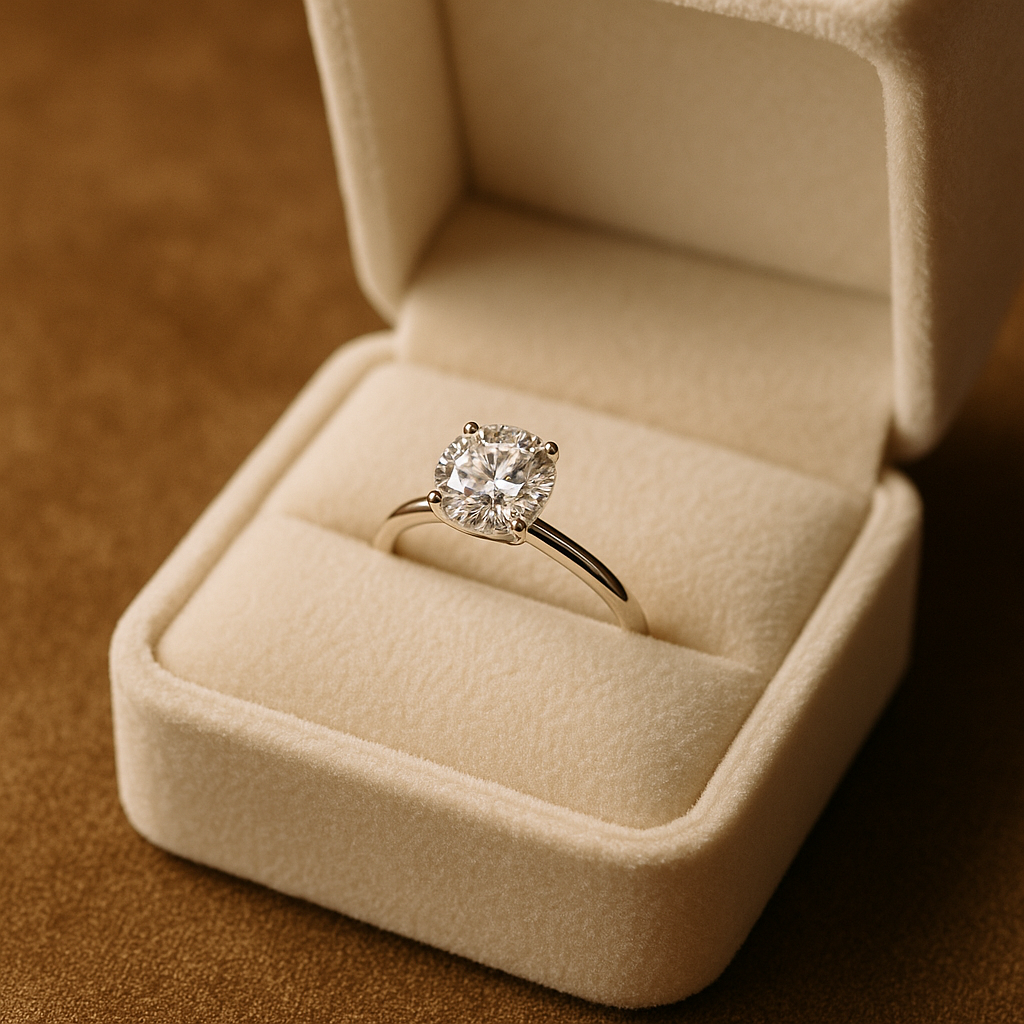
Ultimately, the choice between a lab-grown diamond and a natural diamond will depend on your personal preferences, values, and budget. If you prioritize sustainability, affordability, and ethical sourcing, a lab-grown diamond may be the right choice for you. However, if you are looking for rarity and potential long-term value, a natural diamond might be more appealing.
At Celebrity Diamonds, we offer a stunning selection of both lab-grown and natural diamonds, ensuring that you find the perfect ring to celebrate your love story. Our expert team is here to help you navigate your options and make an informed choice that aligns with your vision for your engagement ring.
Conclusion
As the jewelry industry continues to evolve, lab-grown diamonds are becoming an increasingly popular choice among consumers. With their affordability, ethical benefits, and stunning beauty, they offer a compelling alternative to natural diamonds. Regardless of your choice, what matters most is finding the perfect symbol of love that resonates with your personal values and style.