
Understanding Lab-Grown Diamonds: A Comprehensive Guide
In the world of fine jewelry, diamonds have always held a prestigious status. Recently, lab-grown diamonds have emerged as a prominent alternative, captivating consumers who seek ethical, sustainable, and modern options for their engagement rings and fine jewelry. At Celebrity Diamonds, we aim to educate our readers on the significance of lab-grown diamonds, how they compare to natural diamonds, and why they might be the perfect choice for your next jewelry purchase.
What Are Lab-Grown Diamonds?
Lab-grown diamonds, also known as synthetic or cultured diamonds, are created using advanced technological processes that replicate the natural conditions under which diamonds form in the Earth. These processes, namely High Pressure High Temperature (HPHT) and Chemical Vapor Deposition (CVD), allow for the production of diamonds that are chemically, physically, and optically identical to their natural counterparts.
The Process of Creating Lab-Grown Diamonds
To better understand lab-grown diamonds, it’s essential to explore the two primary methods used in their creation:
- High Pressure High Temperature (HPHT): This method simulates the extreme heat and pressure conditions found deep within the Earth. Carbon is subjected to intense pressure and temperature, resulting in the formation of diamonds over a controlled period.
- Chemical Vapor Deposition (CVD): CVD diamonds are produced by placing a diamond seed in a chamber filled with carbon-rich gas. The gas is heated, causing carbon atoms to settle on the seed, gradually forming a diamond layer.
Lab-Grown Diamonds vs. Natural Diamonds
When comparing lab-grown diamonds to natural diamonds, several key factors come into play:
1. Ethical Considerations
One of the most compelling reasons consumers choose lab-grown diamonds is their ethical implications. The natural diamond industry has faced scrutiny over issues such as conflict diamonds and unethical mining practices. Lab-grown diamonds, on the other hand, are produced in controlled environments, ensuring no harm to communities or the environment.
2. Environmental Impact
Lab-grown diamonds significantly reduce the ecological footprint associated with traditional diamond mining. The mining process often leads to land degradation and resource depletion. In contrast, lab-grown diamonds use less water and energy, making them a more sustainable choice.
3. Cost-Effectiveness
Lab-grown diamonds generally cost 20-40% less than natural diamonds of similar quality. This price difference allows consumers to purchase larger or higher-quality stones at a more accessible price point, making it easier for many to attain their dream engagement ring.
4. Authenticity and Quality
Both lab-grown and natural diamonds are graded based on the same criteria—cut, color, clarity, and carat weight. Lab-grown diamonds can achieve the same quality grades as natural diamonds, often providing an attractive option for those seeking top-tier gemstones.
5. Resale Value
Traditionally, natural diamonds have maintained higher resale value compared to lab-grown diamonds. However, this aspect is evolving as consumer perceptions shift and demand for lab-grown options increases. It’s essential to consider your priorities when investing in a diamond, whether for an engagement ring or other fine jewelry.
Why Choose Lab-Grown Diamonds for Engagement Rings?
Choosing a lab-grown diamond for an engagement ring presents several advantages:
- Ethical Choices: You can feel confident in your purchase, knowing it supports sustainable practices.
- Wider Variety: The growing popularity of lab-grown diamonds has led to an expanded selection of shapes, colors, and sizes.
- Customization: Many jewelers, like Celebrity Diamonds, offer customization options with lab-grown diamonds, allowing you to create a piece that perfectly fits your partner’s style.
Frequently Asked Questions (FAQ)
Are lab-grown diamonds real diamonds?
Yes, lab-grown diamonds are real diamonds. They share the same chemical composition, physical properties, and optical characteristics as natural diamonds, making them indistinguishable without specialized equipment.
How can I tell if a diamond is lab-grown or natural?
To determine whether a diamond is lab-grown or natural, you can consult with a certified gemologist or look for grading reports from reputable laboratories. These reports will indicate the origin of the diamond.
Do lab-grown diamonds appreciate in value?
While lab-grown diamonds typically do not appreciate in value like natural diamonds, their demand is steadily increasing, which may influence their resale potential in the future.
Can I find unique designs with lab-grown diamonds?
Absolutely! Many jewelers offer a wide range of settings and designs that pair beautifully with lab-grown diamonds, allowing for unique and personalized jewelry pieces.
Are lab-grown diamonds a good choice for engagement rings?
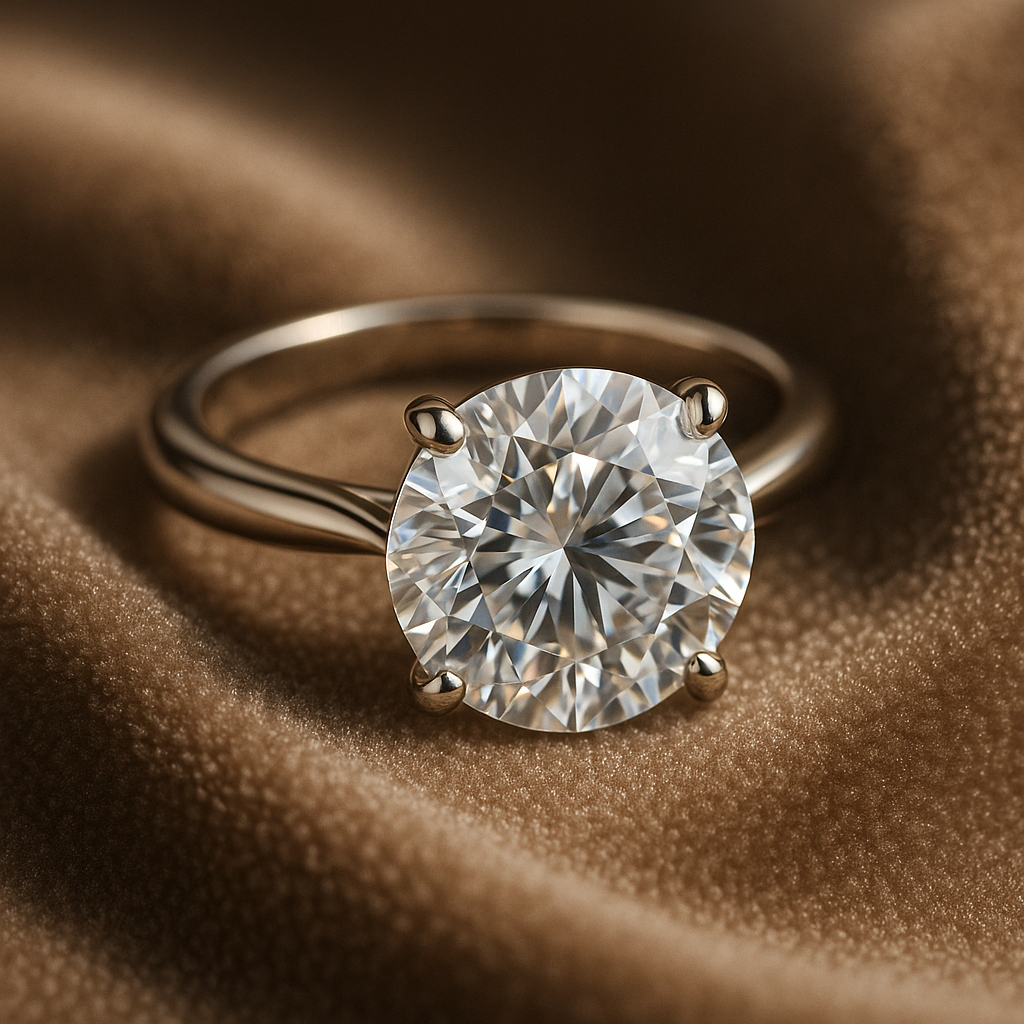
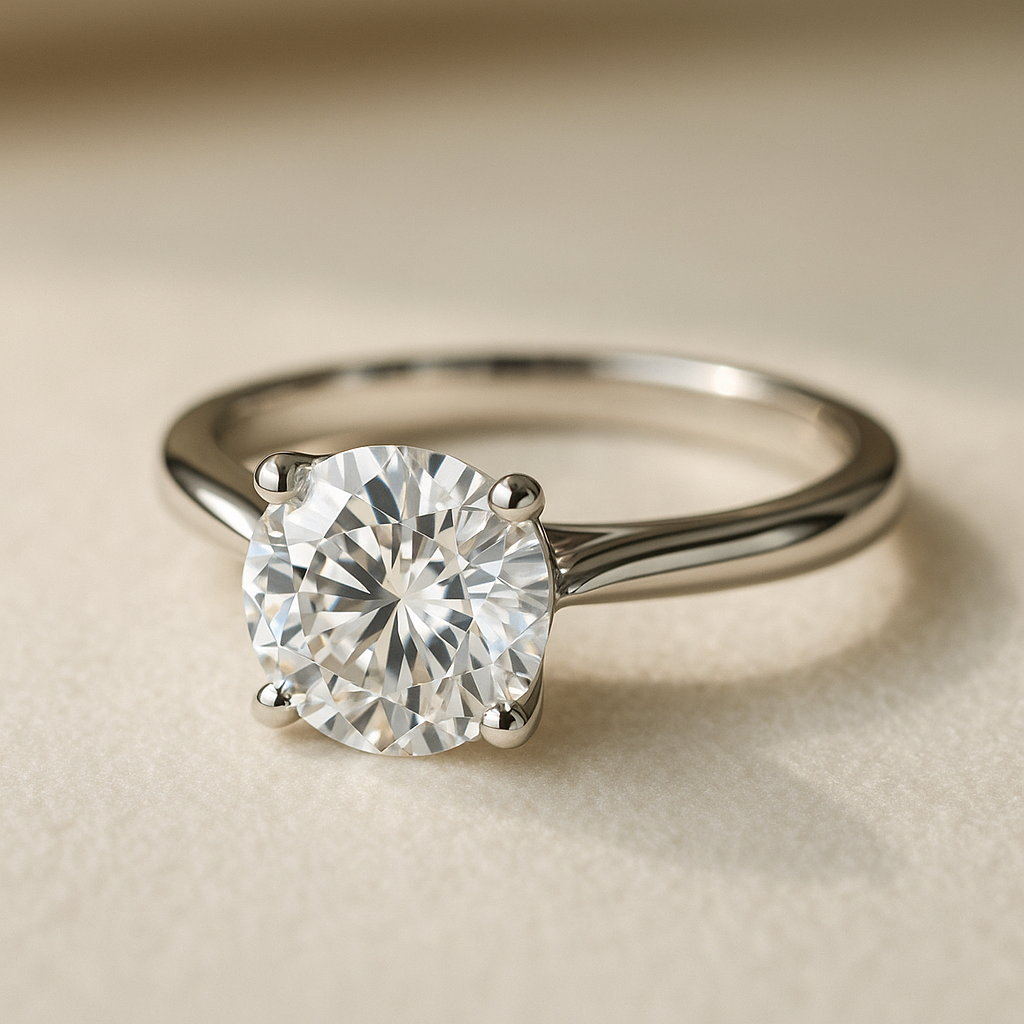
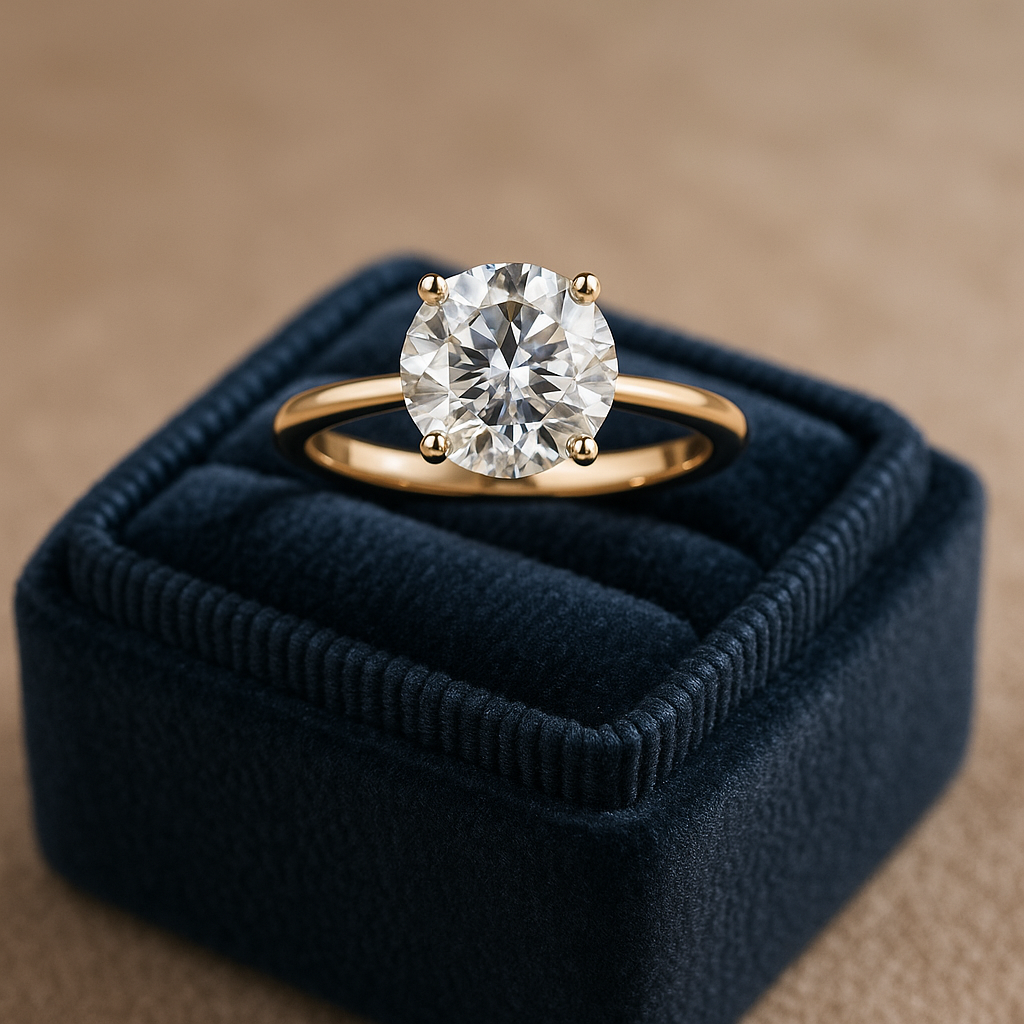
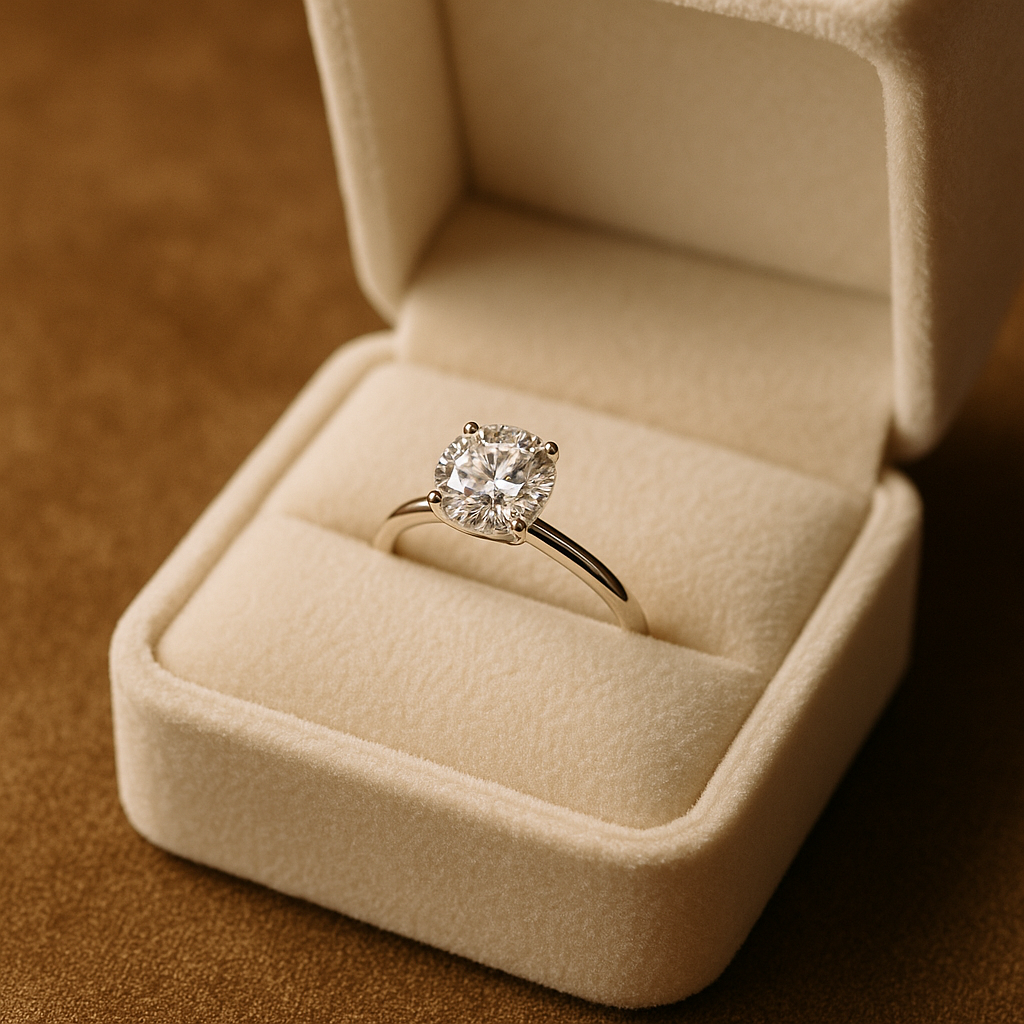
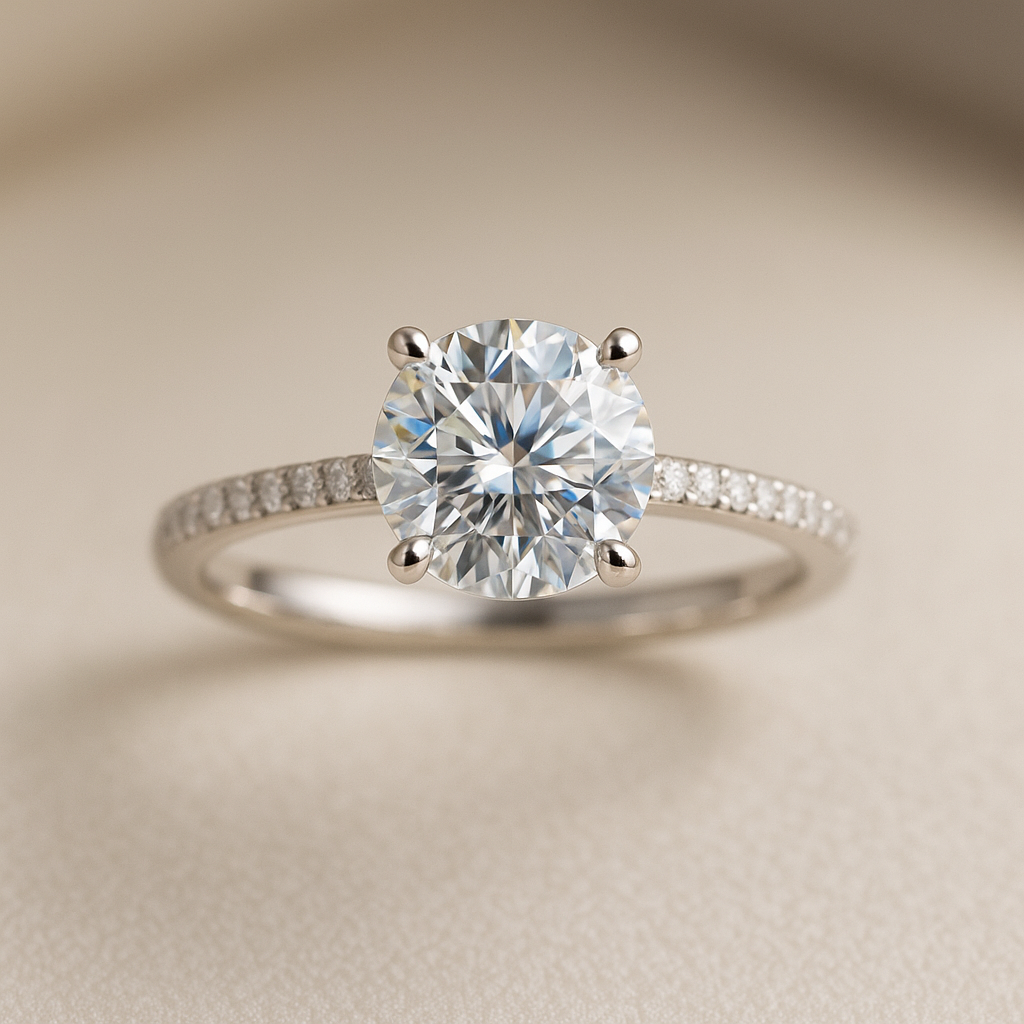
Lab-grown diamonds are an excellent choice for engagement rings due to their ethical production, cost-effectiveness, and high quality. They allow couples to select a beautiful stone that aligns with their values.
Conclusion
Lab-grown diamonds represent a remarkable evolution in the diamond industry, offering consumers a sustainable, ethical, and cost-effective alternative to natural diamonds. At Celebrity Diamonds, we believe in empowering our customers with knowledge, helping you make informed decisions that reflect your values and desires. Whether you choose a lab-grown diamond or a natural one, the most important thing is that your choice resonates with you and your partner’s unique love story.