Understanding Lab-Grown Diamonds: The Modern Choice for Engagement Rings
In the world of fine jewelry, engagement rings are often seen as a sacred symbol of love and commitment. As consumers become increasingly discerning, many are exploring the option of lab-grown diamonds as a viable alternative to traditional mined diamonds. This comprehensive guide aims to illuminate the key aspects of lab-grown diamonds, helping you make an informed decision as you embark on your journey to find the perfect engagement ring.
What Are Lab-Grown Diamonds?
Lab-grown diamonds, also known as synthetic or cultured diamonds, are gemstones created in controlled laboratory environments using advanced technological processes that mimic the natural conditions under which diamonds form in the earth. These diamonds possess the same physical, chemical, and optical properties as their natural counterparts, making them indistinguishable to the naked eye.
The Process of Creating Lab-Grown Diamonds
There are two primary methods for producing lab-grown diamonds: High Pressure High Temperature (HPHT) and Chemical Vapor Deposition (CVD).
High Pressure High Temperature (HPHT)
The HPHT method replicates the natural diamond-growing conditions found deep within the earth. Carbon is subjected to extreme temperatures and pressures to crystallize into diamond form. This method is often used to create larger stones and can yield various unique colors.
Chemical Vapor Deposition (CVD)
The CVD method involves a more refined process where a carbon-rich gas is introduced into a vacuum chamber. This gas then breaks down, allowing carbon atoms to deposit onto a substrate, gradually forming a diamond. CVD diamonds tend to be purer and often have fewer inclusions.
Why Choose Lab-Grown Diamonds?
There are several compelling reasons why consumers might choose lab-grown diamonds over natural ones:
- Ethical Considerations: Lab-grown diamonds are conflict-free and do not contribute to the ethical concerns associated with traditional diamond mining.
- Affordability: Lab-grown diamonds are typically 20-40% less expensive than their mined counterparts, allowing consumers to get a larger or higher-quality stone for their budget.
- Environmental Impact: The environmental footprint of lab-grown diamonds is significantly lower than that of mined diamonds, as mining can lead to habitat destruction and pollution.
- Quality and Variety: Lab-grown diamonds can be produced with fewer impurities, resulting in higher-quality stones. Additionally, they come in a range of colors and sizes, allowing for greater customization.
Lab-Grown vs. Natural Diamonds: A Comparison
When comparing lab-grown diamonds to natural diamonds, it’s crucial to understand the differences and similarities in various aspects:
1. Appearance
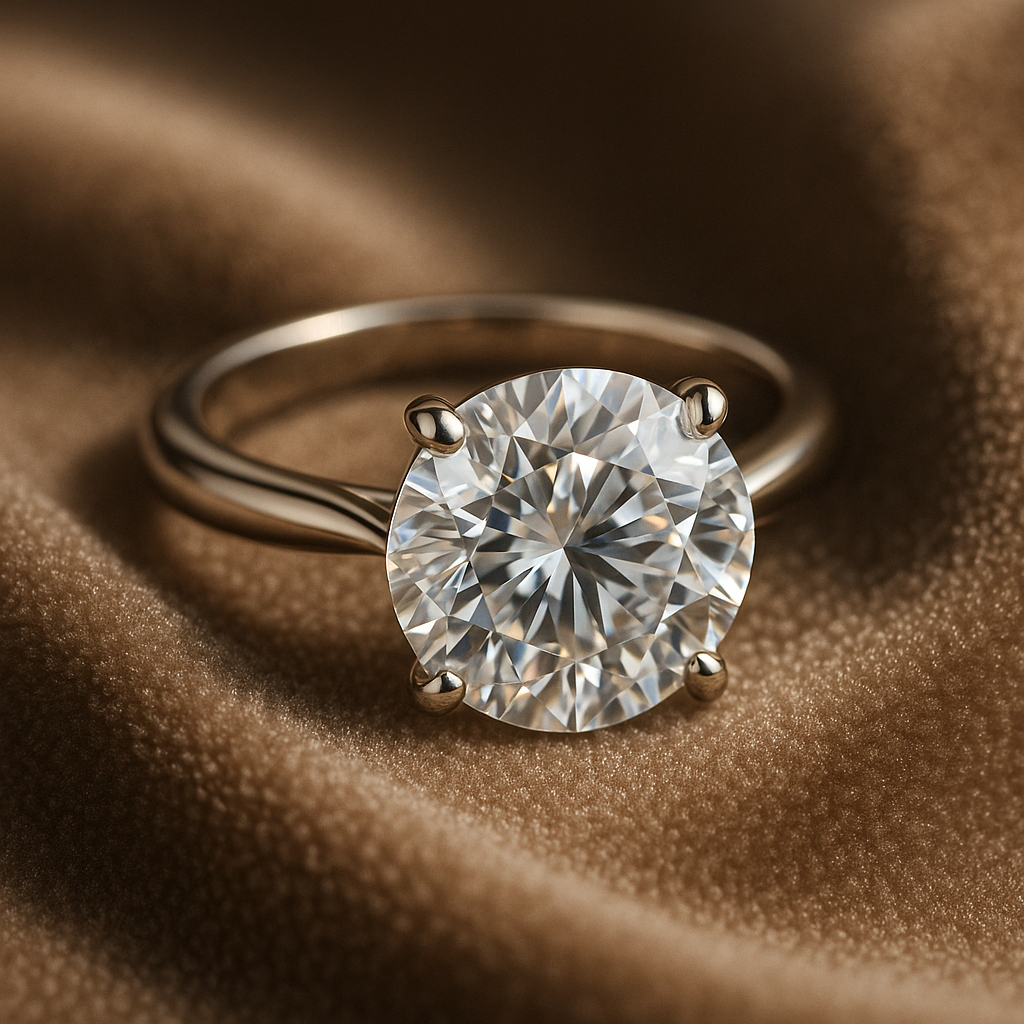
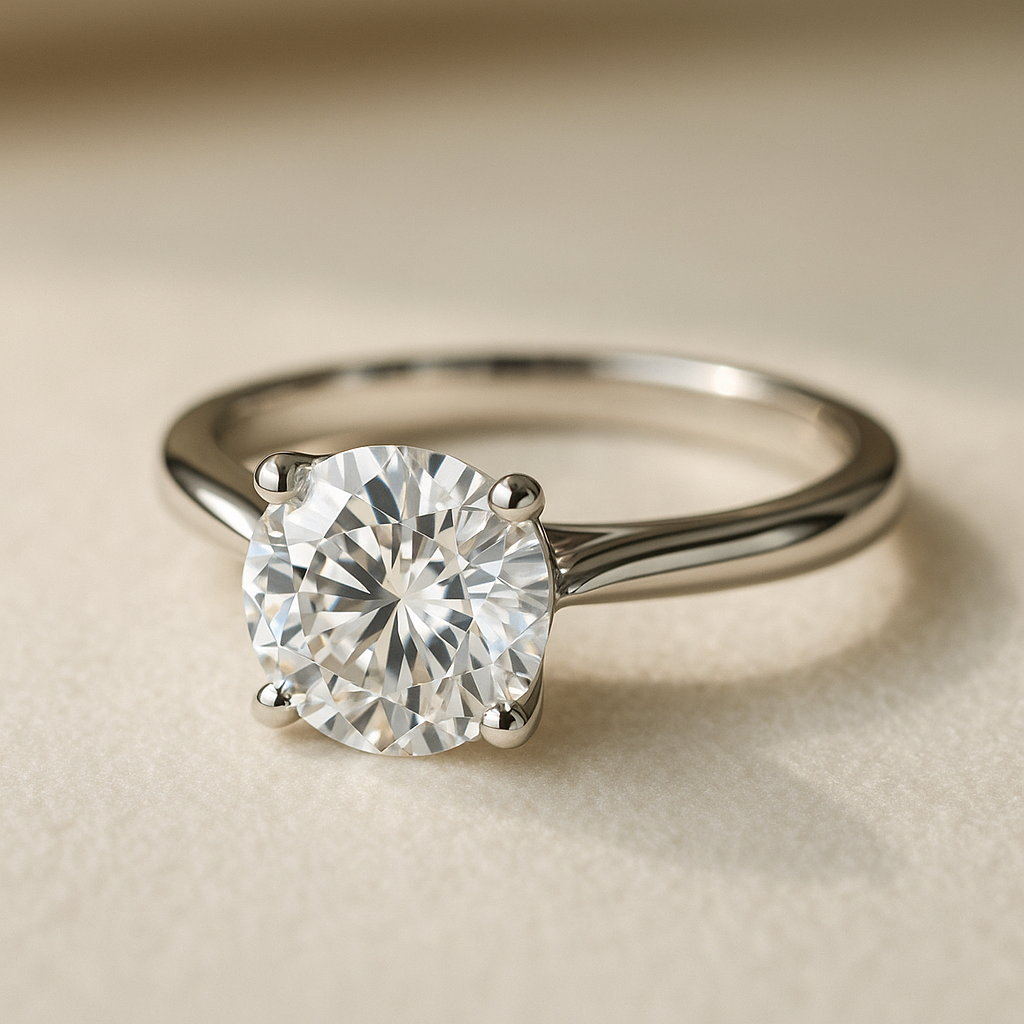
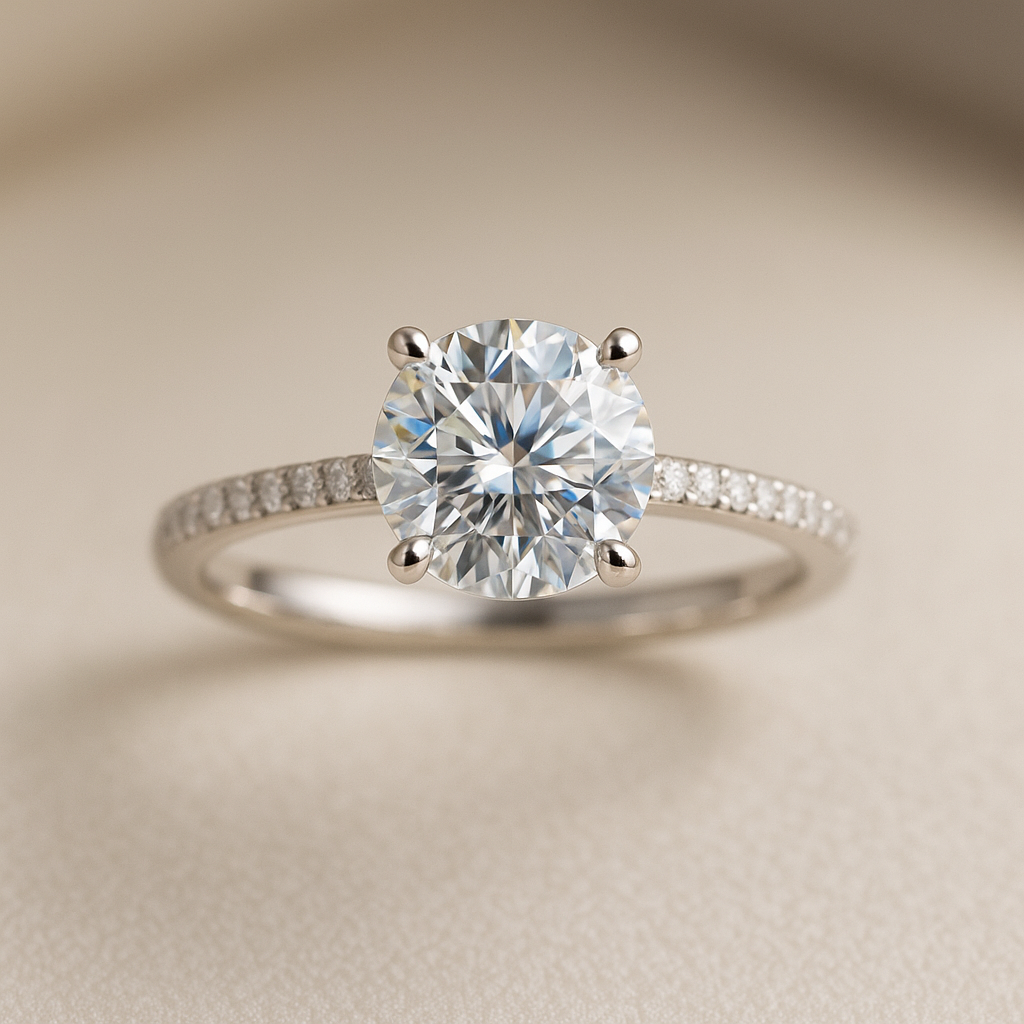
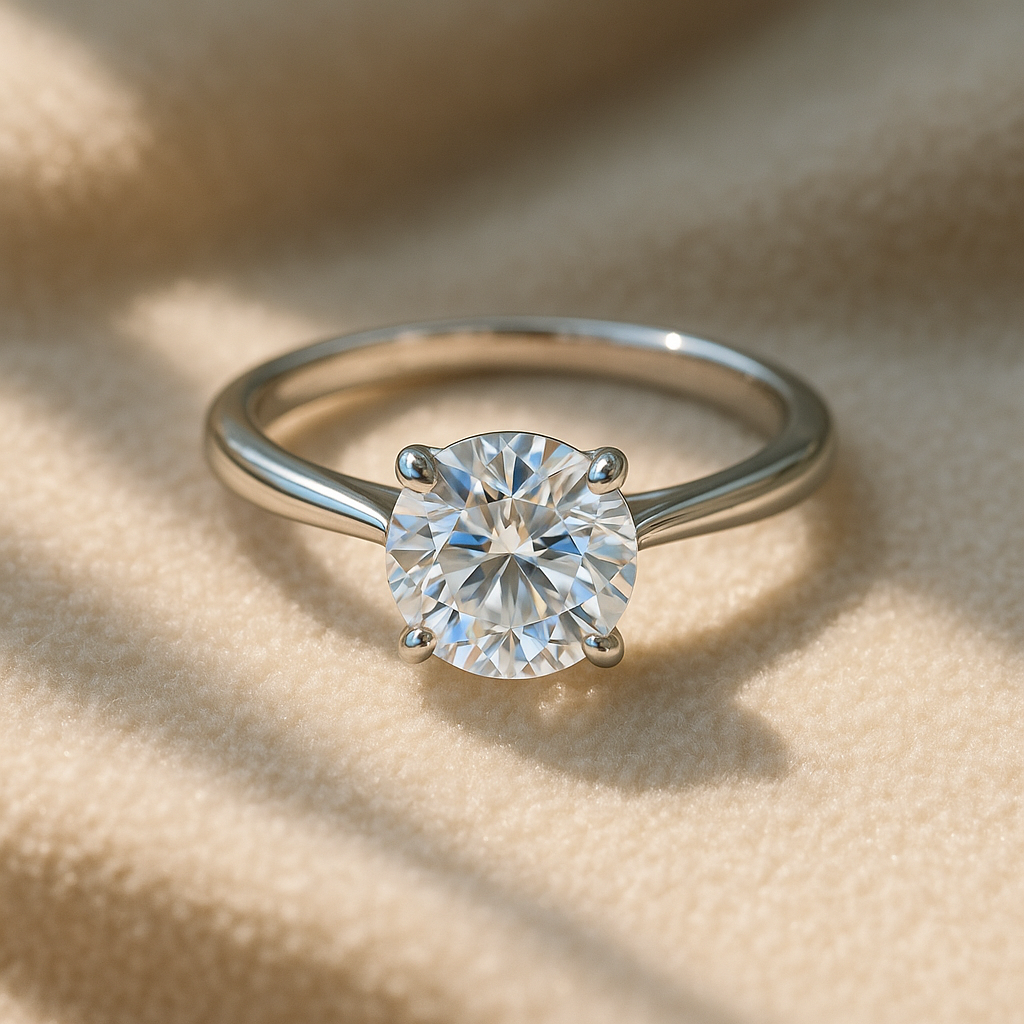
Both lab-grown and natural diamonds look identical to the naked eye. They share the same brilliance, fire, and scintillation, making it challenging for even gemologists to distinguish them without specialized equipment.
2. Certification
Both types of diamonds can be certified by reputable gemological laboratories, offering insights into their quality based on the 4Cs: Carat, Cut, Color, and Clarity. Ensure that whether you choose a lab-grown or natural diamond, it comes with a credible certification.
3. Resale Value
Natural diamonds tend to hold their value over time, while lab-grown diamonds may depreciate in value. However, the market for lab-grown diamonds is steadily growing as they gain popularity.
4. Availability
Lab-grown diamonds are often more readily available in a wider range of sizes and colors due to the controlled manufacturing process.
Addressing Common Misconceptions
Myth 1: Lab-Grown Diamonds Aren’t “Real” Diamonds
This common misconception arises from a misunderstanding of what defines a diamond. Both lab-grown and natural diamonds are composed of carbon atoms arranged in a crystal structure. Therefore, lab-grown diamonds are indeed real diamonds.
Myth 2: Lab-Grown Diamonds Are Inferior
In terms of quality, lab-grown diamonds can be superior, as they can be engineered to have fewer inclusions and better color than many mined diamonds. They offer the same durability and brilliance.
Frequently Asked Questions
1. How can I tell if a diamond is lab-grown or natural?
The best way to determine the origin of a diamond is through a certification report from a reputable gemological lab, such as GIA or IGI. They will specify whether the diamond is lab-grown or natural.
2. Will my lab-grown diamond appreciate in value?
While natural diamonds may appreciate over time, lab-grown diamonds currently have a more stable but lower resale market. However, their growing popularity may change this in the future.
3. Are lab-grown diamonds environmentally friendly?
Yes, lab-grown diamonds have a significantly lower environmental impact compared to mined diamonds, as they do not involve habitat destruction or large-scale land disruption.
4. What should I consider when choosing an engagement ring?
Consider the 4Cs (Carat, Cut, Color, Clarity), your budget, the recipient’s personal style, and ethical considerations. Lab-grown diamonds allow for more flexibility in these aspects.
Conclusion
As you explore engagement ring options, lab-grown diamonds present a modern, ethical, and often more affordable choice without compromising quality or beauty. By understanding the characteristics of lab-grown diamonds and comparing them to natural diamonds, you can confidently select a gemstone that aligns with your values and desires. At Celebrity Diamonds, we proudly offer a stunning selection of both lab-grown and natural diamonds to meet the diverse needs of our customers.