The Rise of Lab-Grown Diamonds: A Smart Choice for Engagement Rings
As you embark on the journey of finding the perfect engagement ring, it’s essential to consider all options available. One choice that has gained significant traction in recent years is lab-grown diamonds. This article delves into the intricacies of lab-grown diamonds, contrasting them with natural diamonds, and highlighting their benefits and considerations for consumers.
Understanding Lab-Grown Diamonds
Lab-grown diamonds, also known as synthetic diamonds or cultured diamonds, are created in controlled environments using advanced technological processes. Unlike natural diamonds, which form over billions of years under the Earth’s surface, lab-grown diamonds can be produced in a matter of weeks.
The two primary methods for creating lab-grown diamonds are High Pressure High Temperature (HPHT) and Chemical Vapor Deposition (CVD). Both methods yield diamonds that are chemically, physically, and optically identical to natural diamonds.
Lab-Grown Diamonds vs. Natural Diamonds
When comparing lab-grown diamonds to natural diamonds, there are several factors to consider, including cost, environmental impact, and ethical concerns.
1. Cost-Effectiveness
One of the most attractive aspects of lab-grown diamonds is their cost. Generally, they are priced 20-40% lower than their natural counterparts, allowing consumers to purchase a larger or higher-quality stone for the same budget. This price difference stems from the fact that lab-grown diamonds can be produced in larger quantities, reducing their rarity and increasing accessibility.
2. Environmental Considerations
Environmental concerns are at the forefront of many consumers’ minds today. The diamond mining process often involves significant ecological disruption, including habitat destruction and a high carbon footprint. In contrast, lab-grown diamonds are produced with a much smaller environmental impact, making them a sustainable choice for eco-conscious shoppers.
3. Ethical Sourcing
Many consumers are increasingly concerned about the ethical implications of their purchases, especially regarding conflict diamonds. Lab-grown diamonds eliminate the risk of supporting unethical mining practices, ensuring that your engagement ring is a symbol of love without the burden of guilt.
Potential Drawbacks
While lab-grown diamonds have numerous benefits, there are some considerations to keep in mind:
1. Resale Value
Lab-grown diamonds typically have a lower resale value compared to natural diamonds. While this may not be a concern for those purchasing for sentimental reasons, it is an important factor to consider if you plan to sell or upgrade your ring in the future.
2. Market Perception
Some consumers still perceive natural diamonds as more desirable due to their rarity and the traditional narrative attached to them. While this perception is changing, it’s worth noting that some people may still prefer the status associated with natural diamonds.
Choosing the Right Lab-Grown Diamond
When selecting a lab-grown diamond, consider the same factors as you would with a natural diamond: the 4Cs (Cut, Color, Clarity, and Carat weight). Here’s a brief overview of each:
1. Cut
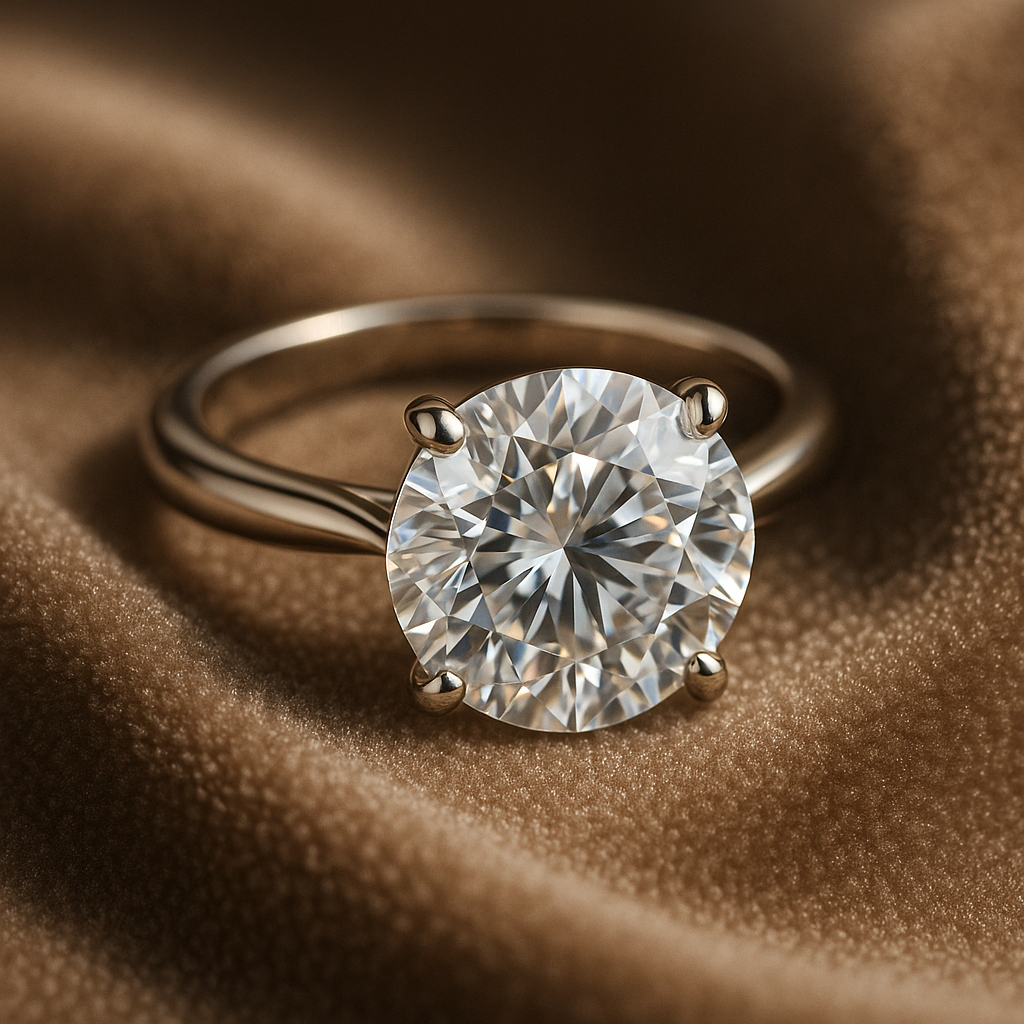
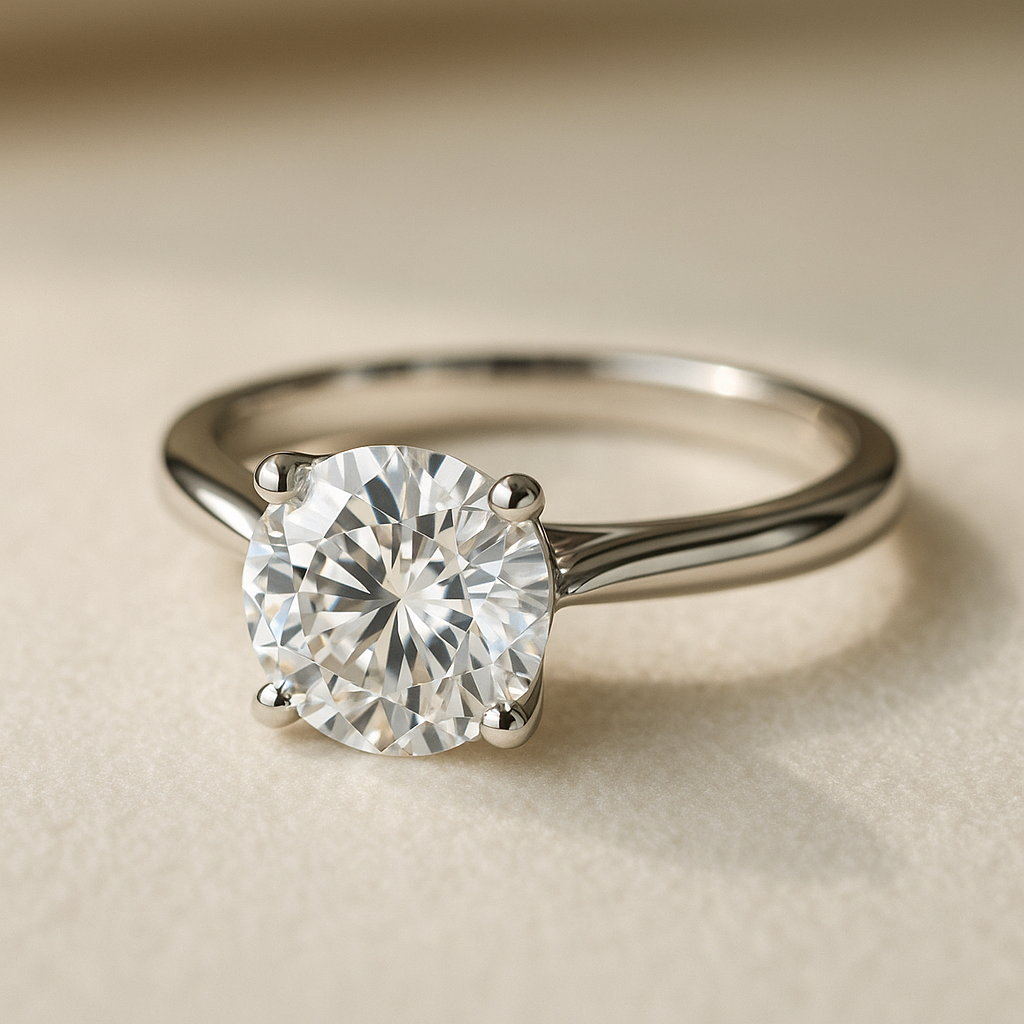
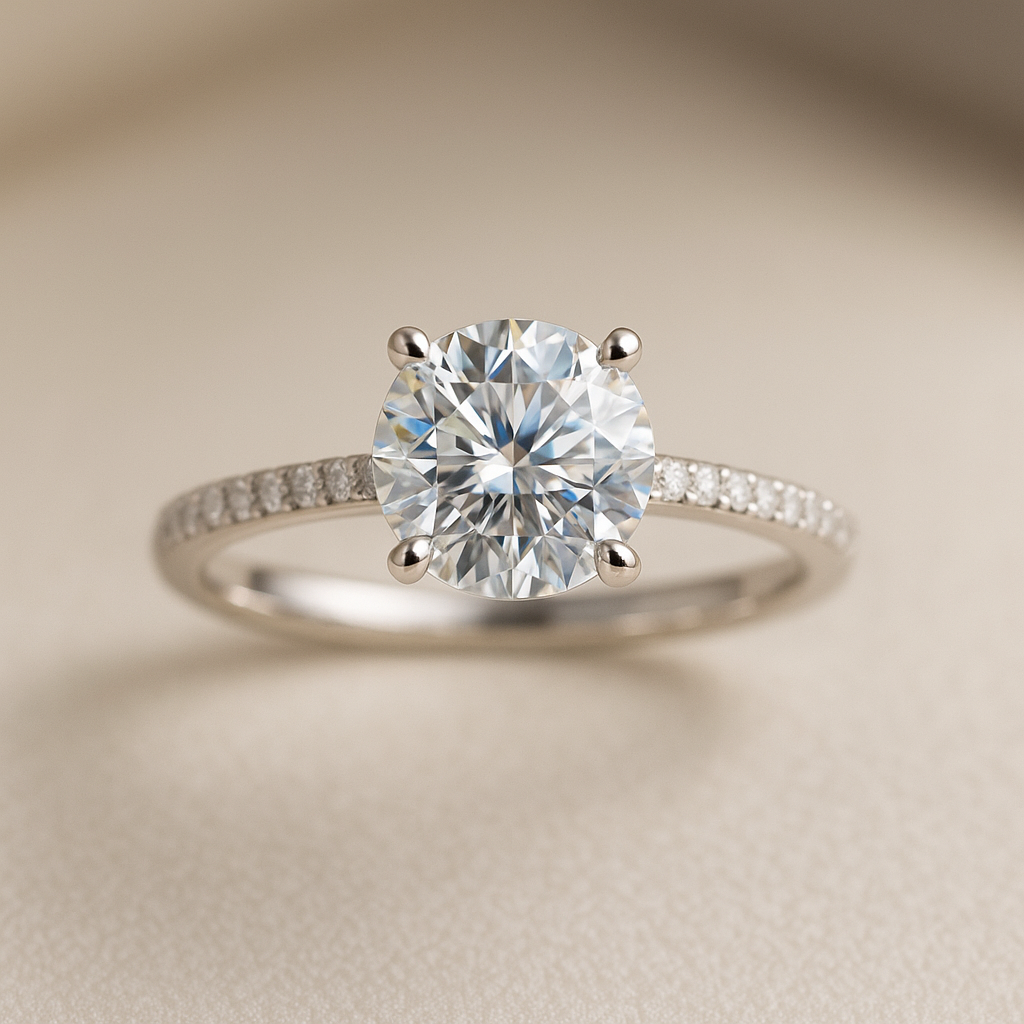
The cut of a diamond greatly influences its brilliance and sparkle. A well-cut diamond reflects light beautifully, enhancing its overall appearance.
2. Color
Lab-grown diamonds are available in various colors, from colorless to shades of yellow and brown. The less color a diamond has, the more valuable it generally is.
3. Clarity
Clarity refers to the presence of internal flaws or inclusions. Lab-grown diamonds often have fewer inclusions than natural diamonds, making them an excellent choice for those seeking perfection.
4. Carat Weight
Carat weight signifies the size of the diamond. With the cost savings associated with lab-grown diamonds, many shoppers choose to prioritize size without sacrificing quality.
The Future of Lab-Grown Diamonds
The market for lab-grown diamonds is expected to continue growing, with more consumers recognizing their value and benefits. As technology advances and production methods improve, the quality of lab-grown diamonds is likely to become even more refined.
Frequently Asked Questions (FAQ)
1. Are lab-grown diamonds real diamonds?
Yes, lab-grown diamonds are real diamonds. They possess the same physical and chemical properties as natural diamonds.
2. How do I know if a diamond is lab-grown?
Lab-grown diamonds are usually graded and certified by reputable gemological laboratories, which will indicate whether the diamond is natural or lab-grown.
3. Can lab-grown diamonds be passed down through generations?
Absolutely! Lab-grown diamonds are durable and can be cherished for generations, just like natural diamonds.
4. What is the price difference between lab-grown and natural diamonds?
Lab-grown diamonds are typically 20-40% less expensive than natural diamonds, making them a budget-friendly option for consumers.
Conclusion
Lab-grown diamonds represent a modern choice for engagement rings and fine jewelry, combining beauty, ethics, and affordability. As consumers become more informed about their options, lab-grown diamonds will likely play an increasingly prominent role in the jewelry market. Whether driven by budget, values, or personal preference, choosing a lab-grown diamond can be a rewarding experience that aligns with your ideals and desires.