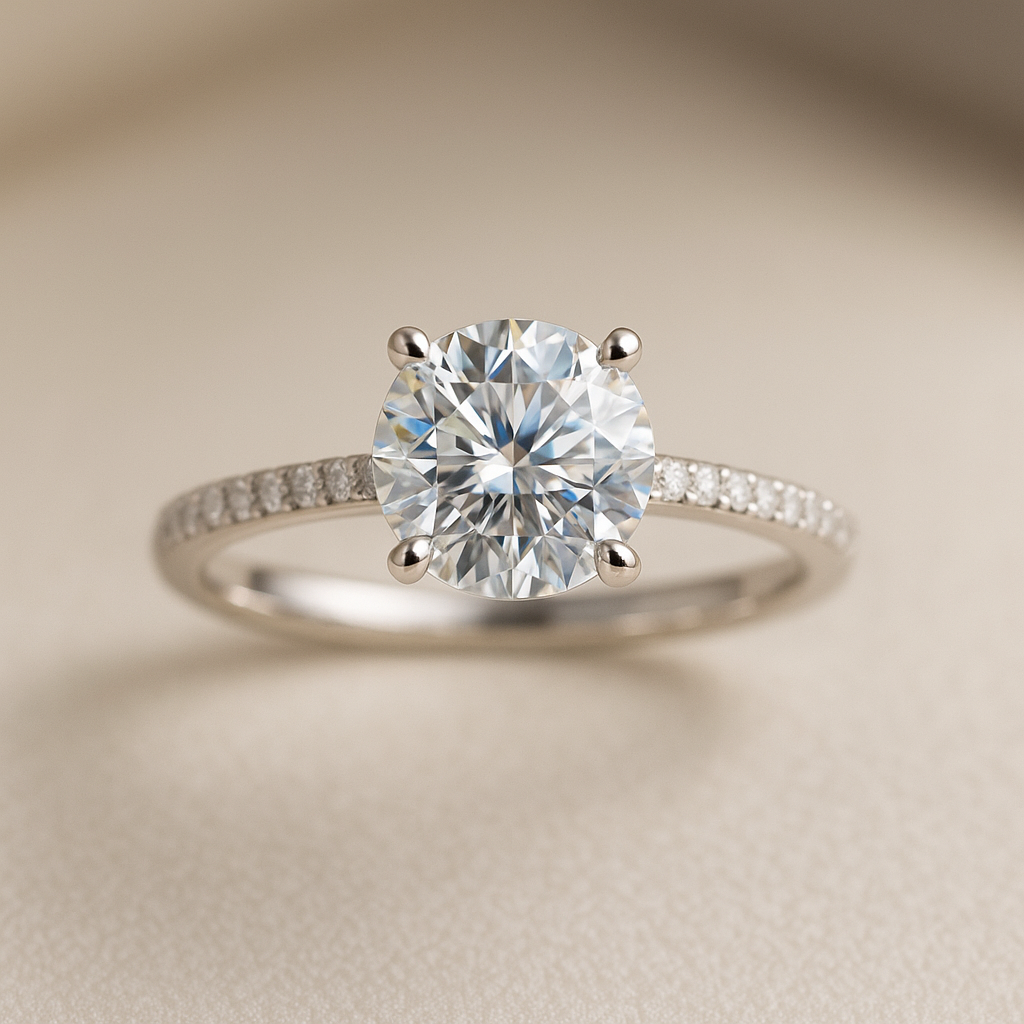

Lab-Grown Diamonds: The Future of Fine Jewelry
In the ever-evolving world of fine jewelry, lab-grown diamonds have emerged as a prominent alternative to natural diamonds. Understanding their origins, benefits, and how they compare to traditional diamonds is essential for consumers navigating the engagement ring market.
What Are Lab-Grown Diamonds?
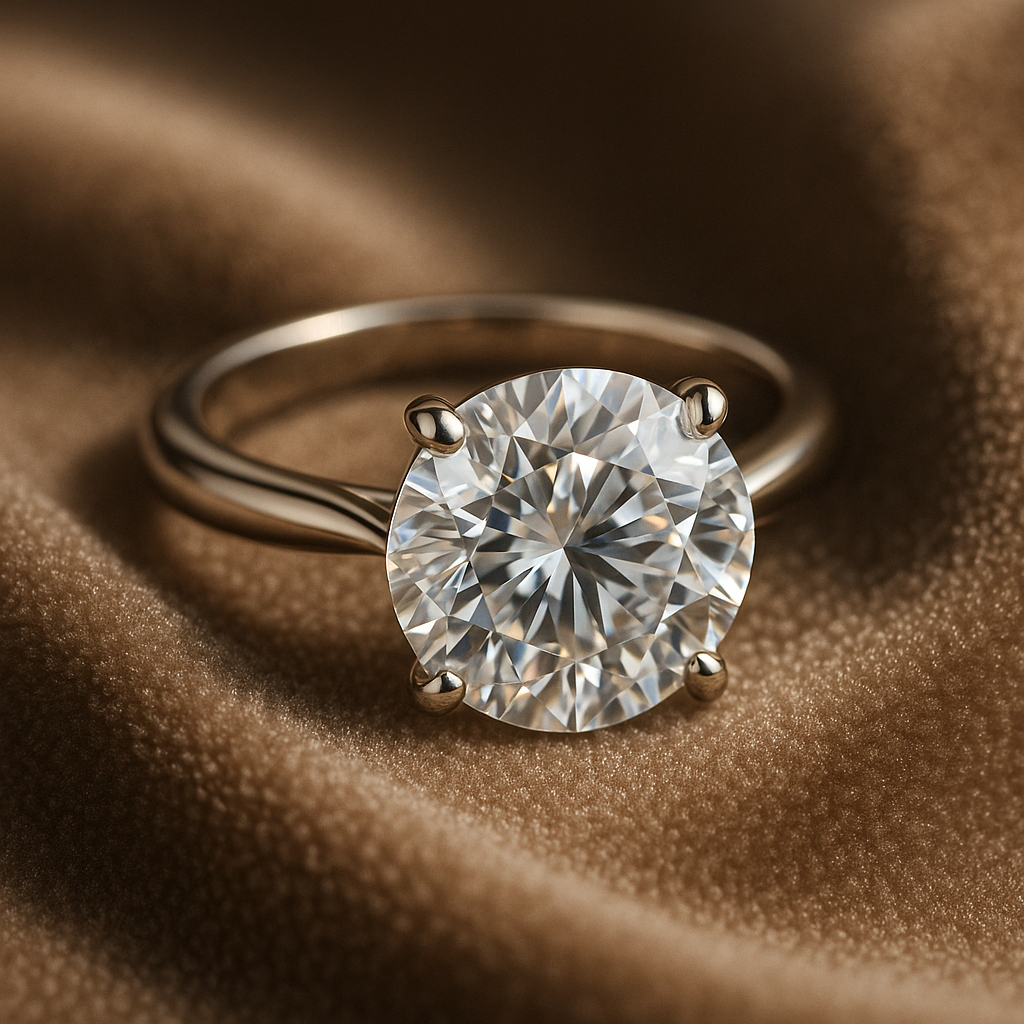
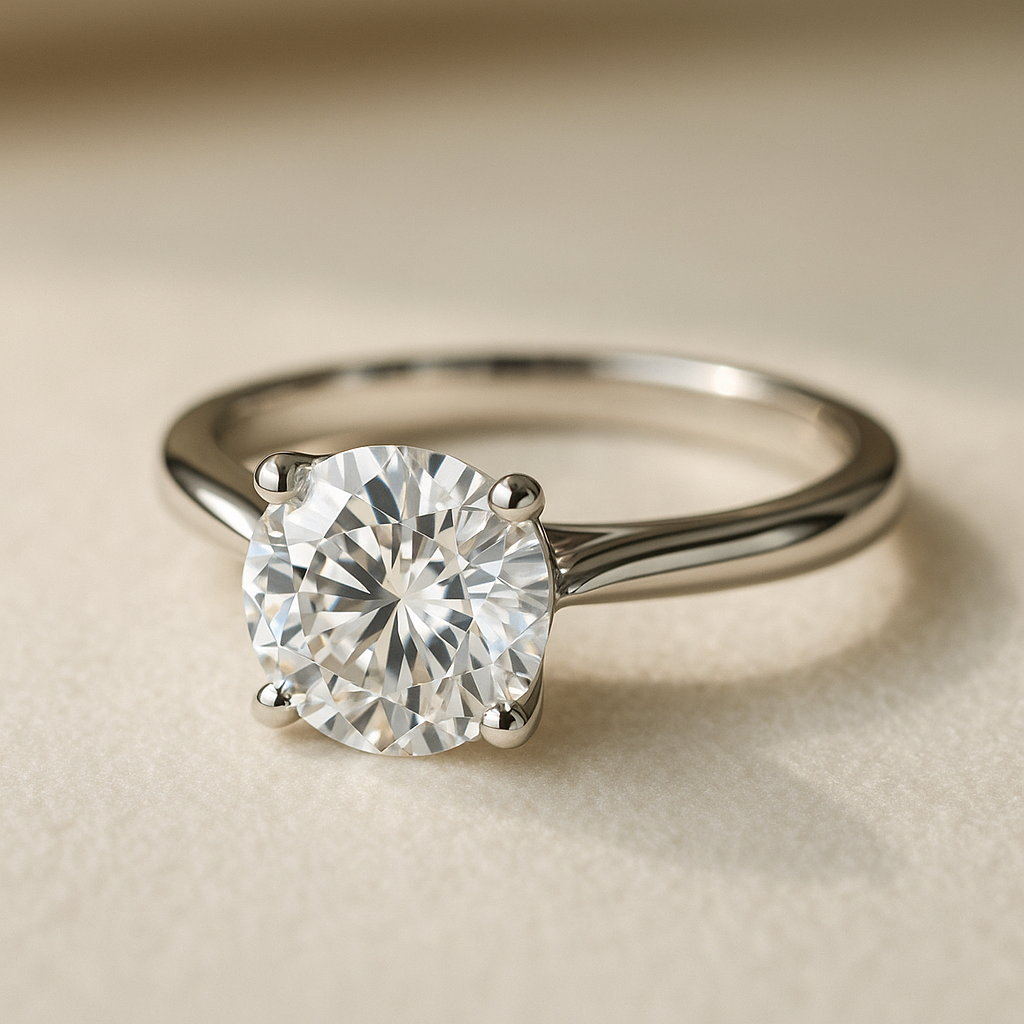
Lab-grown diamonds, also known as synthetic or cultured diamonds, are gemstones created in controlled environments that replicate the natural conditions under which diamonds form. Through two primary processes, High Pressure High Temperature (HPHT) and Chemical Vapor Deposition (CVD), these diamonds develop stunning clarity and brilliance that is virtually indistinguishable from their mined counterparts.
The Environmental Impact of Lab-Grown Diamonds
Environmental sustainability is a growing concern for many consumers today. Unlike natural diamond mining, which can cause significant ecological disruption, lab-grown diamonds are produced with a considerably smaller carbon footprint. They require less water and energy and do not contribute to habitat destruction or biodiversity loss. For environmentally conscious shoppers, this makes lab-grown diamonds an appealing choice.
Ethical Considerations
Issues surrounding conflict diamonds have raised ethical questions regarding diamond sourcing. Lab-grown diamonds provide a guilt-free alternative, ensuring that no human rights abuses occurred during production. By choosing lab-grown options, consumers can openly support ethical practices in the jewelry industry.
Quality and Characteristics
Lab-grown diamonds share the same physical and chemical properties as natural diamonds. Both types are graded on the 4Cs: Cut, Color, Clarity, and Carat Weight. Many lab-created diamonds even surpass natural diamonds in terms of purity and quality, as they are cultivated in ideal conditions that can minimize the presence of impurities.
1. Cut
The cut of a diamond significantly impacts its sparkle and visual appeal. Lab-grown diamonds can be cut to perfection, resulting in exceptional brilliance.
2. Color
Colors in lab-grown diamonds can range from colorless to shades of yellow, blue, or pink. Advanced technology allows for the production of diamonds in various hues while maintaining high quality.
3. Clarity
Lab-grown diamonds often exhibit fewer inclusions than natural diamonds, which can make them a more attractive option for consumers seeking flawless stones.
4. Carat Weight
Lab-grown diamonds can be produced in a variety of carat weights, offering consumers a range of choices at various price points.
Comparing Prices: Lab-Grown vs. Natural Diamonds
One of the most significant advantages of lab-grown diamonds is their affordability. Typically, lab-grown diamonds are priced 20-40% lower than natural diamonds of the same size and quality. This price disparity allows consumers to select larger stones or higher-quality diamonds within their budget.
Are Lab-Grown Diamonds Right for You?
Choosing between a lab-grown diamond and a natural diamond ultimately comes down to personal preference. If ethical sourcing and environmental sustainability are priorities for you, lab-grown diamonds emerge as a compelling choice. On the other hand, if you value the history and rarity associated with natural diamonds, that option may resonate more with you.
Frequently Asked Questions (FAQ)
1. Do lab-grown diamonds look different from natural diamonds?
No, lab-grown diamonds are virtually identical to natural diamonds in terms of appearance. Both types will exhibit similar brilliance and fire, making it difficult for the average person to tell them apart.
2. How do I care for a lab-grown diamond?
Caring for a lab-grown diamond is the same as caring for a natural one. Regular cleaning and professional inspections will help maintain its luster and shine.
3. Will lab-grown diamonds maintain their value?
While lab-grown diamonds typically do not hold their value as well as natural diamonds, they represent a growing market. They can still be a worthy investment if you purchase high-quality stones.
4. Can I resell my lab-grown diamond?
Yes, you can resell lab-grown diamonds, but it is essential to note that they may not sell for as high a price as natural diamonds. However, the demand for lab-grown diamonds is increasing, which may enhance their resale potential.
Conclusion
Lab-grown diamonds have revolutionized the jewelry industry, offering a sustainable, ethical, and affordable option for consumers. As you explore your choices for engagement rings or fine jewelry, consider the numerous benefits of lab-grown diamonds. Whether you prioritize environmental impact, ethical sourcing, or simply wish to maximize your budget, lab-grown diamonds present a modern and responsible approach to luxury jewelry.