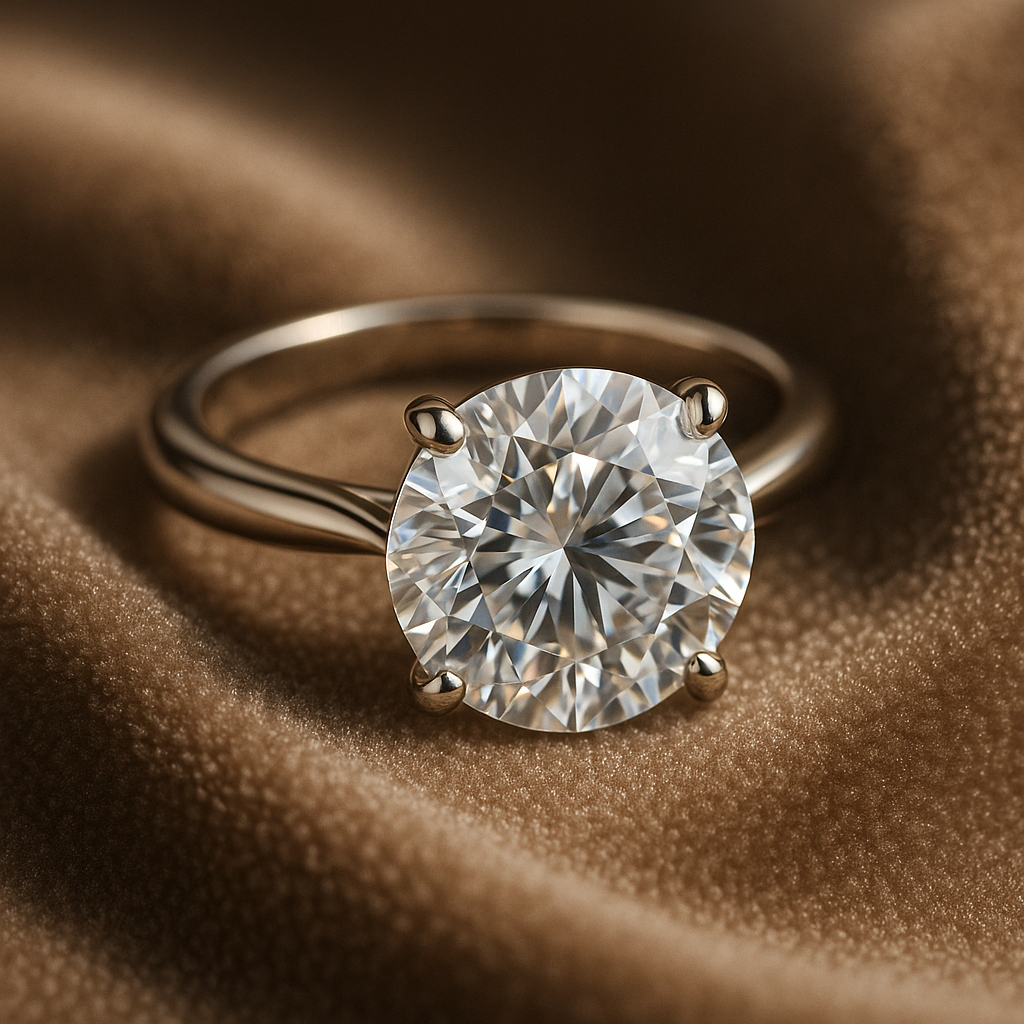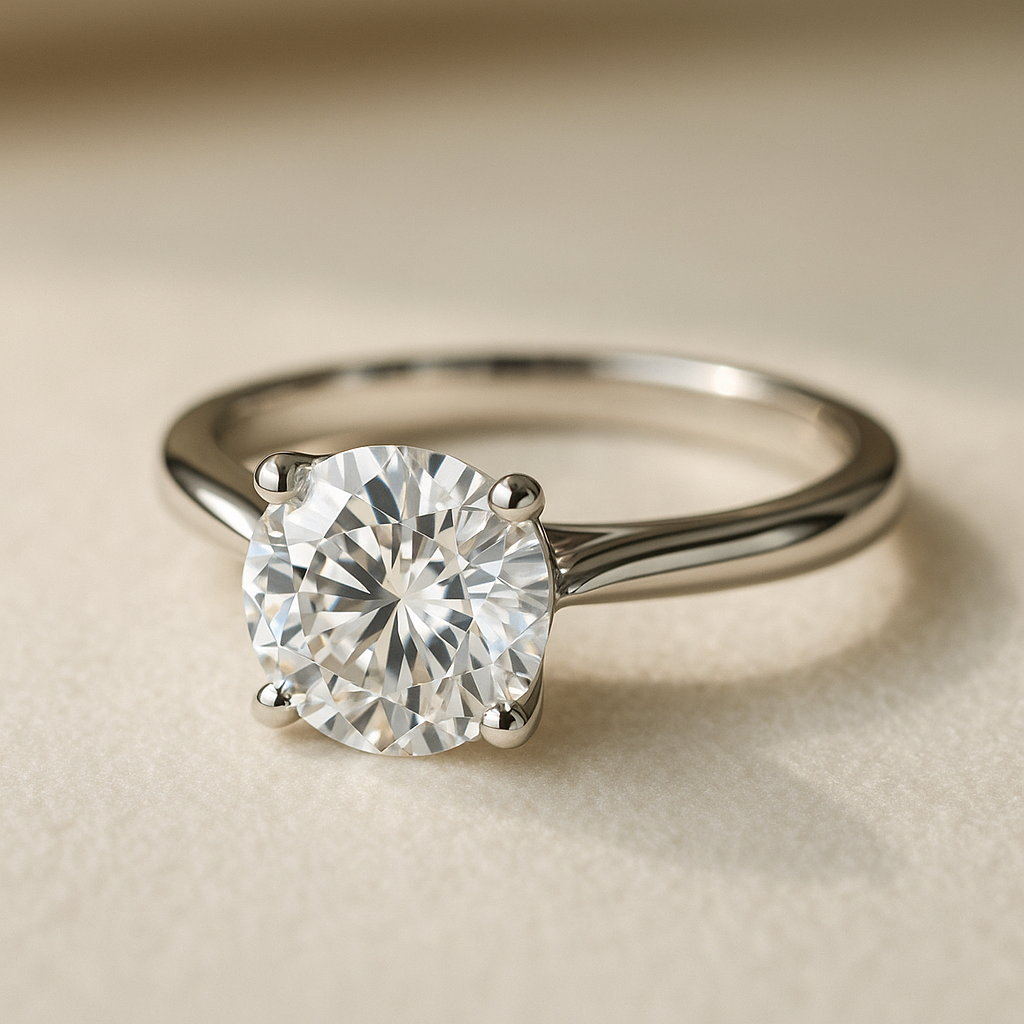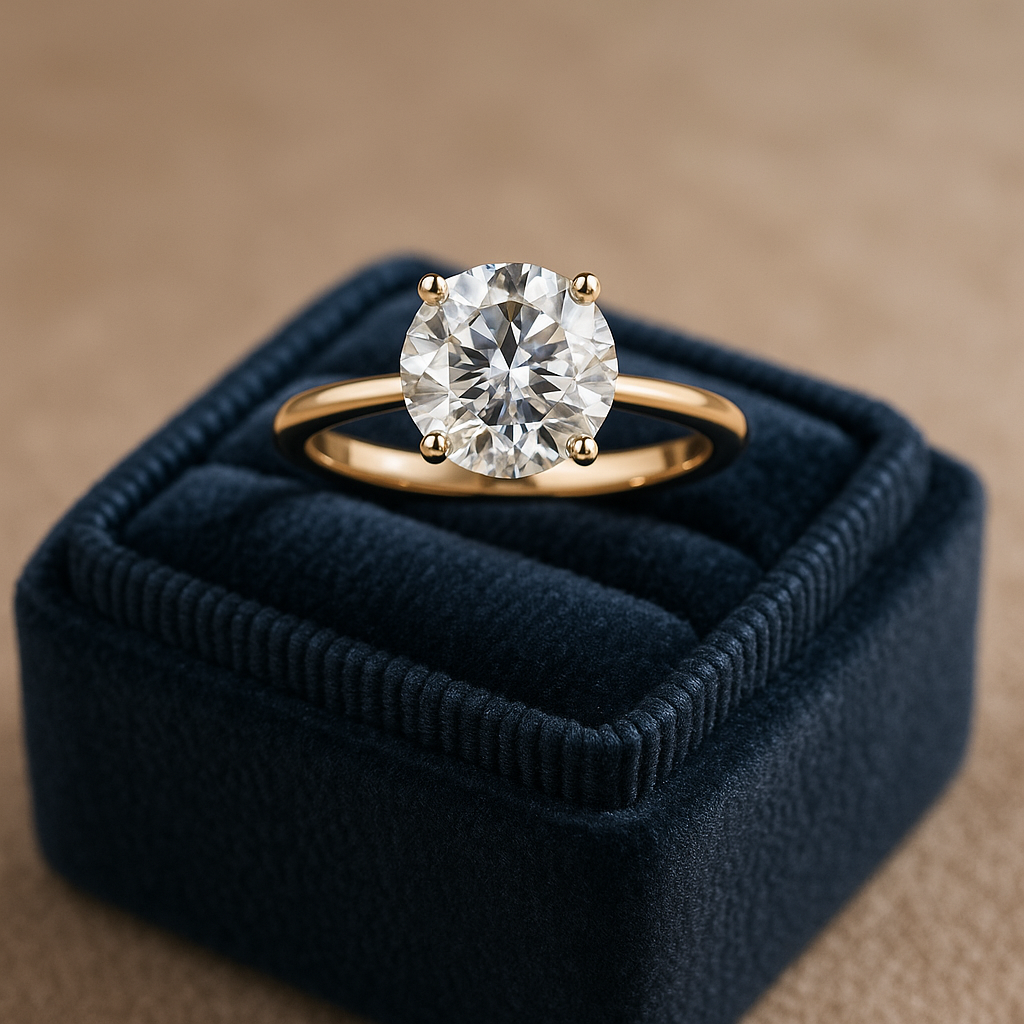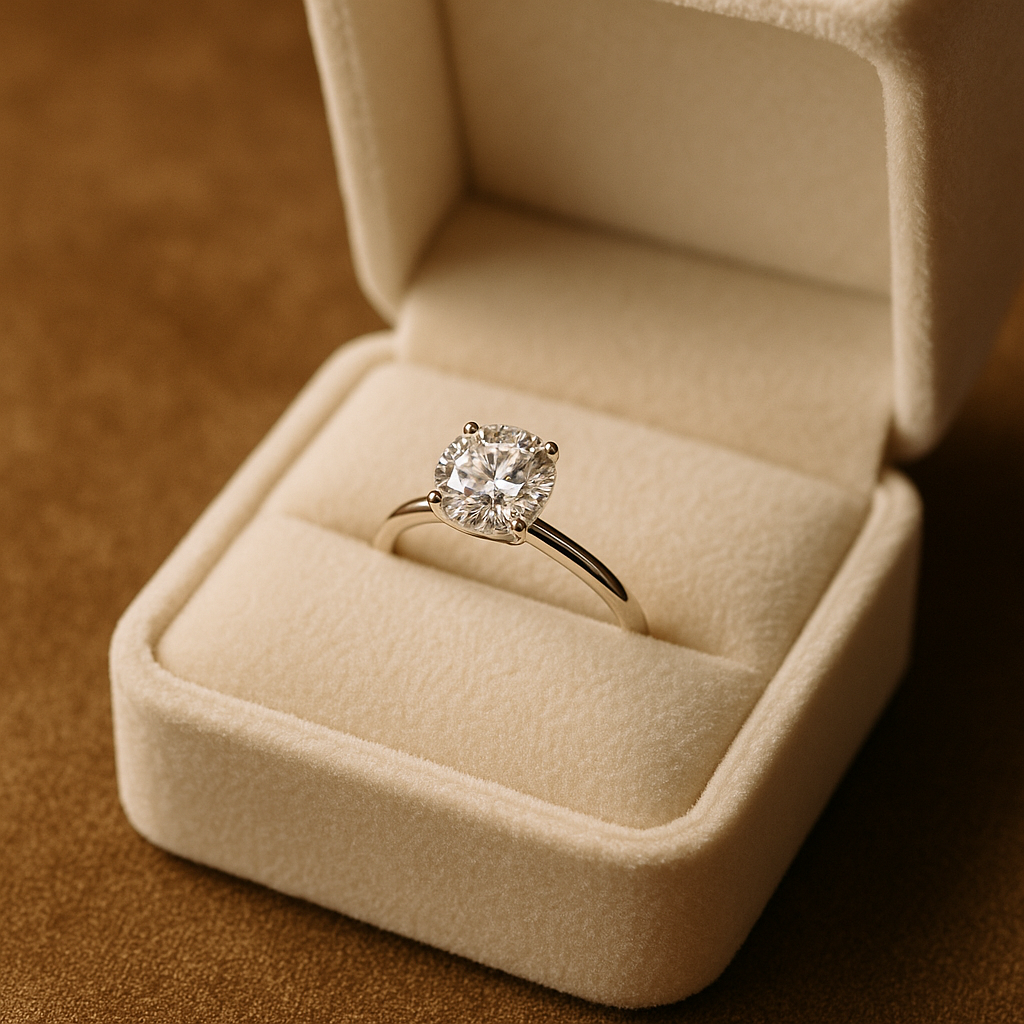
The Ultimate Guide to Lab-Grown Diamonds for Engagement Rings
Choosing the perfect engagement ring is a significant decision, and with the rise of lab-grown diamonds, many consumers are finding themselves faced with an exciting yet complex choice. This guide aims to clarify what lab-grown diamonds are, their benefits, and how they compare to natural diamonds.
What are Lab-Grown Diamonds?
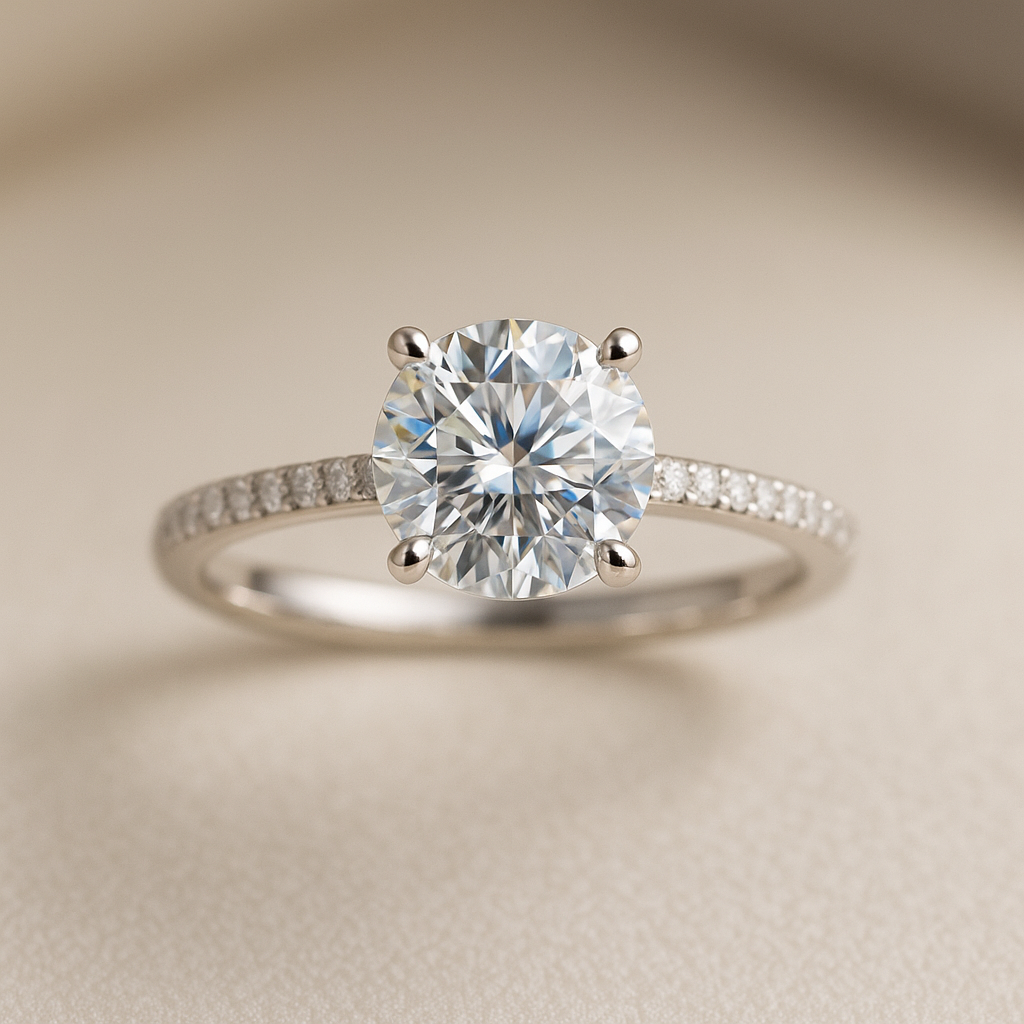
Lab-grown diamonds, also known as synthetic or cultured diamonds, are real diamonds that are created in controlled environments using advanced technological processes that replicate the natural conditions under which diamonds form in the Earth. These diamonds have the same physical, chemical, and optical properties as natural diamonds, making them an excellent choice for fine jewelry, especially engagement rings.
How Are Lab-Grown Diamonds Made?
There are two primary methods for creating lab-grown diamonds: the High Pressure High Temperature (HPHT) method and the Chemical Vapor Deposition (CVD) method.
- HPHT Method: This technique involves mimicking the intense heat and pressure found deep within the Earth. Carbon is subjected to these conditions, resulting in the formation of diamonds.
- CVD Method: This approach involves using a carbon-rich gas that is heated to create a plasma state, allowing carbon to deposit onto a substrate, eventually forming a diamond layer.
Benefits of Lab-Grown Diamonds
Lab-grown diamonds offer several advantages that appeal to modern consumers:
- Ethical Considerations: Lab-grown diamonds are conflict-free and have a transparent supply chain, ensuring that no human rights abuses are associated with their production.
- Environmentally Friendly: Producing lab-grown diamonds typically requires fewer natural resources and results in less environmental disruption compared to traditional diamond mining.
- Cost-Effective: Lab-grown diamonds are generally 20-40% less expensive than their natural counterparts, allowing consumers to get a larger or higher-quality stone for their budget.
- Identical Quality: These diamonds boast the same brilliance, fire, and scintillation as natural diamonds, meaning you don’t have to sacrifice quality for ethics or cost.
Lab-Grown vs. Natural Diamonds
When comparing lab-grown diamonds to natural diamonds, it’s essential to consider several factors:
- Value Retention: Natural diamonds typically hold their value better over time, while lab-grown diamonds may depreciate more quickly. However, the gap is closing as acceptance grows.
- Resale Market: The resale market for lab-grown diamonds is still developing, whereas natural diamonds have a long-established market. Consumers should consider how important resale value is to them.
- Emotional Value: Some consumers may place a higher sentimental value on natural diamonds due to their rarity and geological history, while others appreciate the innovation and ethics of lab-grown diamonds.
How to Choose the Right Lab-Grown Diamond
Choosing the right lab-grown diamond involves understanding the Four Cs: Cut, Color, Clarity, and Carat weight.
- Cut: The cut affects the diamond’s brilliance and sparkle. Popular shapes include round, princess, and oval.
- Color: Lab-grown diamonds are graded colorless (D-F) to light yellow (K-M). Colorless diamonds are the most sought after.
- Clarity: Clarity refers to the presence of inclusions or blemishes. The higher the clarity grade, the more valuable the diamond.
- Carat Weight: This indicates the size of the diamond. Higher carat weights typically come with higher price tags.
Frequently Asked Questions (FAQ)
Are lab-grown diamonds real diamonds?
Yes, lab-grown diamonds are real diamonds. They are chemically, physically, and optically identical to natural diamonds.
How much do lab-grown diamonds cost compared to natural diamonds?
Lab-grown diamonds typically cost 20-40% less than natural diamonds, depending on the size and quality.
Can lab-grown diamonds be resold?
Yes, lab-grown diamonds can be resold, though the resale market is still developing compared to natural diamonds.
Are lab-grown diamonds ethically sourced?
Absolutely. Lab-grown diamonds are conflict-free and sourced through transparent processes, ensuring no unethical practices are involved.
Conclusion
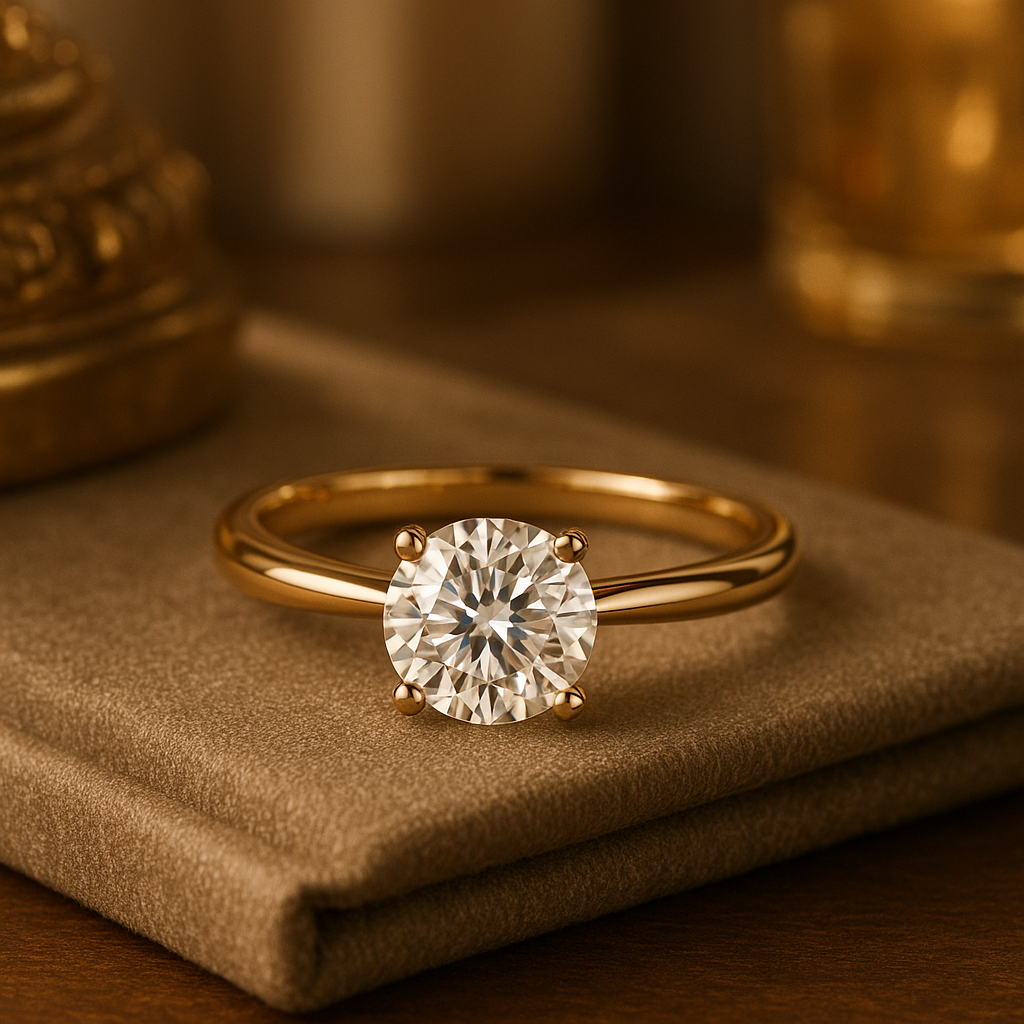
Choosing a lab-grown diamond for your engagement ring is an excellent decision for consumers seeking ethical, cost-effective, and beautiful options. With advancements in technology, lab-grown diamonds are becoming increasingly popular, offering choices that cater to a wide range of preferences and values. No matter your preference, understanding the differences between lab-grown and natural diamonds will empower you in making the best choice for your special moment.