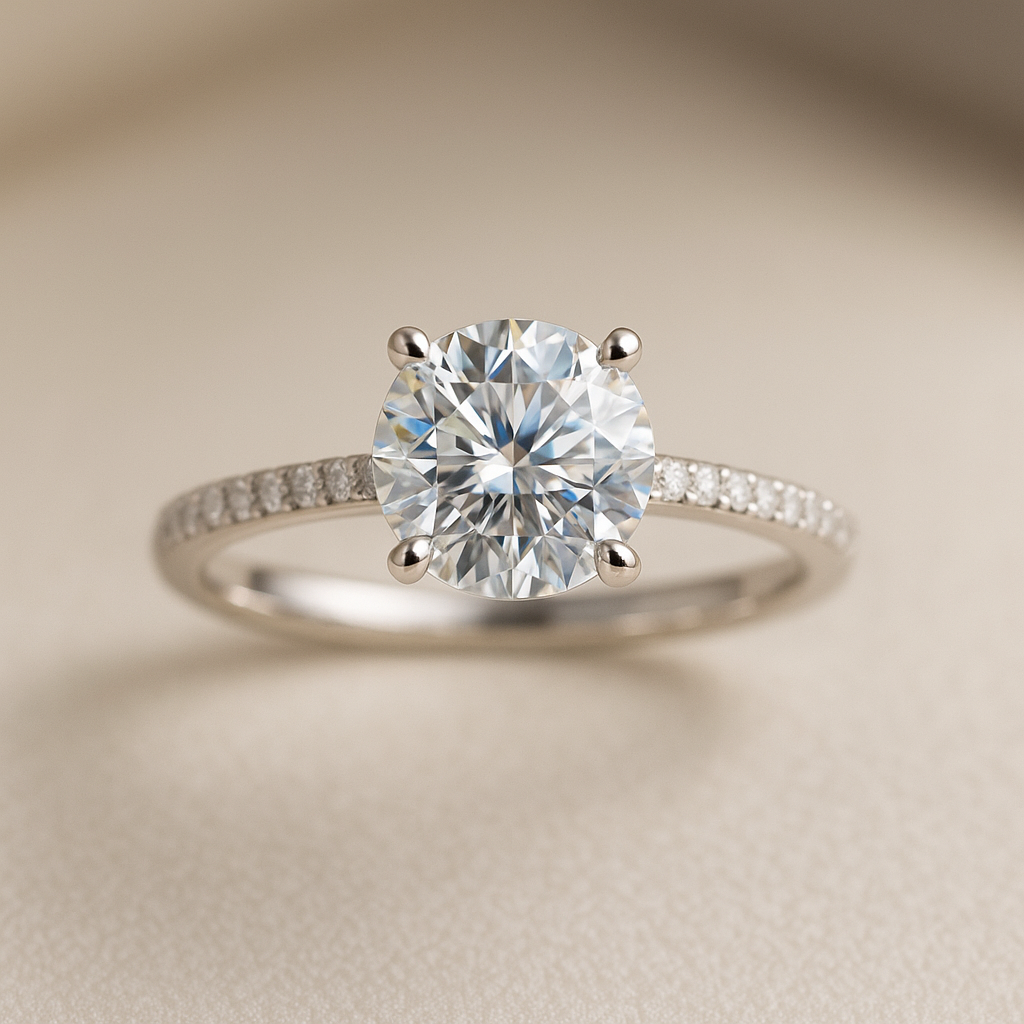
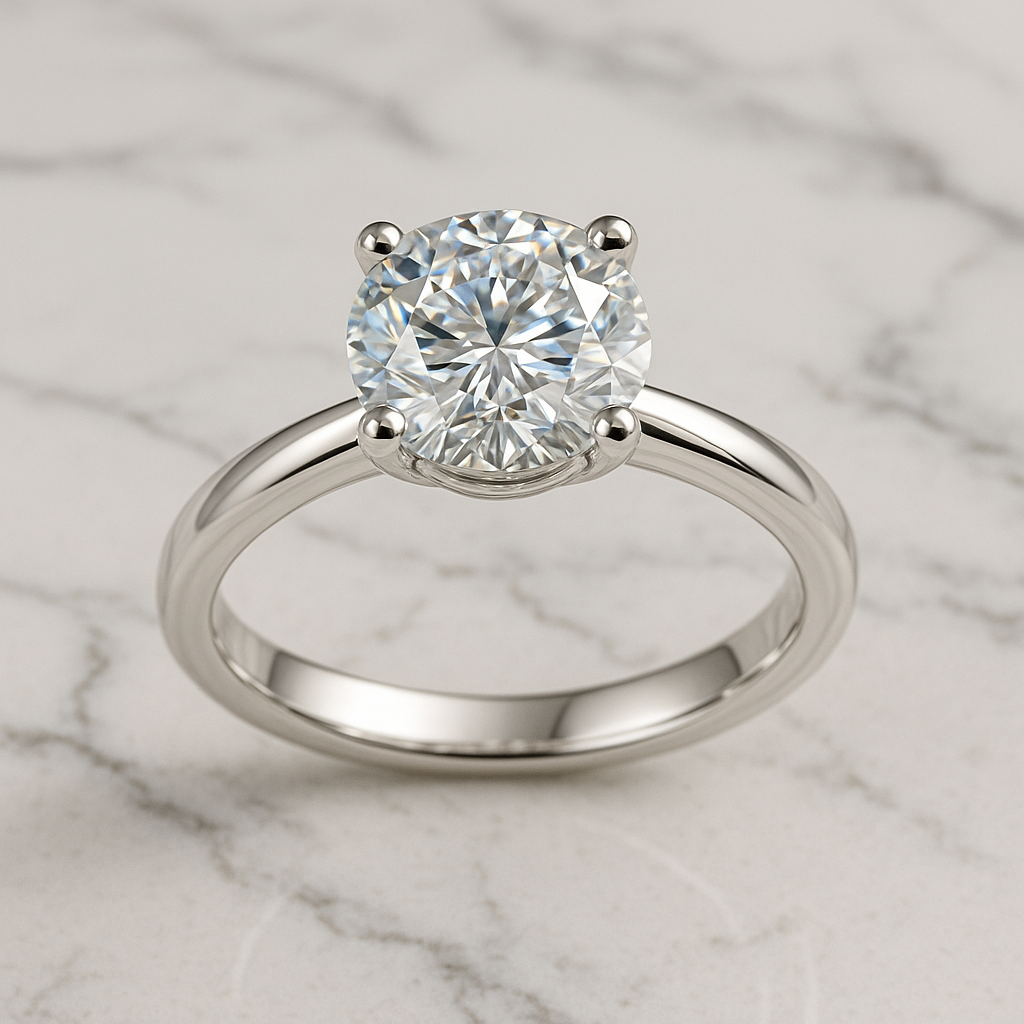
Understanding Lab-Grown Diamonds: The Modern Choice for Engagement Rings
When it comes to choosing the perfect engagement ring, the decision between lab-grown and natural diamonds can be a complex one. As luxury jewelry evolves, many consumers are turning to lab-grown diamonds as a modern, ethical alternative. In this article, we will explore the unique characteristics of lab-grown diamonds, their benefits, and key comparisons with natural diamonds.
What are Lab-Grown Diamonds?
Lab-grown diamonds are real diamonds created in controlled environments using advanced technology. They share the same physical, chemical, and optical properties as natural diamonds, which are formed over millions of years in the Earth’s mantle. The two primary methods for creating lab-grown diamonds are Chemical Vapor Deposition (CVD) and High Pressure High Temperature (HPHT).
Chemical Vapor Deposition (CVD)
CVD involves placing a diamond seed in a chamber filled with carbon-rich gases. The gases are ionized into plasma, which then deposits carbon on the seed, gradually forming a diamond. This method allows for precise control over the diamond’s growth and can create larger stones with fewer impurities.
High Pressure High Temperature (HPHT)
HPHT mimics the natural conditions under which diamonds form. A diamond seed is placed in a chamber along with carbon and subjected to extreme heat and pressure. This process not only produces diamonds but can also replicate the stunning color of natural diamonds.
Benefits of Choosing Lab-Grown Diamonds
Lab-grown diamonds offer several advantages that appeal to modern consumers:
- Ethical Sourcing: Lab-grown diamonds eliminate the risk of conflict diamonds, which are mined in war zones and sold to finance insurgencies. This ethical aspect resonates strongly with consumers looking for socially responsible products.
- Affordability: Typically, lab-grown diamonds are 20-40% less expensive than their natural counterparts. This price difference allows shoppers to invest in a larger or higher-quality stone within their budget.
- Environmental Impact: Lab-grown diamonds generally have a lower environmental footprint compared to mined diamonds, which require extensive land disruption and resource consumption.
- Quality and Variety: Lab-grown diamonds can be produced with fewer inclusions and blemishes, offering superior quality. Additionally, they can be created in various colors, providing diverse options for personalization.
Lab-Grown vs Natural Diamonds: A Comprehensive Comparison
When it comes to selecting the right diamond, understanding the differences between lab-grown and natural diamonds is crucial. Here are key comparisons to consider:
1. Composition
Both lab-grown and natural diamonds are composed of carbon atoms arranged in a crystal structure. Laboratory processes replicate the natural formation conditions, resulting in identical chemical and physical properties.
2. Value Retention
Natural diamonds typically retain more value over time due to their rarity. However, lab-grown diamonds are gaining acceptance, and their value retention is improving as demand increases.
3. Certification
Both types of diamonds can be certified by reputable organizations such as the Gemological Institute of America (GIA) and the International Gemological Institute (IGI). Look for certified diamonds to ensure quality and authenticity.
4. Resale Market
The resale market for natural diamonds is well-established and can be a consideration for some buyers. Lab-grown diamonds, while gaining traction, still have a less robust resale value. It’s essential to think about your long-term plans when making your choice.
Common Misconceptions About Lab-Grown Diamonds
Several myths surround lab-grown diamonds that may influence consumer decisions. Let’s clarify these misconceptions:
Myth 1: Lab-Grown Diamonds Are Fake
Lab-grown diamonds are real diamonds. They are not simulants like cubic zirconia or moissanite. The only difference is their origin—whether they were formed in nature or a lab.
Myth 2: They Lack Quality or Beauty
Lab-grown diamonds can be of equal or even superior quality compared to natural diamonds. Many are created with fewer inclusions and exhibit excellent clarity and color.
Myth 3: They Won’t Stand the Test of Time
Lab-grown diamonds are just as durable as natural diamonds, rated 10 on the Mohs scale of hardness. They will last a lifetime and beyond, just like their mined counterparts.
Choosing the Right Lab-Grown Diamond
When shopping for a lab-grown diamond, consider the following tips to ensure you make the best choice:
- Understand the 4Cs: Familiarize yourself with the 4Cs of diamonds—Cut, Color, Clarity, and Carat weight. These factors greatly influence a diamond’s beauty and value.
- Shop from Reputable Retailers: Look for jewelers that specialize in lab-grown diamonds and offer certified stones. Check customer reviews and ask questions to ensure transparency.
- Ask About Warranty and Return Policy: A reputable retailer should provide a warranty and a clear return policy, ensuring your purchase is protected.
Frequently Asked Questions (FAQs)
Are lab-grown diamonds more ethical than natural diamonds?
Yes, lab-grown diamonds are considered more ethical as they are created without the environmental and social issues linked to mining.
Can lab-grown diamonds appraise for the same value as natural diamonds?
While lab-grown diamonds can be appraised similarly in terms of quality, their market value is generally lower due to availability and consumer perception.
What is the best way to care for a lab-grown diamond?
Caring for a lab-grown diamond is similar to caring for a natural diamond. Regular cleaning and proper storage will keep it looking its best.
Conclusion
Lab-grown diamonds present a compelling option for consumers seeking an ethical, affordable, and high-quality alternative to natural diamonds. As awareness spreads and technology advances, their popularity will likely continue to grow. Whether you prefer the timeless allure of a natural diamond or the contemporary benefits of a lab-grown stone, the most important thing is to choose a ring that reflects your personal values and style.