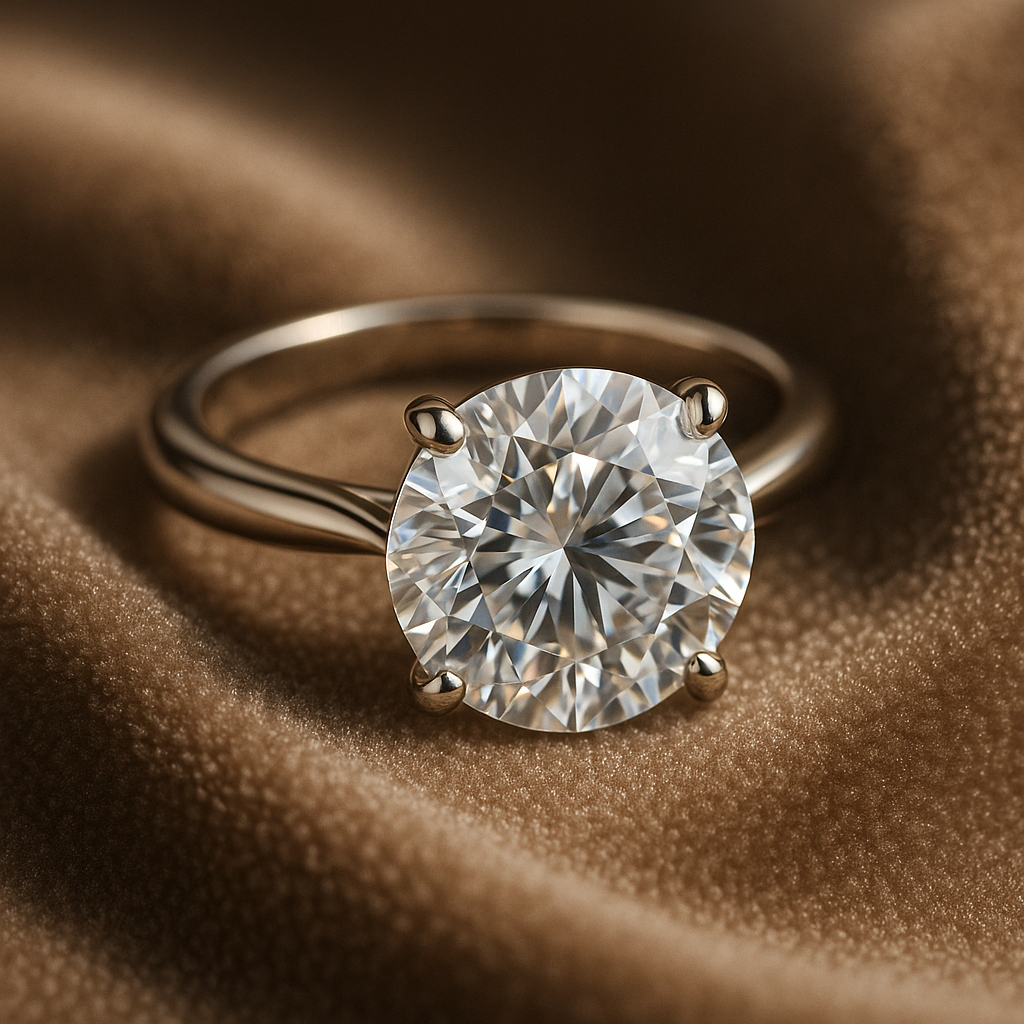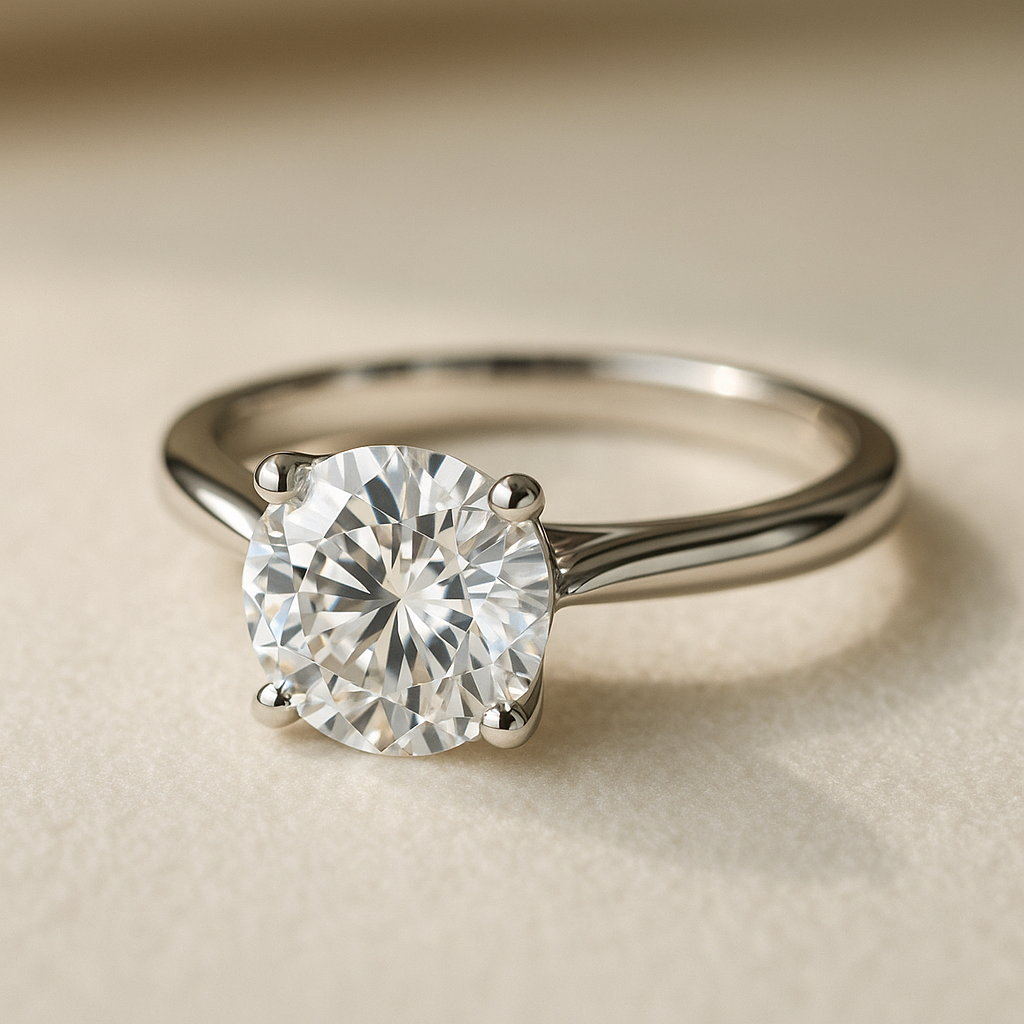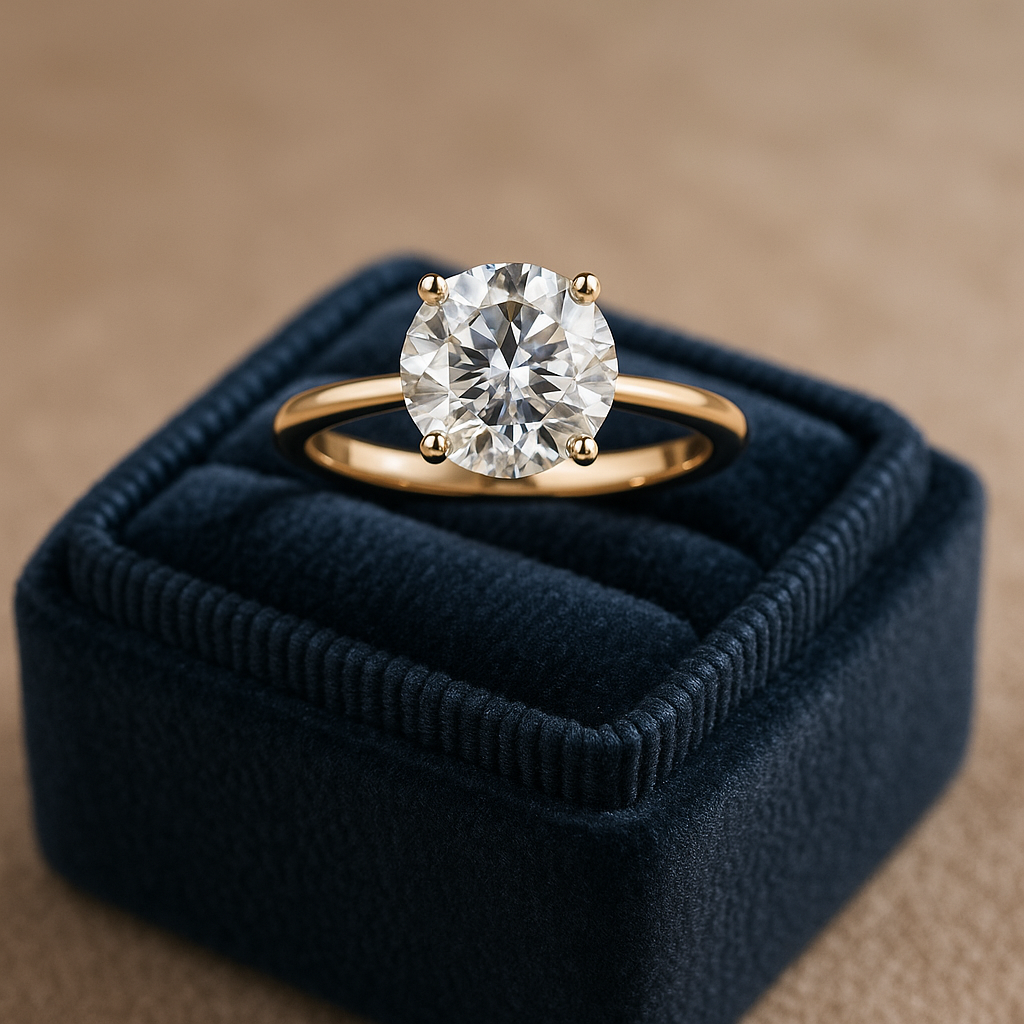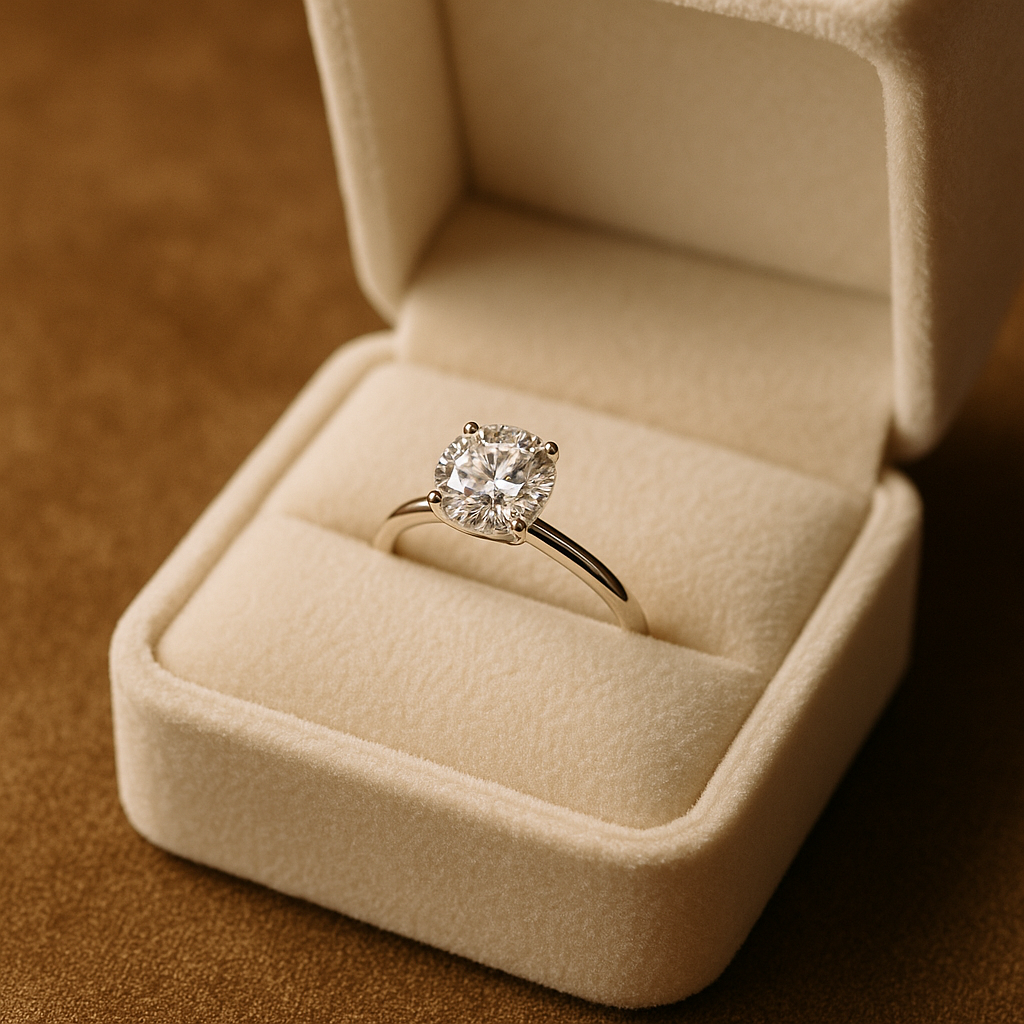
Understanding Lab-Grown Diamonds: Quality, Value, and Choices
In recent years, lab-grown diamonds have emerged as a popular alternative to natural diamonds, reshaping the landscape of the jewelry industry. With advancements in technology and growing consumer interest, it’s essential to explore what lab-grown diamonds are, their benefits, and how they compare to their mined counterparts. This article will provide an in-depth look into lab-grown diamonds, helping you make an informed choice for your engagement ring or fine jewelry purchase.
What Are Lab-Grown Diamonds?
Lab-grown diamonds are real diamonds that are created in controlled environments using advanced technological processes. Unlike natural diamonds, formed over billions of years beneath the Earth’s surface, lab-grown diamonds can be produced within a matter of weeks. These diamonds have the same physical, chemical, and optical properties as natural diamonds, making them virtually indistinguishable to the untrained eye.
The Creation Process
There are two primary methods for creating lab-grown diamonds: High Pressure High Temperature (HPHT) and Chemical Vapor Deposition (CVD).
High Pressure High Temperature (HPHT)
The HPHT method mimics the natural conditions under which diamonds form in the Earth. This process involves creating extreme heat and pressure to transform carbon into diamond. HPHT diamonds often have a crystal structure similar to naturally occurring diamonds.
Chemical Vapor Deposition (CVD)
The CVD method involves using a gas mixture that contains carbon. This gas is ionized to create a plasma, which allows carbon atoms to deposit on a substrate, forming diamond crystals layer by layer. CVD diamonds can be produced with fewer impurities, which can enhance their clarity and color.
Advantages of Lab-Grown Diamonds
Lab-grown diamonds offer several benefits that appeal to modern consumers:
1. Ethical Sourcing
One of the primary concerns for consumers is the ethical implications of diamond mining. Lab-grown diamonds are created in a controlled environment, which eliminates the risk of conflict diamonds entering the market. Choosing a lab-grown diamond means you can feel confident about the ethical sourcing of your jewelry.
2. Environmental Impact
Mining for natural diamonds can have a significant environmental impact, including ecosystem disruption and carbon emissions. In contrast, lab-grown diamonds have a lower environmental footprint, making them a more sustainable choice for eco-conscious consumers.
3. Cost-Effectiveness
Lab-grown diamonds are typically 20-40% less expensive than natural diamonds, allowing consumers to purchase larger or higher-quality stones within their budgets. This cost difference can provide an opportunity to invest in a more exquisite ring without financial strain.
4. Variety and Customization
Because lab-grown diamonds are produced in controlled settings, they are available in a wider range of colors and sizes. This variety allows for greater customization options when selecting a diamond for your engagement ring or fine jewelry piece.
Lab-Grown vs. Natural Diamonds: A Comparative Analysis
When it comes to choosing between lab-grown and natural diamonds, consumers often have questions. Here’s a comparative analysis of critical factors:
1. Quality
Quality in both lab-grown and natural diamonds is measured using the 4Cs: Carat, Cut, Clarity, and Color. Lab-grown diamonds can often achieve higher clarity and color grades due to the controlled manufacturing process, which results in fewer inclusions and blemishes.
2. Value Retention
Natural diamonds have historically shown strong resale value, but the market for lab-grown diamonds is still developing. While natural diamonds often appreciate over time, lab-grown diamonds tend to depreciate in value. However, the significant initial cost savings of lab-grown diamonds may outweigh concerns about long-term value for many consumers.
3. Rarity
Natural diamonds are finite resources, which contributes to their value and allure. Lab-grown diamonds, on the other hand, can be produced indefinitely. This difference influences consumer perceptions and market dynamics for both types of diamonds.
4. Certification
Both lab-grown and natural diamonds can be certified by reputable grading laboratories, such as the Gemological Institute of America (GIA) or the International Gemological Institute (IGI). Ensuring your diamond is certified guarantees that you are receiving a high-quality stone, regardless of its origin.
Frequently Asked Questions (FAQ)
Are lab-grown diamonds real diamonds?
Yes, lab-grown diamonds are real diamonds. They share the same physical, chemical, and optical properties as natural diamonds.
How can I tell the difference between a lab-grown and a natural diamond?
Most consumers cannot distinguish between lab-grown and natural diamonds without specialized equipment. Certifications can provide clarity on a diamond’s origin.
Do lab-grown diamonds hold their value?
Lab-grown diamonds typically have a lower resale value compared to natural diamonds, but their initial price advantage can make them appealing for many buyers.
Which is better: lab-grown or natural diamonds?
Choosing between lab-grown and natural diamonds depends on individual preferences regarding ethics, budget, and personal values. Both have their unique advantages.
Making an Informed Decision
When selecting a diamond for your engagement ring or fine jewelry, taking the time to understand your options is vital. Lab-grown diamonds present a compelling choice for consumers prioritizing ethics and sustainability without sacrificing quality.
At Celebrity Diamonds, we strive to provide our customers with the most current information and a stunning selection of both lab-grown and natural diamonds. Whether you prefer the timeless allure of natural diamonds or the innovative appeal of lab-grown gems, our team is here to assist you in making the perfect choice.
Explore our collection today to find your ideal diamond and celebrate your love story with elegance and integrity.