
Understanding Lab-Grown Diamonds: A Modern Choice for Engagement Rings
In today’s jewelry market, lab-grown diamonds have emerged as a popular choice for consumers seeking ethical, sustainable, and cost-effective alternatives to natural diamonds. As you embark on the journey of selecting the perfect engagement ring, understanding what lab-grown diamonds are, how they compare to their mined counterparts, and why they may be the right choice for you is essential.
What Are Lab-Grown Diamonds?
Lab-grown diamonds, also known as synthetic or man-made diamonds, are created in controlled environments using advanced technological processes that mimic natural diamond formation. The two primary methods for creating lab-grown diamonds are High Pressure High Temperature (HPHT) and Chemical Vapor Deposition (CVD). Both methods yield diamonds that are chemically, physically, and optically identical to mined diamonds.
The Advantages of Lab-Grown Diamonds
1. Ethical Sourcing
One of the most significant advantages of lab-grown diamonds is their ethical sourcing. Unlike mined diamonds, which can be associated with conflict and environmental degradation, lab-grown diamonds are produced in a controlled environment, ensuring that they are conflict-free.
2. Environmental Impact
The environmental footprint of lab-grown diamonds is substantially lower than that of mined diamonds. The mining process can lead to habitat destruction, soil erosion, and water pollution. In contrast, lab-grown diamonds require fewer natural resources and generate less waste, making them a more sustainable choice.
3. Cost-Effectiveness
Lab-grown diamonds are generally 20-40% less expensive than natural diamonds of similar quality. This cost difference allows consumers to either purchase a larger stone or allocate their budget toward other elements of the ring, such as a more intricate setting or additional gemstones.
Comparing Lab-Grown and Natural Diamonds
1. Quality and Appearance
Both lab-grown and natural diamonds are graded using the same criteria: the Four Cs—carat, cut, color, and clarity. This means that a lab-grown diamond can be just as beautiful and high-quality as a natural diamond. When viewed under magnification, lab-grown diamonds may contain distinct growth patterns that can differentiate them from natural diamonds, but these differences are often undetectable to the naked eye.
2. Value Retention
Natural diamonds typically hold their value better than lab-grown diamonds due to their rarity. While the market for lab-grown diamonds is growing, the resale value may be lower compared to natural diamonds. This is an essential consideration for consumers thinking about long-term value.
3. Longevity
Both lab-grown and natural diamonds are durable and ideal for everyday wear. They are both rated 10 on the Mohs scale of hardness, making them resistant to scratching and damage.
Choosing the Right Diamond for You
When deciding between a lab-grown diamond and a natural diamond, consider your values, preferences, and budget. If ethical sourcing and environmental considerations are your top priorities, a lab-grown diamond may be the best fit for you. However, if you are looking for a stone with potential long-term value and uniqueness, a natural diamond might be more appealing.
Lab-Grown Diamonds in Engagement Rings
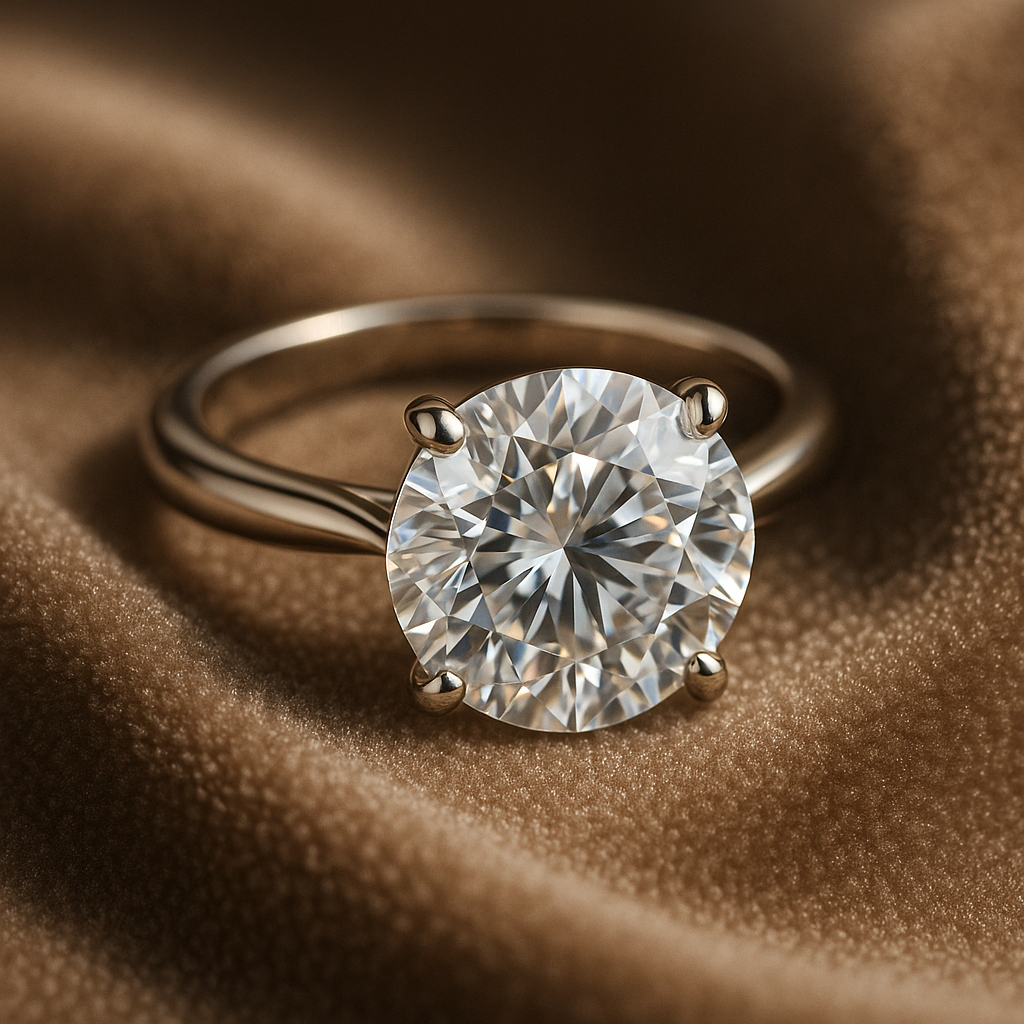
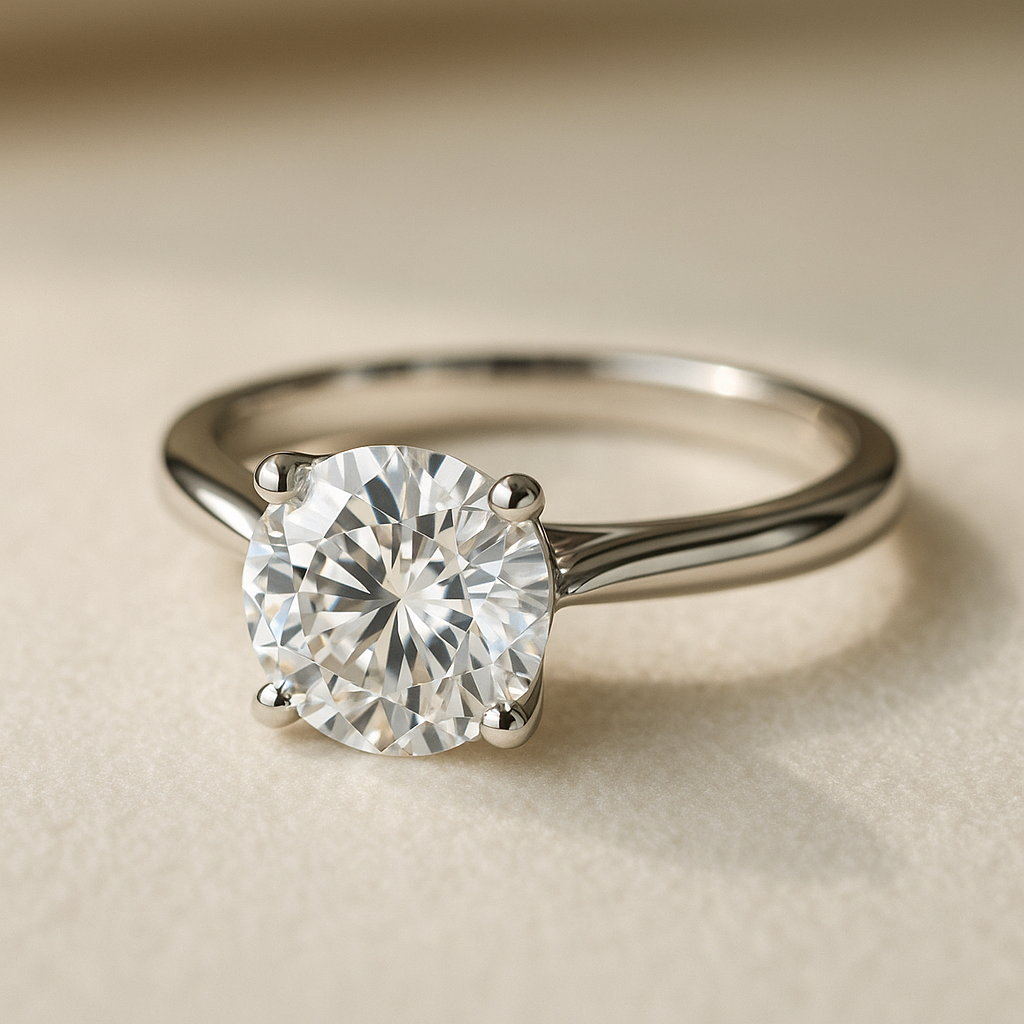
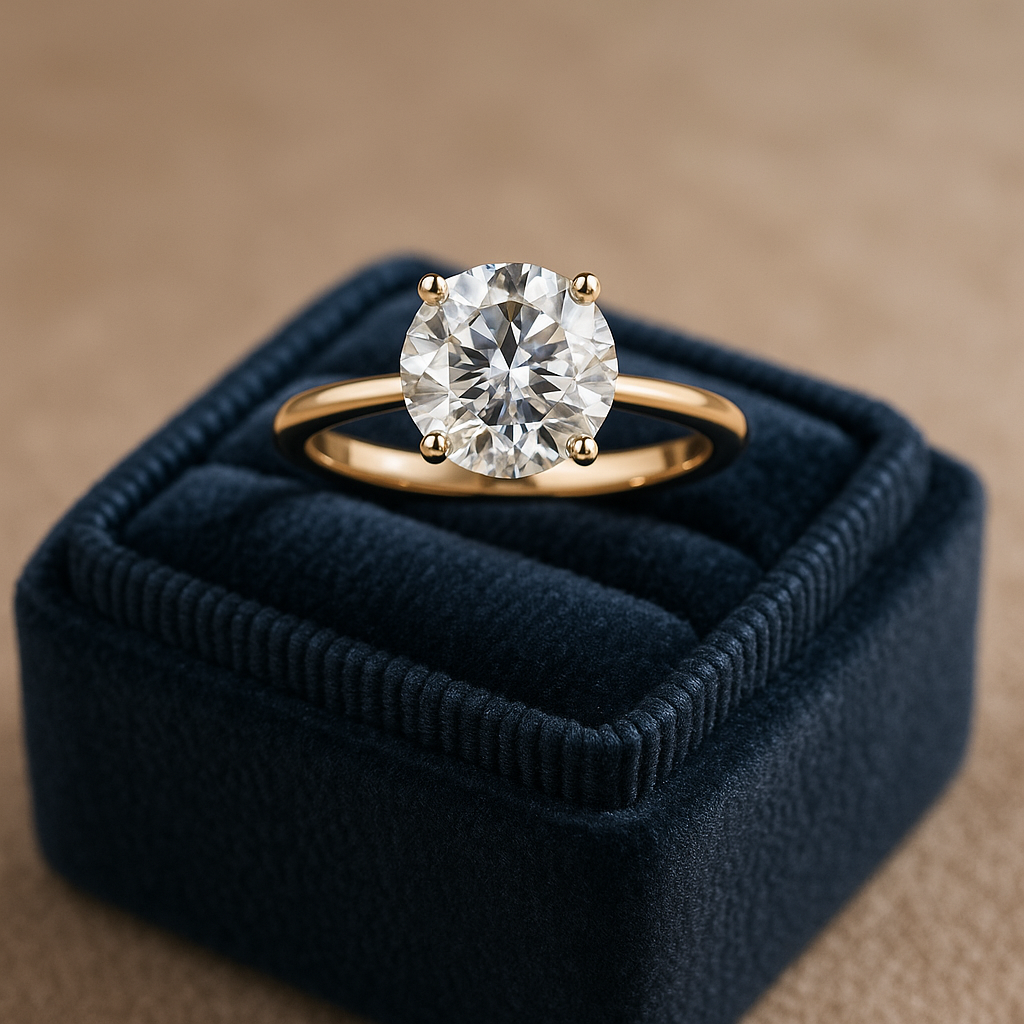
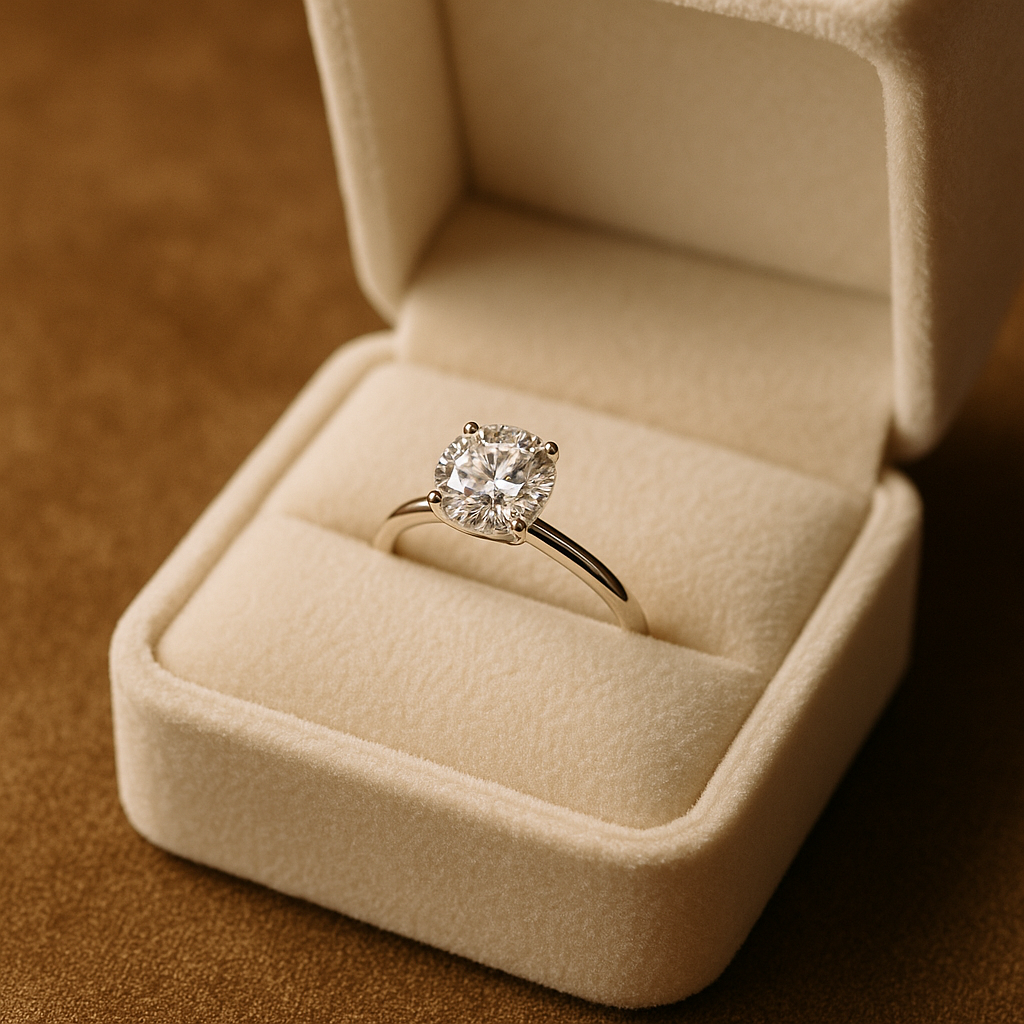
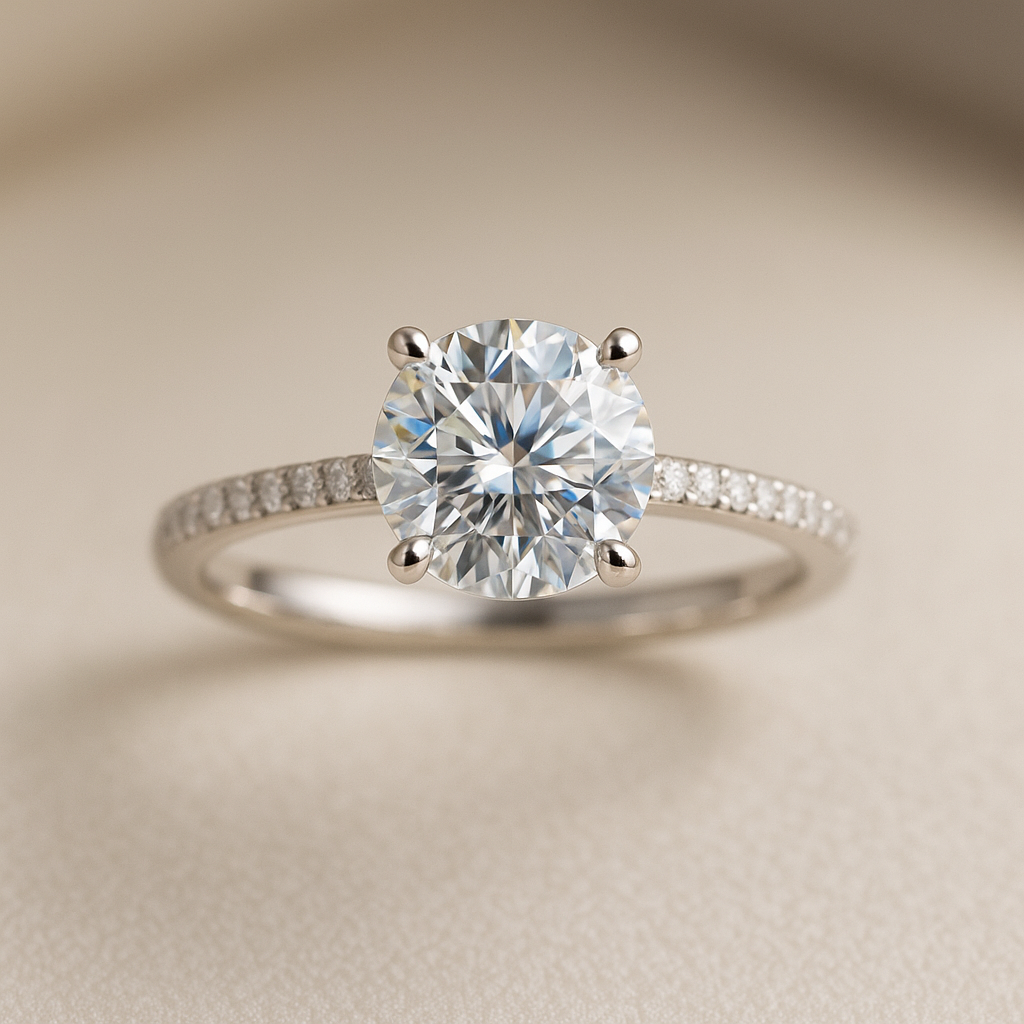
Lab-grown diamonds have gained significant popularity in engagement rings due to their affordability and ethical production. Many couples appreciate the option of purchasing a larger and higher-quality stone without the associated costs of a mined diamond. Moreover, the settings for lab-grown diamonds are just as exquisite as those for natural diamonds, providing a wide variety of options for personalization.
FAQs About Lab-Grown Diamonds
1. Are lab-grown diamonds real diamonds?
Yes, lab-grown diamonds are real diamonds. They have the same physical and chemical properties as natural diamonds and are graded using the same criteria.
2. How do lab-grown diamonds affect the environment?
Lab-grown diamonds have a significantly lower environmental impact compared to mined diamonds, as their production does not involve extensive mining practices that can harm ecosystems.
3. Can lab-grown diamonds be resold?
Yes, lab-grown diamonds can be resold, but their resale value may be lower than that of natural diamonds due to the current market dynamics.
4. Do lab-grown diamonds come with certification?
Yes, lab-grown diamonds come with certification from reputable gemological laboratories, ensuring their quality and authenticity.
5. How can I tell the difference between a lab-grown and a natural diamond?
While lab-grown diamonds and natural diamonds are nearly indistinguishable without specialized equipment, gemologists can identify unique growth patterns in lab-grown diamonds.
Conclusion
Lab-grown diamonds represent a modern, ethical, and eco-friendly choice for engagement rings and fine jewelry. As a consumer, you have the power to choose a diamond that aligns with your values and preferences. Whether you opt for a lab-grown diamond or a natural diamond, the most important aspect is selecting a piece that holds personal significance and symbolizes your unique love story.