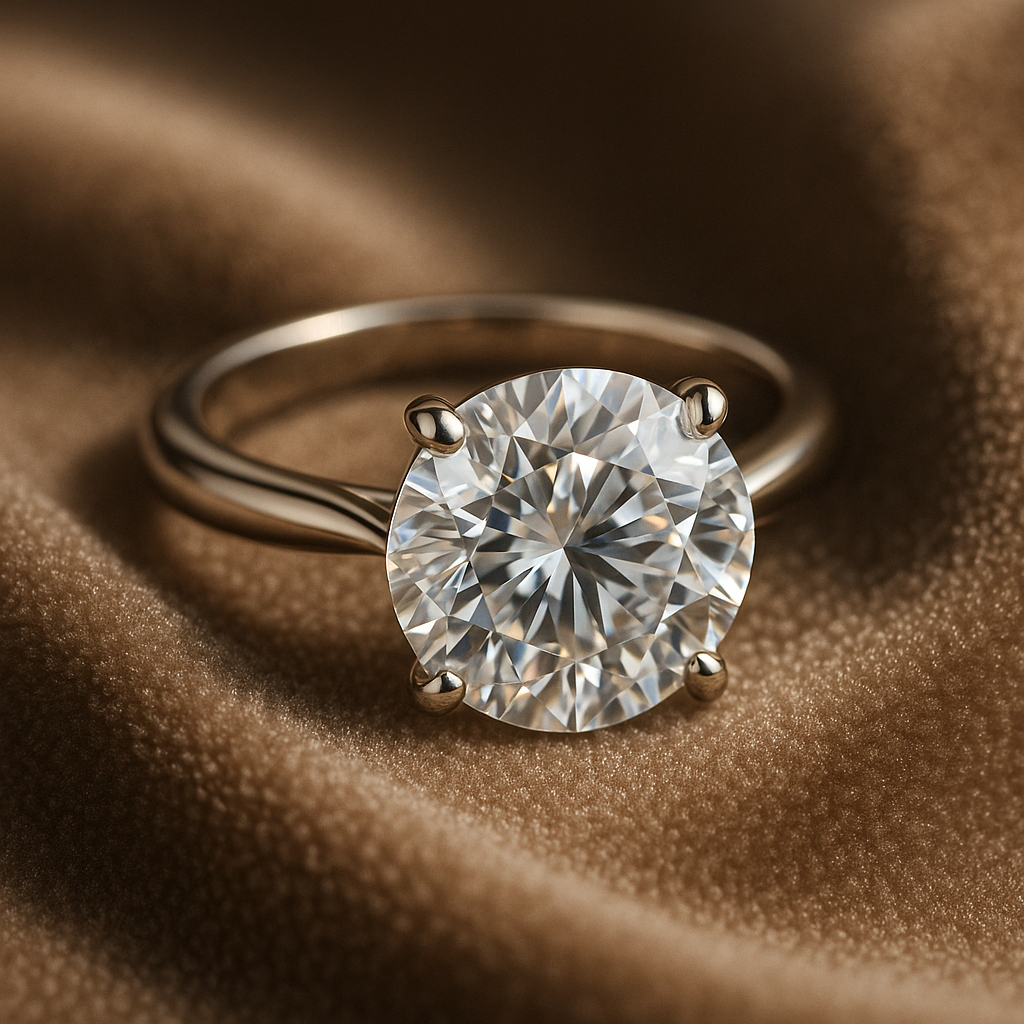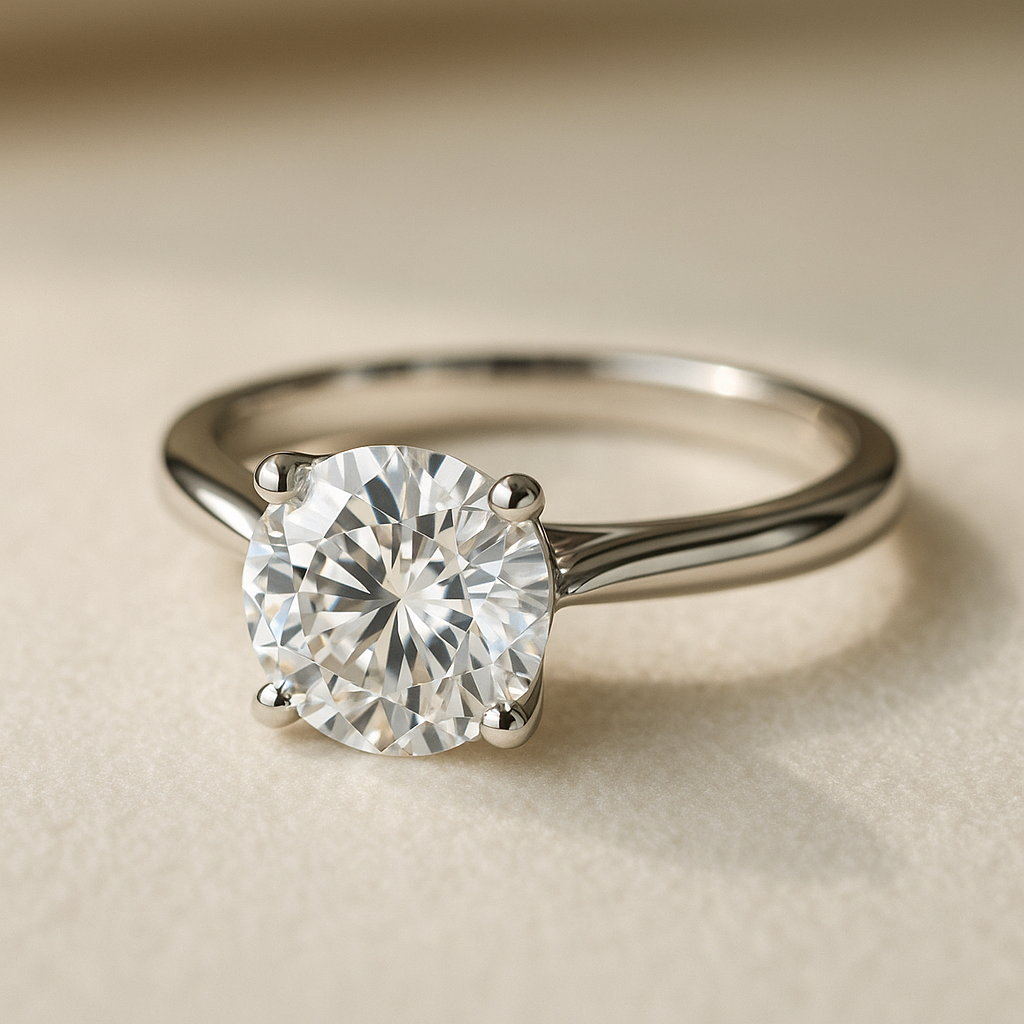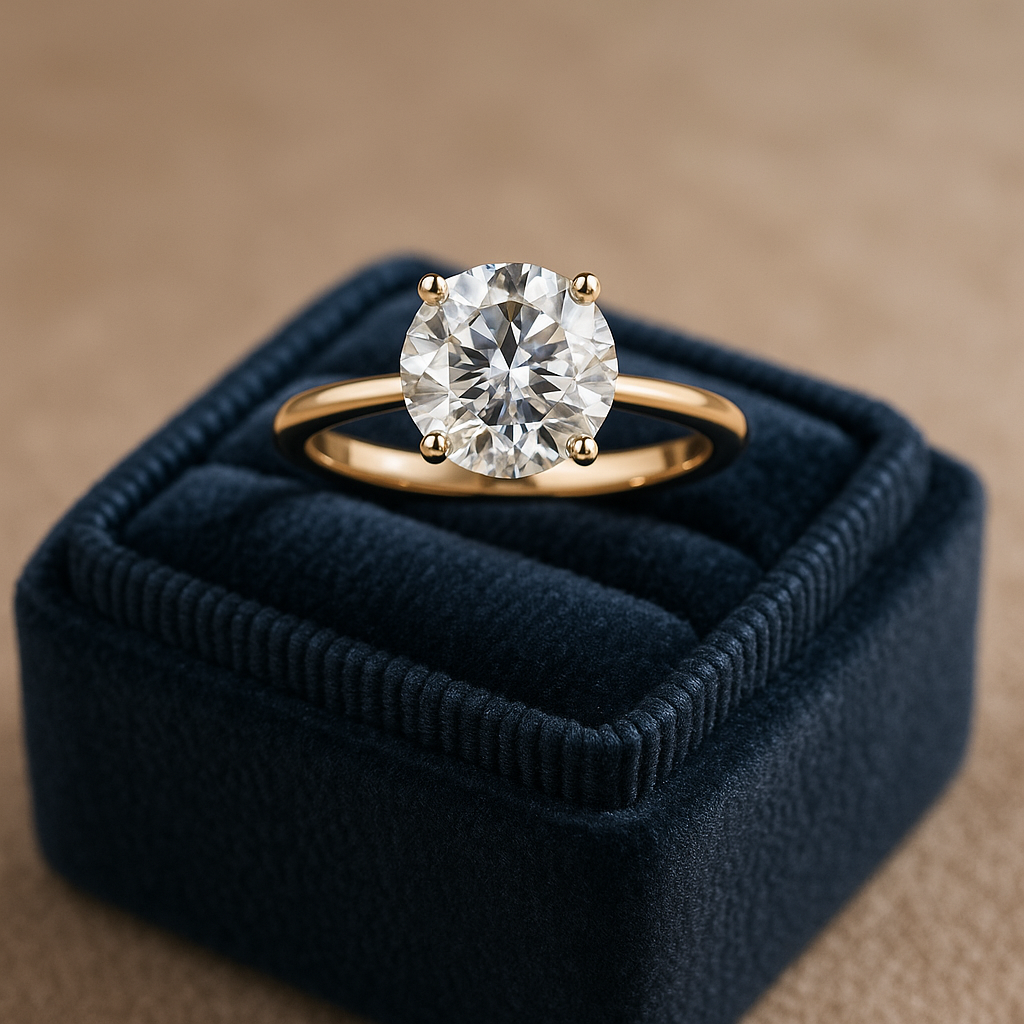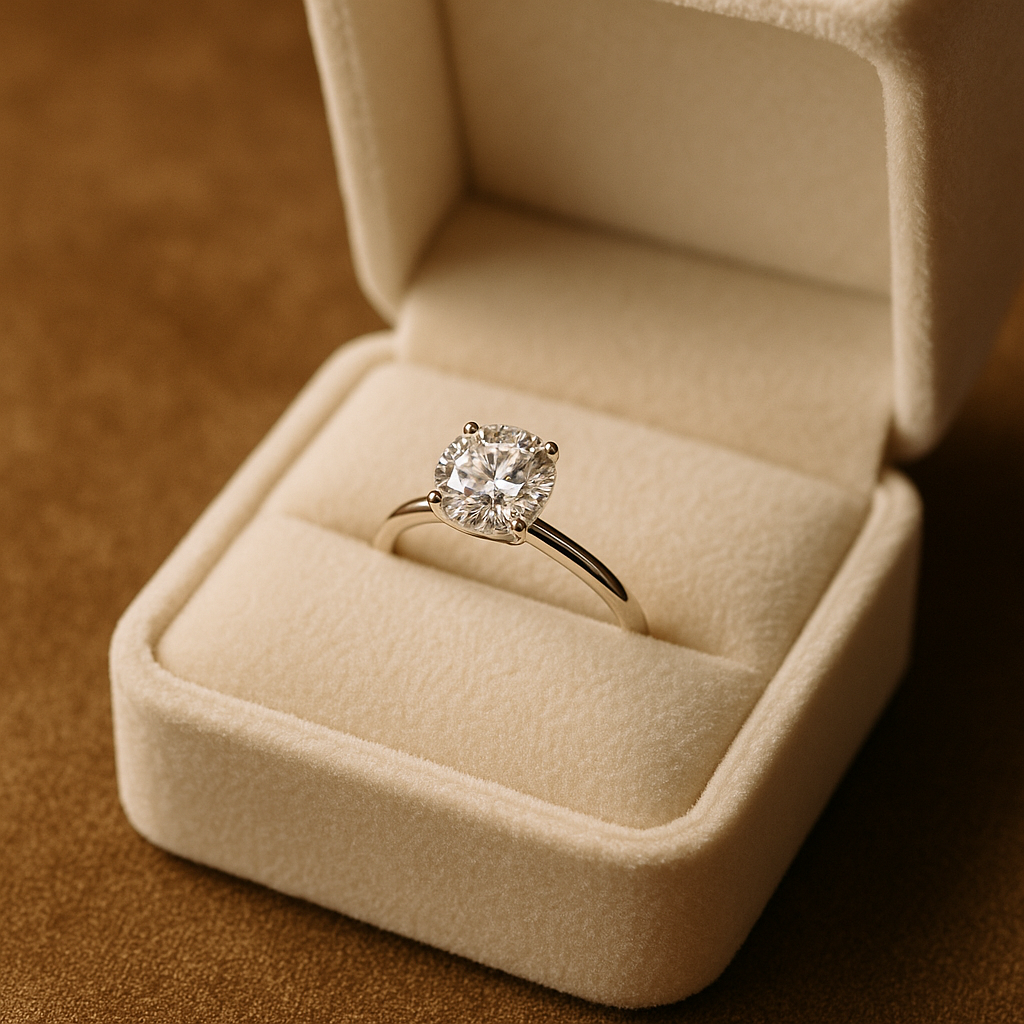
Discovering Lab-Grown Diamonds: The Future of Fine Jewelry
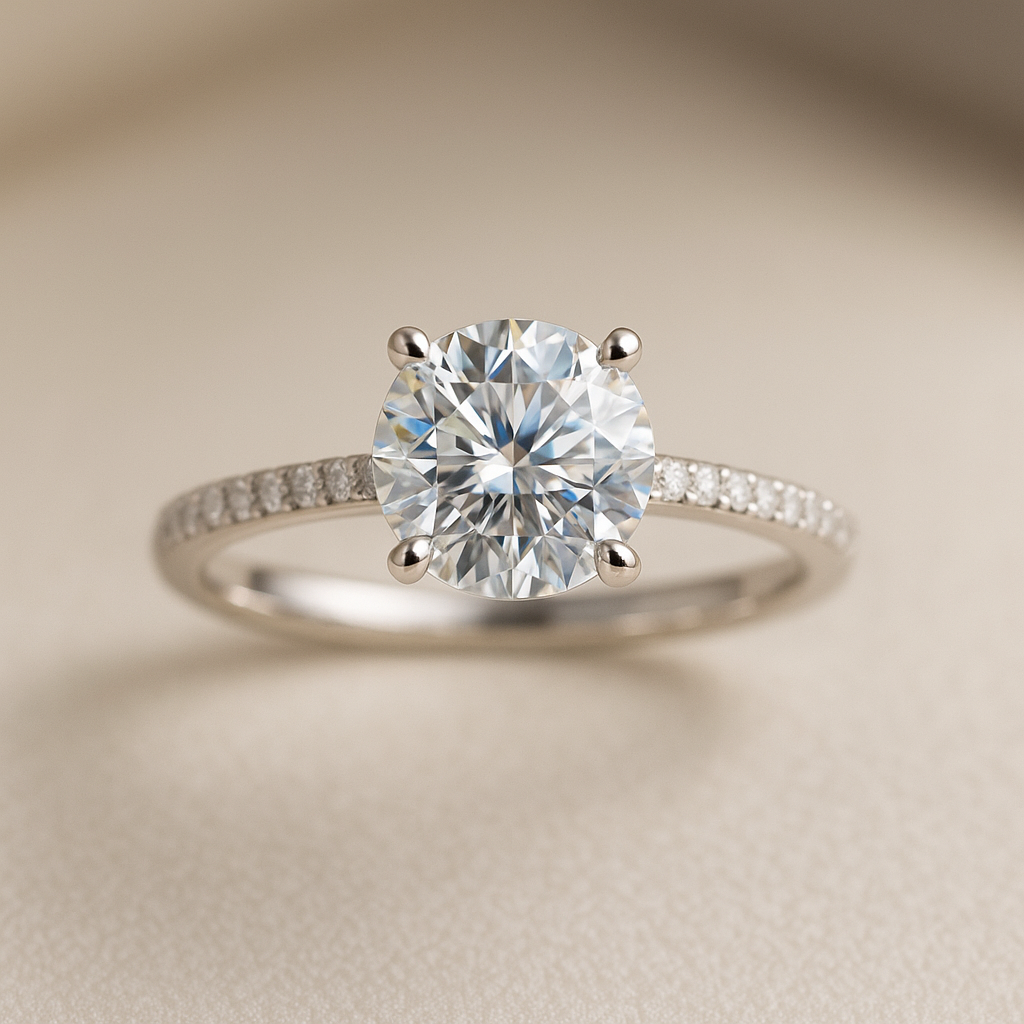
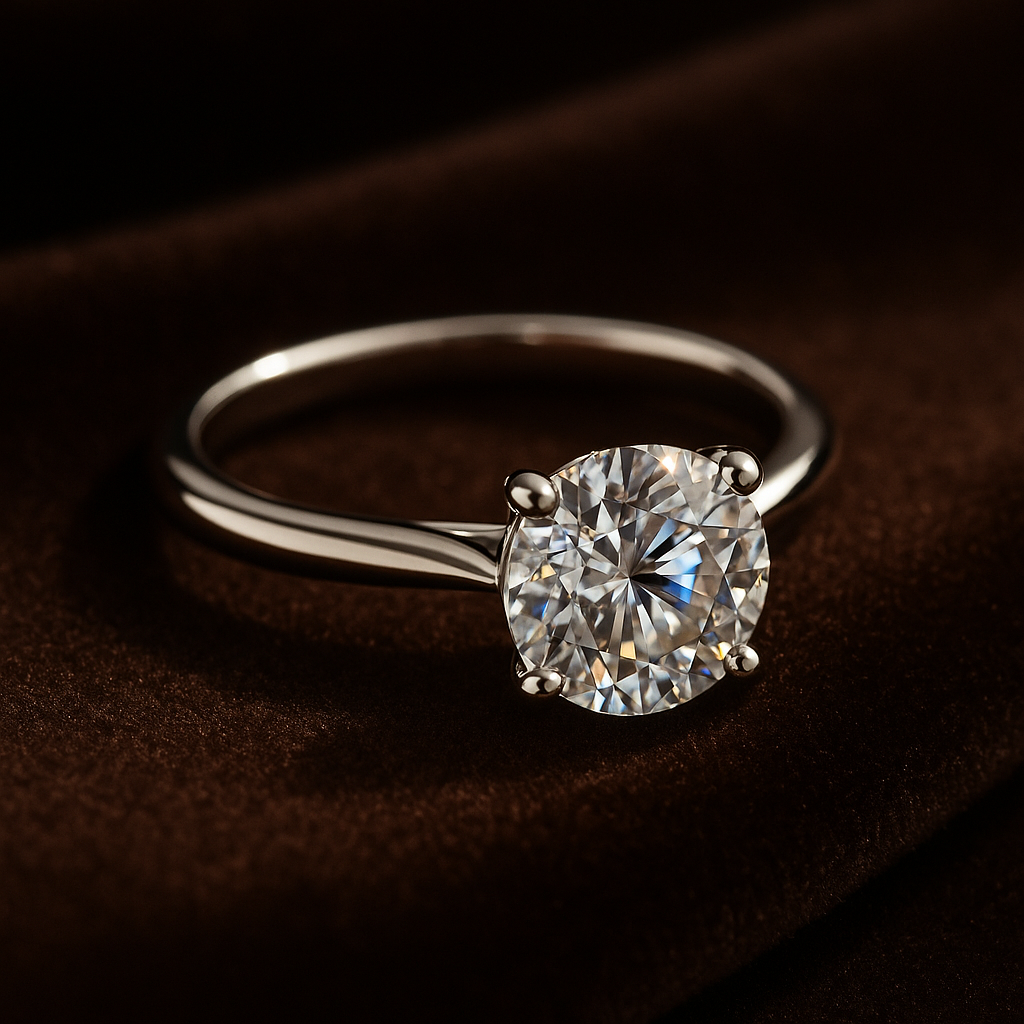
As consumers increasingly seek out sustainable and ethical options, lab-grown diamonds have emerged as a compelling alternative in the world of fine jewelry. With their stunning beauty, affordable pricing, and minimal environmental impact, these gems are reshaping the landscape of engagement rings and luxury accessories. In this article, we will explore what lab-grown diamonds are, how they differ from natural diamonds, and their growing place in the jewelry market.
What Are Lab-Grown Diamonds?
Lab-grown diamonds, also known as synthetic or cultured diamonds, are real diamonds that are created in controlled laboratory environments. They possess the same physical, chemical, and optical properties as natural diamonds and are graded using the same standards.
How Are They Made?
Lab-grown diamonds are typically produced using two main methods:
- High Pressure High Temperature (HPHT): This method mimics the natural conditions under which diamonds form in the Earth’s mantle. By applying extreme heat and pressure, carbon is transformed into diamond.
- Chemical Vapor Deposition (CVD): This method involves ionizing a gas mixture to deposit carbon atoms onto a substrate, layer by layer, until a diamond crystal is formed.
Both methods result in diamonds that are virtually indistinguishable from natural diamonds, even to expert gemologists.
Lab-Grown vs. Natural Diamonds: Key Differences
While lab-grown and natural diamonds share many similarities, there are several important differences to consider:
- Origin: Natural diamonds are formed over billions of years beneath the Earth’s surface, while lab-grown diamonds can be produced in a matter of weeks.
- Price: Lab-grown diamonds are generally more affordable than their natural counterparts, often costing 20-40% less for stones of similar size and quality.
- Environmental Impact: The process of mining natural diamonds can be environmentally destructive. In contrast, lab-grown diamonds are created with a significantly lower carbon footprint.
- Ethics: Lab-grown diamonds are free from ethical concerns related to conflict diamonds, ensuring a cleaner supply chain.
Benefits of Choosing Lab-Grown Diamonds
Here are some compelling reasons to consider lab-grown diamonds for your next jewelry purchase:
- Quality: Lab-grown diamonds can be produced to specific quality standards, often resulting in higher clarity and color grades compared to natural diamonds.
- Customization: Many retailers offer a wide variety of shapes, sizes, and styles, allowing for easily customizable options that suit personal preferences.
- Transparency: With the ability to trace their origins, lab-grown diamonds provide consumers with peace of mind regarding their purchase.
- Innovation: The technology behind lab-grown diamonds is constantly evolving, leading to new possibilities in design and creation.
The Growing Popularity of Lab-Grown Diamonds
Lab-grown diamonds have become increasingly popular among millennials and Gen Z consumers who prioritize sustainability and ethical considerations in their purchases. According to recent studies, a significant percentage of young consumers would choose lab-grown over natural diamonds when making a purchase, highlighting a shift in values.
FAQs About Lab-Grown Diamonds
Are lab-grown diamonds real diamonds?
Yes, lab-grown diamonds are real diamonds. They share the same chemical composition and physical properties as natural diamonds and are graded similarly.
Do lab-grown diamonds look different from natural diamonds?
No, lab-grown diamonds look identical to natural diamonds, as they have the same characteristics. The only difference is their origin.
How are lab-grown diamonds graded?
Lab-grown diamonds are graded based on the same criteria as natural diamonds: the four Cs—carat, cut, color, and clarity. This ensures a consistent quality standard across both types.
Will lab-grown diamonds lose value?
While lab-grown diamonds tend to have a lower resale value compared to natural diamonds, their affordability makes them an attractive option for buyers who prioritize the initial investment over long-term value.
Can you tell the difference between lab-grown and natural diamonds?
Generally, no. Lab-grown diamonds are nearly indistinguishable from natural diamonds without advanced gemological equipment. Only specialized labs can detect the subtle differences.
Conclusion: A Bright Future for Lab-Grown Diamonds
Lab-grown diamonds are reshaping the jewelry industry, offering ethical and sustainable options without compromising on beauty or quality. As consumer demand for responsible luxury continues to rise, lab-grown diamonds represent not just a viable alternative but a trend that is here to stay. Whether you are shopping for an engagement ring or simply wish to indulge in fine jewelry, consider the elegant appeal of lab-grown diamonds as you explore your options.