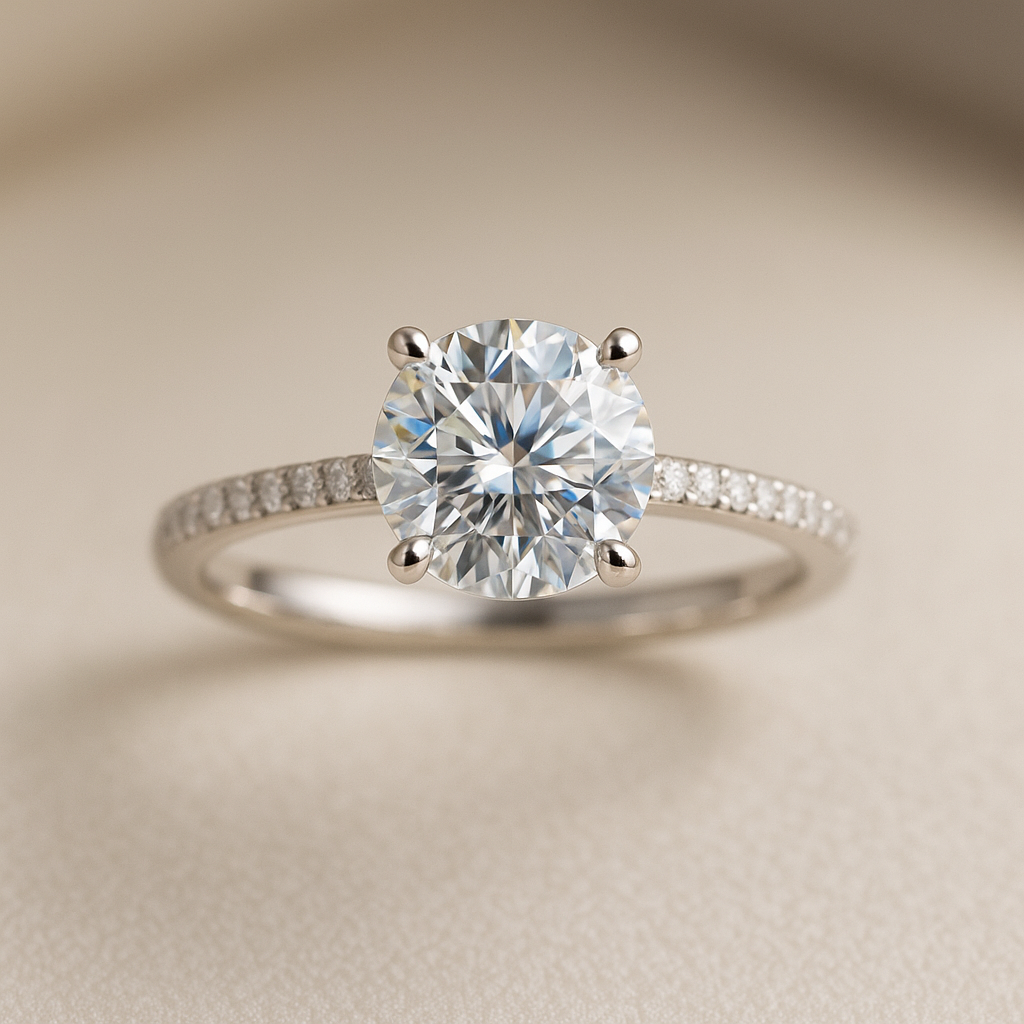
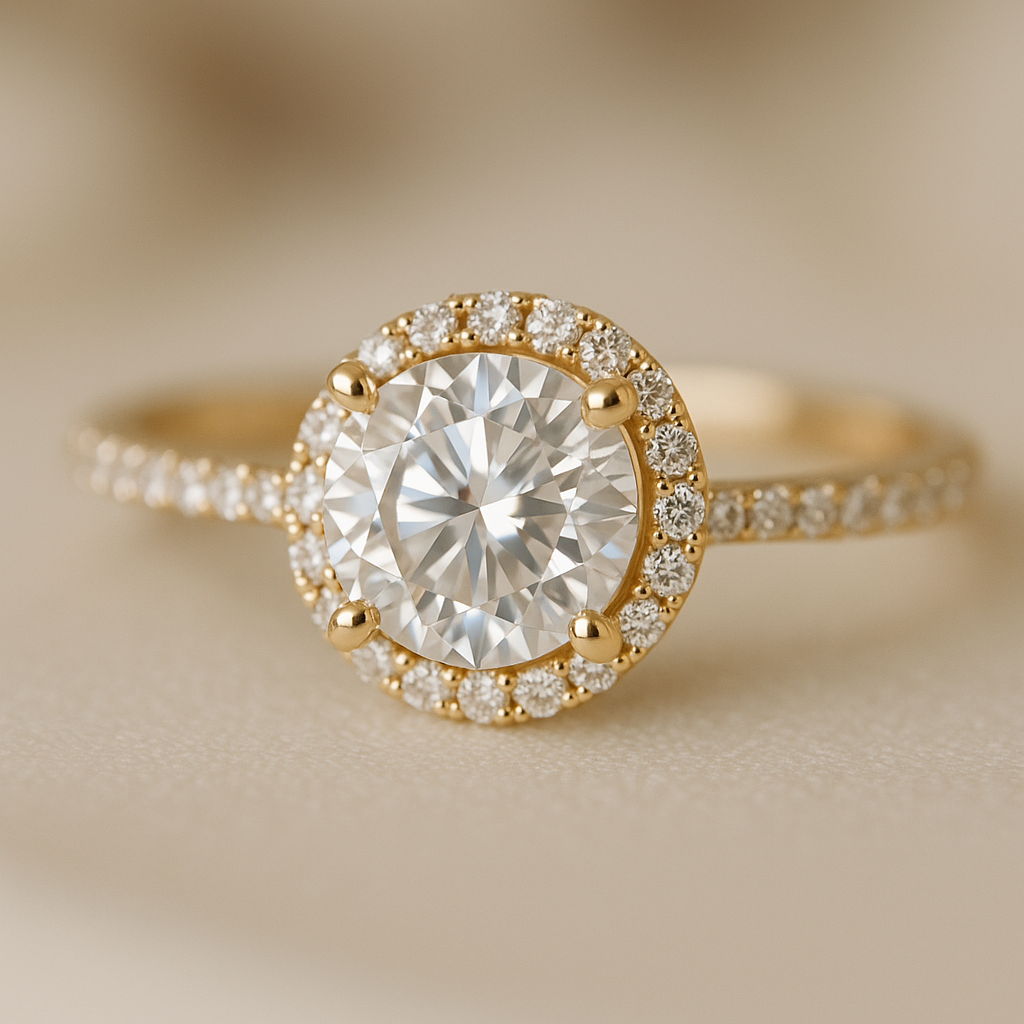
Understanding Lab-Grown Diamonds: The Future of Fine Jewelry
In recent years, lab-grown diamonds have emerged as a popular alternative to natural diamonds, captivating the attention of couples searching for the perfect engagement ring. But what exactly are lab-grown diamonds, and why are they becoming a preferred choice for many? In this article, we will delve deep into the science, benefits, and considerations of lab-grown diamonds, and help you make an informed decision for your jewelry collection.
What Are Lab-Grown Diamonds?
Lab-grown diamonds, also known as synthetic or cultured diamonds, are real diamonds created in controlled environments using advanced technological processes. These diamonds share the same physical, chemical, and optical properties as natural diamonds, which are formed over millions of years deep within the Earth. The two primary methods used to create lab-grown diamonds are High Pressure High Temperature (HPHT) and Chemical Vapor Deposition (CVD).
The Process of Creating Lab-Grown Diamonds
High Pressure High Temperature (HPHT): This method replicates the natural diamond formation process by utilizing extreme heat and pressure. Carbon is placed in a chamber that mimics the conditions found in the Earth’s mantle, allowing it to crystallize into a diamond.
Chemical Vapor Deposition (CVD): CVD involves dissolving carbon in a gas, which is then deposited onto a substrate, gradually building up layers of diamond. This method allows for precise control over the diamond’s growth conditions.
Why Choose Lab-Grown Diamonds?
1. Ethical and Sustainable
One of the biggest advantages of lab-grown diamonds is their ethical sourcing. Unlike some natural diamonds, which may be mined in conflict zones or have adverse environmental impacts, lab-grown diamonds are created in a controlled setting, ensuring a conflict-free purchase.
2. Cost-Effective
Lab-grown diamonds typically cost 20-40% less than their natural counterparts. This allows consumers to purchase larger or higher quality stones within their budget without compromising on beauty or quality.
3. Quality and Variety
Not only are lab-grown diamonds visually stunning, but they can also be made in a range of colors and sizes. The technology behind lab-grown diamonds allows for customization opportunities that are often not available with natural diamonds.
4. Environmental Impact
The production of lab-grown diamonds is generally more environmentally friendly than traditional mining practices. Mining can lead to habitat destruction, water contamination, and large carbon footprints, whereas lab-grown diamonds require less land use and fewer resources.
Comparing Lab-Grown Diamonds to Natural Diamonds
When considering whether to invest in a lab-grown or natural diamond, it’s essential to understand the key differences between the two:
1. Value Retention
Natural diamonds tend to retain their value better than lab-grown diamonds, primarily due to their rarity and the established market demand. However, lab-grown diamonds are gaining acceptance, and their resale potential is gradually improving.
2. Market Perception
Natural diamonds carry a certain prestige and historical allure, while lab-grown diamonds are often viewed as a modern, ethical alternative. As consumer preferences evolve, the perception of lab-grown diamonds continues to shift.
3. Certification
Both lab-grown and natural diamonds can be certified by reputable gemological laboratories. Certificates provide important information about the diamond’s characteristics, including cut, color, clarity, and carat weight, regardless of its origin.
Frequently Asked Questions (FAQ)
1. Are lab-grown diamonds real diamonds?
Yes, lab-grown diamonds are real diamonds. They have the same physical, chemical, and optical properties as natural diamonds.
2. How can I tell if a diamond is lab-grown or natural?
Professional gemologists can use specialized instruments to identify the origin of a diamond. Lab-grown diamonds often have unique growth patterns or inclusions that differ from those found in natural diamonds.
3. Do lab-grown diamonds have resale value?
While lab-grown diamonds may not retain value as well as natural diamonds, the market for them is evolving. Their resale potential is improving as demand increases.
4. Can lab-grown diamonds be customized?
Yes, lab-grown diamonds can be custom-made in various sizes and colors, offering consumers unique options that may not be available in natural diamonds.
5. Are lab-grown diamonds environmentally friendly?
Lab-grown diamonds are generally more sustainable than mined diamonds, as they require fewer resources and have a smaller environmental footprint.
Conclusion
As you embark on the journey of selecting an engagement ring or fine jewelry, considering a lab-grown diamond might be an excellent choice for you. With their ethical sourcing, cost-effectiveness, and stunning quality, lab-grown diamonds offer a modern alternative that aligns with today’s values. Whether you opt for a natural or lab-grown diamond, remember that the most important thing is the love and commitment that the ring represents.