The Rise of Lab-Grown Diamonds: What You Need to Know
In recent years, lab-grown diamonds have emerged as a popular alternative to natural diamonds, captivating the attention of consumers navigating the world of fine jewelry. With their remarkable beauty, ethical production methods, and often more accessible price points, lab-grown diamonds are becoming increasingly relevant in the engagement ring market. In this article, we will explore what lab-grown diamonds are, how they compare to natural diamonds, and why they might be the perfect choice for your next fine jewelry purchase.
What Are Lab-Grown Diamonds?
Lab-grown diamonds, also known as synthetic or cultured diamonds, are diamonds that are created in controlled environments using advanced technological processes. These diamonds possess the same physical, chemical, and optical properties as natural diamonds, making them indistinguishable to the naked eye. Lab-grown diamonds are produced using two primary methods: Chemical Vapor Deposition (CVD) and High Pressure High Temperature (HPHT).
Chemical Vapor Deposition (CVD)
The CVD method involves placing a diamond seed in a chamber filled with carbon-rich gases. These gases are heated, allowing carbon atoms to settle on the seed and gradually form a diamond. This process can take weeks to months, resulting in high-quality diamonds that replicate the natural formation process.
High Pressure High Temperature (HPHT)
The HPHT method mimics the natural conditions under which diamonds form deep within the Earth. A small diamond seed is placed in a carbon source that is subjected to extreme heat and pressure. This process also takes several weeks and results in diamonds that can be both colorless and vivid in hue.
Lab-Grown vs. Natural Diamonds: Key Differences
When considering lab-grown diamonds versus natural diamonds, it’s essential to understand the key differences that may influence your decision:
Origin
Natural diamonds are formed over billions of years deep within the Earth, under high pressure and temperature conditions. In contrast, lab-grown diamonds are created in a matter of weeks or months in laboratory environments.
Cost
One significant advantage of lab-grown diamonds is their affordability. Typically, they are 20-40% less expensive than their natural counterparts, allowing consumers to purchase larger or higher-quality stones for the same price.
Environmental Impact
Lab-grown diamonds are often viewed as a more sustainable choice. Their production eliminates the environmental degradation associated with traditional diamond mining, including habitat destruction and carbon emissions. Additionally, many lab-grown diamonds are produced using renewable energy sources.
Ethical Considerations
Lab-grown diamonds are free from the ethical concerns surrounding conflict diamonds, which can finance violence and exploitation in certain regions. For consumers looking for a responsibly sourced option, lab-grown diamonds offer peace of mind.
Choosing a Lab-Grown Diamond for Your Engagement Ring
When selecting a lab-grown diamond for an engagement ring, consider the following factors:
1. The 4 Cs
Just like natural diamonds, lab-grown diamonds are graded based on the 4 Cs: Cut, Color, Clarity, and Carat weight. Understanding these attributes will help you choose a diamond that fits your preferences and budget.
2. Certification
Look for diamonds that come with certification from reputable gemological laboratories, such as the Gemological Institute of America (GIA) or the International Gemological Institute (IGI). Certification ensures that your diamond has been evaluated for quality and authenticity.
3. Setting
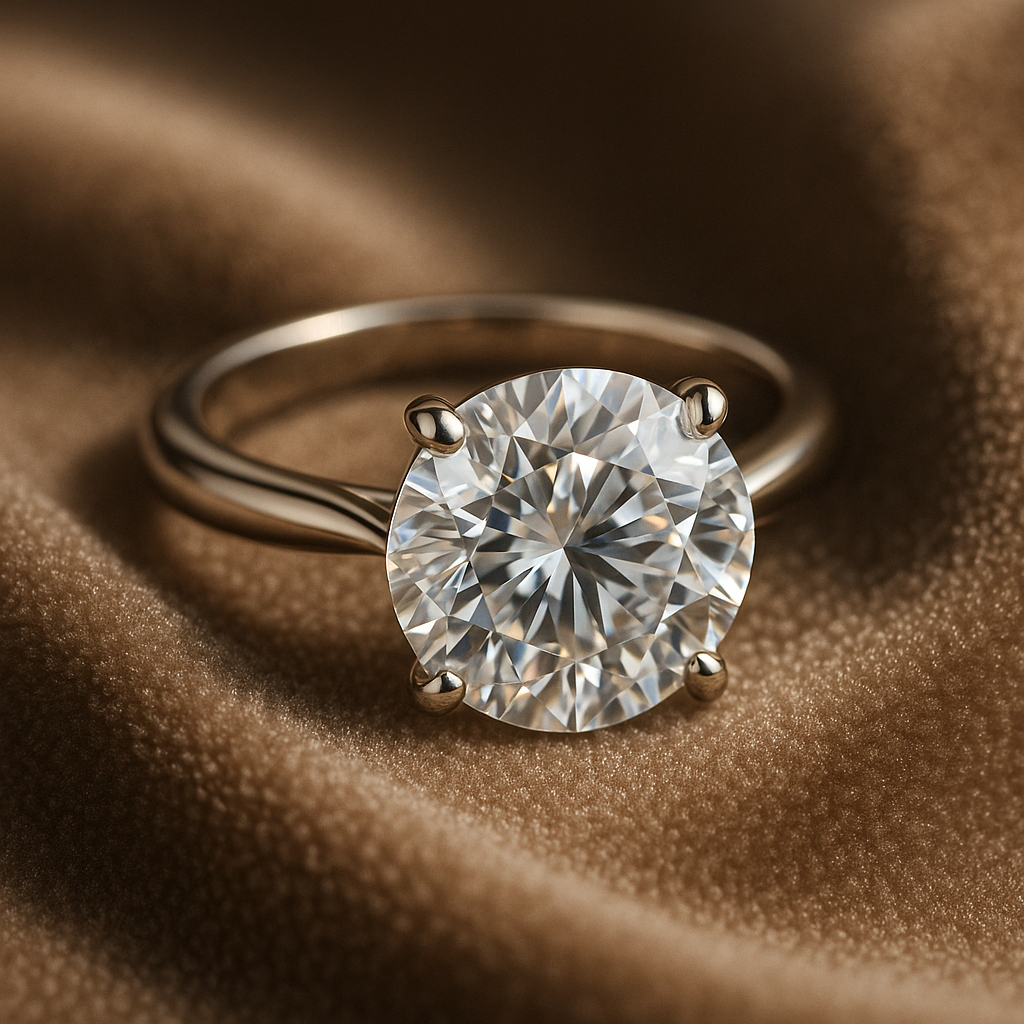
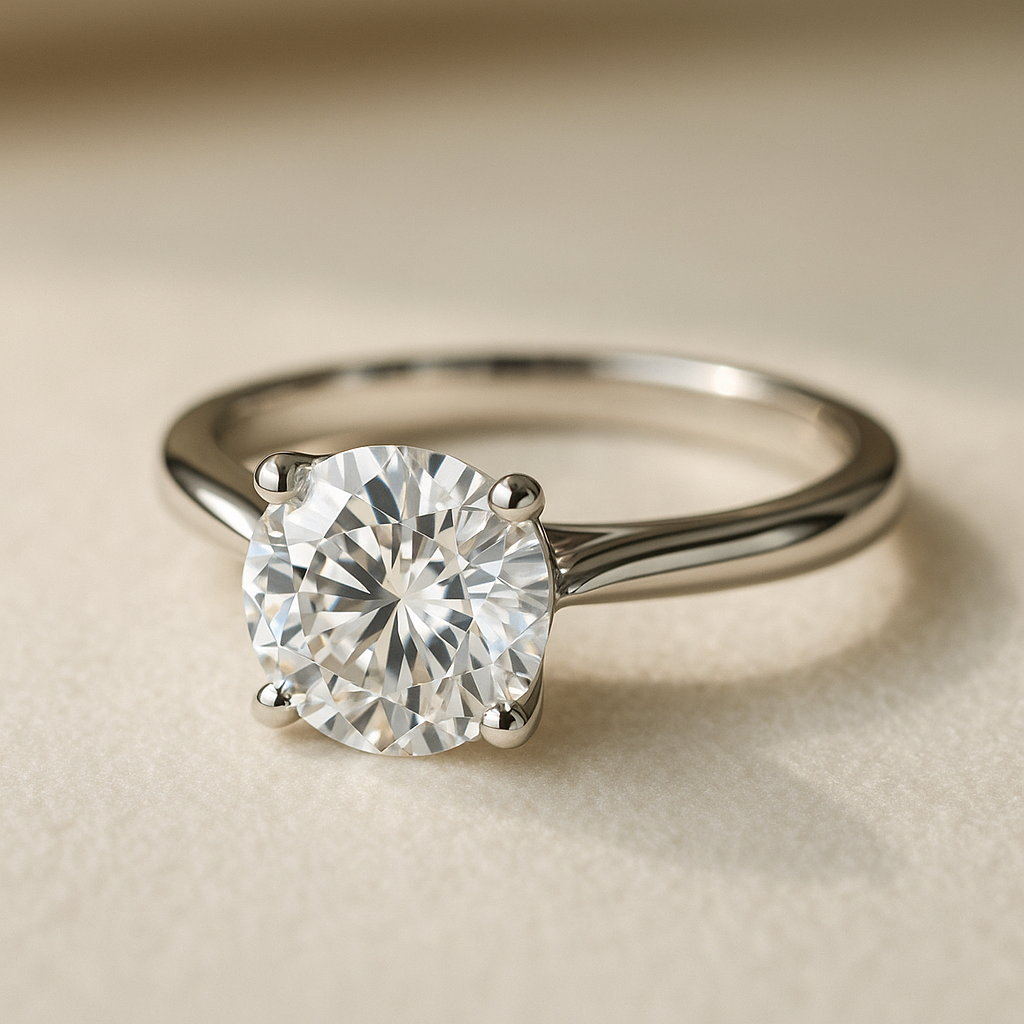
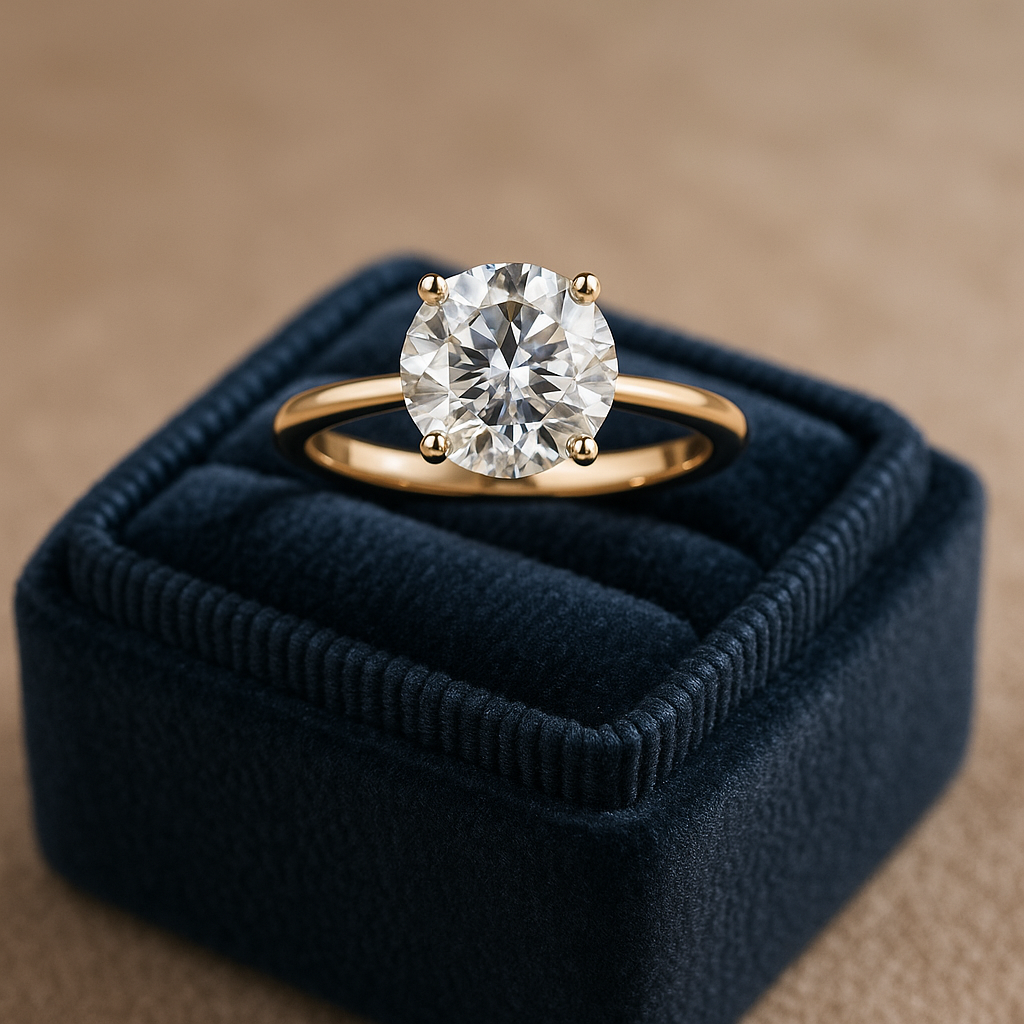
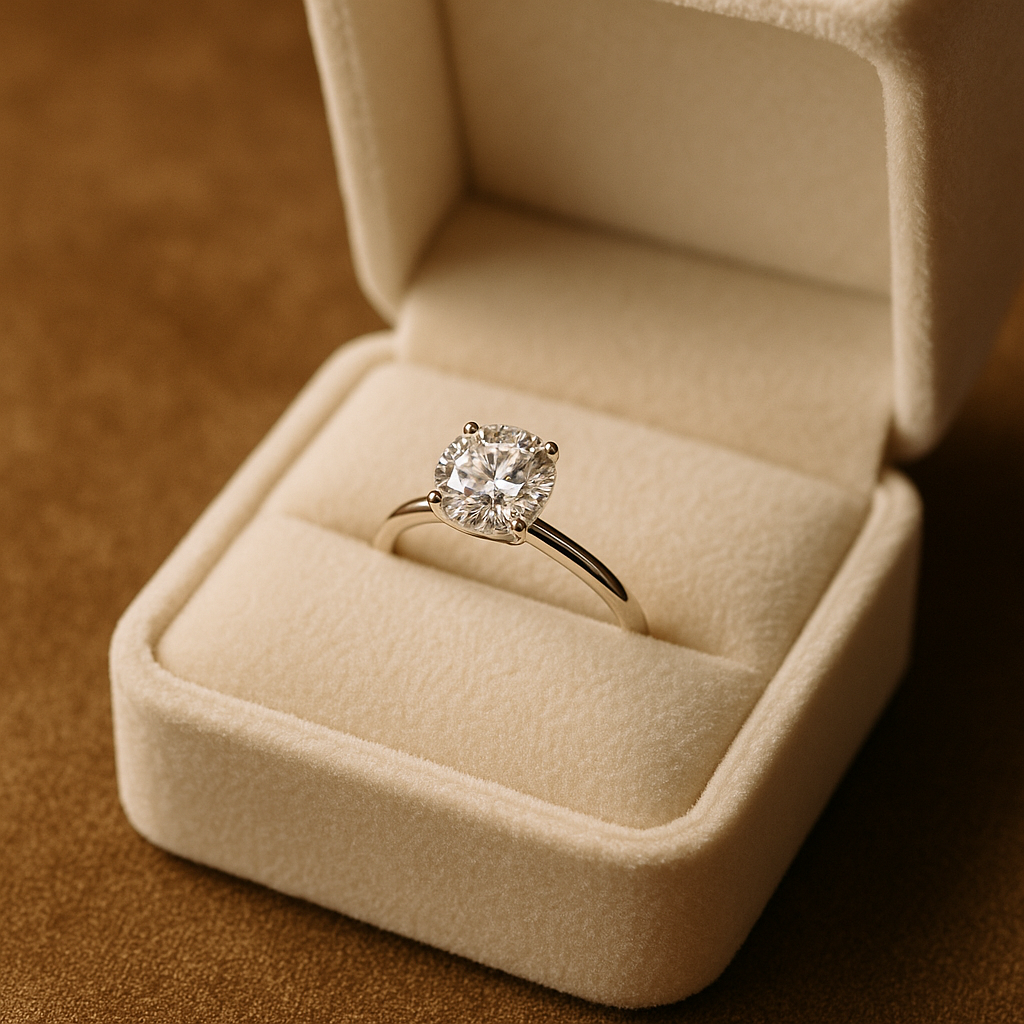
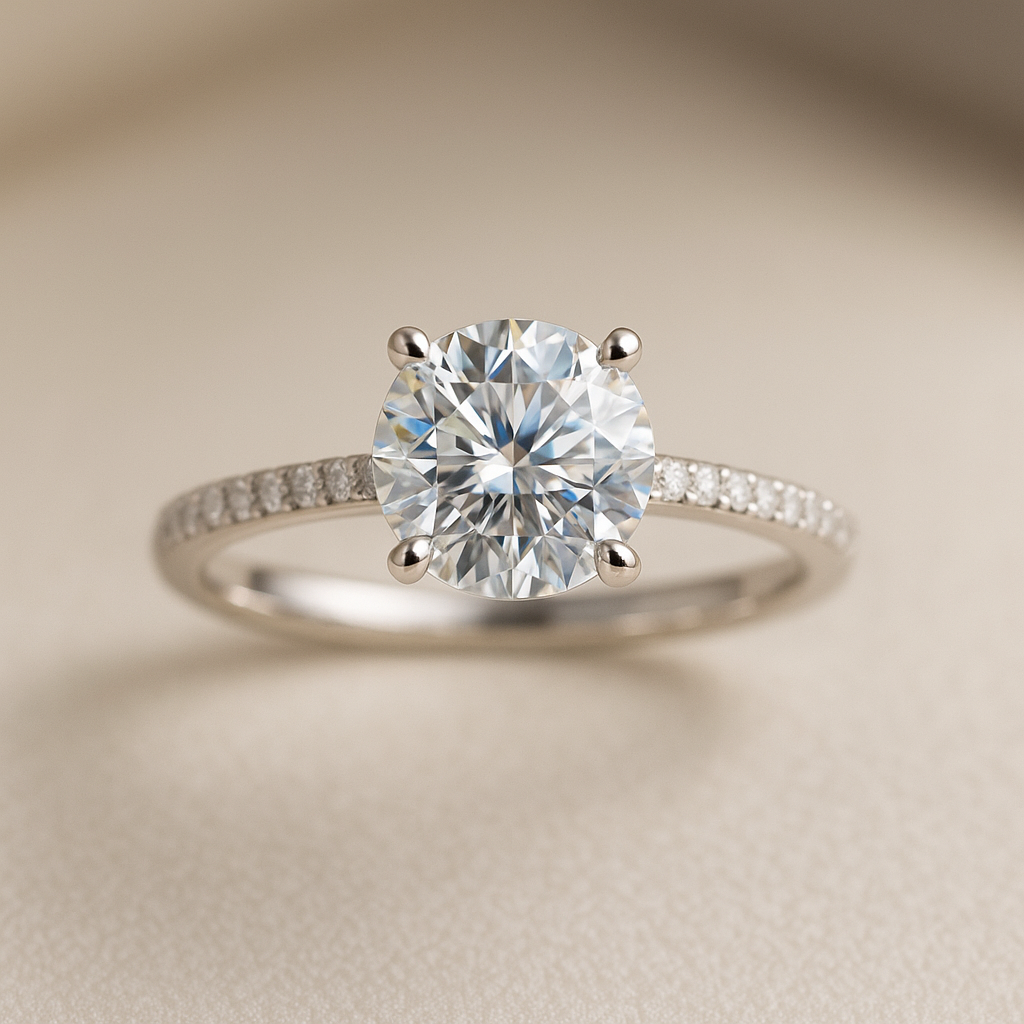
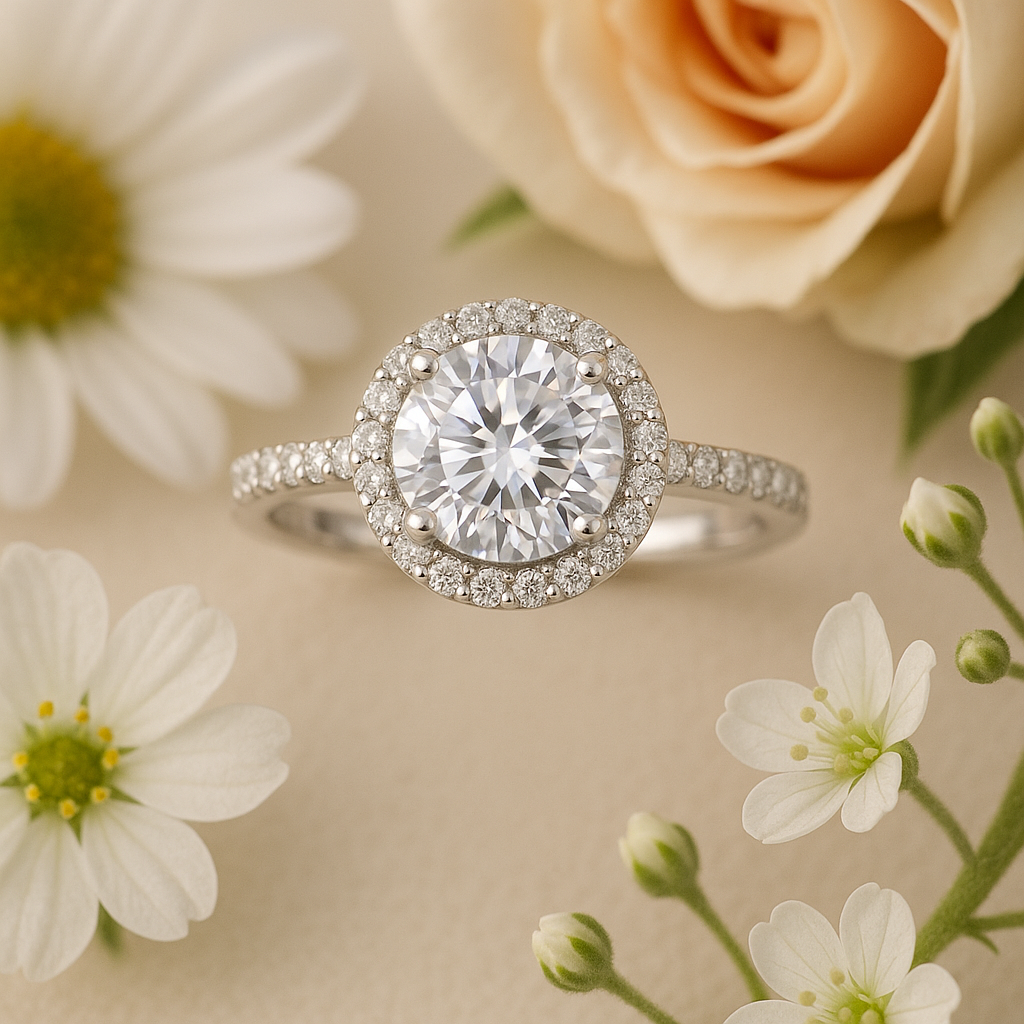
Consider the setting that will complement your lab-grown diamond. Whether it’s a classic solitaire, a halo, or a three-stone design, the setting can enhance the overall appearance of the ring.
Lab-Grown Diamonds in Fashion and Jewelry Trends
Lab-grown diamonds are not just limited to engagement rings. They have made their mark in the broader jewelry market, appearing in necklaces, earrings, and bracelets. Influencers and celebrities have embraced lab-grown diamonds, showcasing them in various styles and settings.
Current Trends
Some current trends in lab-grown diamond jewelry include:
- Personalization: Customized pieces that reflect personal stories and milestones.
- Stackable rings: Layering multiple rings, including lab-grown diamonds, to create a unique look.
- Colored diamonds: The availability of lab-grown colored diamonds has surged, allowing consumers to explore unique hues.
Frequently Asked Questions
Are lab-grown diamonds real diamonds?
Yes, lab-grown diamonds are real diamonds. They have the same physical, chemical, and optical properties as natural diamonds.
Do lab-grown diamonds hold their value?
Lab-grown diamonds typically do not retain their value to the same extent as natural diamonds. However, their lower initial price makes them a more accessible option for many consumers.
Can lab-grown diamonds be resold?
Lab-grown diamonds can be resold, but it is important to understand that the resale market may not be as robust as for natural diamonds.
How can I ensure I’m buying a genuine lab-grown diamond?
To ensure you’re purchasing a genuine lab-grown diamond, always ask for certification from a reputable gemological lab and buy from trusted retailers.
Conclusion
Lab-grown diamonds represent a modern, ethical, and affordable option for consumers seeking engagement rings and fine jewelry. With their stunning beauty and environmentally friendly production methods, they are quickly gaining traction in the jewelry industry. Whether you choose a lab-grown diamond or a natural diamond, the most important factor is that the piece resonates with you and symbolizes your unique love story. Explore our exquisite collection of lab-grown diamond jewelry at Celebrity Diamonds and find the perfect piece that reflects your style and values.