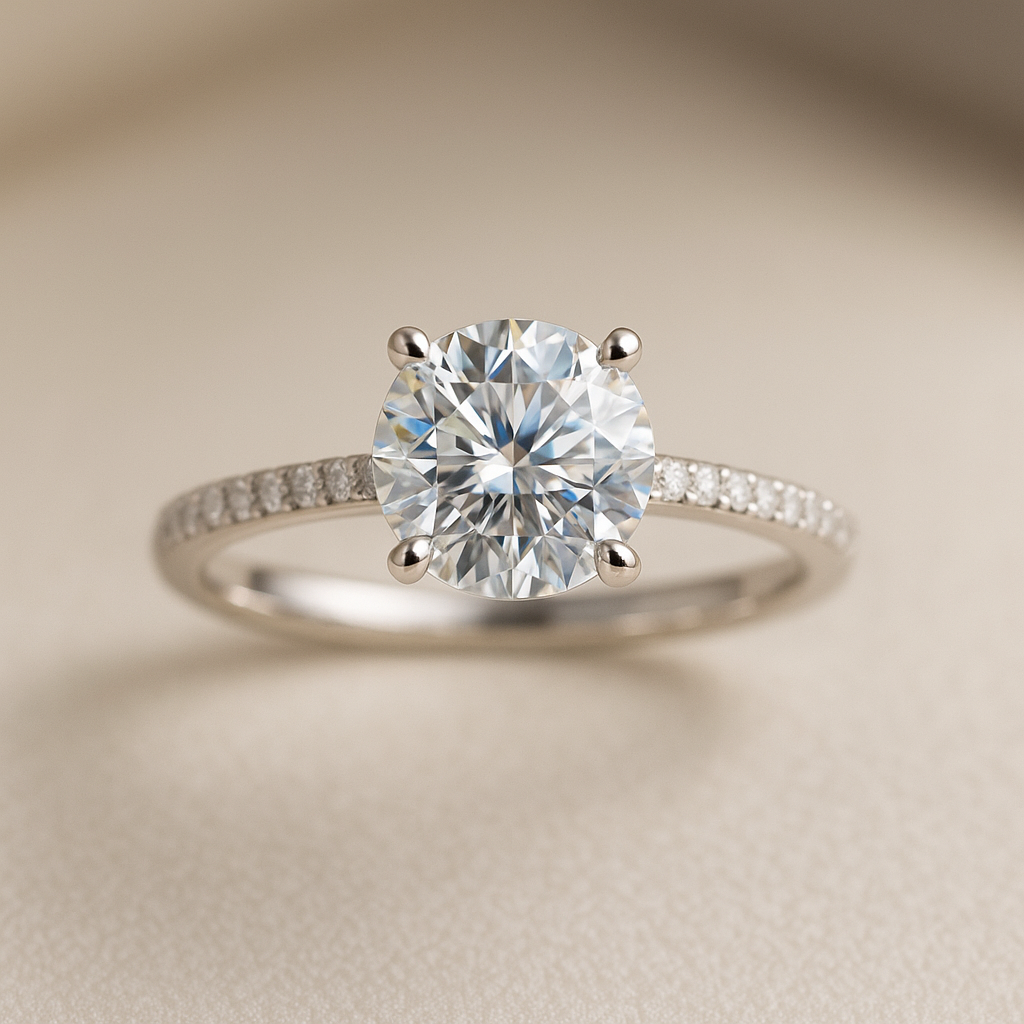

Understanding Lab-Grown Diamonds
In the modern jewelry landscape, lab-grown diamonds are gaining significant attention. As consumers become more informed, many are curious about the differences between lab-grown and natural diamonds. In this guide, we will explore the characteristics, benefits, and considerations of choosing lab-grown diamonds for your engagement ring or fine jewelry.
What Are Lab-Grown Diamonds?
Lab-grown diamonds, also known as synthetic or cultured diamonds, are created using advanced technological processes that replicate the natural conditions under which diamonds form in the Earth. There are two primary methods for creating these diamonds: High Pressure High Temperature (HPHT) and Chemical Vapor Deposition (CVD). Both methods produce diamonds that are chemically, physically, and optically identical to their natural counterparts.
Key Differences Between Lab-Grown and Natural Diamonds
- Origin: Natural diamonds are formed over millions of years deep within the Earth, while lab-grown diamonds are produced within weeks in a controlled environment.
- Cost: Lab-grown diamonds typically cost 20-40% less than natural diamonds of similar quality, making them an attractive option for budget-conscious consumers.
- Environmental Impact: Lab-grown diamonds are often marketed as more sustainable than natural diamonds, which can involve mining practices that impact ecosystems and communities.
- Ethical Considerations: Lab-grown diamonds eliminate concerns about conflict diamonds, which are mined in war zones and sold to finance armed conflict.
The Benefits of Choosing Lab-Grown Diamonds
There are several compelling reasons to consider lab-grown diamonds for your engagement ring or jewelry collection:
1. Affordability
The most immediate benefit of lab-grown diamonds is their price. With lower production costs compared to natural diamonds, lab-grown options allow you to purchase a larger or higher-quality stone within your budget.
2. Ethical Assurance
Choosing a lab-grown diamond means you can feel confident that your purchase is free from ethical dilemmas associated with mining. Many consumers appreciate knowing that their diamond did not contribute to human rights abuses.
3. Environmental Responsibility
Lab-grown diamonds are often viewed as a more eco-friendly choice. The controlled environment of their production significantly reduces the ecological footprint associated with mining.
4. Variety and Customization
Lab-grown diamonds come in various sizes and qualities. Additionally, jewelers often offer customization options, allowing you to create a unique piece tailored to your specific taste and preference.
Potential Drawbacks to Consider
While lab-grown diamonds present many advantages, it’s important to consider some potential drawbacks:
1. Resale Value
Lab-grown diamonds generally have a lower resale value compared to natural diamonds. This is mainly because the market for synthetic diamonds is still developing, and perceptions about their value differ.
2. Perception and Sentiment
Some individuals still hold sentimental value towards natural diamonds, viewing them as a timeless symbol of love and commitment. This perception may influence a buyer’s choice.
How to Choose the Right Lab-Grown Diamond
If you decide to go for a lab-grown diamond, here are some tips for selecting the perfect one:
1. Understand the 4 Cs
Just like natural diamonds, lab-grown diamonds are evaluated based on the 4 Cs: cut, color, clarity, and carat weight. Familiarize yourself with these characteristics to make an informed decision.
2. Certification Matters
Ensure that your lab-grown diamond comes with a certification from a reputable gemological laboratory, such as the Gemological Institute of America (GIA) or the International Gemological Institute (IGI). This certification will confirm the quality and authenticity of the stone.
3. Shop from Reputable Jewelers
Purchase your lab-grown diamond from a trustworthy retailer with a solid reputation for quality and customer service. Do your research and read reviews to make an informed choice.
Lab-Grown Diamonds vs. Natural Diamonds: A Summary
The choice between lab-grown and natural diamonds ultimately comes down to personal preference and values. Consider what matters most to you—whether it’s the price, ethical sourcing, environmental impact, or traditional sentimentality. Both types of diamonds can symbolize love and commitment, making them special regardless of their origin.
FAQs About Lab-Grown Diamonds
Are lab-grown diamonds real?
Yes, lab-grown diamonds are real diamonds. They have the same chemical and physical properties as natural diamonds.
Can you tell the difference between lab-grown and natural diamonds?
Without advanced testing equipment, it’s nearly impossible for an untrained eye to distinguish between lab-grown and natural diamonds.
Do lab-grown diamonds hold their value?
Lab-grown diamonds typically do not retain their value as well as natural diamonds due to the differences in market demand and perception.
How long do lab-grown diamonds last?
Lab-grown diamonds are durable and can last a lifetime, just like natural diamonds, making them an excellent choice for everyday wear.
Conclusion
Lab-grown diamonds represent a modern, ethical, and often more affordable alternative to traditional diamonds. By understanding their unique characteristics and weighing the pros and cons, you can make an informed decision that aligns with your values and budget. Whether you choose a lab-grown or natural diamond, your engagement ring will carry the same love and commitment.