The Rise of Lab-Grown Diamonds: A Comprehensive Guide
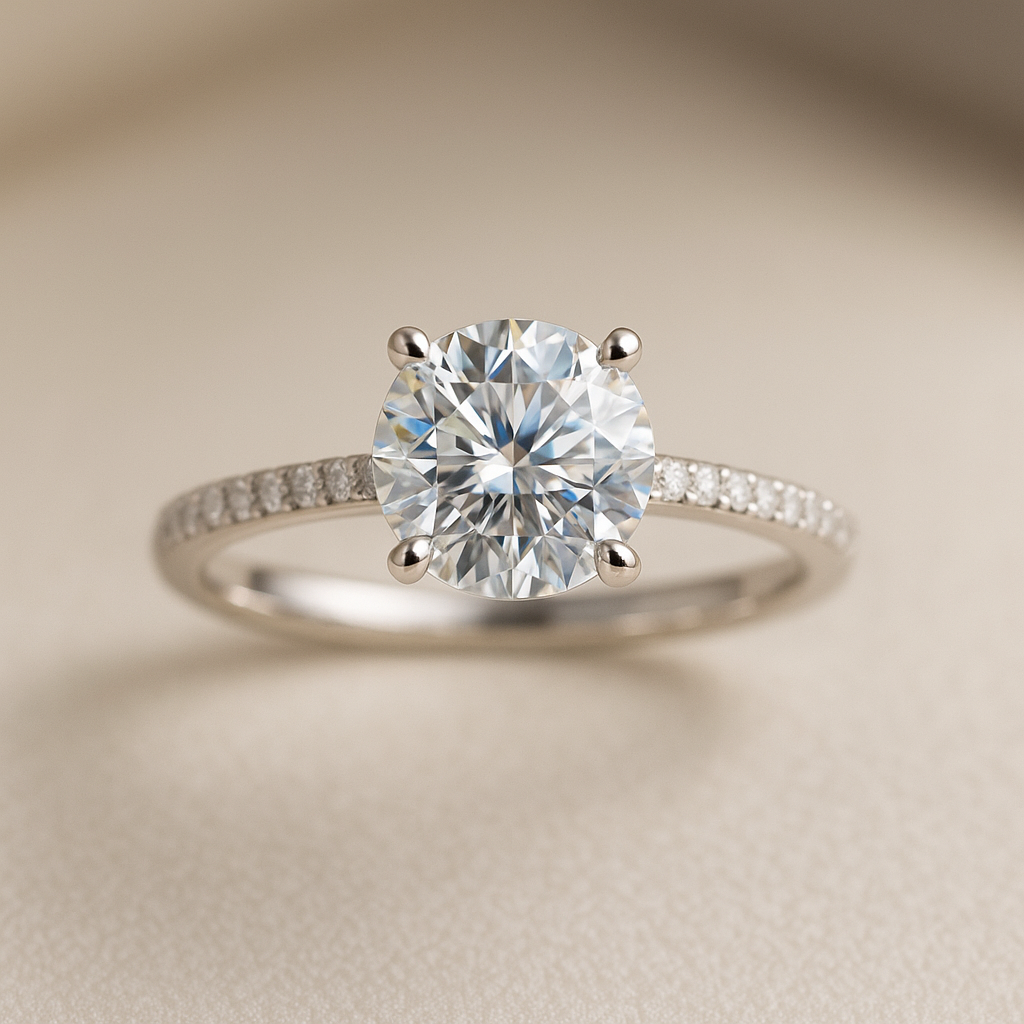
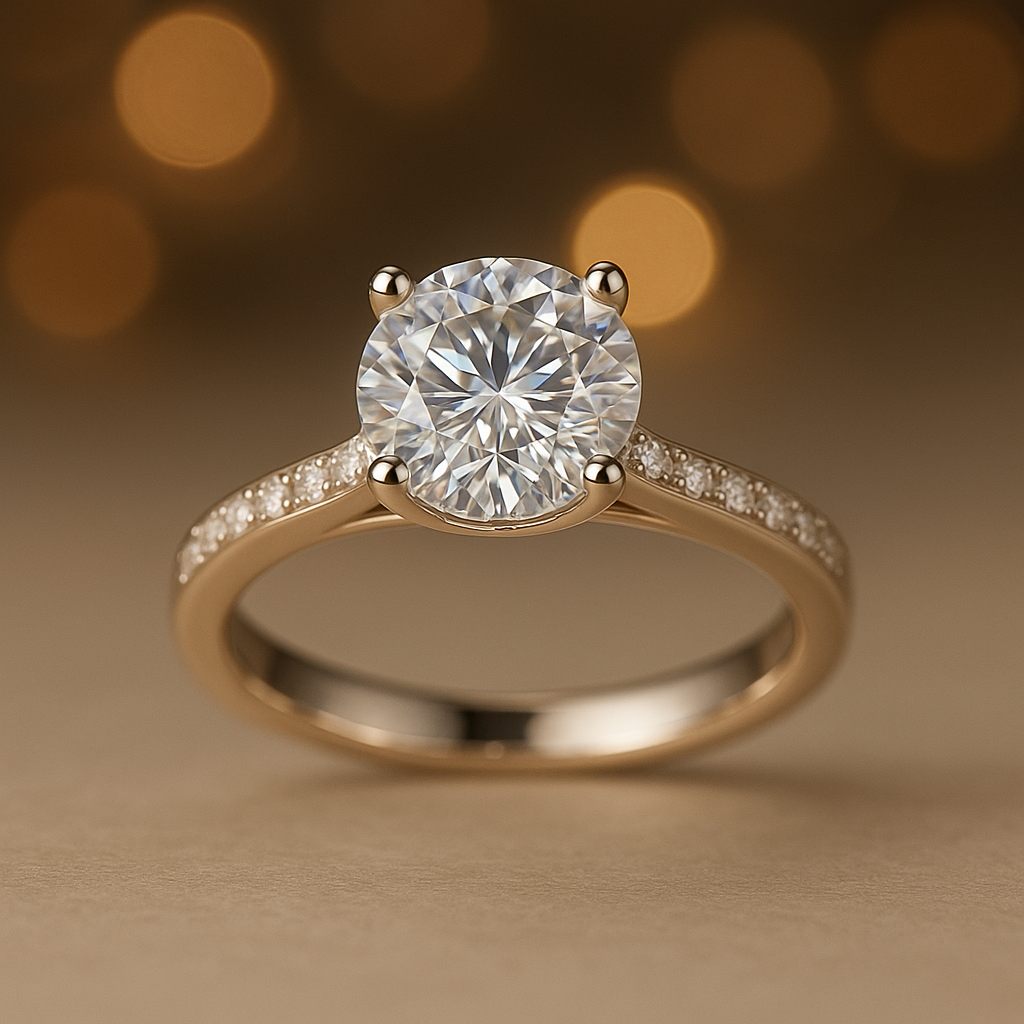
Diamonds have long been regarded as the ultimate symbol of love and commitment, particularly when it comes to engagement rings. In recent years, lab-grown diamonds have emerged as a popular alternative to their natural counterparts, raising questions among consumers. This comprehensive guide will delve into the characteristics, benefits, and considerations of lab-grown diamonds, helping you make an informed decision when selecting your perfect piece of jewelry.
What Are Lab-Grown Diamonds?
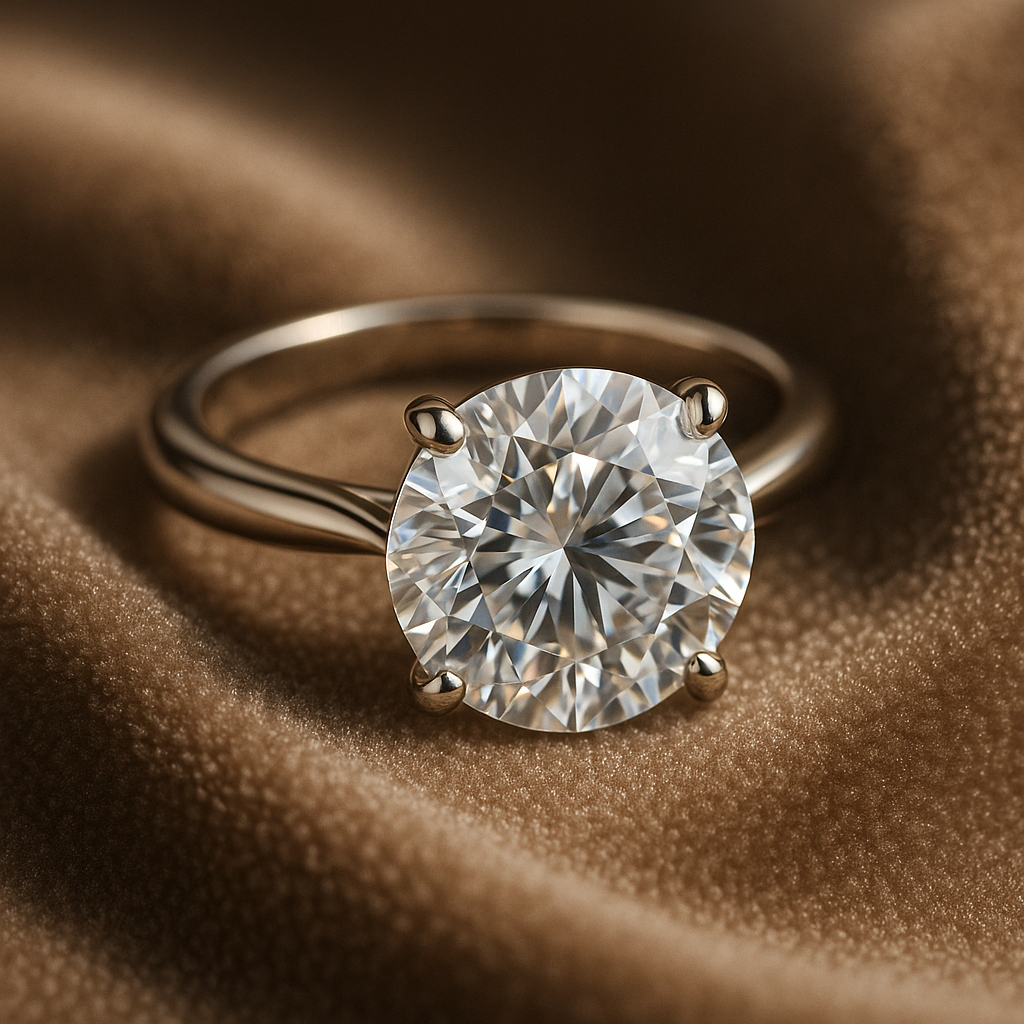
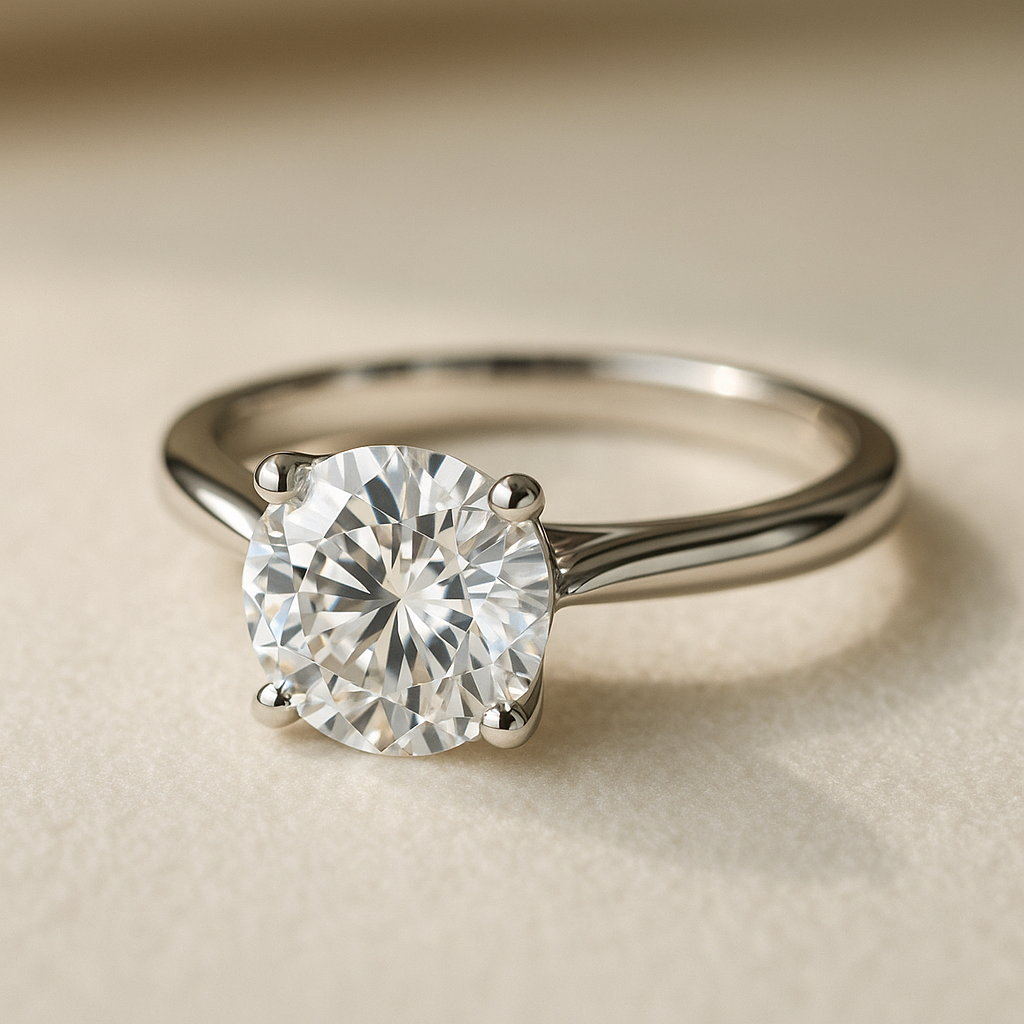
Lab-grown diamonds, also known as synthetic or cultured diamonds, are gems created in controlled laboratory environments using advanced technological processes that replicate the natural conditions under which diamonds form in the Earth. These diamonds exhibit the same physical, chemical, and optical properties as natural diamonds, making them indistinguishable without specialized equipment.
The Two Common Methods of Creating Lab-Grown Diamonds
There are primarily two methods for creating lab-grown diamonds: High Pressure High Temperature (HPHT) and Chemical Vapor Deposition (CVD).
High Pressure High Temperature (HPHT)
The HPHT process mimics the natural diamond formation conditions found deep within the Earth. Carbon sources are subjected to extreme heat and pressure, resulting in diamond crystallization. This method can produce diamonds in various colors, though it is often used for creating colorless diamonds most commonly associated with natural stones.
Chemical Vapor Deposition (CVD)
The CVD method involves placing a carbon-containing gas in a chamber and exposing it to high temperatures, which allows carbon atoms to bond and form diamond crystals. This technique enables more control over the diamond’s characteristics, including its color and clarity. CVD diamonds are increasingly popular due to their sustainability and ethical production methods.
Lab-Grown Diamonds vs. Natural Diamonds: Key Differences
While both lab-grown and natural diamonds share the same physical and chemical properties, there are several notable differences worth considering:
- Origin: Natural diamonds are mined from the Earth, while lab-grown diamonds are created in a lab setting.
- Environmental Impact: Lab-grown diamonds have a significantly lower environmental footprint, as they do not involve destructive mining practices.
- Price: Lab-grown diamonds typically cost 20-40% less than natural diamonds of comparable quality, making them an attractive option for budget-conscious consumers.
- Resale Value: Natural diamonds generally hold their value better over time compared to lab-grown diamonds, which can depreciate more quickly.
The Benefits of Choosing Lab-Grown Diamonds
Opting for a lab-grown diamond comes with several advantages:
1. Ethical Considerations
Many consumers today are concerned about the ethical implications of diamond mining, including labor practices and the impact on local communities. Lab-grown diamonds are free from these concerns, offering a guilt-free alternative.
2. Greater Transparency
Lab-grown diamonds are typically sold with detailed documentation regarding their origin, production process, and grading. This transparency can help consumers feel more confident in their purchase.
3. Customization Options
CVD diamonds, in particular, allow for more customization in terms of color and clarity. This means you can find a diamond that perfectly fits your preferences and style.
4. Cost-Effectiveness
With a lower price point, lab-grown diamonds enable consumers to choose larger stones or higher-quality diamonds within their budget, making them an appealing option for engagement rings and other fine jewelry.
Popular Misconceptions about Lab-Grown Diamonds
Despite the benefits, several misconceptions about lab-grown diamonds persist:
1. They Are Fake Diamonds
Lab-grown diamonds are not cubic zirconia or other diamond simulants; they are real diamonds with the same properties as natural ones. The only difference is their origin.
2. They Lack Value
While lab-grown diamonds may have a different resale value, they are still genuine diamonds that can be cherished for their beauty and significance.
3. They Are Lower Quality
Quality varies in both natural and lab-grown diamonds, and one can find lab-grown diamonds that surpass natural ones in clarity and color.
How to Choose a Lab-Grown Diamond
When choosing a lab-grown diamond, consider the following factors:
1. The Four Cs: Cut, Color, Clarity, and Carat Weight
Just like natural diamonds, lab-grown diamonds are graded using the Four Cs. Understanding these characteristics will help you choose a diamond that meets your standards.
2. Certification
Always look for a certificate from a reputable grading laboratory, such as the Gemological Institute of America (GIA) or the International Gemological Institute (IGI), to ensure the quality and authenticity of the diamond.
3. Retailer Reputation
Purchase from a trusted retailer who specializes in lab-grown diamonds. Check their return policy, warranty, and customer service ratings to ensure a positive shopping experience.
Frequently Asked Questions (FAQs)
1. Are lab-grown diamonds more ethical than natural diamonds?
Yes, lab-grown diamonds do not involve mining, which can be associated with ethical concerns, making them a more socially responsible choice.
2. How do I care for my lab-grown diamond?
Caring for lab-grown diamonds is similar to caring for natural diamonds. Regular cleaning and proper storage will maintain their brilliance and beauty.
3. Will my lab-grown diamond look different from a natural diamond?
No, lab-grown diamonds exhibit the same appearance and characteristics as natural diamonds. They are virtually indistinguishable without advanced testing.
4. Can I get a lab-grown diamond in any shape or size?
Yes, lab-grown diamonds can be created in various shapes and sizes, providing ample options to suit your preferences.
Conclusion
Lab-grown diamonds represent a significant shift in the diamond industry, offering an ethical and cost-effective alternative to natural diamonds. By understanding their characteristics, benefits, and how to choose wisely, consumers can confidently select the perfect lab-grown diamond for their engagement ring or fine jewelry piece. Whether you prioritize ethical considerations, budget, or customization, lab-grown diamonds are a valuable option in today’s jewelry market.