Understanding Lab-Grown Diamonds: The Future of Fine Jewelry
In recent years, lab-grown diamonds have surged in popularity, captivating both consumers and industry experts alike. As couples embark on their journey to find the perfect engagement ring, understanding the nuances between lab-grown and natural diamonds is essential for making an informed decision. This comprehensive guide will explore what lab-grown diamonds are, their advantages, how they compare to natural diamonds, and why they are becoming a top choice for modern shoppers.
What Are Lab-Grown Diamonds?
Lab-grown diamonds, also known as synthetic or cultured diamonds, are real diamonds that are created in controlled laboratory environments. They possess the same physical, chemical, and optical properties as natural diamonds. The two primary methods for growing diamonds in a lab are High Pressure-High Temperature (HPHT) and Chemical Vapor Deposition (CVD).
High Pressure-High Temperature (HPHT)
The HPHT method simulates the natural conditions under which diamonds are formed deep within the Earth. Carbon is subjected to extreme heat and pressure, resulting in the creation of diamond crystals. This process can take a few weeks to several months.
Chemical Vapor Deposition (CVD)
The CVD process involves introducing carbon-containing gases into a chamber, where they are ionized to form plasma. This plasma then deposits carbon atoms onto a substrate, gradually building up diamond layers. This method is often favored for producing high-quality diamonds and can take a few weeks.
Benefits of Lab-Grown Diamonds
Lab-grown diamonds offer several advantages that appeal to today’s conscientious consumers:
- Ethical Sourcing: Lab-grown diamonds are conflict-free, eliminating concerns about the ethical implications often associated with natural diamond mining.
- Environmental Impact: The production of lab-grown diamonds has a significantly lower environmental footprint compared to traditional diamond mining, which can lead to habitat destruction and soil degradation.
- Cost-Effectiveness: Typically, lab-grown diamonds are 20% to 40% less expensive than their natural counterparts, enabling savvy shoppers to maximize value.
- Quality and Variety: Lab-grown diamonds can be produced in a variety of colors and sizes, offering a diverse selection for consumers.
Lab-Grown vs. Natural Diamonds: Key Comparisons
When choosing between lab-grown and natural diamonds, it’s essential to consider various factors, including price, durability, and resale value.
Price Comparison
As mentioned, lab-grown diamonds are generally more affordable than natural diamonds. This price difference allows buyers to invest in larger or higher-quality stones without breaking the bank. For instance, a stunning 1.0-carat lab-grown diamond may cost significantly less than a similar natural diamond.
Durability
Both lab-grown and natural diamonds score a perfect 10 on the Mohs hardness scale, making them equally durable and resistant to scratches. Lab-grown diamonds endure the same wear and tear as natural diamonds, ensuring they will stand the test of time.
Resale Value
One of the critical considerations for many consumers is the resale value of their investment. Natural diamonds have historically maintained a higher resale value. However, as the lab-grown diamond market continues to mature and gain acceptance, this disparity may begin to narrow.
Frequently Asked Questions (FAQs)
1. Are lab-grown diamonds real diamonds?
Yes, lab-grown diamonds are real diamonds. They have the same chemical composition and physical properties as natural diamonds and are graded using the same criteria.
2. How can I identify a lab-grown diamond?
Lab-grown diamonds can be identified through specialized equipment used by jewelers and gemologists. In many cases, they are inscribed with a unique identification number that indicates they were created in a lab.
3. Do lab-grown diamonds look different from natural diamonds?
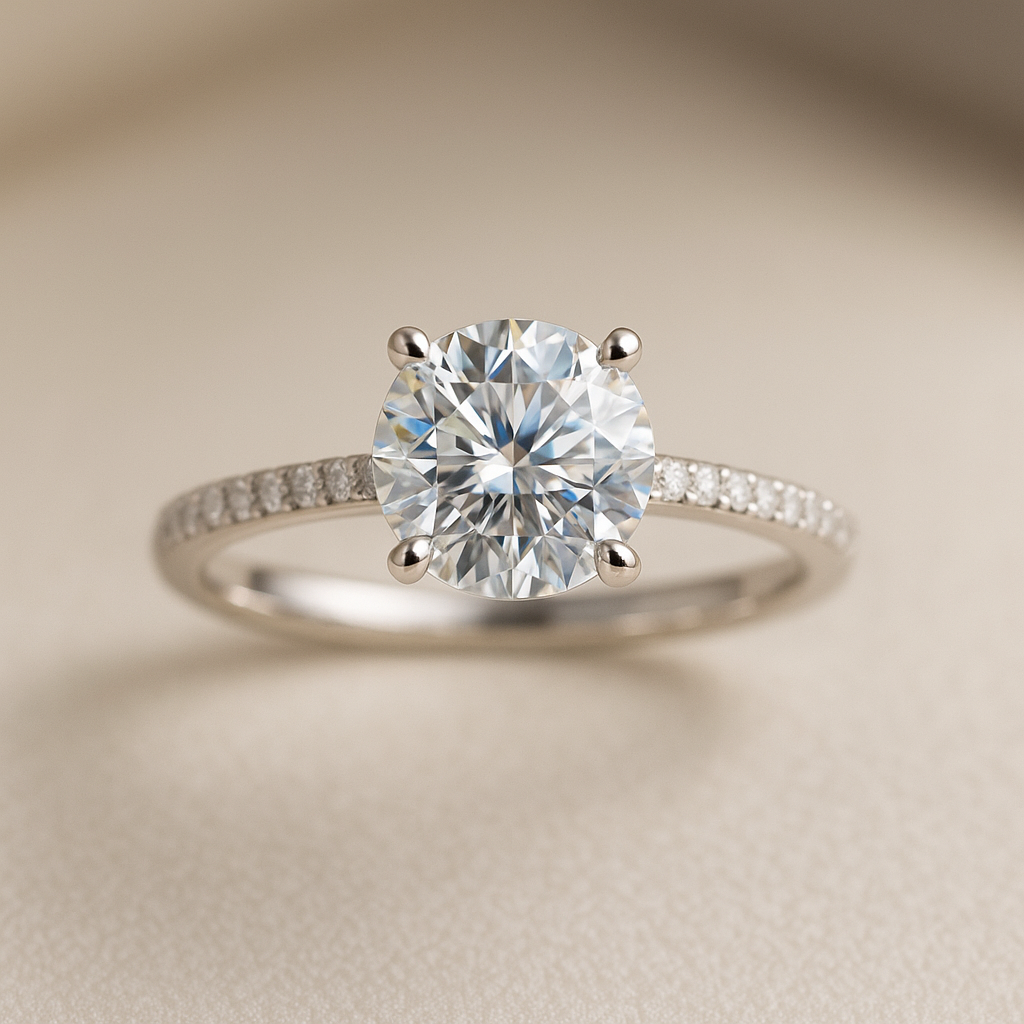
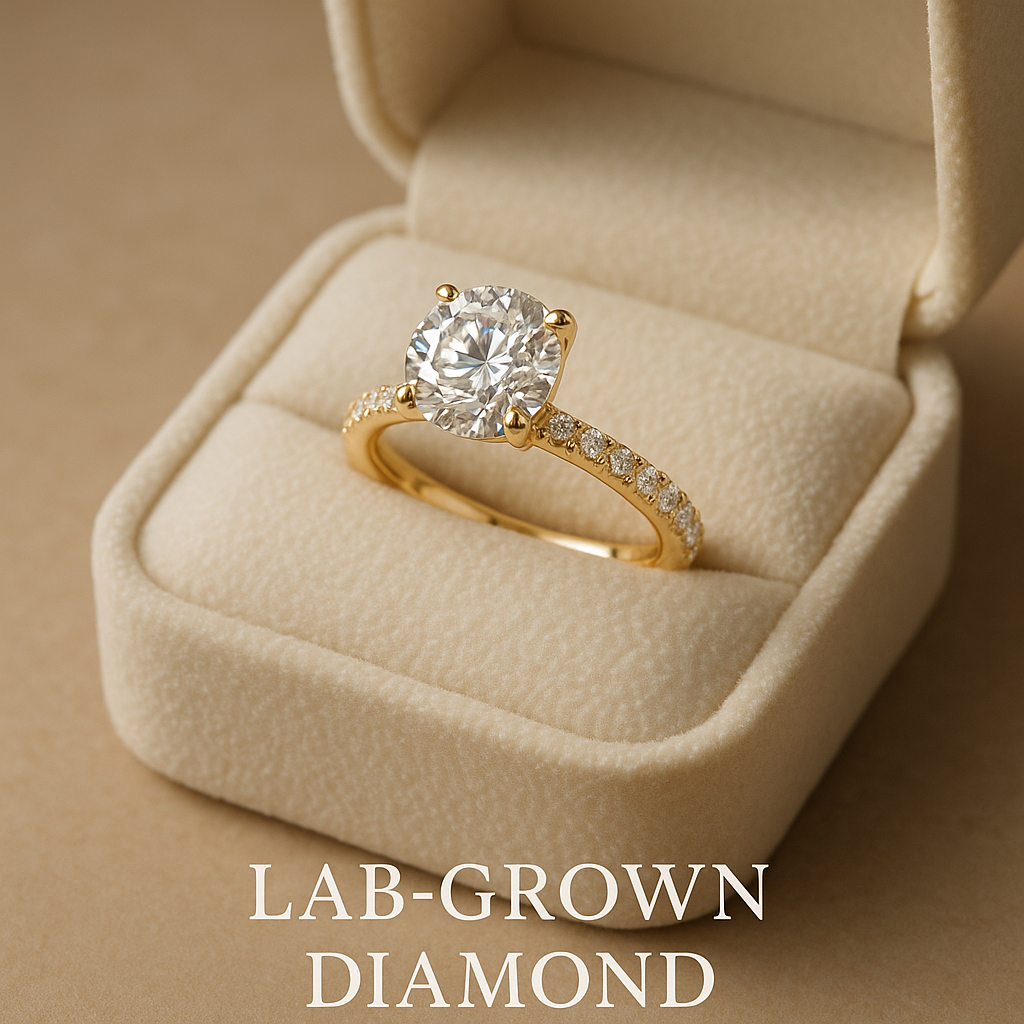
No, lab-grown diamonds are visually indistinguishable from natural diamonds to the naked eye. They exhibit the same brilliance and fire, making them equally stunning.
4. Are lab-grown diamonds eco-friendly?
Yes, lab-grown diamonds have a significantly lower environmental impact compared to traditional diamond mining, which can cause extensive ecological damage. The controlled environments of labs minimize ecological disruption.
5. Can I get a custom design with lab-grown diamonds?
Absolutely! Many jewelers, including Celebrity Diamonds, offer custom engagement ring designs featuring lab-grown diamonds, allowing you to create a personalized piece that reflects your unique style.
Conclusion: The Right Choice for You
As the landscape of fine jewelry evolves, lab-grown diamonds have carved out a significant niche in the market. They offer ethical, affordable, and high-quality alternatives to natural diamonds, making them an appealing choice for modern consumers. Whether you prioritize sustainability, budget, or customization options, lab-grown diamonds provide a compelling option that meets diverse needs.
At Celebrity Diamonds, we believe in empowering our customers with knowledge. As you explore engagement rings and fine jewelry, consider the many benefits of lab-grown diamonds. They represent not just a beautiful choice for your special occasion, but also a step towards a more ethical and sustainable jewelry industry.