Understanding the Value of Lab-Grown Diamonds for Your Engagement Ring
In the evolving landscape of the jewelry industry, lab-grown diamonds have emerged as a compelling choice for consumers seeking quality and value, especially when it comes to engagement rings. As a blend of science and luxury, these diamonds offer numerous benefits that are making them increasingly popular among couples. This article will explore what lab-grown diamonds are, their advantages, and why they may be the perfect choice for your love story.
What are Lab-Grown Diamonds?
Lab-grown diamonds, also known as synthetic or cultured diamonds, are real diamonds that are created in controlled laboratory environments. They share the same physical, chemical, and optical properties as natural diamonds. In fact, lab-grown diamonds are made from the same carbon material as natural diamonds, and they are graded using the same standards (the 4Cs: Cut, Color, Clarity, and Carat).
How are Lab-Grown Diamonds Made?
There are two primary methods for creating lab-grown diamonds: High Pressure High Temperature (HPHT) and Chemical Vapor Deposition (CVD). Both methods replicate the natural process of diamond formation but in a significantly shorter time frame.
High Pressure High Temperature (HPHT)
In the HPHT method, diamonds are created by mimicking the intense pressure and heat conditions that occur deep within the Earth. This process can take several weeks, resulting in diamonds that are virtually identical to natural stones.
Chemical Vapor Deposition (CVD)
The CVD method involves placing a carbon source in a vacuum chamber where it is heated to create a plasma, allowing carbon atoms to deposit and gradually form a diamond. CVD diamonds typically require around 6 to 10 weeks to grow.
Benefits of Choosing Lab-Grown Diamonds
Lab-grown diamonds come with a myriad of advantages that cater to the needs and preferences of modern consumers:
1. Ethical Considerations
One of the most significant benefits of lab-grown diamonds is their ethical appeal. Unlike natural diamonds, which are often associated with environmental destruction and human rights abuses, lab-grown diamonds are sourced responsibly. They do not contribute to conflict or exploitative labor practices.
2. Environmental Impact
Lab-grown diamonds have a considerably lower environmental footprint compared to their mined counterparts. The creation of lab-grown diamonds requires significantly less land disruption and water usage. Choosing a lab-grown option allows you to make a more eco-conscious decision without sacrificing beauty.
3. Cost-Effectiveness
Lab-grown diamonds can cost 20% to 40% less than natural diamonds, making them an attractive option for budget-conscious couples. This cost advantage allows shoppers to invest in higher-quality stones or put their savings toward other aspects of their wedding or future together.
4. Variety and Customization
With lab-grown diamonds, consumers often have access to a broader selection of stones. This includes options for unique cuts, colors, and sizes that may be rare or expensive in natural stones. Additionally, many jewelers offer customization options, allowing couples to create the perfect ring that reflects their style.
5. Quality Assurance
Lab-grown diamonds are subjected to rigorous quality control standards, ensuring that each stone meets high aesthetic and structural benchmarks. Many of them come with certification from reputable gemological laboratories, providing peace of mind regarding their quality.
Lab-Grown Diamonds vs. Natural Diamonds: Key Comparisons
When deciding between lab-grown and natural diamonds, it’s crucial to understand their differences and similarities:
1. Appearance
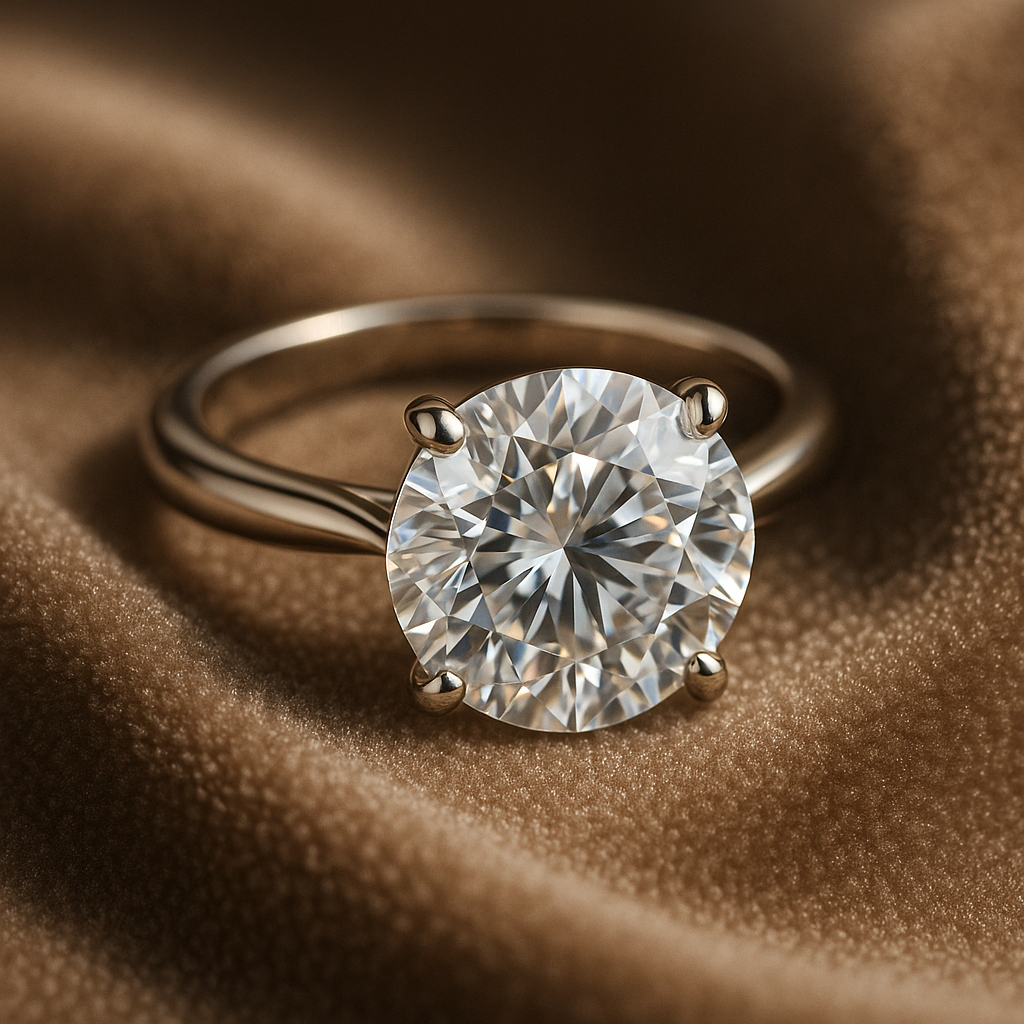
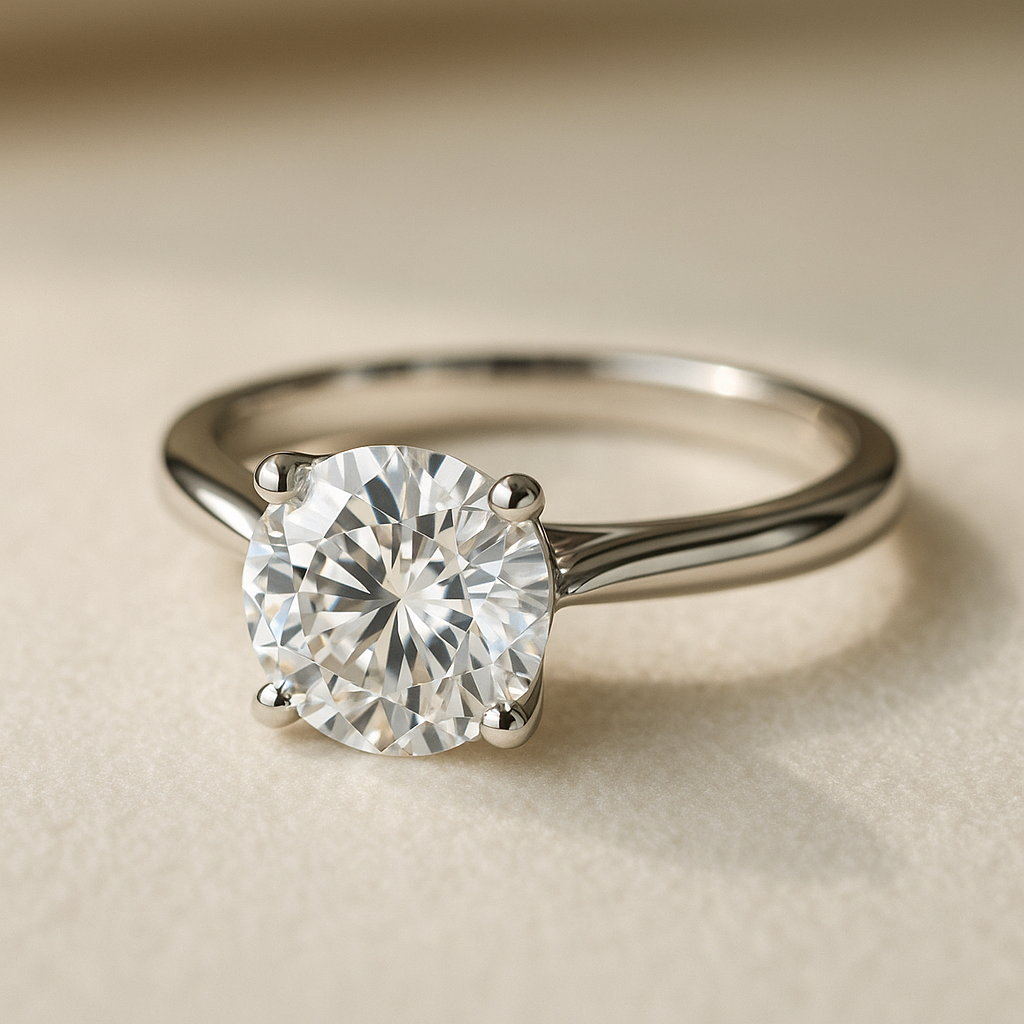
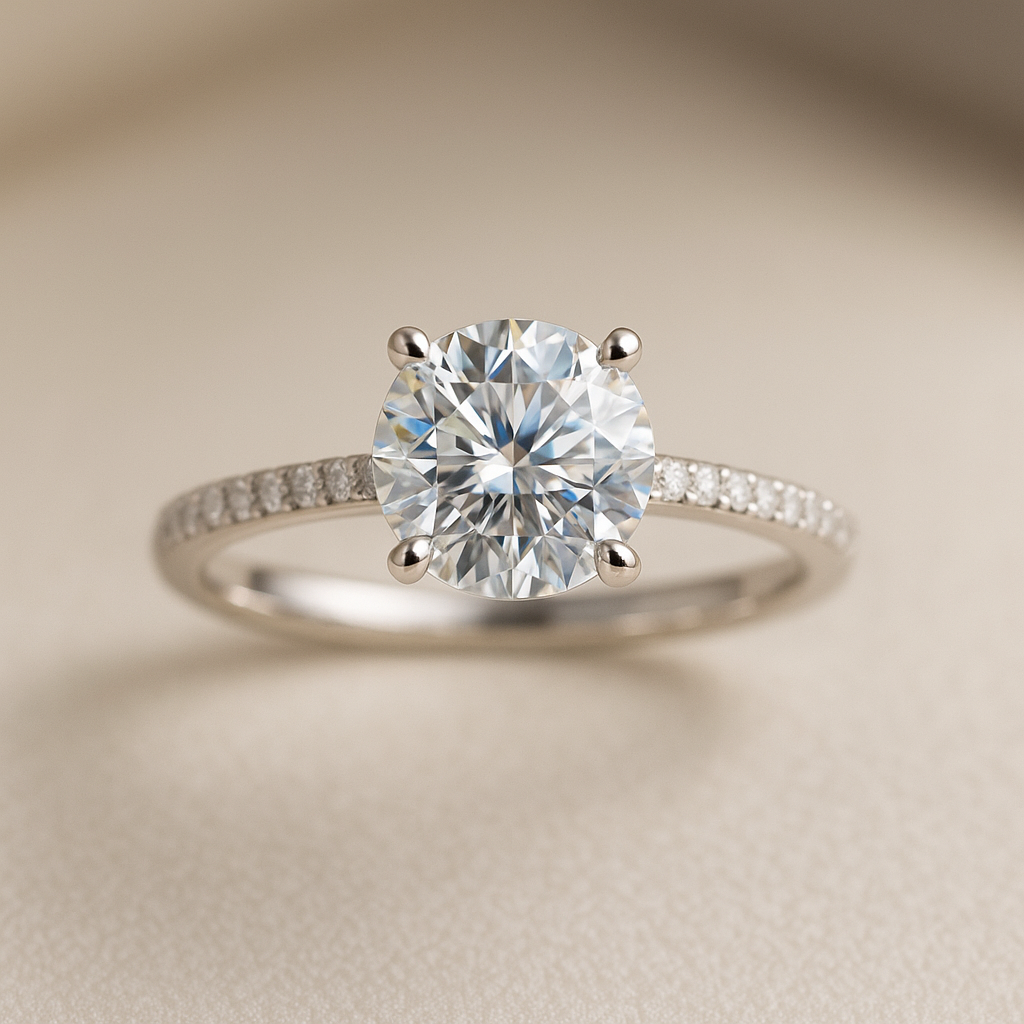
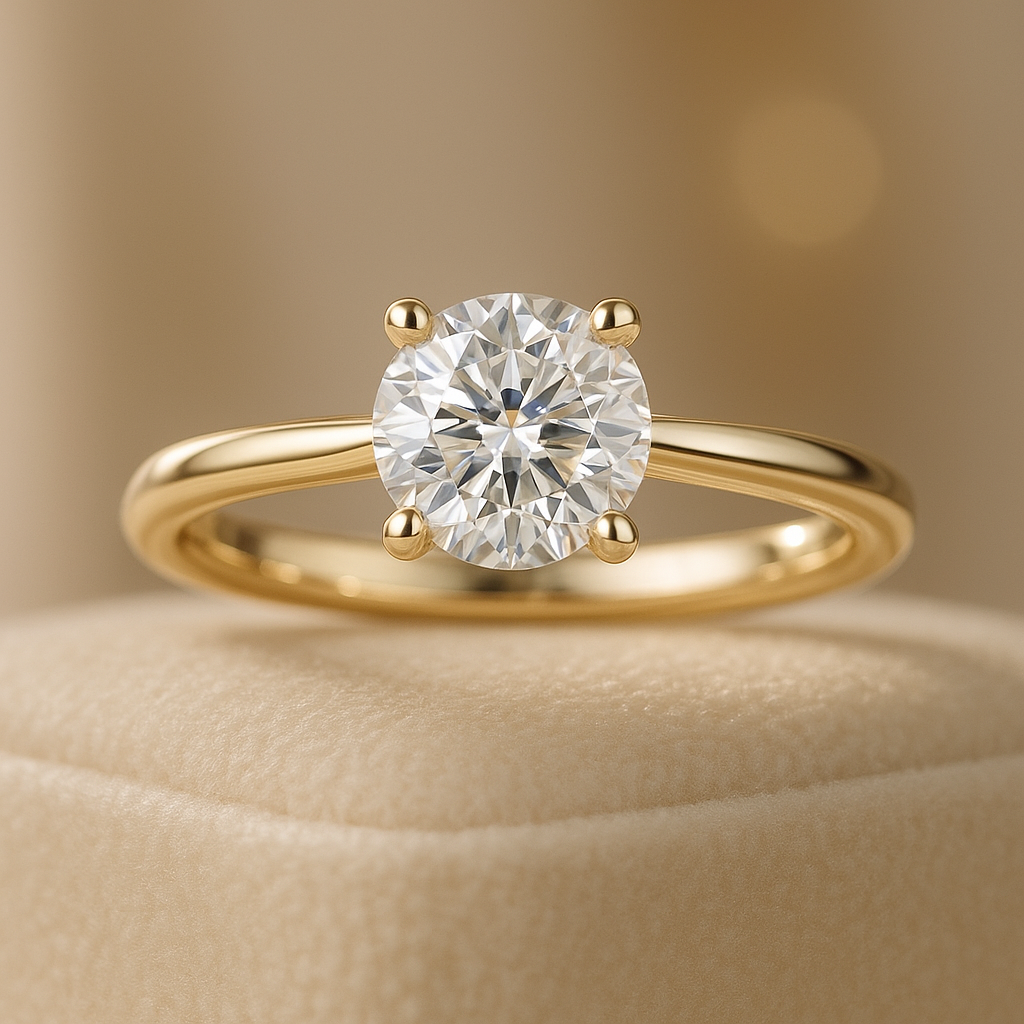
Both lab-grown and natural diamonds exhibit the same brilliance and fire. In fact, it can be nearly impossible to distinguish between the two without specialized equipment. Both types can be graded on the same scale.
2. Value Retention
Natural diamonds tend to hold their value better over time, largely due to their rarity. Lab-grown diamonds, while less expensive, may not appreciate in value the same way, so consider your long-term investment goals.
3. Longevity
Both lab-grown and natural diamonds are durable and can withstand everyday wear. They can last a lifetime with proper care and maintenance.
Frequently Asked Questions (FAQs)
Are lab-grown diamonds real diamonds?
Yes, lab-grown diamonds are real diamonds. They have the same chemical and physical properties as natural diamonds, making them indistinguishable to the naked eye.
Do lab-grown diamonds have resale value?
Lab-grown diamonds typically have a lower resale value compared to natural diamonds, as they are not as rare. However, their initial lower price can be appealing for many consumers.
How can I tell if a diamond is lab-grown or natural?
While most lab-grown diamonds are graded and come with certification, a skilled gemologist can typically identify the origin of a diamond using specialized equipment.
Can I get a lab-grown diamond in any size or shape?
Yes! Lab-grown diamonds come in a variety of shapes and sizes, offering extensive customization options for consumers.
Conclusion
Choosing a lab-grown diamond for your engagement ring represents a modern approach to love and commitment. With numerous ethical and financial benefits, along with the assurance of quality, lab-grown diamonds are becoming an increasingly popular choice among couples. When exploring your options, consider how a lab-grown diamond aligns with your values, style, and budget, and embrace the opportunity to celebrate your love story with a truly remarkable piece of jewelry.