Understanding Lab-Grown Diamonds: The Future of Fine Jewelry
As the world of fine jewelry evolves, lab-grown diamonds are rapidly gaining popularity among consumers. In this comprehensive guide, we will explore what lab-grown diamonds are, how they compare to natural diamonds, and why they may be the perfect choice for your engagement ring or fine jewelry piece.
What Are Lab-Grown Diamonds?
Lab-grown diamonds, also known as synthetic or cultured diamonds, are real diamonds that are created in a controlled laboratory environment. They share the same physical, chemical, and optical properties as their natural counterparts, making them a legitimate alternative for consumers seeking brilliant, eco-friendly gemstones.
How Are Lab-Grown Diamonds Made?
There are two primary methods for creating lab-grown diamonds: the High-Pressure High-Temperature (HPHT) method and the Chemical Vapor Deposition (CVD) method.
- HPHT: This method mimics the natural conditions under which diamonds form in the Earth’s mantle. By applying extreme heat and pressure to carbon, diamonds are formed over a period of weeks to months.
- CVD: In this method, carbon gases are introduced into a chamber and deposited onto a substrate, layer by layer, to form a diamond. This process can take several weeks and allows for greater control over the diamond’s characteristics.
Lab-Grown Diamonds vs. Natural Diamonds
The primary difference between lab-grown diamonds and natural diamonds is their origin; one is created in a lab, while the other is formed over millions of years in nature. However, there are several other factors to consider when comparing the two:
- Cost: Lab-grown diamonds typically cost 20-40% less than natural diamonds of equivalent size and quality. This price difference makes them an attractive option for budget-conscious shoppers.
- Ethics: Lab-grown diamonds are conflict-free by nature, as they are produced in a controlled environment. In contrast, some natural diamonds may be sourced from regions associated with human rights violations and conflicts.
- Environmental Impact: While both lab-grown and natural diamond mining has environmental implications, lab-grown diamonds tend to have a smaller carbon footprint. They do not require extensive mining, which can disrupt ecosystems.
- Resale Value: Natural diamonds typically retain their value better than lab-grown diamonds. However, this does not necessarily deter consumers, especially those who prioritize ethical and sustainable choices.
Why Choose Lab-Grown Diamonds?
Lab-grown diamonds offer several advantages that make them an attractive option for engagement rings and fine jewelry:
- Quality: Lab-grown diamonds can be precisely engineered to maximize their brilliance and clarity. Consumers can often find higher quality stones within their budget compared to natural diamonds.
- Customizability: The ability to create diamonds in a lab allows for more customization options. Shoppers can choose specific characteristics such as cut, color, and clarity without compromising on quality.
- Transparency: When purchasing lab-grown diamonds, consumers can easily trace the diamond’s origin and understand its production process, ensuring ethical practices.
What to Consider When Buying a Lab-Grown Diamond
When selecting a lab-grown diamond, keep these factors in mind:
- Certification: Always look for a diamond that comes with a certification from a reputable gemological lab, such as the Gemological Institute of America (GIA) or the International Gemological Institute (IGI). This ensures the diamond’s quality and authenticity.
- 4Cs: Evaluate the diamond based on the four Cs: cut, color, clarity, and carat weight. These factors will determine the diamond’s overall appearance and value.
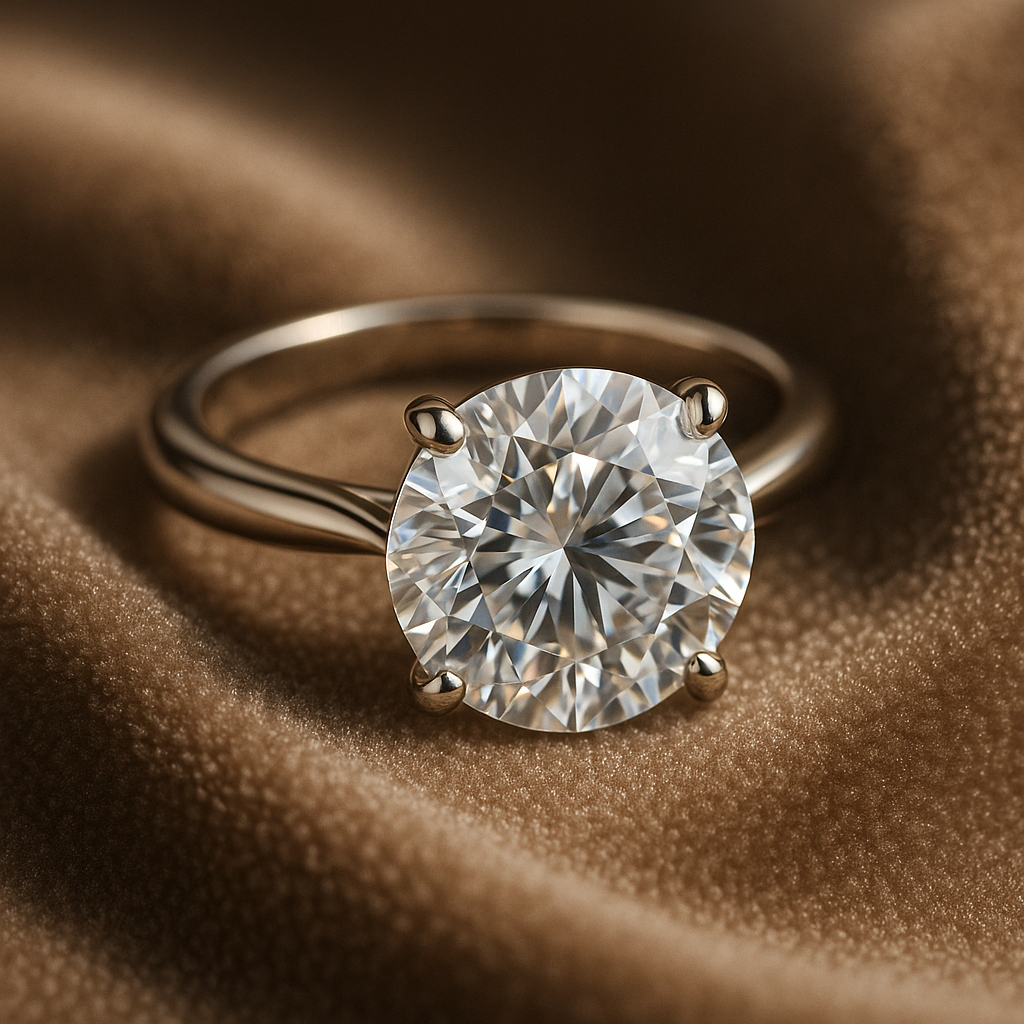
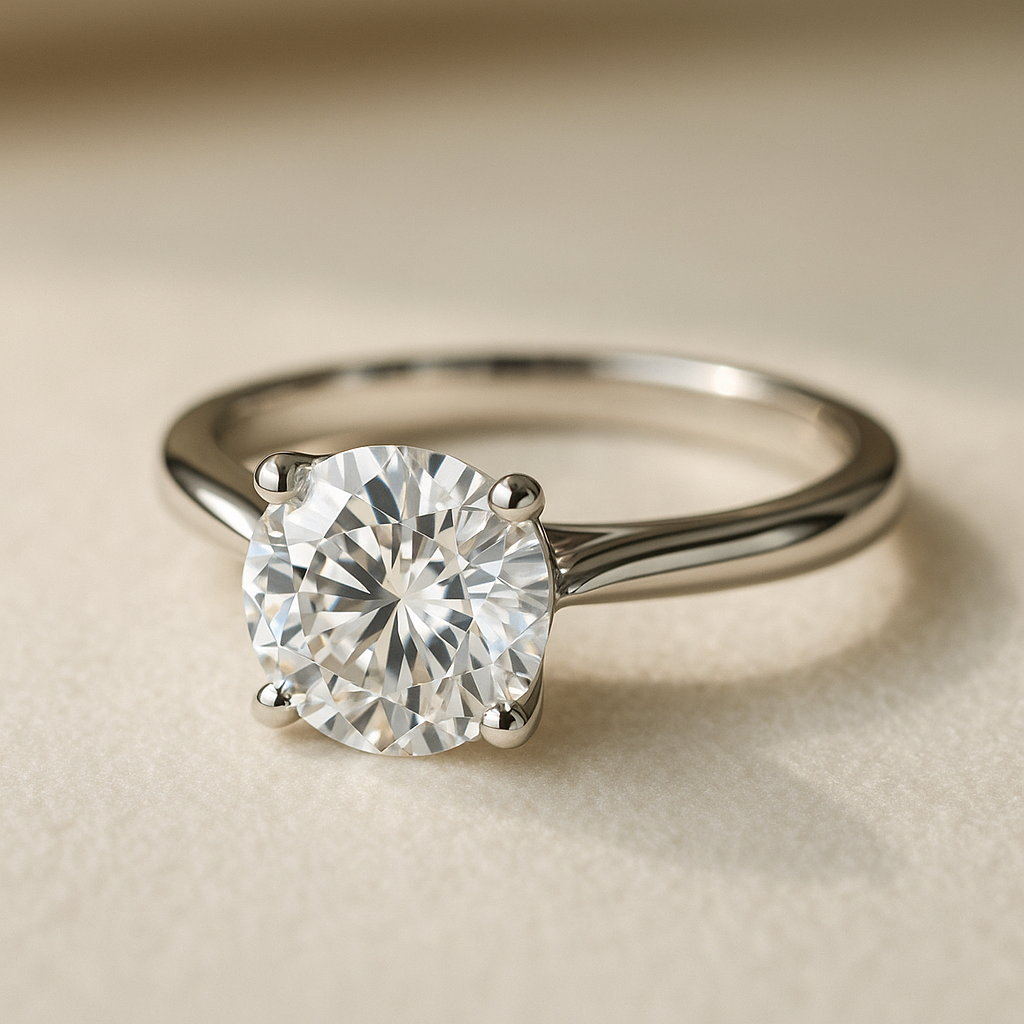
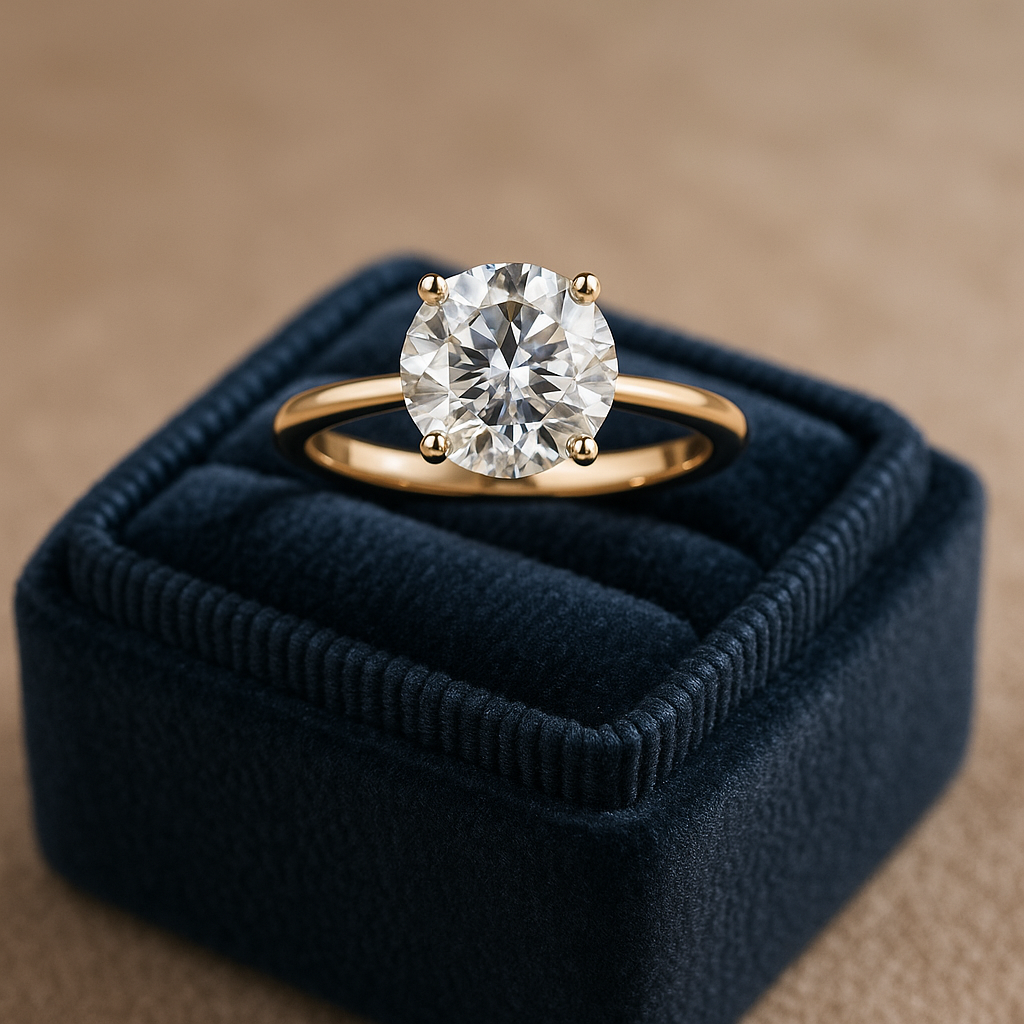
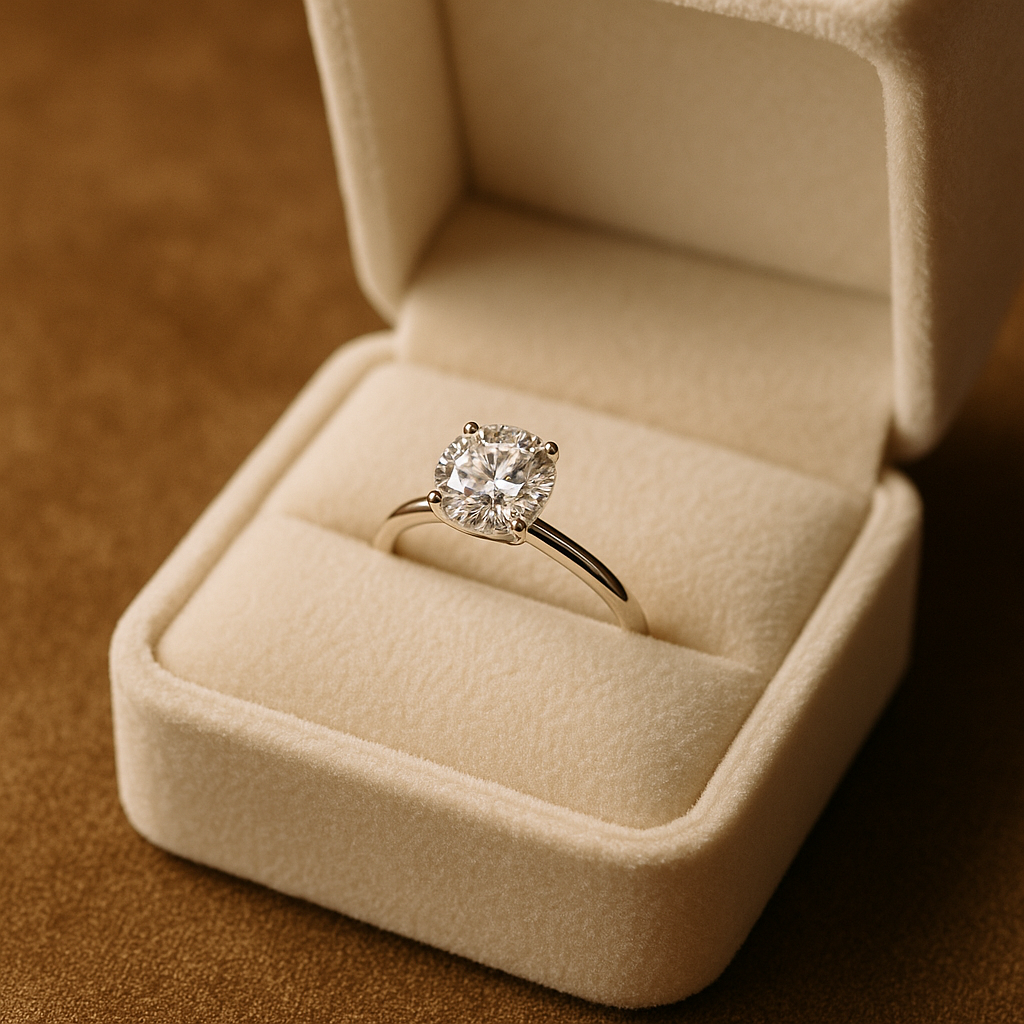
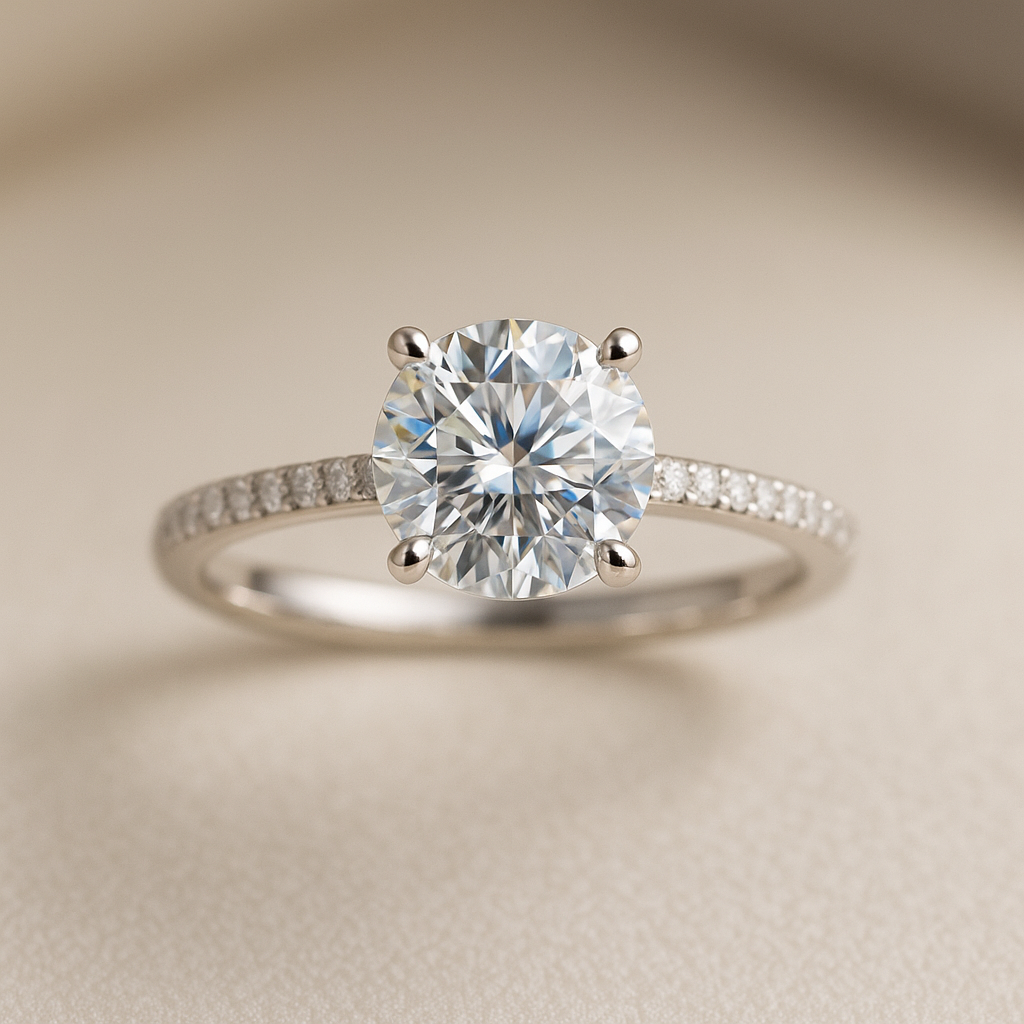
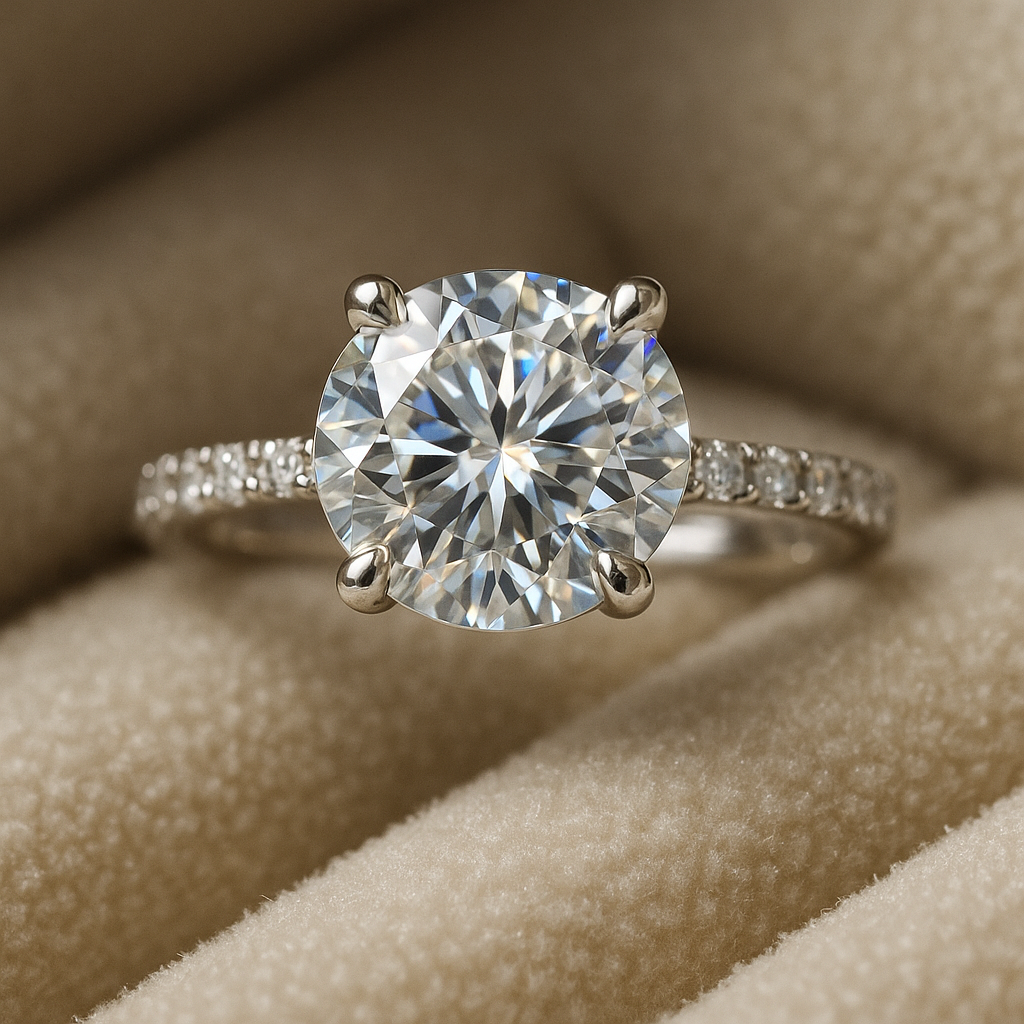
- Setting: Consider the type of setting that will best showcase your diamond. Options range from solitaire to halo settings, and each can enhance the beauty of the diamond.
FAQs About Lab-Grown Diamonds
Are lab-grown diamonds real diamonds?
Yes, lab-grown diamonds are real diamonds. They have the same physical and chemical properties as natural diamonds.
Do lab-grown diamonds look different from natural diamonds?
No, lab-grown diamonds look identical to natural diamonds to the naked eye. Both types of diamonds exhibit the same brilliance and sparkle.
Are lab-grown diamonds a good investment?
While lab-grown diamonds typically do not retain their value like natural diamonds, they are an excellent option for those prioritizing ethical sourcing and sustainability over investment potential.
How can I ensure my lab-grown diamond is ethically sourced?
Purchase from reputable retailers who provide transparency regarding their sourcing and production methods. Look for diamonds that come with certifications from recognized gemological institutions.
Conclusion
Lab-grown diamonds represent a significant advancement in the jewelry industry, providing consumers with a more affordable, ethical, and sustainable option for fine jewelry. Whether you’re in the market for an engagement ring or a special piece to celebrate an important milestone, consider the many benefits of choosing a lab-grown diamond. With their stunning beauty and growing acceptance, lab-grown diamonds are undoubtedly the future of fine jewelry.