The Truth About Lab-Grown Diamonds: Quality and Value Explained
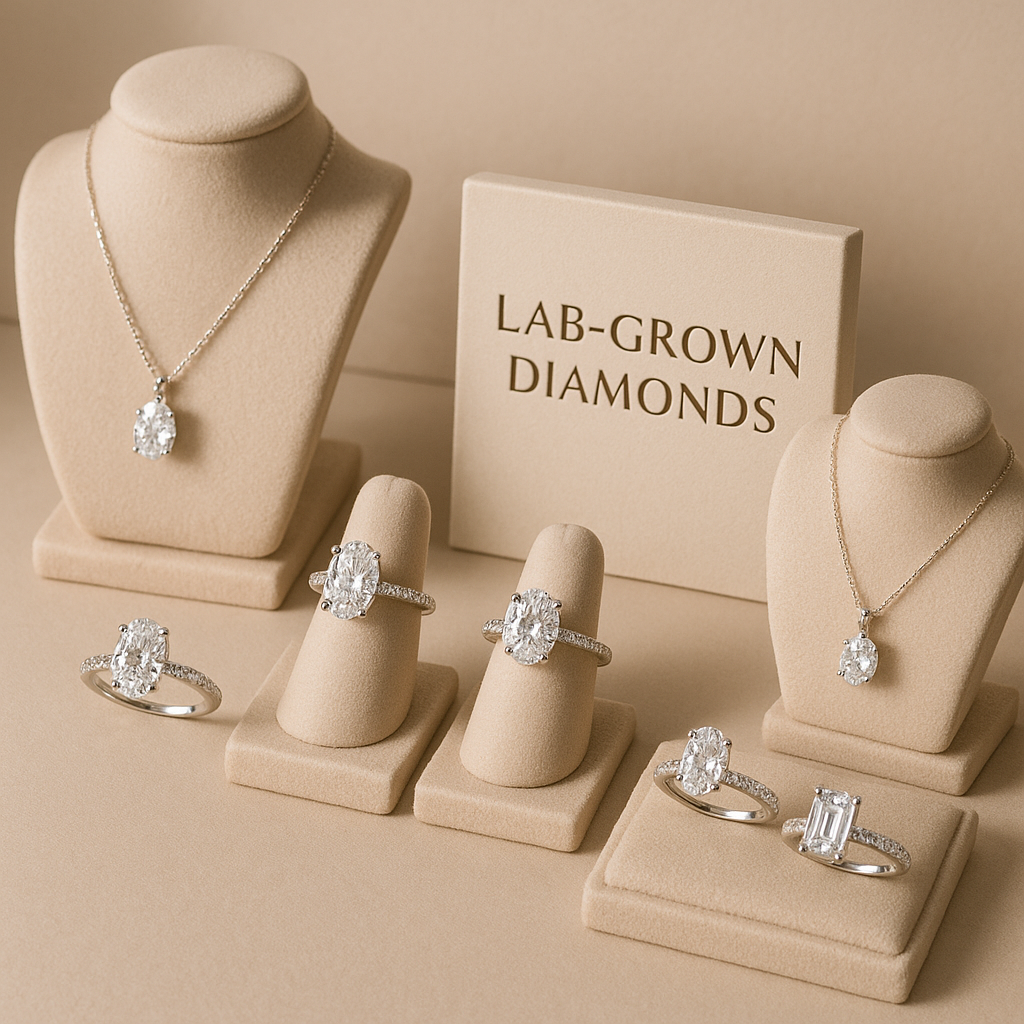
In recent years, lab-grown diamonds have surged in popularity, revolutionizing the way consumers approach engagement rings and fine jewelry. With their ethical production and competitive pricing, these gems have become a viable alternative to their natural counterparts. In this article, we will delve into the nuances of lab-grown diamonds, exploring their quality, value, and the compelling reasons they may be the right choice for you.
What are Lab-Grown Diamonds?
Lab-grown diamonds, also known as synthetic or cultured diamonds, are real diamonds created in a controlled environment using advanced technology. They possess the same physical, chemical, and optical properties as natural diamonds, resulting in gems that are virtually indistinguishable from those formed over millions of years in the Earth’s crust.
The Process of Creating Lab-Grown Diamonds
Lab-grown diamonds can be produced using two primary methods: High Pressure High Temperature (HPHT) and Chemical Vapor Deposition (CVD). Both processes replicate the natural conditions under which diamonds form.
- High Pressure High Temperature (HPHT): This method mimics the natural formation environment of diamonds by applying intense heat and pressure. A small diamond seed is placed in carbon, and over time, it crystallizes into a diamond.
- Chemical Vapor Deposition (CVD): This technique involves placing a diamond seed in a chamber filled with carbon-rich gas. The gas is heated, causing carbon atoms to attach to the seed, slowly building a diamond layer by layer.
Understanding the Quality of Lab-Grown Diamonds
When it comes to quality, lab-grown diamonds are graded using the same criteria as natural diamonds: the Four Cs – Cut, Color, Clarity, and Carat weight. Here’s a breakdown of each aspect:
1. Cut
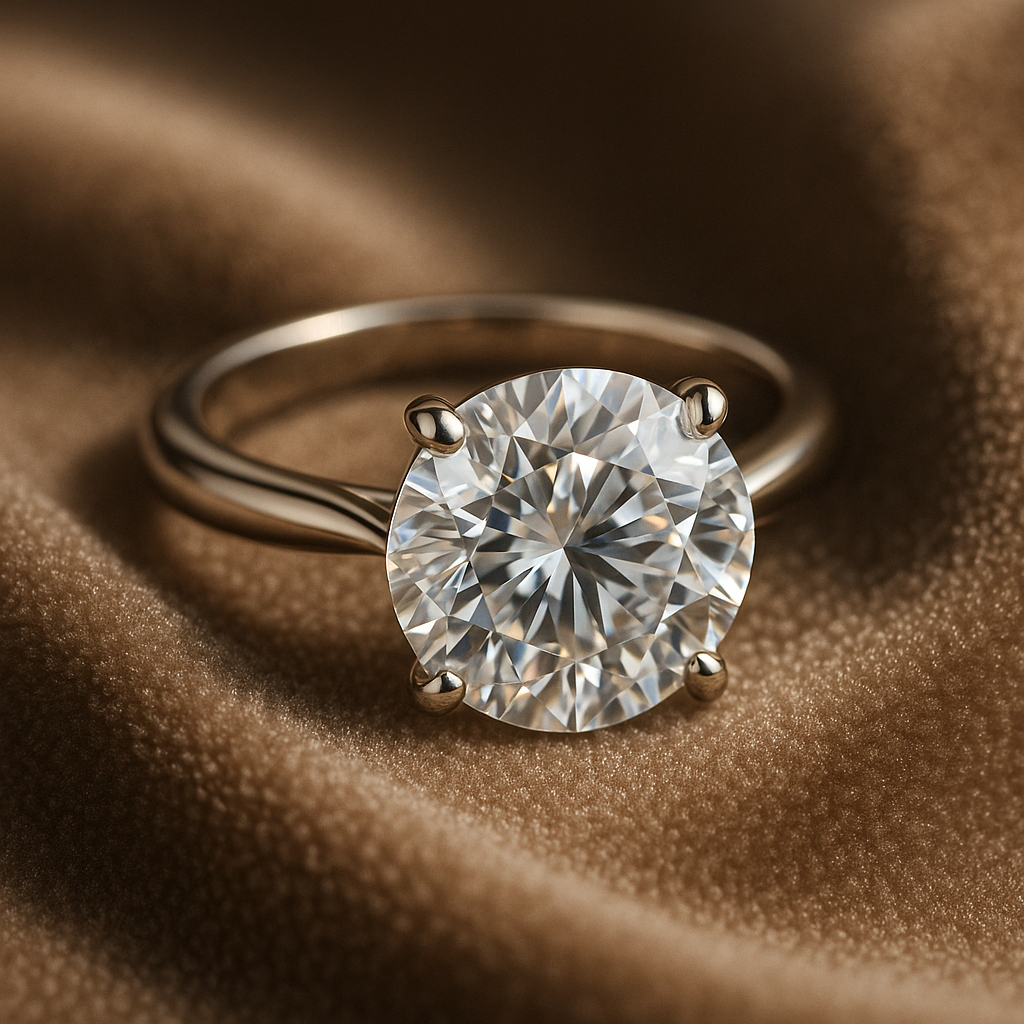
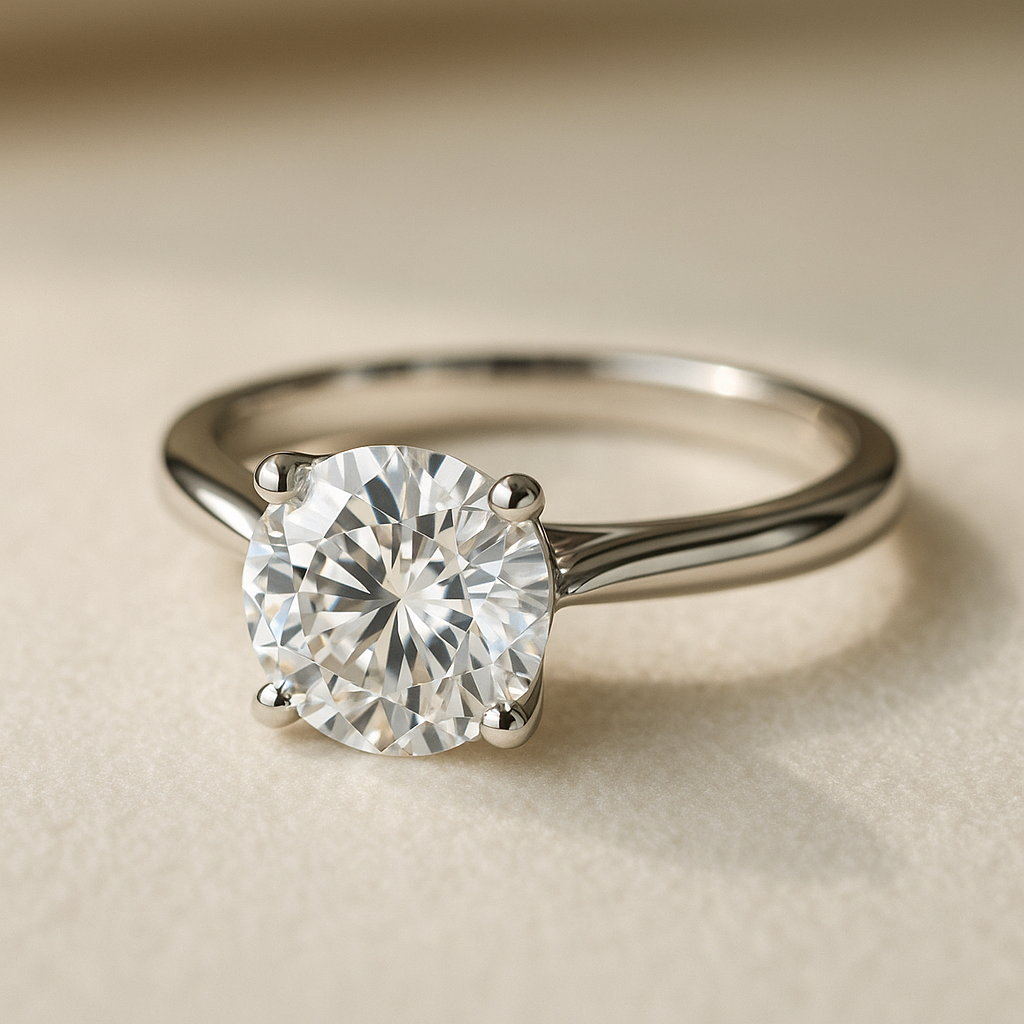
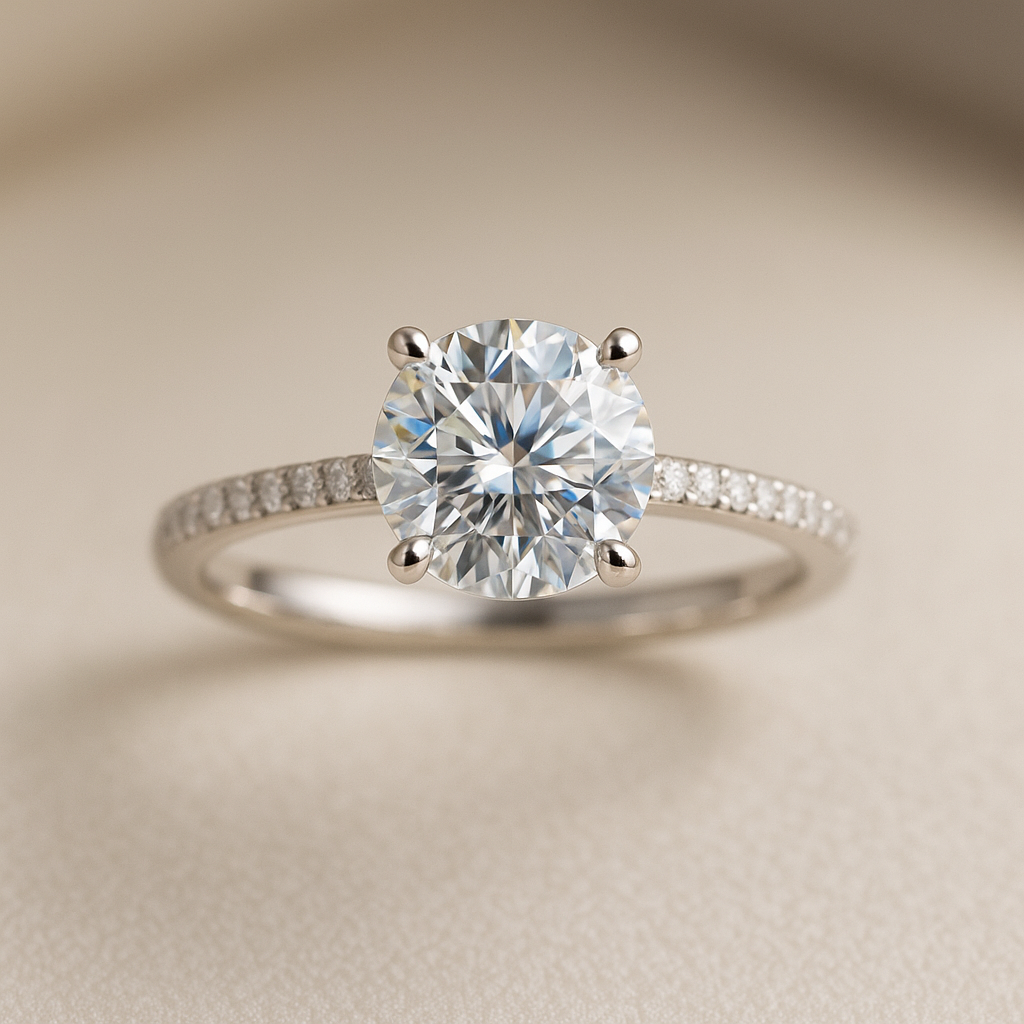
The cut of a diamond significantly influences its brilliance and sparkle. Lab-grown diamonds are often cut to maximize these visual attributes, achieving an aesthetic that rivals high-quality natural diamonds.
2. Color
Color grading for diamonds ranges from D (colorless) to Z (light yellow or brown). Lab-grown diamonds can be produced in various colors, and many are available in the coveted D-F range, offering excellent options for consumers seeking brilliance without a tint.
3. Clarity
Clarity refers to the presence of inclusions or blemishes within a diamond. Many lab-grown diamonds exhibit superior clarity compared to natural diamonds because they are created in environments that reduce the likelihood of imperfections.
4. Carat Weight
Carat weight measures the size of the diamond. Lab-grown diamonds can be produced in larger sizes at a fraction of the cost of natural diamonds, allowing consumers to choose larger stones without breaking their budgets.
Value Comparison: Lab-Grown vs. Natural Diamonds
One of the most significant advantages of lab-grown diamonds is their price. On average, lab-grown diamonds cost 20% to 40% less than natural diamonds of comparable quality. This price difference can be attributed to the shorter production time and the absence of the mining process, which is often expensive and environmentally taxing.
Environmental and Ethical Considerations
As consumers grow more conscious of ethical sourcing and environmental concerns, lab-grown diamonds present a compelling case. The mining of natural diamonds can result in significant environmental degradation, including habitat destruction and carbon emissions. In contrast, lab-grown diamonds are produced with much lower environmental impact, making them a more sustainable choice for conscientious consumers.
Frequently Asked Questions (FAQ)
Are lab-grown diamonds as valuable as natural diamonds?
While lab-grown diamonds are not viewed as valuable as natural diamonds in terms of resale value, they offer exceptional quality for the price. Consumers purchase them primarily for their beauty and ethical considerations rather than investment potential.
Can lab-grown diamonds be passed down as heirlooms?
Absolutely! Lab-grown diamonds are real diamonds and can be treasured and passed down through generations, just like natural diamonds.
Will lab-grown diamonds hold their value?
Lab-grown diamonds typically do not hold their value as well as natural diamonds due to market perceptions. However, their lower initial cost means that you are getting a beautiful and high-quality stone without the inflated price tag of natural diamonds.
Are lab-grown diamonds ethical?
Yes, lab-grown diamonds are considered ethical as they are created in controlled environments without the environmental and human rights concerns often associated with diamond mining.
How do I know if a diamond is lab-grown or natural?
Most lab-grown diamonds are inscribed with a unique identification number that indicates their origin. Additionally, reputable jewelers provide certification that clarifies whether a diamond is lab-grown or natural.
Conclusion: Choosing the Right Diamond for You
In the end, the choice between lab-grown and natural diamonds comes down to personal preference. Lab-grown diamonds offer a host of benefits, including ethical sourcing, environmental sustainability, and affordability. At Celebrity Diamonds, we believe in empowering consumers to make informed choices. Whether you opt for a lab-grown or natural diamond, it’s essential to select a piece that resonates with your values and aesthetic desires. Explore our collection today to find the perfect diamond that represents your love story.