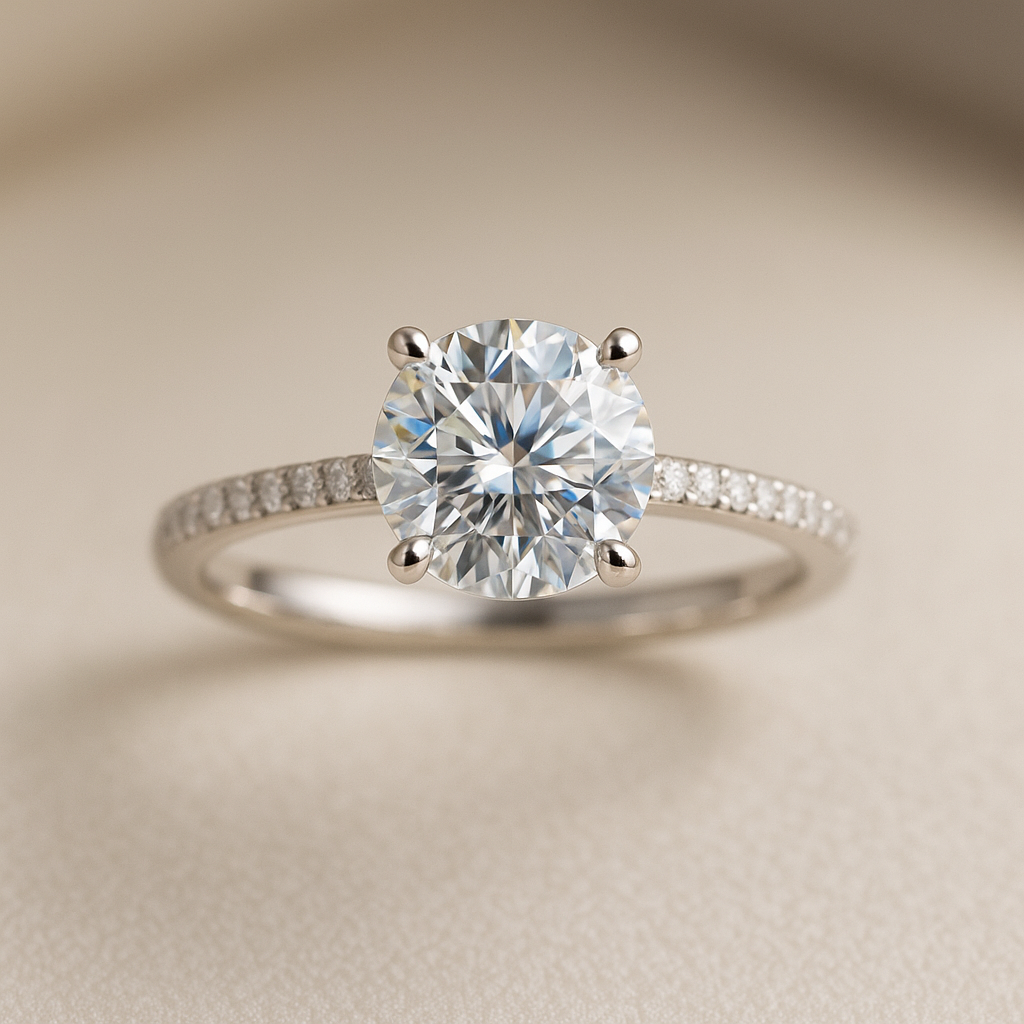

Understanding Lab-Grown Diamonds
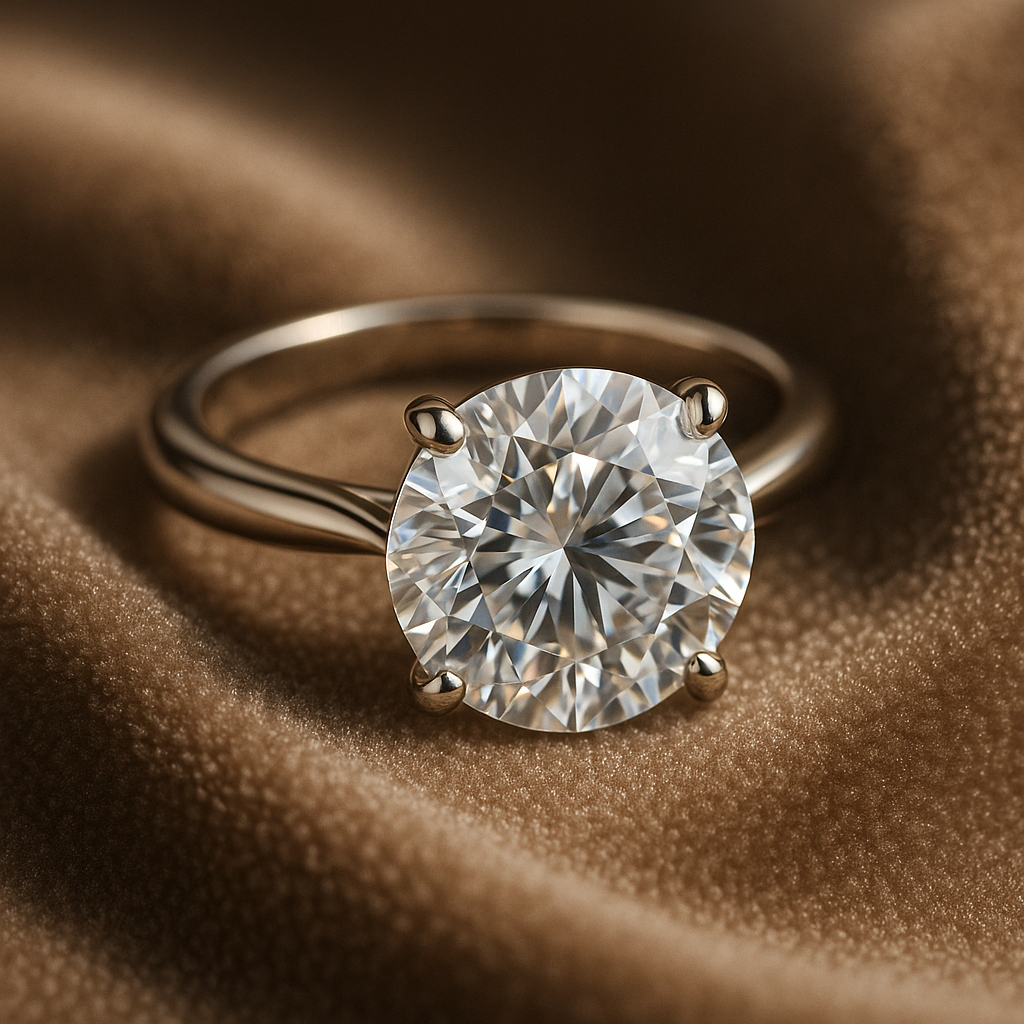
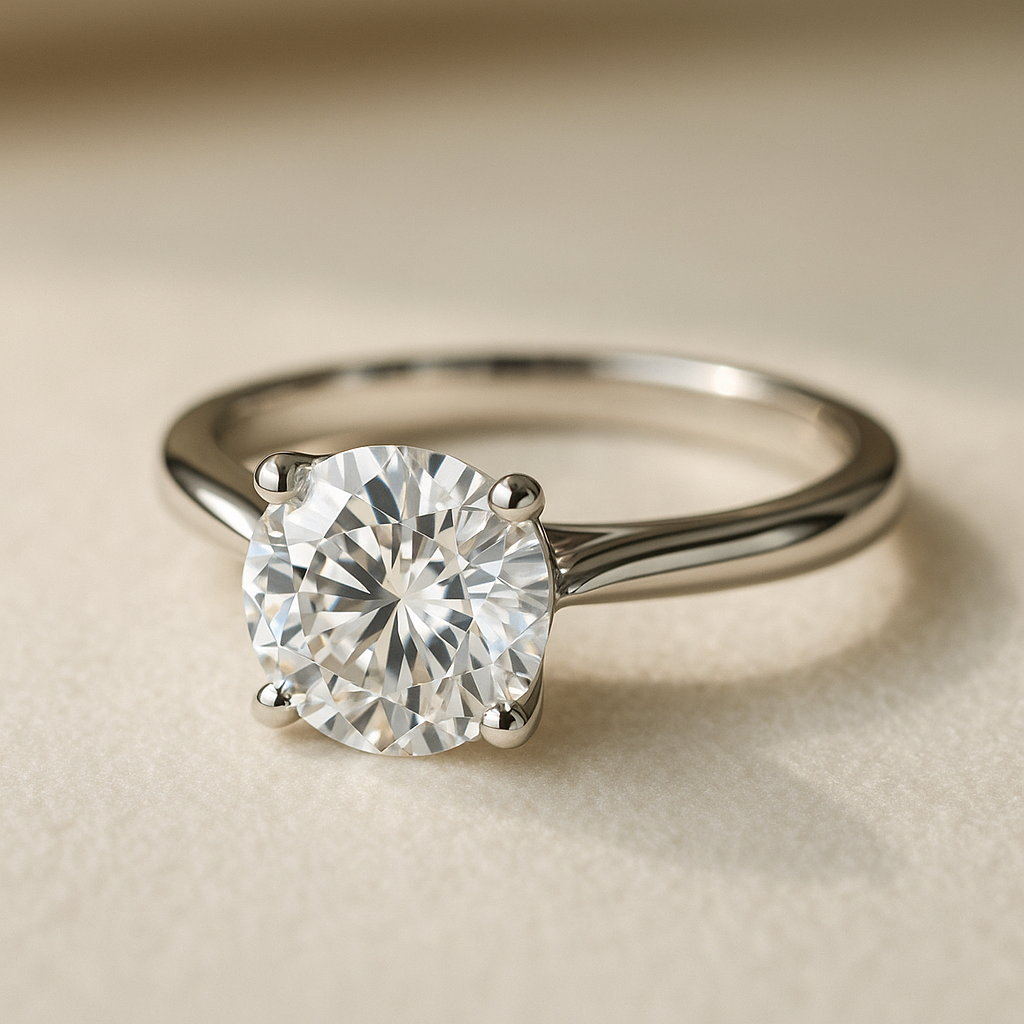
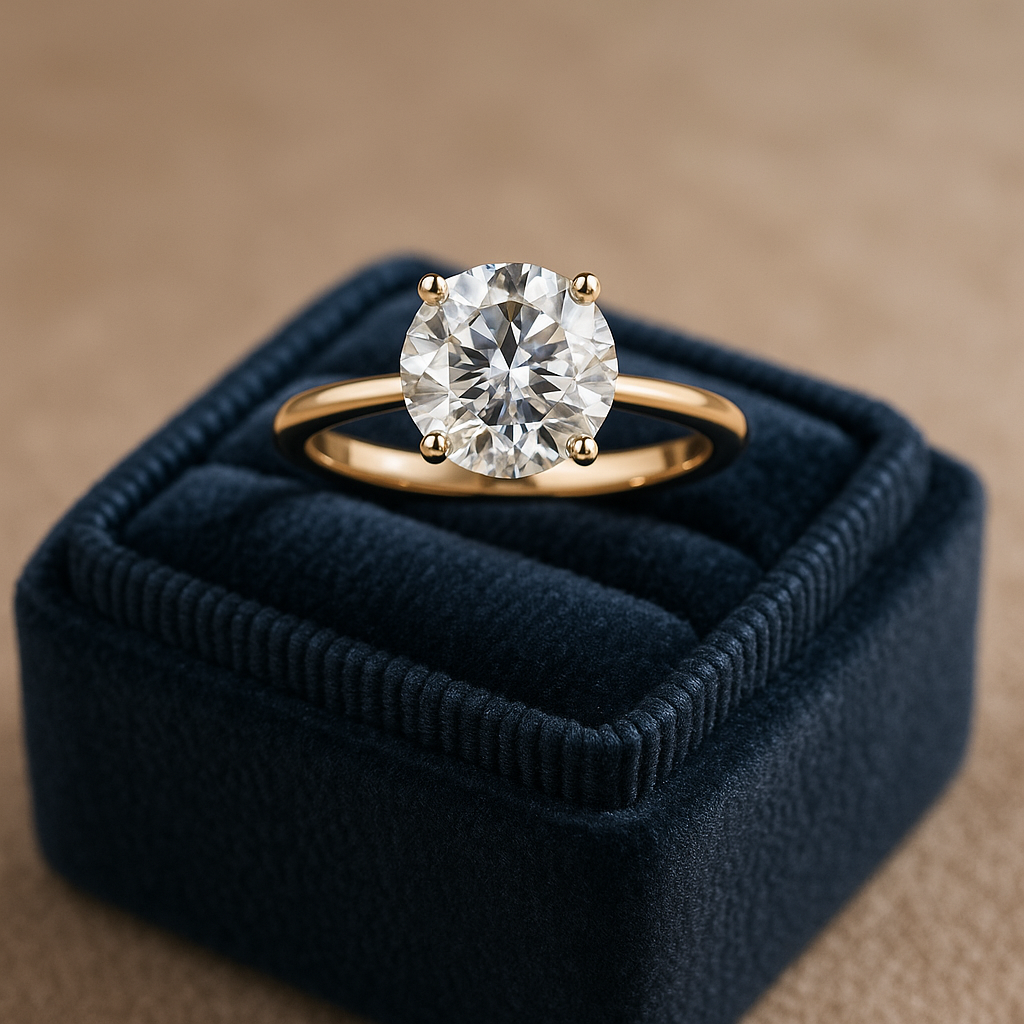
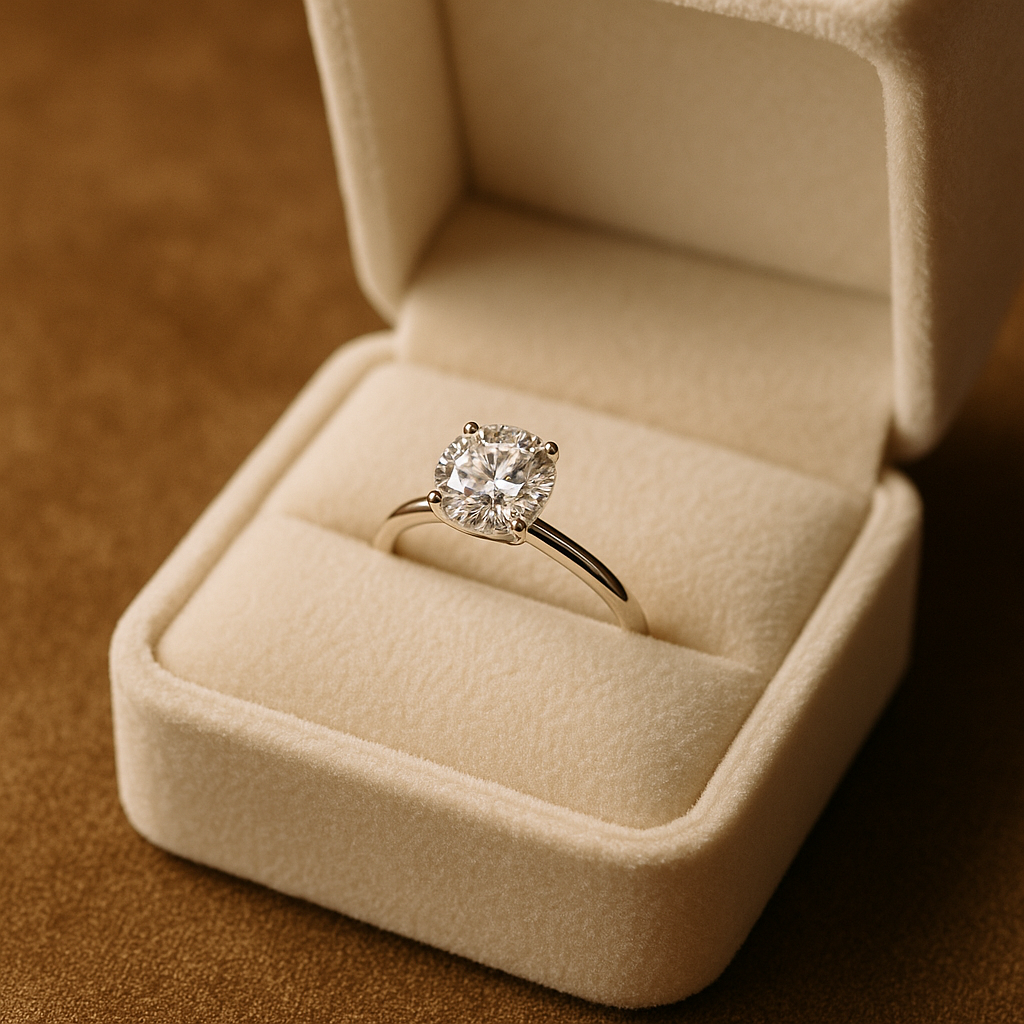
Choosing an engagement ring is one of the most significant decisions in your life. As consumers increasingly become informed about their options, lab-grown diamonds have emerged as a popular and ethical alternative to natural diamonds. In this article, we delve into what lab-grown diamonds are, their benefits, and how they compare to natural diamonds.
What Are Lab-Grown Diamonds?
Lab-grown diamonds, also known as synthetic or cultured diamonds, are created in a controlled environment using advanced technological processes that replicate the natural diamond formation. Unlike natural diamonds, which take millions of years to form beneath the Earth’s surface, lab-grown diamonds can be produced in a matter of weeks. They possess the same physical, chemical, and optical properties as natural diamonds, making them virtually indistinguishable to the naked eye.
The Process of Creating Lab-Grown Diamonds
Lab-grown diamonds are created using two primary methods: High Pressure High Temperature (HPHT) and Chemical Vapor Deposition (CVD). Both methods result in diamonds that are identical in structure to their natural counterparts.
- High Pressure High Temperature (HPHT): This method mimics the natural conditions under which diamonds form. Carbon is subjected to extreme pressure and temperature, resulting in a diamond crystal.
- Chemical Vapor Deposition (CVD): In this process, diamonds are grown from a gas mixture containing carbon. The gas is ionized into plasma, and carbon atoms gradually deposit onto a substrate, forming a diamond layer.
Benefits of Lab-Grown Diamonds
There are numerous advantages to choosing lab-grown diamonds, particularly for engagement rings and fine jewelry:
- Ethical Sourcing: Lab-grown diamonds are conflict-free, meaning they are not associated with the unethical practices often linked to natural diamond mining.
- Cost-Effective: Typically, lab-grown diamonds are 20-40% less expensive than their natural counterparts, allowing consumers to maximize their budget.
- Environmental Impact: The production of lab-grown diamonds generally has a lower environmental footprint compared to traditional diamond mining, which can cause significant ecological damage.
- Customization: Lab-grown diamonds offer a broader range of options regarding size, cut, and clarity due to their controlled production process. This means you can find the perfect diamond that fits your desires.
Lab-Grown Diamonds vs. Natural Diamonds
When comparing lab-grown diamonds to natural diamonds, several factors come into play:
- Value: While natural diamonds may hold greater perceived value due to their rarity, lab-grown diamonds offer superior value for consumers looking for size and quality at a lower price.
- Resale Value: Natural diamonds typically retain more resale value over time, while lab-grown diamonds may depreciate sooner. However, this factor is increasingly evolving as lab-grown diamonds gain popularity.
- Appearance: Both types of diamonds can appear identical; without advanced testing, even trained gemologists may struggle to distinguish between them.
Frequently Asked Questions
Are lab-grown diamonds real diamonds?
Yes, lab-grown diamonds are real diamonds. They share the same chemical composition and physical properties as natural diamonds.
How can I tell if a diamond is lab-grown?
The best way to determine if a diamond is lab-grown is through certification by reputable gemological laboratories, which can provide a report specifying the diamond’s origin.
Do lab-grown diamonds last as long as natural diamonds?
Absolutely! Lab-grown diamonds are just as durable and long-lasting as natural diamonds, making them an excellent choice for engagement rings.
Can I get a lab-grown diamond in any shape or size?
Yes, lab-grown diamonds can be created in various shapes and sizes, allowing for extensive customization in engagement ring designs.
What is the environmental impact of lab-grown diamonds?
Lab-grown diamonds have a significantly lower environmental impact compared to natural diamond mining, which can cause habitat destruction and pollution.
Conclusion: A Thoughtful Choice for Your Engagement Ring
Ultimately, the choice between a lab-grown diamond and a natural diamond comes down to personal preferences and values. Lab-grown diamonds represent a modern, ethical, and budget-friendly option without sacrificing quality or beauty. As you embark on your journey to find the perfect engagement ring, consider the many advantages that lab-grown diamonds have to offer.