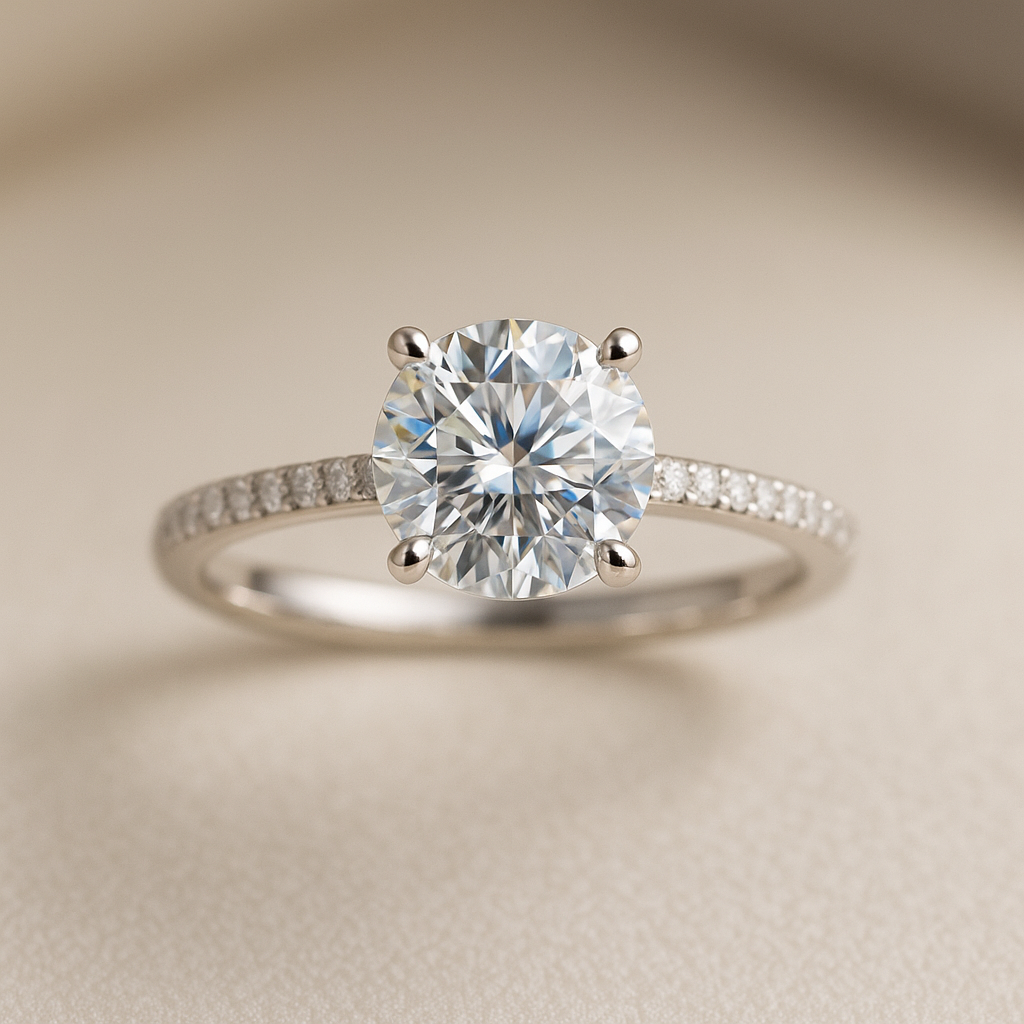

Exploring Lab-Grown Diamonds: The Smart Choice for Engagement Rings
As the diamond industry evolves, lab-grown diamonds are becoming an increasingly popular choice for couples looking to make a statement with their engagement rings. Whether you are thoroughly researching your options or comparing lab-grown and natural diamonds, understanding the benefits of lab-grown diamonds can help you make an informed decision.
What Are Lab-Grown Diamonds?
Lab-grown diamonds, also known as synthetic or cultured diamonds, are created in controlled environments using advanced technological processes that mimic the natural conditions under which diamonds form in the earth. These diamonds have the same physical, chemical, and optical properties as natural diamonds, making them virtually indistinguishable from their mined counterparts.
How Are Lab-Grown Diamonds Made?
There are two primary methods for creating lab-grown diamonds: High Pressure High Temperature (HPHT) and Chemical Vapor Deposition (CVD). Each method results in diamonds that are identical to those found in nature.
- HPHT Method: This method simulates the extreme pressure and temperature conditions found deep within the Earth. A small diamond seed is placed in a chamber with carbon, and the conditions allow it to grow into a diamond over a period of weeks to months.
- CVD Method: In this process, a diamond seed is placed in a chamber filled with carbon gas. The gas is ionized, and carbon atoms are deposited onto the seed, slowly forming a diamond layer by layer. This method can produce larger diamonds more efficiently.
Benefits of Choosing Lab-Grown Diamonds
Many shoppers are drawn to lab-grown diamonds for a variety of reasons. Here are some key benefits:
1. Ethical Sourcing
Lab-grown diamonds provide a conflict-free alternative to mined diamonds. With rising concerns about unethical mining practices and their impact on communities, lab-grown diamonds ensure transparency in sourcing and production.
2. Cost-Effectiveness
Lab-grown diamonds typically cost 20-40% less than natural diamonds of comparable size and quality. This price difference allows consumers to allocate their budgets towards higher-quality diamonds or additional features, such as better settings or more intricate designs.
3. Environmental Considerations
Creating diamonds in a lab has a significantly lower environmental impact compared to traditional mining, which can result in habitat destruction and extensive land disruption. By choosing lab-grown diamonds, consumers can feel good about their environmental footprint.
4. Quality and Variety
Lab-grown diamonds are available in a wide range of sizes, shapes, and qualities. They can be created to match specific preferences or custom specifications, allowing shoppers to find the perfect diamond that reflects their style.
How to Choose the Right Lab-Grown Diamond
When selecting a lab-grown diamond, consider the same criteria you would for a natural diamond: the Four Cs – Cut, Color, Clarity, and Carat weight.
1. Cut
The cut of a diamond affects its brilliance and overall appearance. A well-cut diamond will reflect light beautifully and enhance the gem’s aesthetic appeal. Look for diamonds with excellent or ideal cut ratings.
2. Color
Lab-grown diamonds are graded on a scale from D (colorless) to Z (light yellow). Most consumers prefer diamonds that fall within the D-H range for optimal brilliance. However, colored diamonds are also available in lab-grown options.
3. Clarity
Clarity refers to the presence of inclusions or blemishes within the diamond. Lab-grown diamonds can achieve higher clarity ratings than many natural diamonds, giving you more options for a flawless appearance.
4. Carat Weight
While the carat weight impacts the size of the diamond, it’s essential to balance this with the other Cs to ensure you choose an exceptional stone that fits your budget.
Lab-Grown Diamonds vs. Natural Diamonds
Understanding the differences between lab-grown and natural diamonds can help you make an informed choice:
1. Authenticity
Both lab-grown and natural diamonds are authentic diamonds; however, their origins differ. A lab-grown diamond is created in a lab, while a natural diamond is formed in the earth over millions of years.
2. Value Retention
Natural diamonds often retain value better than lab-grown diamonds because of their rarity. However, as lab-grown diamonds become more accepted in the market, their resale value may increase.
3. Emotional Connection
Many consumers feel a sentimental connection to natural diamonds due to their long history and the stories behind them. In contrast, lab-grown diamonds can symbolize a modern approach to love and commitment.
Frequently Asked Questions (FAQs)
Are lab-grown diamonds real diamonds?
Yes, lab-grown diamonds are real diamonds with the same chemical and physical properties as natural diamonds.
How can I tell if a diamond is lab-grown?
Lab-grown diamonds come with a grading report from a reputable gemological lab that indicates their origin. It’s best to request this report when purchasing.
Can lab-grown diamonds be certified?
Absolutely! Lab-grown diamonds can be certified by gemological institutions, providing you with assurance of quality and authenticity.
Are lab-grown diamonds worth buying?
Lab-grown diamonds offer excellent value for money, ethical sourcing, and lower environmental impact, making them a worthy choice for many consumers.
Conclusion
Ultimately, the decision between lab-grown and natural diamonds comes down to personal preference, values, and budget. Lab-grown diamonds provide a modern, ethical, and cost-effective option for engagement rings and fine jewelry that appeals to today’s consumers. By choosing a lab-grown diamond, you can enjoy all the beauty and brilliance of a traditional diamond without compromising your values or breaking your budget.