
Lab-Grown Diamonds: The Smart Choice for Engagement Rings
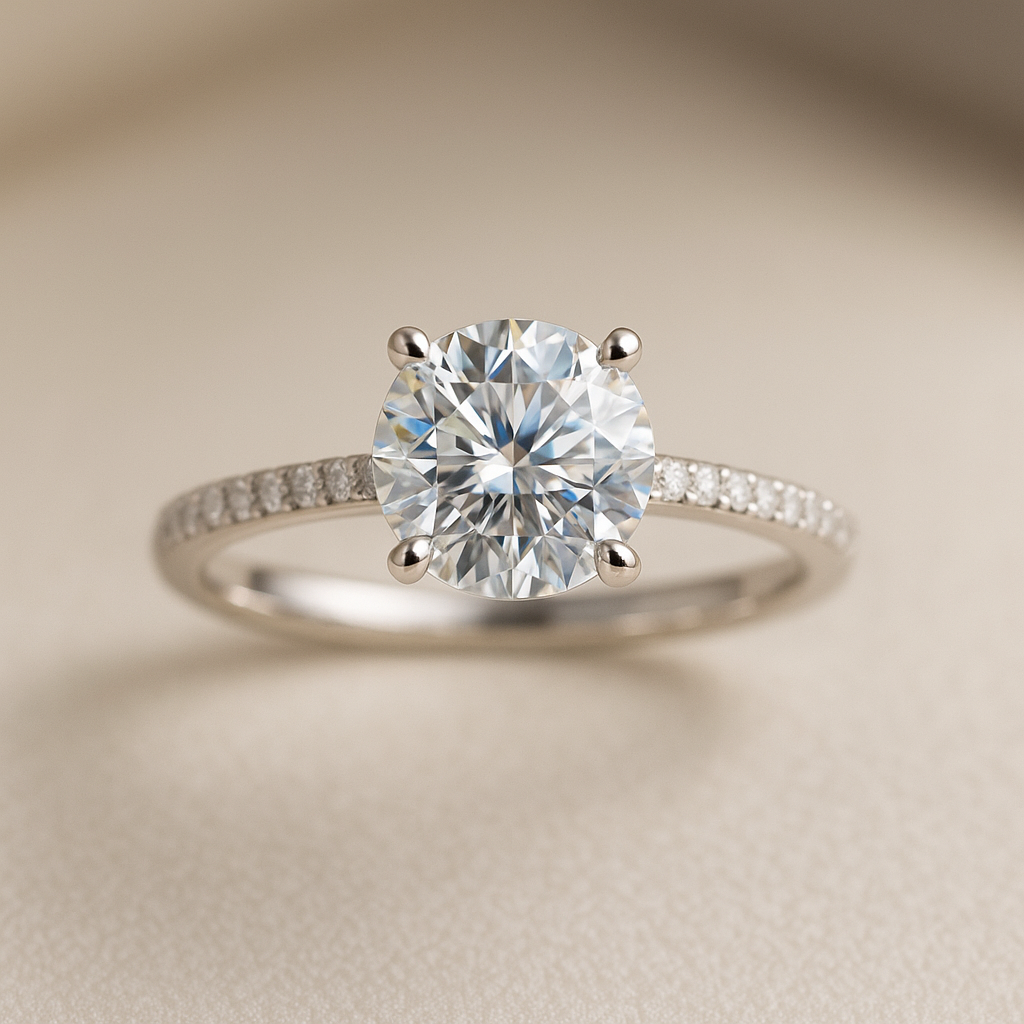
In recent years, lab-grown diamonds have emerged as a popular alternative to natural diamonds, particularly among couples looking for engagement rings. These diamonds offer the same physical and chemical properties as their mined counterparts but come with several advantages that are increasingly attracting discerning consumers.
Understanding Lab-Grown Diamonds
Lab-grown diamonds are created using advanced technology that simulates the natural diamond formation process. There are two primary methods for producing these diamonds: High Pressure High Temperature (HPHT) and Chemical Vapor Deposition (CVD). Both methods yield diamonds that are virtually indistinguishable from natural diamonds, even to expert gemologists.
Advantages of Lab-Grown Diamonds
1. Cost-Effectiveness
One of the most significant benefits of lab-grown diamonds is their price point. Typically, they cost 20-40% less than natural diamonds of comparable size and quality. This cost-effectiveness allows couples to either spend less or upgrade to a larger or higher-quality diamond without breaking the bank.
2. Ethical Considerations
Lab-grown diamonds are often seen as a more ethical choice. Natural diamonds can sometimes be associated with unethical mining practices, including those linked to conflict diamonds. In contrast, lab-grown diamonds are produced in controlled environments, with transparent sourcing and no adverse effects on communities or the environment.
3. Environmental Impact
The environmental impact of diamond mining is substantial, involving significant land disruption and ecological damage. Lab-grown diamonds, however, are created in laboratories that minimize environmental harm. Consumers looking to make eco-friendly choices can feel confident that lab-grown diamonds are a sustainable option.
Choosing the Right Lab-Grown Diamond
When selecting a lab-grown diamond, it’s essential to consider the same factors you would for a natural diamond: cut, color, clarity, and carat weight. These four Cs will help you determine the diamond’s quality and value.
1. Cut
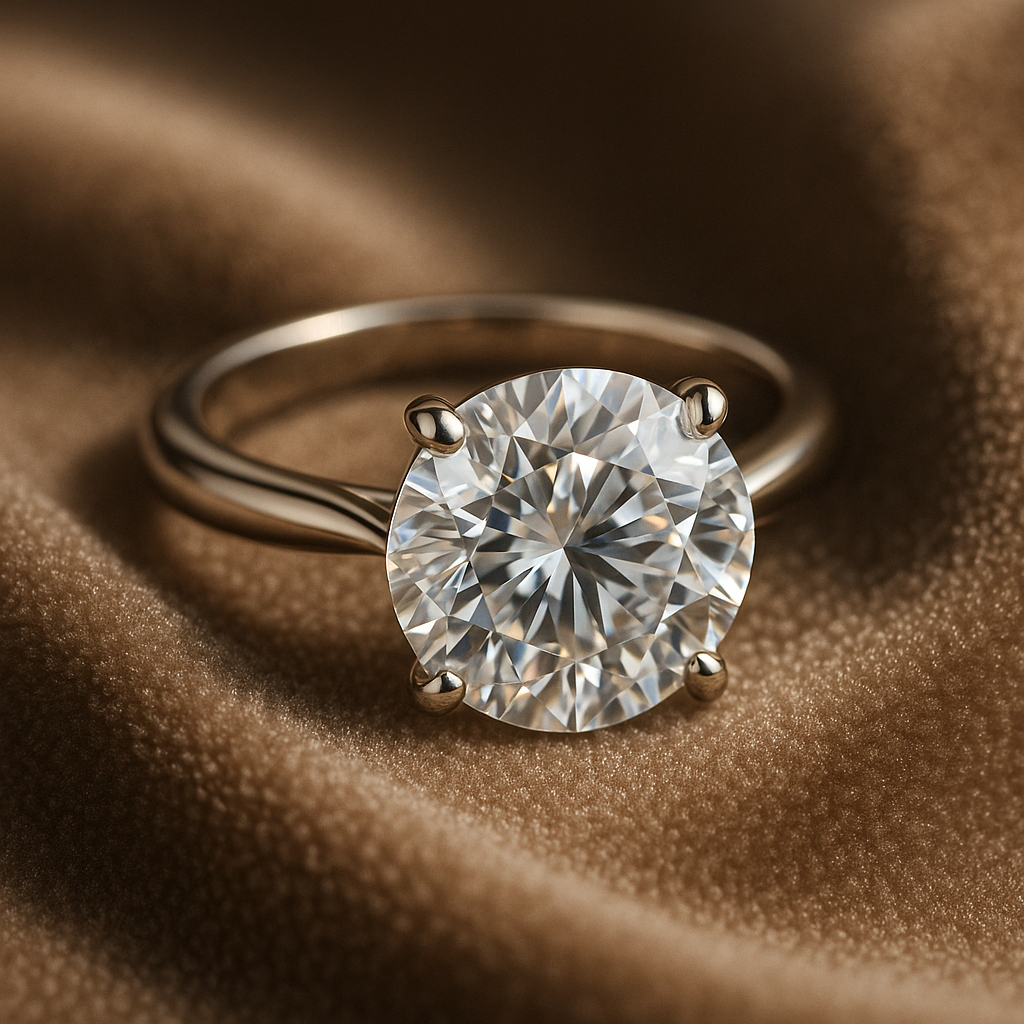
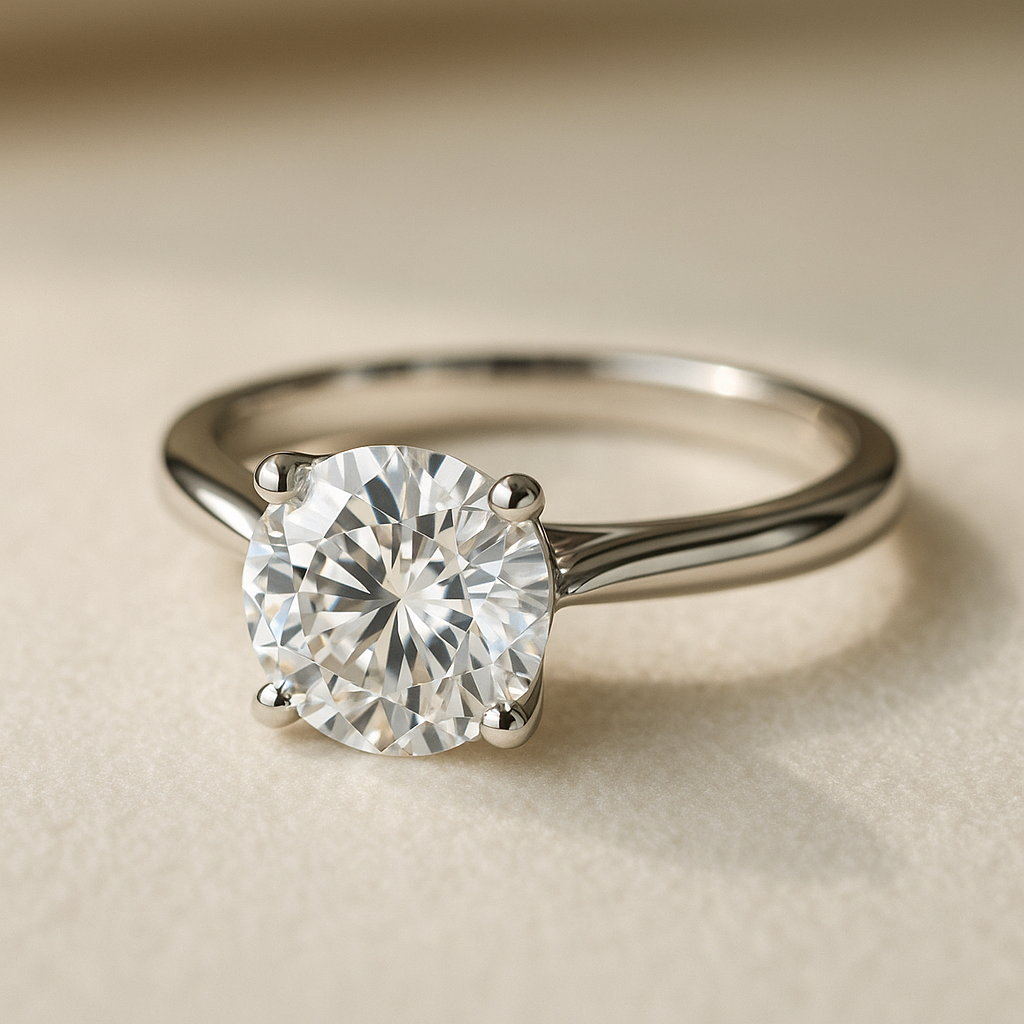
The cut of the diamond influences its brilliance and sparkle. Well-cut lab-grown diamonds can reflect light beautifully, making them a stunning choice for an engagement ring.
2. Color
Lab-grown diamonds are available in a variety of colors, ranging from colorless to shades of yellow, pink, and blue. While colorless diamonds are the most sought after, colored diamonds can add a unique touch to your engagement ring.
3. Clarity
Clarity refers to the presence of internal or external flaws, known as inclusions and blemishes. Lab-grown diamonds often have fewer inclusions than natural diamonds due to their controlled creation process, resulting in higher clarity ratings.
4. Carat Weight
Lastly, carat weight measures the diamond’s size. With the savings gained from choosing a lab-grown diamond, you may opt for a larger stone, enhancing the overall appearance of your engagement ring.
Lab-Grown vs. Natural Diamonds: What to Consider
For consumers torn between lab-grown and natural diamonds, it’s vital to weigh the pros and cons of each option. Lab-grown diamonds often offer greater value and transparency, making them an attractive option for modern couples.
1. Resale Value
Natural diamonds tend to retain their value better than lab-grown diamonds. However, the resale market for lab-grown diamonds is evolving, and some consumers find that their emotional value outweighs potential resale concerns.
2. Sentimental Value
Natural diamonds often carry a sentiment of timelessness and rarity that appeals to some buyers. For others, the modern approach of lab-grown diamonds resonates more strongly. Your choice should reflect your values and beliefs about what the diamond represents.
3. Certification
Regardless of your choice, ensure that the diamond is certified by a reputable grading laboratory. This certification provides assurance of the diamond’s quality and characteristics, whether it be lab-grown or natural.
Frequently Asked Questions (FAQs)
Are lab-grown diamonds real diamonds?
Yes, lab-grown diamonds are real diamonds. They possess the same physical and chemical properties as natural diamonds.
How do lab-grown diamonds compare in quality to natural diamonds?
Lab-grown diamonds can match or even exceed the quality of natural diamonds, often featuring higher clarity and fewer impurities.
Can lab-grown diamonds be passed down as heirlooms?
Absolutely! Lab-grown diamonds can be cherished and passed down through generations, just like natural diamonds.
Will my lab-grown diamond look different than a natural diamond?
No, lab-grown diamonds look identical to natural diamonds. The only difference is their origin.
Conclusion
As consumers become more informed about their choices, lab-grown diamonds are proving to be a compelling alternative to natural diamonds. With their affordability, ethical sourcing, and environmental benefits, lab-grown diamonds offer a wonderful option for couples looking for engagement rings that reflect their values without compromising on beauty or quality.
Whether you are drawn to the allure of natural diamonds or the modern appeal of lab-grown diamonds, make sure to choose a piece that resonates with your personal story and symbolizes your love.