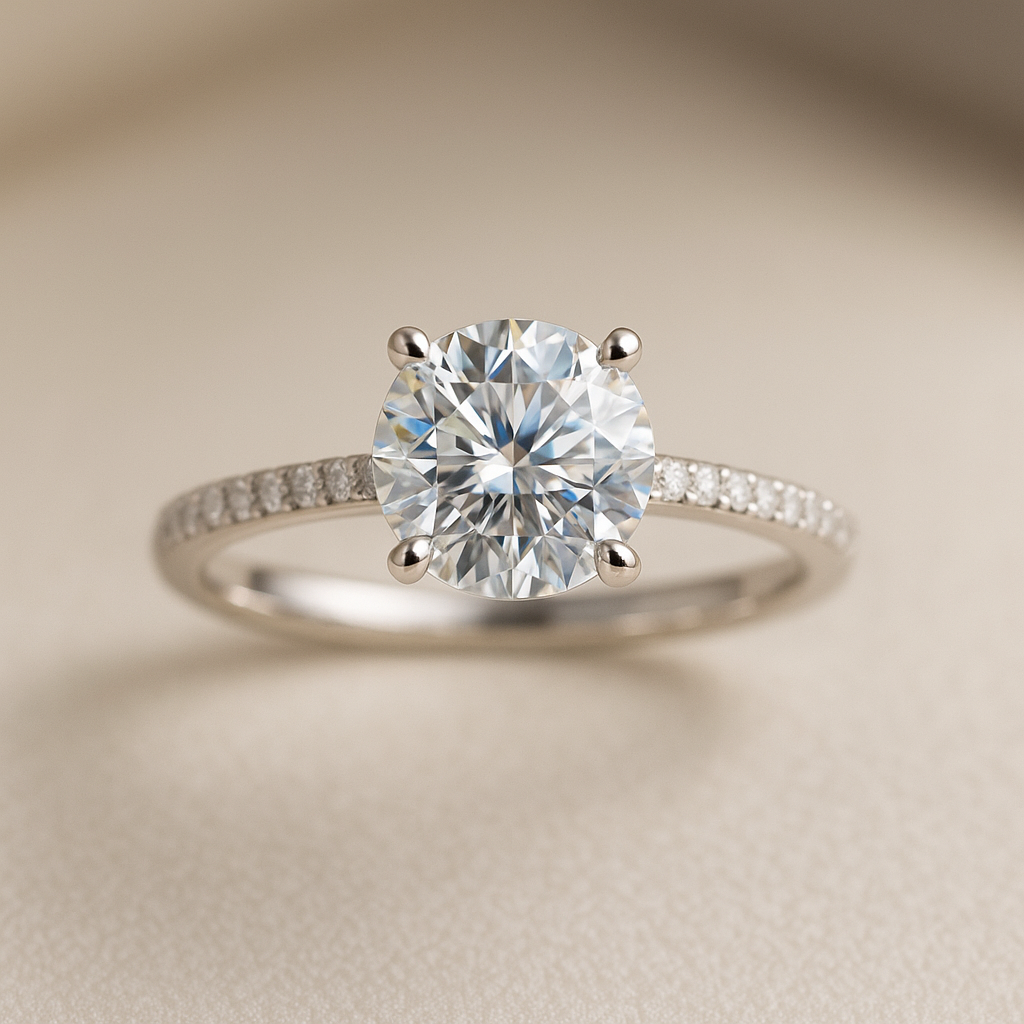

Understanding Lab-Grown Diamonds: The Modern Choice for Engagement Rings
When it comes to purchasing an engagement ring, couples are often faced with a myriad of choices. Among these, lab-grown diamonds have emerged as a popular alternative to natural diamonds. In this article, we’ll explore the characteristics, benefits, and considerations of lab-grown diamonds to help you make an informed decision.
What Are Lab-Grown Diamonds?
Lab-grown diamonds, also known as synthetic diamonds, are created in controlled laboratory environments using advanced technologies that replicate the natural processes of diamond formation. They are chemically, physically, and optically identical to natural diamonds, which means they possess the same brilliance and durability.
The Creation Process
Lab-grown diamonds can be produced using two primary methods: High Pressure High Temperature (HPHT) and Chemical Vapor Deposition (CVD).
- High Pressure High Temperature (HPHT): This method mimics the natural conditions that create diamonds deep within the Earth. A small diamond seed is placed in carbon and subjected to extreme heat and pressure, resulting in the formation of a larger diamond.
- Chemical Vapor Deposition (CVD): In this method, a gas mixture is used to deposit carbon atoms onto a substrate, which gradually grow into a diamond layer. CVD allows for the creation of larger diamonds with fewer impurities.
Benefits of Lab-Grown Diamonds
Choosing a lab-grown diamond comes with several advantages:
- Ethical Considerations: Lab-grown diamonds are conflict-free, ensuring that they are not sourced from areas where exploitation and environmental degradation may occur.
- Cost-Effectiveness: Typically, lab-grown diamonds cost 20-40% less than their natural counterparts, allowing you to maximize your budget without compromising on quality or size.
- Customization: Jewelers often offer more options for customization with lab-grown diamonds, enabling you to create a unique piece that accurately reflects your style and relationship.
- Environmental Impact: While natural diamond mining can result in significant environmental disruption, lab-grown diamonds have a considerably smaller carbon footprint, making them a more sustainable choice.
Comparing Lab-Grown Diamonds and Natural Diamonds
When comparing lab-grown diamonds to natural diamonds, several factors come into play:
- Value Retention: Natural diamonds tend to hold their value better than lab-grown diamonds. This can be an important consideration for buyers thinking long-term.
- Market Perception: Some traditionalists may view natural diamonds as more prestigious due to their unique history and rarity, while others prioritize modernity and ethics, favoring lab-grown options.
- Resale Potential: The resale market for lab-grown diamonds is still developing, which can impact future selling options compared to well-established natural diamonds.
How to Choose the Right Lab-Grown Diamond
When selecting a lab-grown diamond, consider these key factors:
- 4 Cs (Cut, Color, Clarity, Carat): Just like natural diamonds, lab-grown diamonds are evaluated based on the 4 Cs. Understanding these characteristics will help you make a more informed choice.
- Certification: Always choose lab-grown diamonds that come with certification from a reputable gemological laboratory, such as the Gemological Institute of America (GIA) or the International Gemological Institute (IGI).
- Jeweler Reputation: Ensure you’re purchasing from a reputable retailer who specializes in lab-grown diamonds. Research their reviews and return policy for added peace of mind.
Common Misconceptions About Lab-Grown Diamonds
Despite their growing popularity, several misconceptions about lab-grown diamonds persist:
- Misconception 1: Lab-Grown Diamonds Are Fake: This is false. Lab-grown diamonds are real diamonds, comprising the same material as natural diamonds, including carbon structure.
- Misconception 2: Lab-Grown Diamonds Lack Quality: On the contrary, lab-grown diamonds are often of higher quality because they can be produced with fewer impurities and inclusions.
- Misconception 3: They Are Just as Expensive as Natural Diamonds: Lab-grown diamonds are generally more affordable, allowing consumers to secure larger stones or better quality within their budget.
Frequently Asked Questions (FAQ)
1. Are lab-grown diamonds real?
Yes, lab-grown diamonds are real diamonds. They share the same physical and chemical properties as natural diamonds.
2. How much do lab-grown diamonds cost?
Lab-grown diamonds usually cost 20-40% less than natural diamonds, making them a budget-friendly option for many consumers.
3. Can lab-grown diamonds appreciate in value?
While some lab-grown diamonds may appreciate, they do not typically hold their value as well as natural diamonds due to market perceptions.
4. How do I care for a lab-grown diamond?
Caring for a lab-grown diamond is similar to caring for a natural diamond. Regular cleaning and maintenance will keep it looking brilliant.
5. Is there a difference in quality between lab-grown and natural diamonds?
Lab-grown diamonds can be of higher quality due to the controlled environment in which they are created, allowing for fewer inclusions and greater clarity.
Conclusion
Lab-grown diamonds represent a modern, ethical, and cost-effective choice for couples seeking engagement rings. With their identical qualities to natural diamonds and the added benefits of ethical sourcing and reduced prices, they are worth serious consideration. Whichever choice you make, ensure it reflects your values and love for one another.