Understanding Lab-Grown Diamonds: The Future of Engagement Rings
When it comes to selecting the perfect engagement ring, many couples face a pivotal decision: should they choose a natural diamond or a lab-grown diamond? As the diamond industry evolves, lab-grown diamonds have emerged as a compelling alternative, offering brilliant aesthetics and ethical assurance. In this article, we will explore the characteristics, benefits, and important considerations of lab-grown diamonds.
What Are Lab-Grown Diamonds?
Lab-grown diamonds, also known as synthetic or cultured diamonds, are created using advanced technological processes that replicate the natural conditions under which diamonds form. These processes—High Pressure High Temperature (HPHT) and Chemical Vapor Deposition (CVD)—allow for the production of diamonds that possess the same physical, chemical, and optical properties as their natural counterparts.
The Process of Creating Lab-Grown Diamonds
1. High Pressure High Temperature (HPHT): This method mimics the extreme pressure and temperature conditions found deep within the Earth. Carbon is subjected to high pressure and heated to high temperatures, resulting in the formation of diamonds.
2. Chemical Vapor Deposition (CVD): This technique involves creating a carbon-rich gas environment in a chamber, which allows carbon atoms to deposit onto a substrate and crystallize into diamond over time.
Key Benefits of Choosing Lab-Grown Diamonds
Lab-grown diamonds offer several advantages that make them an attractive choice for engagement rings:
- Ethical Sourcing: Lab-grown diamonds are produced in controlled environments, minimizing ethical concerns associated with mining practices.
- Cost-Effectiveness: Generally, lab-grown diamonds are priced 20-40% lower than natural diamonds, allowing for larger or higher-quality stones within the same budget.
- Quality and Purity: Many lab-grown diamonds boast fewer inclusions and better clarity, resulting in stones that are often visually stunning.
- Sustainability: The environmental impact of lab-grown diamonds is significantly lower than that of mined diamonds, as they require fewer resources and cause less ecological disruption.
Comparing Lab-Grown Diamonds to Natural Diamonds
When deciding between lab-grown and natural diamonds, consider the following factors:
1. Value Retention: Natural diamonds have historically maintained their value over time. Lab-grown diamonds, while gorgeous, may depreciate more rapidly due to their production process.
2. Emotional Value: Some consumers feel a stronger emotional connection to natural diamonds, perceiving them as more authentic or having a deeper history.
3. Certification: Both lab-grown and natural diamonds can be certified by reputable gemological laboratories, ensuring quality and authenticity. Look for certification from recognized organizations like the GIA or IGI.
Choosing the Right Lab-Grown Diamond
Here are some key factors to consider when selecting a lab-grown diamond:
- Cut: The cut of a diamond significantly affects its sparkle and overall beauty. A well-cut diamond will reflect light beautifully.
- Color: Lab-grown diamonds are available in a range of colors, from colorless to fancy hues. Choose a color grade based on personal preference and budget.
- Clarity: Clarity refers to the presence of inclusions or blemishes within a diamond. Higher clarity stones generally command higher prices.
- Carat Weight: Carat weight refers to the size of the diamond. Consider your partner’s preferences and your budget when determining the ideal carat weight.
Trending Styles for Lab-Grown Diamond Engagement Rings
Lab-grown diamonds are increasingly popular, and various styles are trending in engagement rings. Here are a few noteworthy designs:
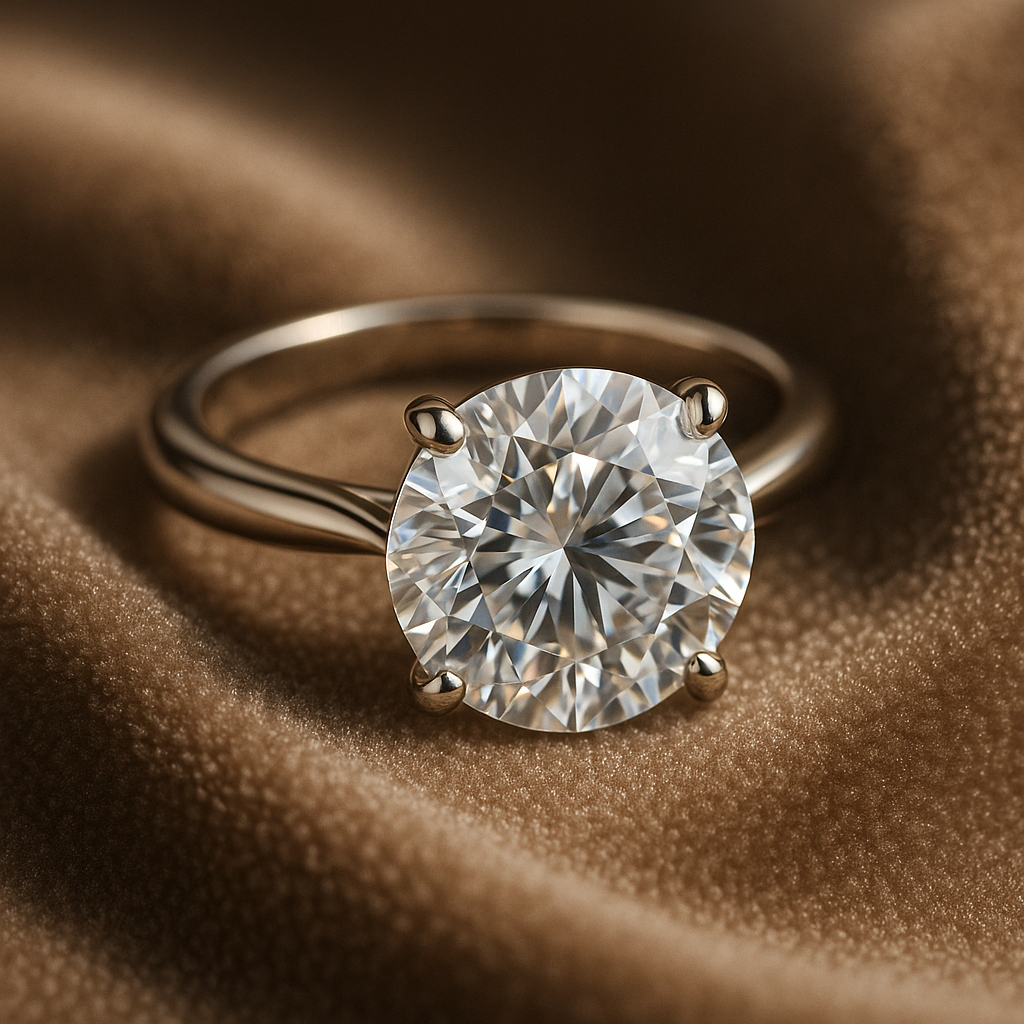
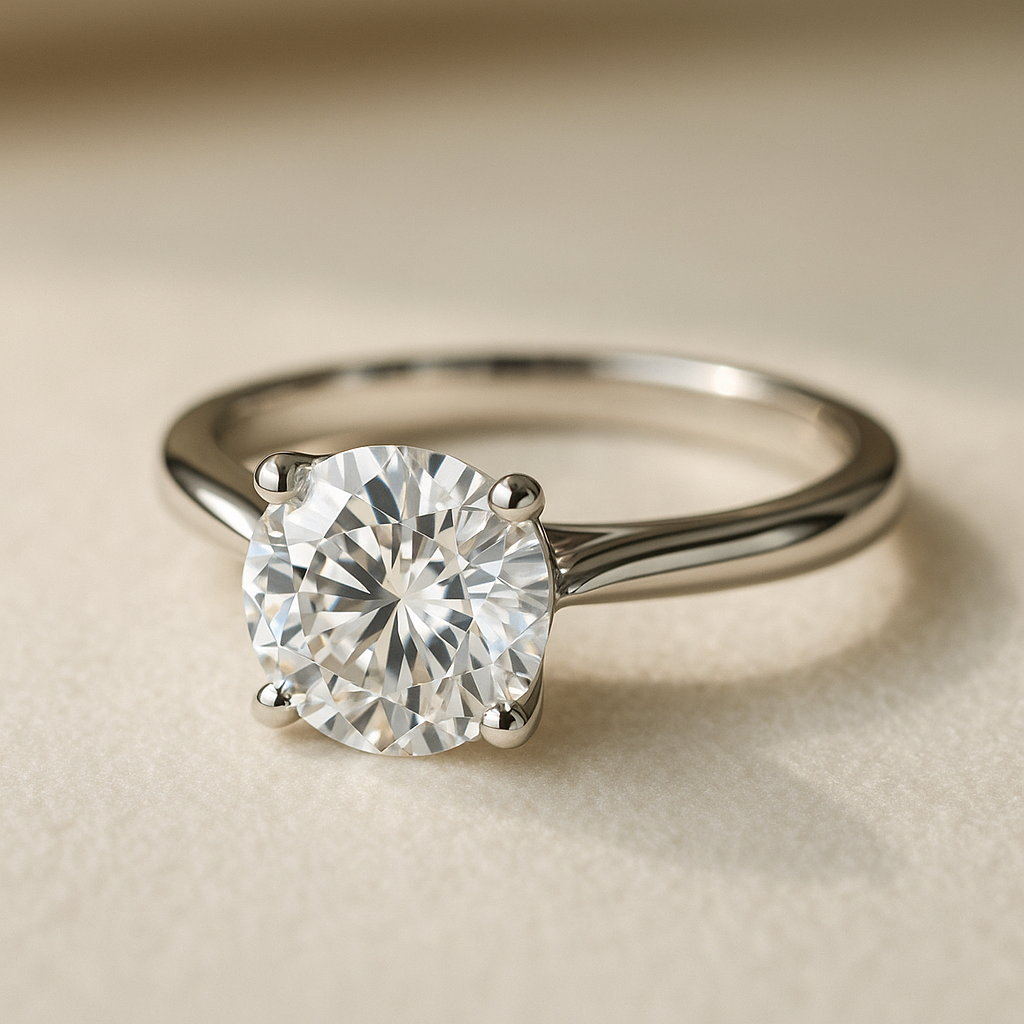
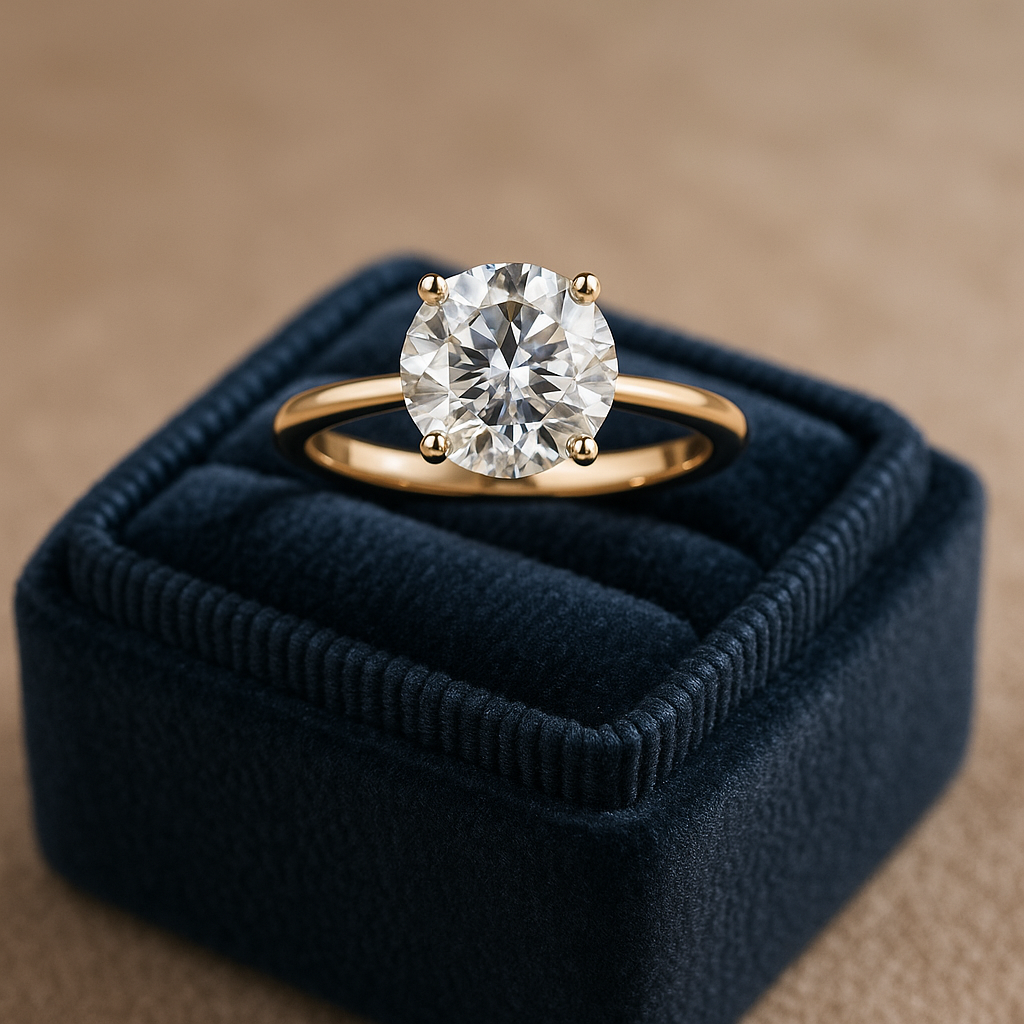
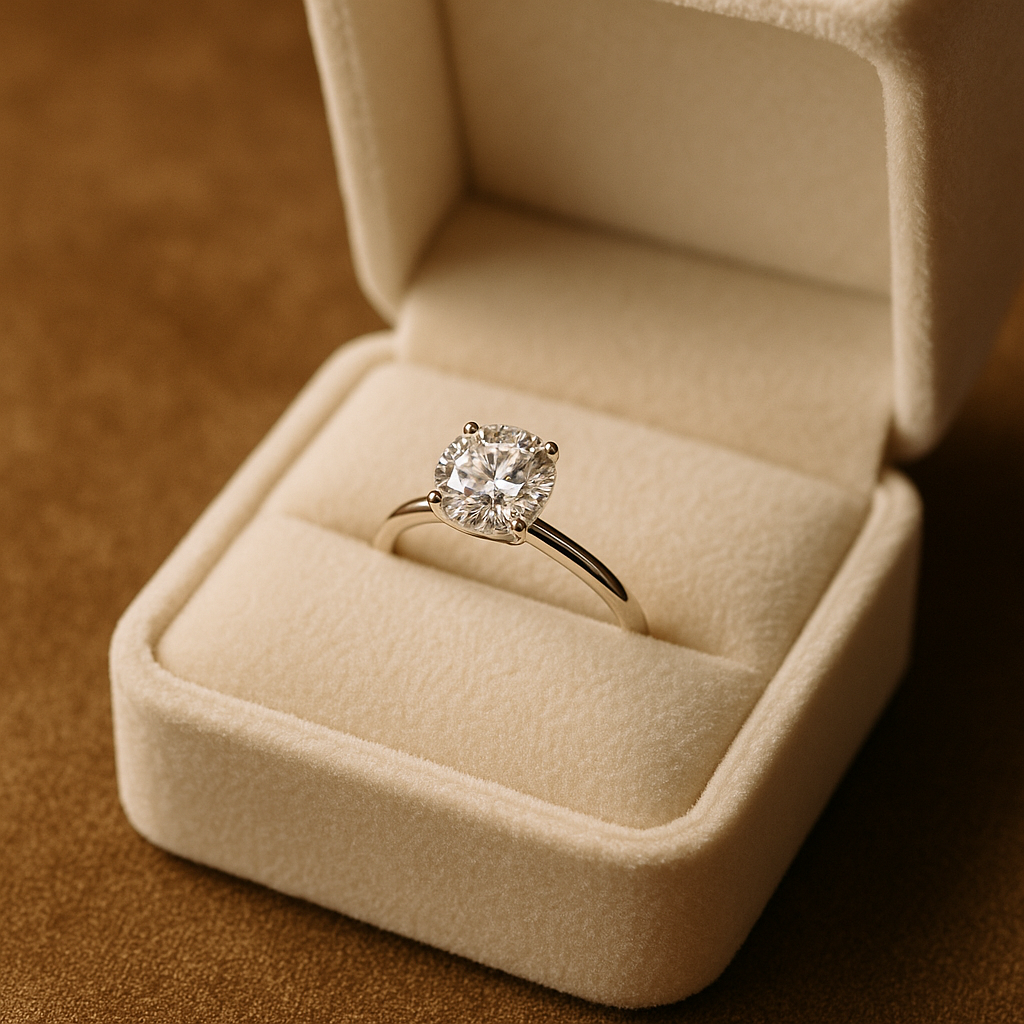
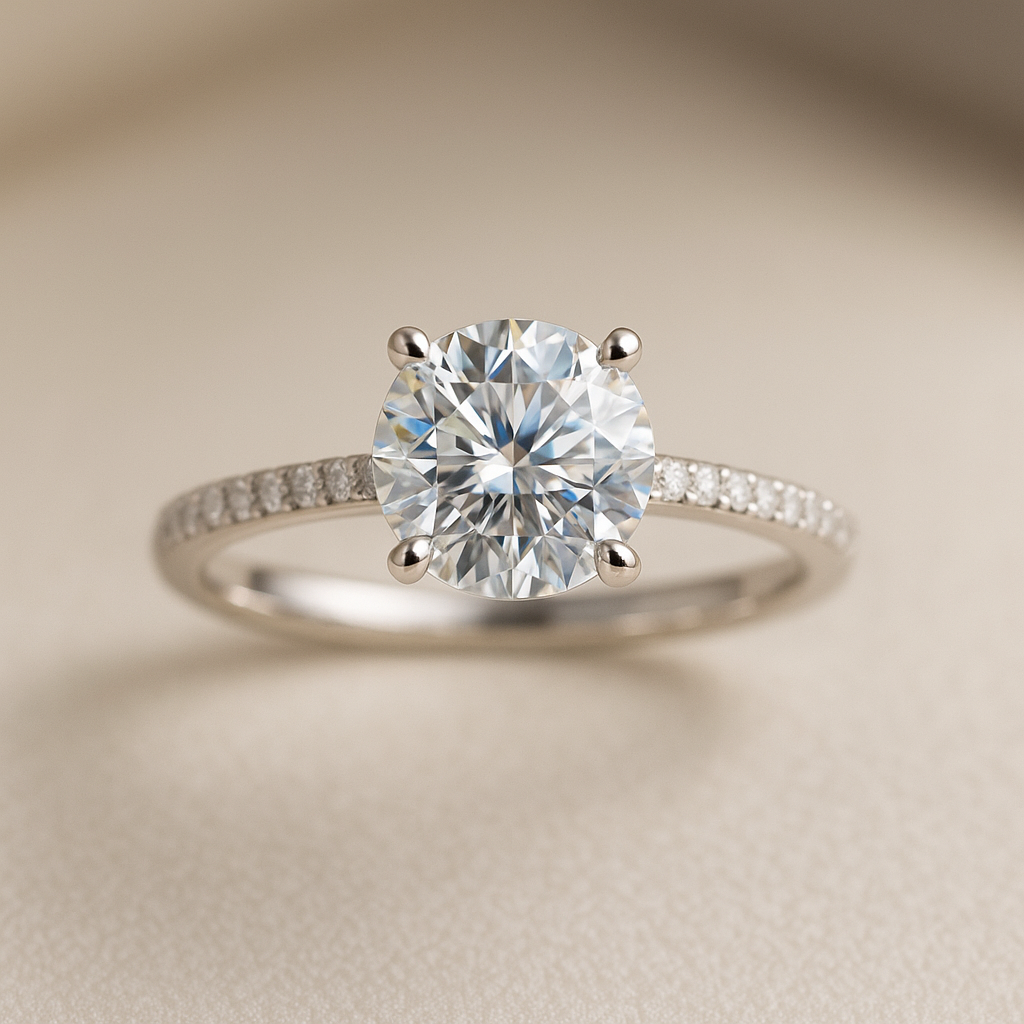
- Solitaire Settings: A classic choice that highlights the diamond’s beauty.
- Halo Settings: Surrounding the center diamond with smaller diamonds enhances its brilliance and size appearance.
- Three-Stone Rings: Symbolizing the past, present, and future, these rings feature three diamonds, often of varying sizes.
- Vintage-Inspired Rings: Many couples opt for intricate designs that evoke a sense of nostalgia while featuring modern lab-grown diamonds.
Lab-Grown Diamonds and the Environment
One of the most significant advantages of lab-grown diamonds is their reduced environmental impact. Traditional diamond mining can lead to soil erosion, deforestation, and habitat destruction. In contrast, lab-grown diamonds are manufactured in facilities that utilize sustainable practices, making them a more eco-friendly choice for environmentally conscious consumers.
FAQs About Lab-Grown Diamonds
1. Are lab-grown diamonds real diamonds?
Yes, lab-grown diamonds are real diamonds. They possess the same physical and chemical properties as natural diamonds and are graded using the same criteria.
2. How can I tell if a diamond is lab-grown or natural?
Lab-grown diamonds can be distinguished from natural diamonds through specialized equipment used by gemologists. Look for certification that indicates the diamond’s origin.
3. Do lab-grown diamonds lose value?
Lab-grown diamonds generally have a lower resale value compared to natural diamonds. It’s important to consider the value retention aspect during your purchase.
4. Can lab-grown diamonds be repaired or resized?
Yes, lab-grown diamonds can be resized or repaired just like natural diamonds. Ensure your jeweler is experienced with the specific settings used in your ring.
5. Are lab-grown diamonds an ethical choice?
Yes, lab-grown diamonds are considered more ethical than mined diamonds as they eliminate issues related to conflict diamonds and unethical mining practices.
Conclusion
Lab-grown diamonds represent a modern approach to fine jewelry, blending beauty, ethics, and affordability. Whether you prioritize sustainability, cost, or quality, lab-grown diamonds provide a compelling option for engagement rings and fine jewelry. As you embark on the journey to find the perfect ring, consider the numerous benefits of lab-grown diamonds—they may just be the perfect fit for your love story.