
The Allure of Lab-Grown Diamonds: A Comprehensive Guide
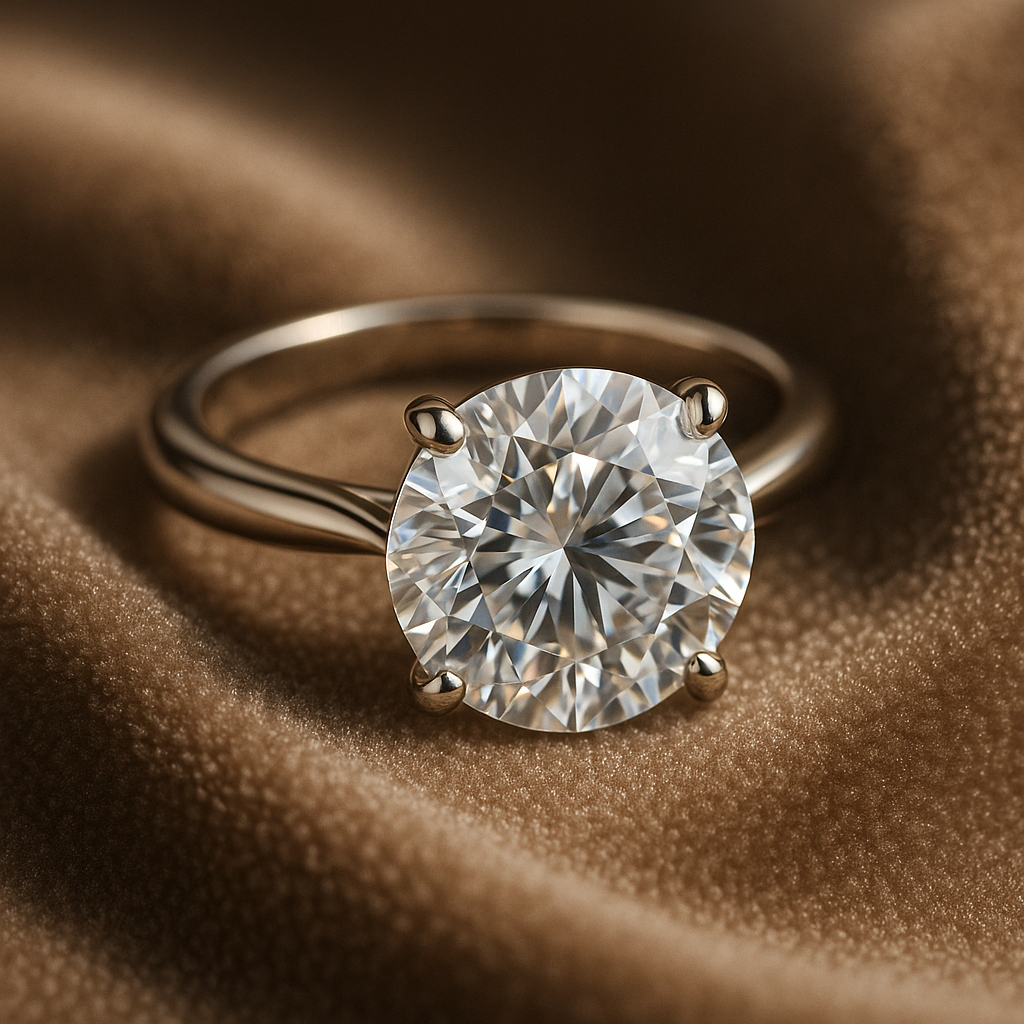
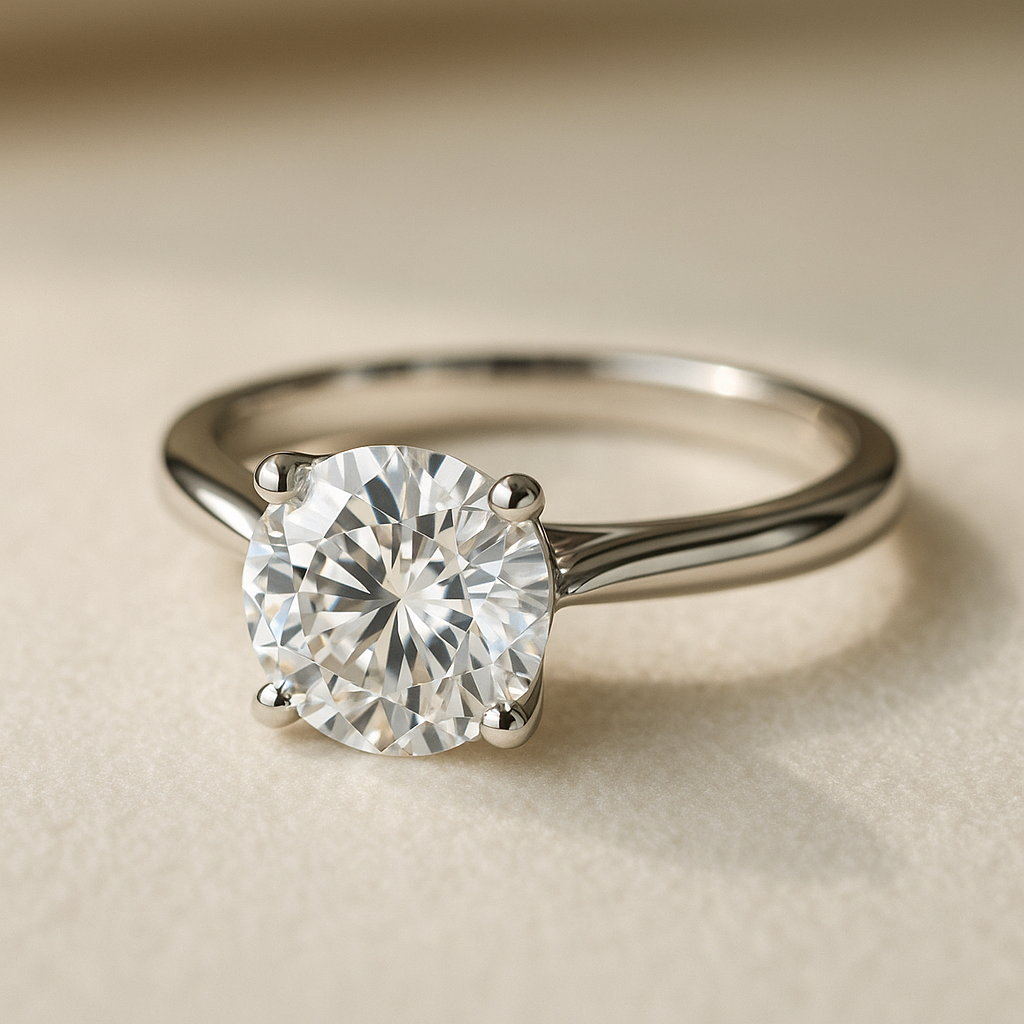
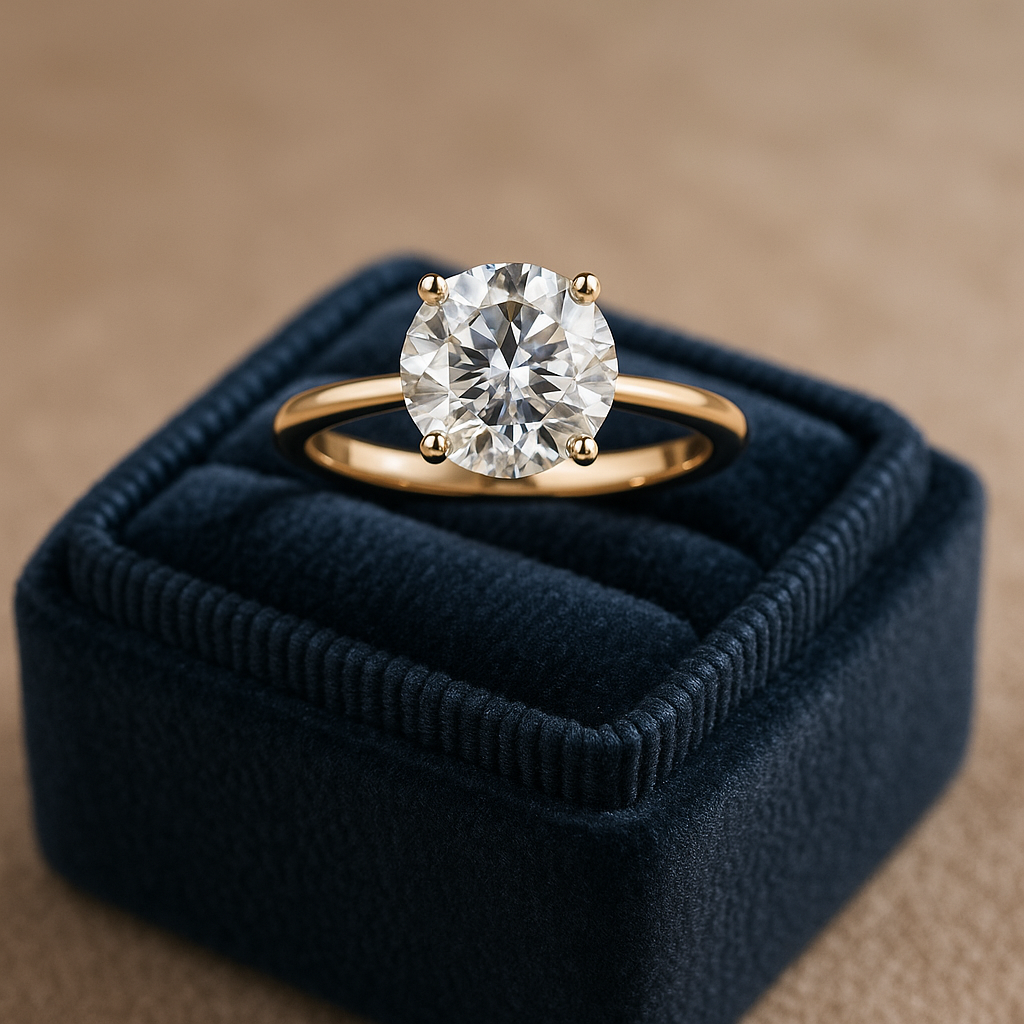
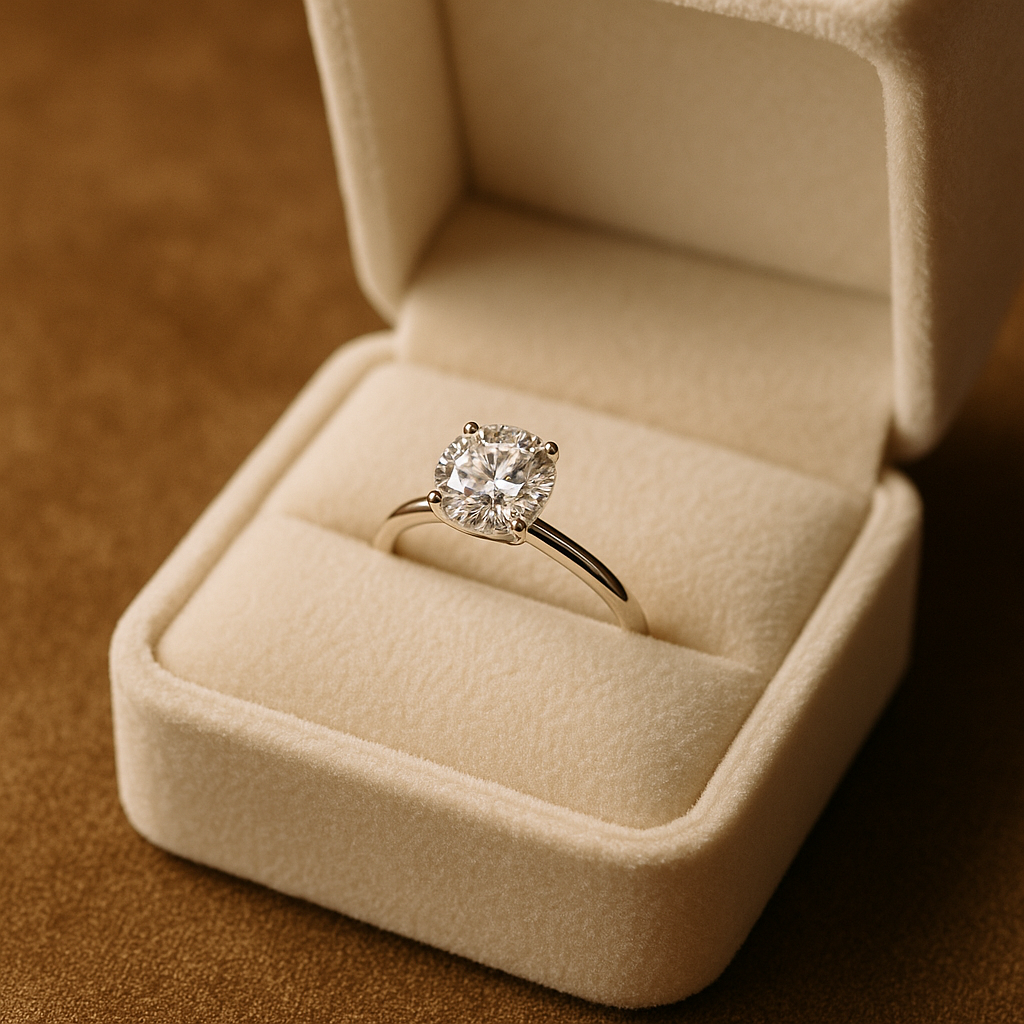
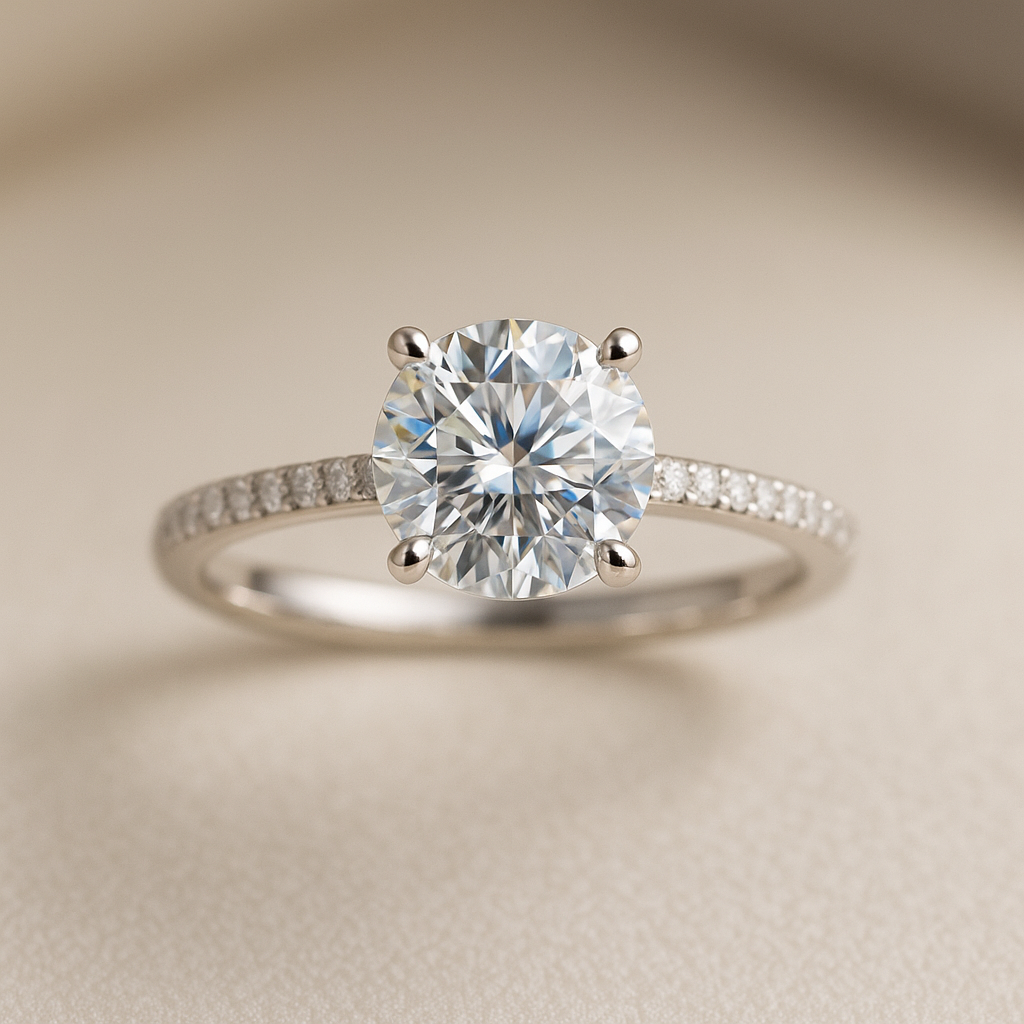
In recent years, lab-grown diamonds have captured the attention of consumers and industry experts alike. These stunning gems are identical to natural diamonds in both appearance and chemical composition, offering an exciting alternative to those seeking a beautiful and ethical option for engagement rings and fine jewelry. In this article, we’ll explore the characteristics, benefits, and considerations of lab-grown diamonds, helping you make an informed decision in your jewelry shopping journey.
Understanding Lab-Grown Diamonds
Lab-grown diamonds, also known as synthetic diamonds, are created in controlled environments using advanced technological processes that mimic the natural conditions under which diamonds form in the earth. There are two primary methods for creating lab-grown diamonds: Chemical Vapor Deposition (CVD) and High Pressure High Temperature (HPHT).
- Chemical Vapor Deposition (CVD): This method involves the use of gases that contain carbon, which are ionized to create a plasma. The carbon atoms then deposit onto a substrate, forming diamond crystals layer by layer.
- High Pressure High Temperature (HPHT): This technique replicates the extreme pressure and temperature conditions found deep within the earth. Carbon is subjected to these conditions to form diamonds, just as natural diamonds do.
Benefits of Lab-Grown Diamonds
1. Ethical and Sustainable
Lab-grown diamonds are often touted as a more ethical choice when compared to their natural counterparts. The mining of natural diamonds can have significant social and environmental impacts, including displacement of communities and ecological destruction. In contrast, lab-grown diamonds are produced in a controlled environment, reducing the negative impact on the planet.
2. Cost-Effective
One of the most compelling advantages of lab-grown diamonds is their price. They are typically 20-40% less expensive than natural diamonds of comparable size and quality. This cost-effectiveness allows consumers to invest in larger stones or higher quality settings without breaking the bank.
3. Quality and Variety
Lab-grown diamonds are available in various shapes, sizes, and qualities, just like natural diamonds. The controlled environment allows for fewer impurities and defects, often resulting in diamonds that are of equal or superior quality to natural stones. Consumers can choose from a wide range of options to find the perfect stone for their needs.
4. Transparency
Purchasing a lab-grown diamond provides consumers with greater transparency in the sourcing and quality of their diamond. Many reputable jewelers provide certification for lab-grown diamonds, ensuring they meet the highest industry standards.
Considerations When Buying Lab-Grown Diamonds
1. Resale Value
While lab-grown diamonds are an excellent choice for personal use, it’s essential to consider their resale value. Natural diamonds tend to hold their value better over time due to their rarity and the established market for them. Lab-grown diamonds, being more readily available, may not appreciate in value in the same way.
2. Perception
The perception of lab-grown diamonds can vary among consumers. Some people still prefer the traditional allure of natural diamonds, associating them with romance and lasting value. It is crucial to understand how the preference for lab-grown versus natural diamonds may affect your purchasing decision, especially when it comes to engagement rings.
Lab-Grown vs. Natural Diamonds: Key Differences
To help you make an informed choice, here is a summary of the primary differences between lab-grown diamonds and natural diamonds:
| Feature | Lab-Grown Diamonds | Natural Diamonds |
|---|---|---|
| Origin | Created in a lab | Formed naturally over millions of years |
| Price | 20-40% less expensive | Higher price due to rarity |
| Environmental Impact | More sustainable | Can cause significant environmental damage |
| Ethical Considerations | Free from conflict | Can be associated with conflict diamond issues |
| Resale Value | Lower potential for appreciation | Generally holds value well |
Choosing the Right Lab-Grown Diamond
When selecting a lab-grown diamond, consider the following factors:
- Cut: The cut of a diamond affects its brilliance and sparkle. Opt for a well-cut diamond to maximize its visual appeal.
- Color: Lab-grown diamonds come in various colors, from colorless to shades of yellow and brown. Choose a color grade that suits your preference.
- Clarity: This refers to the presence of inclusions and blemishes. Higher clarity diamonds are more valuable and visually appealing.
Frequently Asked Questions (FAQ)
What are lab-grown diamonds made of?
Lab-grown diamonds are made of the same material as natural diamonds: carbon. They are chemically and physically identical.
Are lab-grown diamonds real?
Yes, lab-grown diamonds are real diamonds. The only difference is their origin; they are created in a lab rather than formed in the earth.
Will lab-grown diamonds last as long as natural diamonds?
Yes, lab-grown diamonds are just as durable as natural diamonds and will last a lifetime with proper care.
How can I tell the difference between a lab-grown diamond and a natural diamond?
The best way to determine the origin of a diamond is through certification from a reputable gemological laboratory.
Conclusion
Lab-grown diamonds represent a revolution in the diamond industry, offering consumers beautiful, ethical, and cost-effective options for engagement rings and fine jewelry. As you embark on your jewelry shopping experience, keep in mind the advantages and considerations of lab-grown diamonds to find the perfect piece that meets your needs and values.