
Lab-Grown Diamonds: The Smart Choice for Your Next Jewelry Purchase
As you embark on the journey of selecting the perfect engagement ring or piece of fine jewelry, understanding the options available is crucial. Among the many choices, lab-grown diamonds have emerged as a popular alternative to natural diamonds. In this article, we delve into what lab-grown diamonds are, their benefits, and why they might be the ideal choice for your next jewelry purchase.
What Are Lab-Grown Diamonds?
Lab-grown diamonds, also known as synthetic diamonds or cultured diamonds, are real diamonds created in controlled environments using advanced technology. Unlike natural diamonds, which form over millions of years in the Earth’s mantle, lab-grown diamonds can be produced in a matter of weeks. They possess the same physical, chemical, and optical properties as their mined counterparts.
How Are Lab-Grown Diamonds Made?
There are two primary methods for creating lab-grown diamonds: High Pressure High Temperature (HPHT) and Chemical Vapor Deposition (CVD).
- High Pressure High Temperature (HPHT): This method mimics the natural diamond formation process by using extreme pressure and temperature to transform carbon into a diamond.
- Chemical Vapor Deposition (CVD): In this method, a gas mixture is used to grow diamonds layer by layer on a substrate, allowing for precise control over the diamond’s characteristics.
Both methods result in high-quality diamonds that are indistinguishable from natural diamonds to the naked eye and even under magnification.
Benefits of Choosing Lab-Grown Diamonds
Choosing a lab-grown diamond comes with a host of advantages that make it an appealing option for consumers:
1. Cost-Effectiveness
Lab-grown diamonds typically cost 20-40% less than natural diamonds. This means that you can get a larger, higher-quality diamond for the same budget, allowing you to invest in other aspects of your jewelry or save for future needs.
2. Ethical Considerations
Lab-grown diamonds are produced in controlled environments, eliminating the ethical concerns often associated with natural diamonds, such as conflict diamonds. Choosing lab-grown diamonds means supporting a more sustainable and ethical jewelry industry.
3. Environmental Impact
The diamond mining industry has a significant environmental footprint, often leading to habitat destruction and pollution. Lab-grown diamonds, however, have a significantly smaller environmental impact, making them a more eco-friendly choice.
Comparing Lab-Grown Diamonds and Natural Diamonds
When considering your options, it’s important to understand the distinctions between lab-grown and natural diamonds:
1. Quality
Both lab-grown and natural diamonds can be of exceptional quality. They are graded using the same criteria: the Four Cs (Cut, Color, Clarity, and Carat Weight). In many cases, lab-grown diamonds can offer better clarity and fewer inclusions due to controlled growth conditions.
2. Value Retention
Natural diamonds have historically held their value over time, but lab-grown diamonds tend to depreciate more rapidly. While they are less expensive to purchase, it’s essential to consider your long-term plans and how you value your investment.
3. Resale Market
The resale market for lab-grown diamonds is still developing, while natural diamonds have an established market. If resale value is a significant concern for you, this is an important factor to consider.
Frequently Asked Questions (FAQ)
Are lab-grown diamonds real diamonds?
Yes, lab-grown diamonds are real diamonds. They have the same chemical and physical properties as natural diamonds, making them indistinguishable without specialized equipment.
Do lab-grown diamonds look the same as natural diamonds?
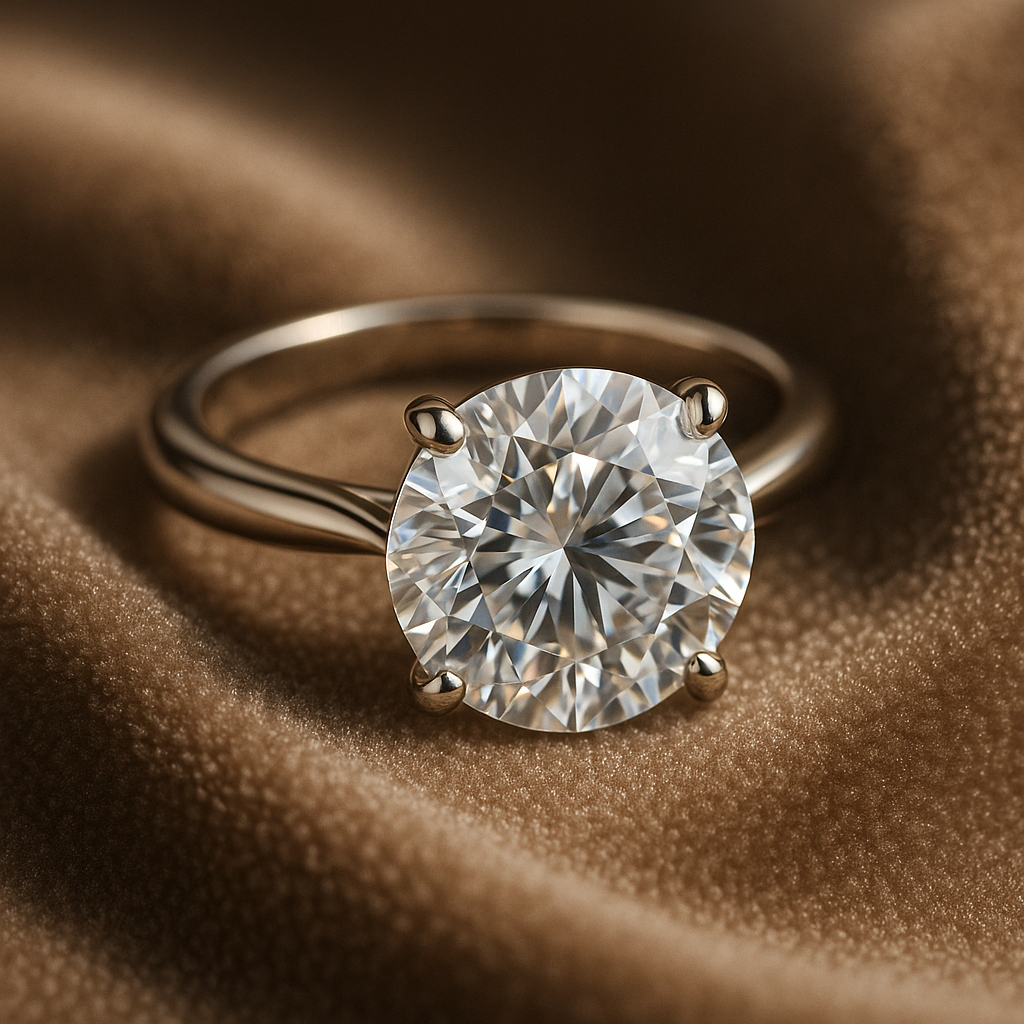
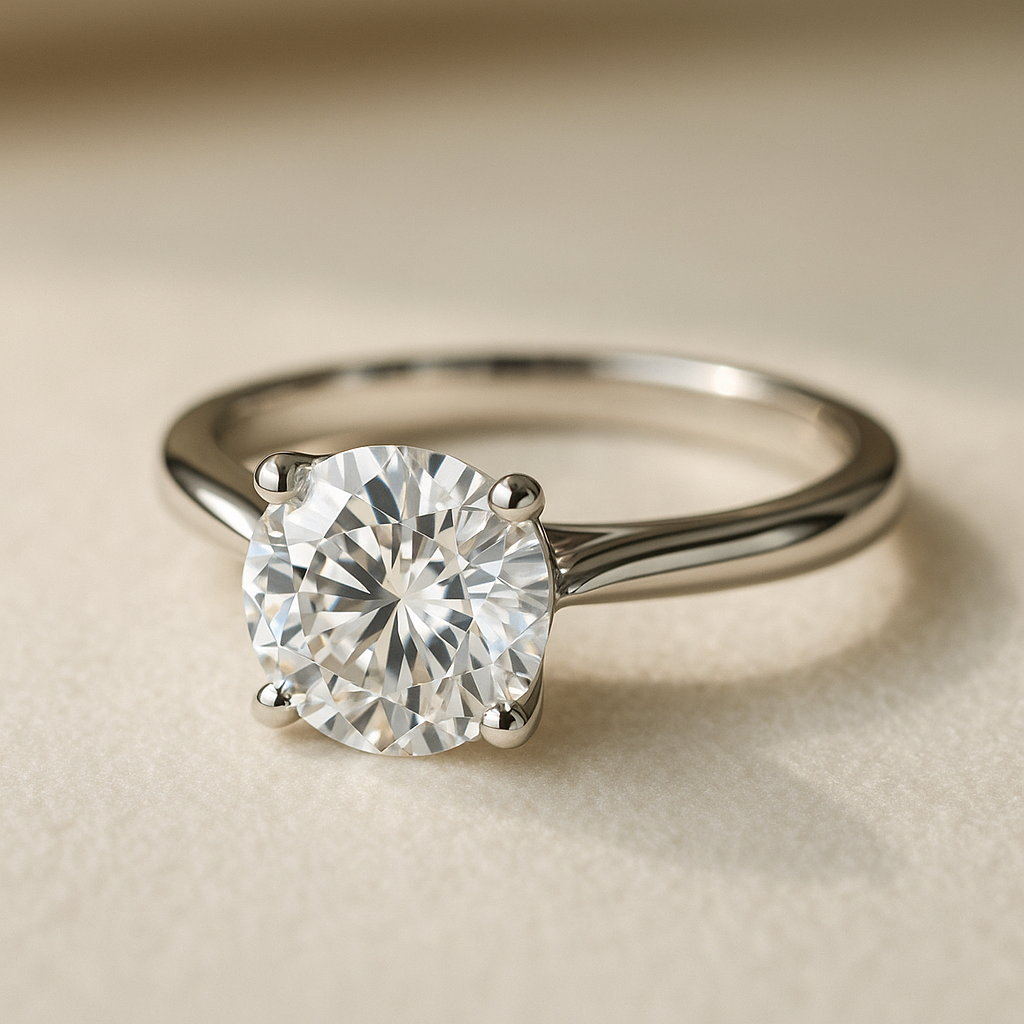
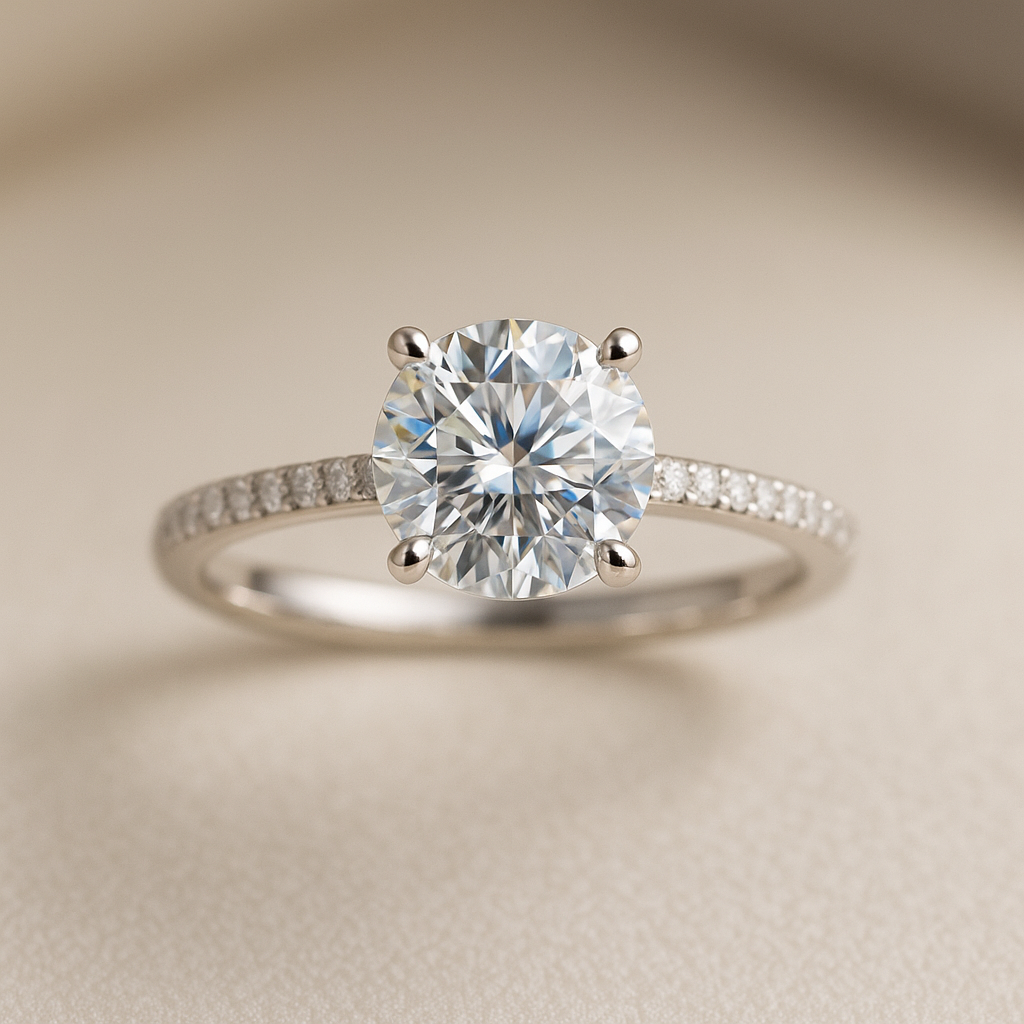
Absolutely! Lab-grown diamonds exhibit the same brilliance and fire as natural diamonds and can be cut and shaped into any style, just like their mined counterparts.
How can you tell the difference between lab-grown and natural diamonds?
While they are chemically identical, lab-grown diamonds may contain unique growth patterns often detectable with advanced gemological testing. Most consumers won’t be able to identify the difference without professional assistance.
What is the best way to buy a lab-grown diamond?
To ensure you are purchasing a quality lab-grown diamond, look for reputable retailers who provide certification from recognized gemological laboratories. Always ask for details about the diamond’s characteristics and origins.
Choosing the Right Lab-Grown Diamond for You
As you explore your options for engagement rings or fine jewelry, consider your personal values alongside your budget. Lab-grown diamonds can combine beauty and affordability without compromising on quality or ethics. Whether you prioritize environmental concerns or simply want a stunning piece of jewelry, lab-grown diamonds offer a compelling choice.
Conclusion
Lab-grown diamonds are a modern solution for today’s consumer, blending luxury with ethics and affordability. They are a viable and attractive alternative to natural diamonds, making them a smart choice for anyone looking to make a meaningful purchase. As the jewelry industry evolves, lab-grown diamonds have solidified their place as an appealing option for couples and jewelry lovers alike.