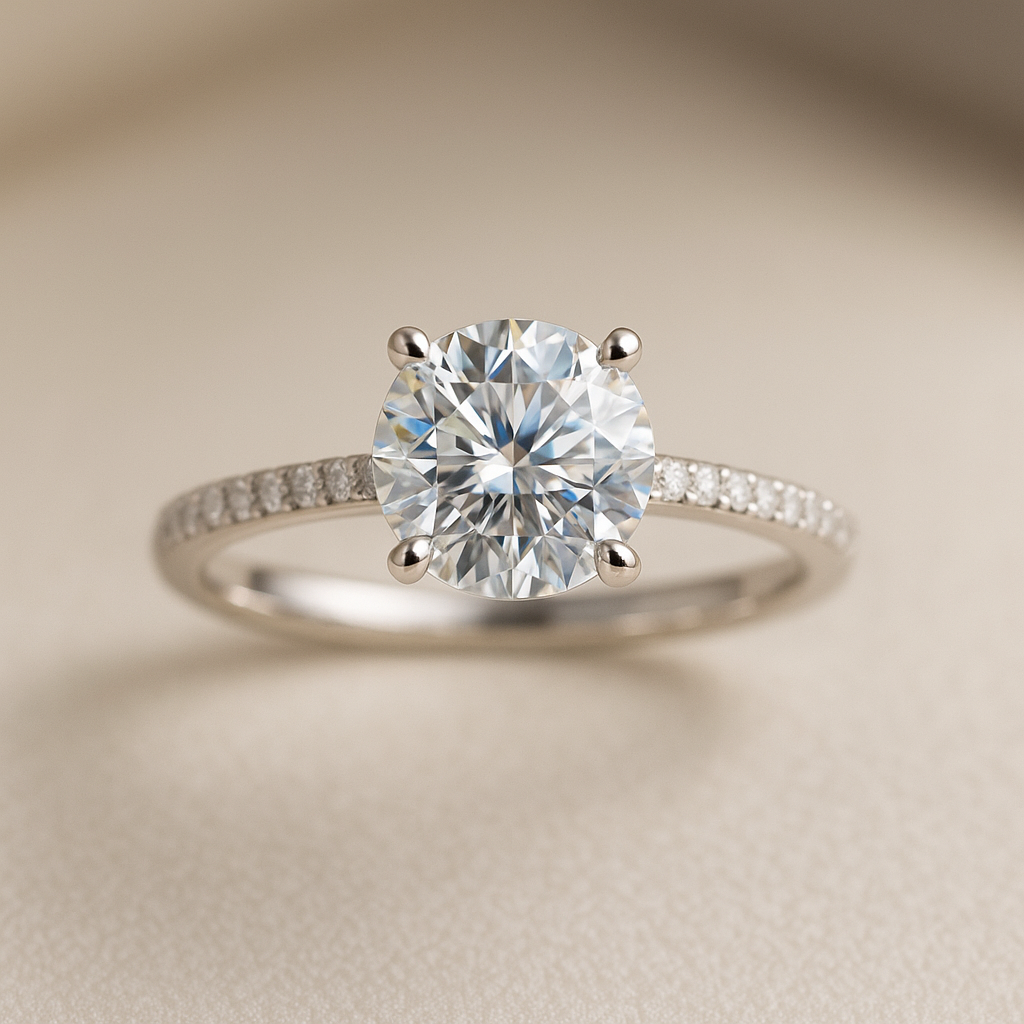
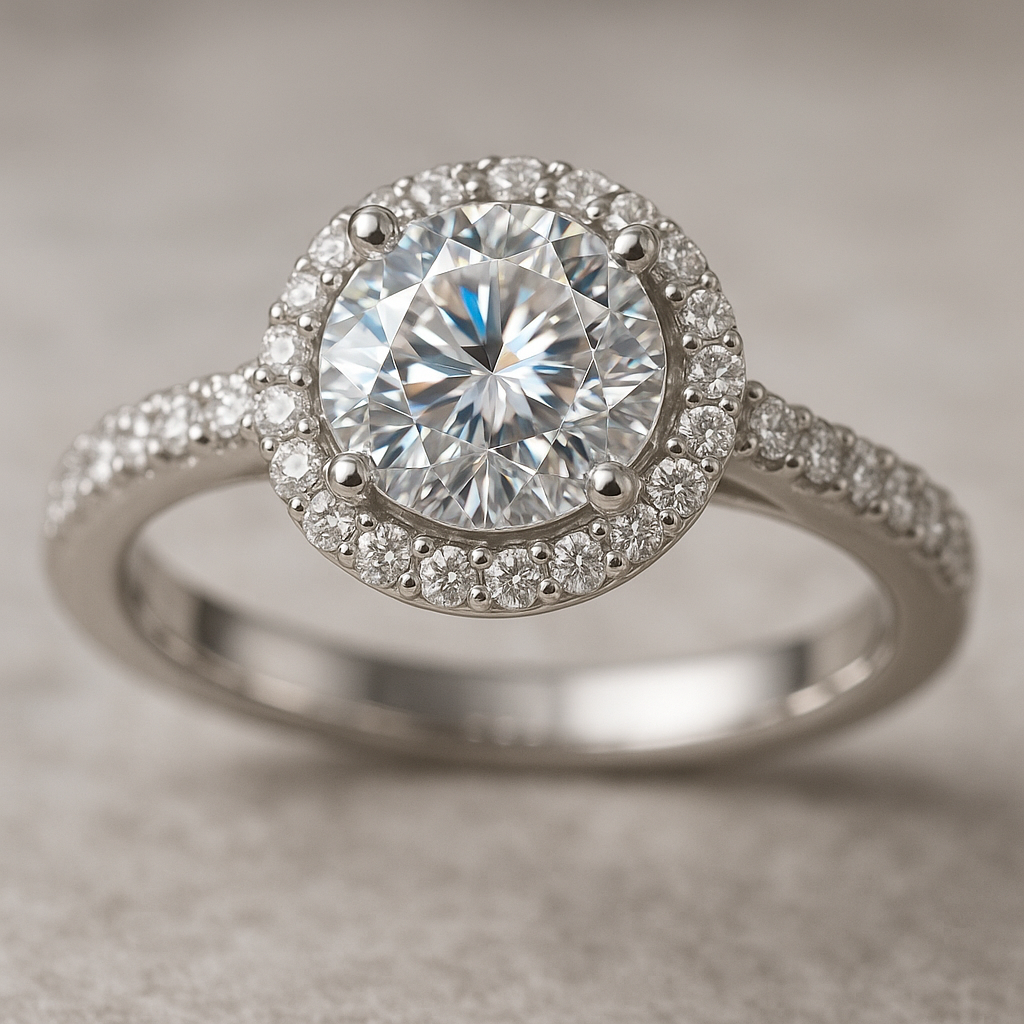
Understanding Lab-Grown Diamonds: The Future of Fine Jewelry
As consumers embark on the journey to find the perfect engagement ring or fine jewelry piece, one option increasingly capturing attention is lab-grown diamonds. These remarkable gems offer a blend of beauty, ethics, and affordability that appeals to a discerning audience. In this article, we will explore what lab-grown diamonds are, their benefits compared to natural diamonds, and how they fit into the contemporary jewelry landscape.
What Are Lab-Grown Diamonds?
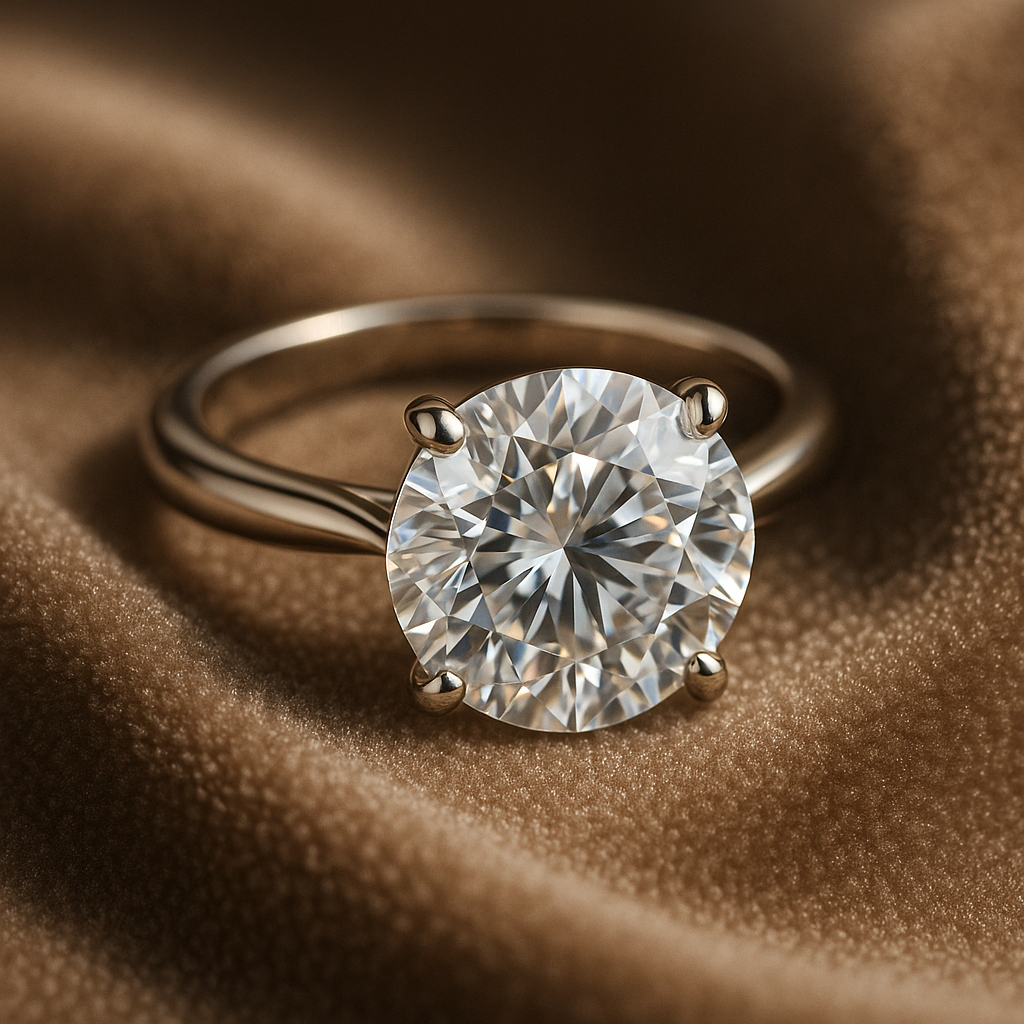
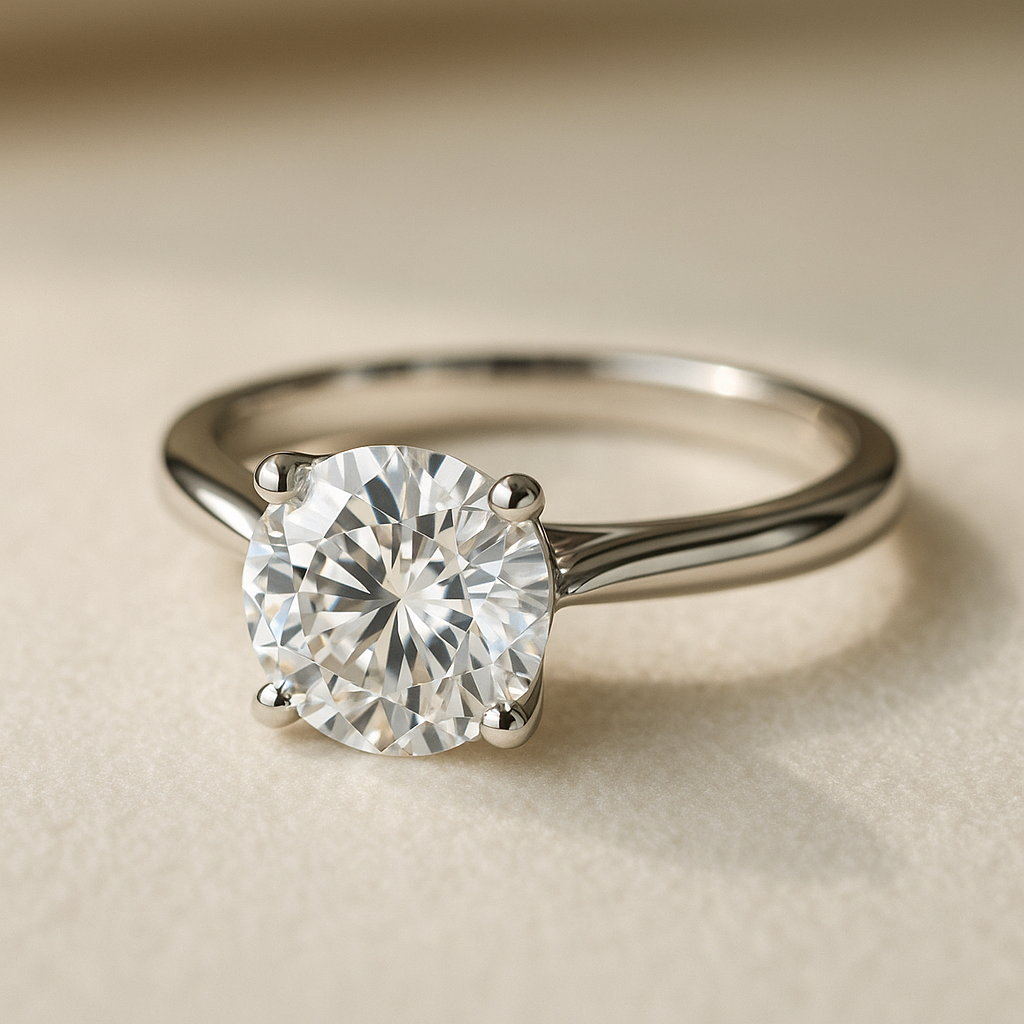
Lab-grown diamonds are real diamonds created in controlled environments using advanced technology. They possess the same physical, chemical, and optical properties as natural diamonds mined from the earth. The two primary methods for creating lab-grown diamonds are High Pressure High Temperature (HPHT) and Chemical Vapor Deposition (CVD). Both methods replicate the natural conditions that create diamonds, resulting in gems that are virtually indistinguishable from their natural counterparts.
Benefits of Lab-Grown Diamonds
1. Ethical and Sustainable
One of the most compelling reasons consumers opt for lab-grown diamonds is the ethical aspect. Traditional diamond mining can lead to significant environmental degradation and human rights issues, including conflict diamonds that fund violence and exploitation. In contrast, lab-grown diamonds are manufactured in facilities with strict ethical guidelines, ensuring that no harm comes to people or the planet.
2. Cost-Effective
Lab-grown diamonds typically cost 20-40% less than comparable natural diamonds. This price difference stems from the fact that lab-grown diamonds are produced in a controlled environment, eliminating the costs associated with mining and distribution. For couples looking to maximize their budget without compromising on quality, lab-grown diamonds present an attractive option.
3. Quality and Variety
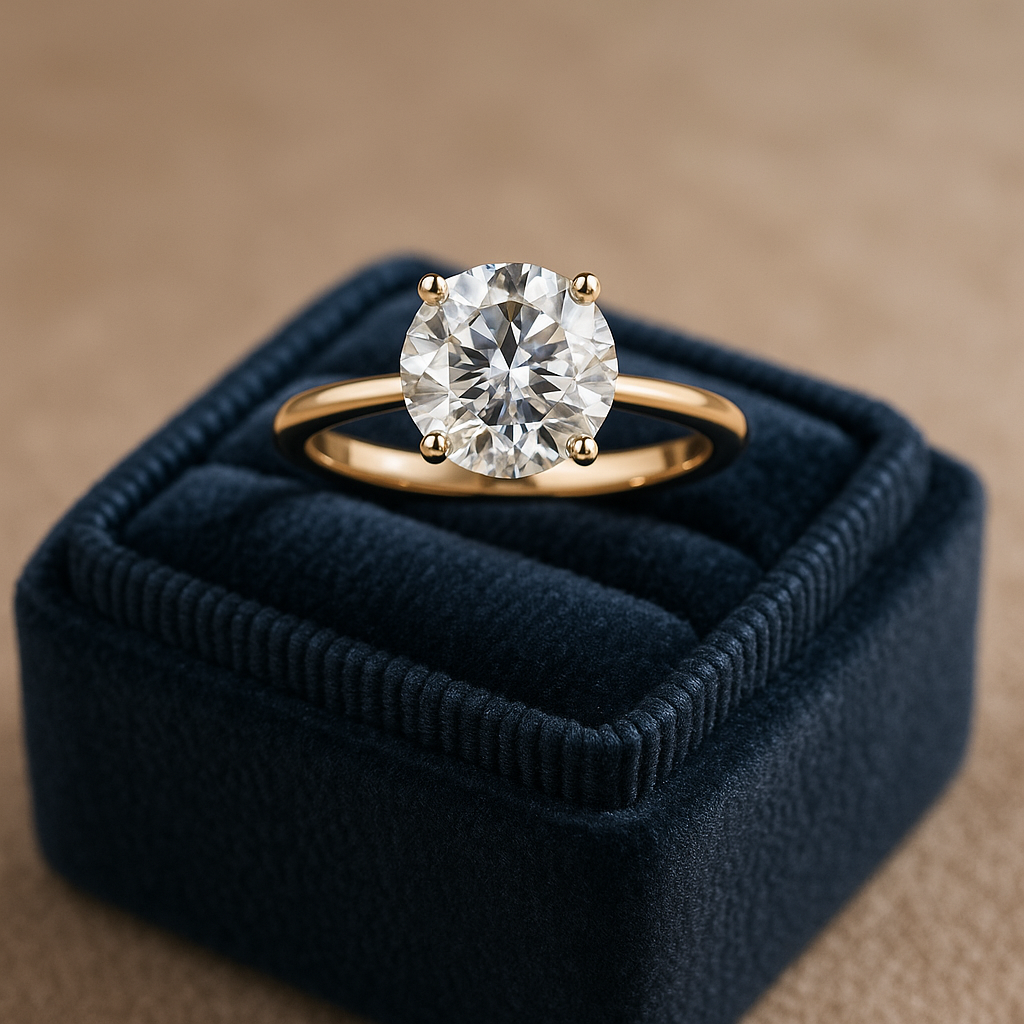
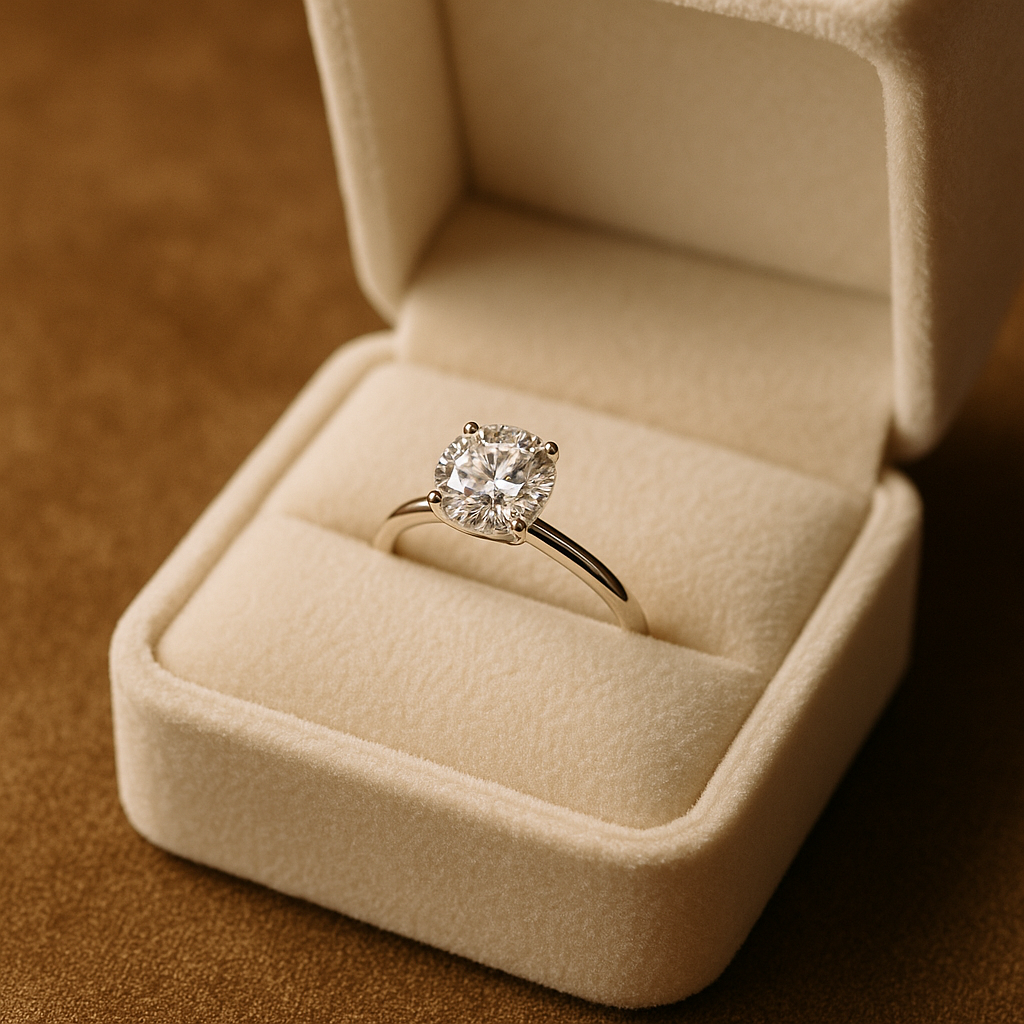
Lab-grown diamonds are available in a wide range of styles, cuts, and sizes, just like their natural counterparts. Additionally, they can be produced in various colors, making it easier for consumers to find something truly unique. The quality of lab-grown diamonds can be superb, with many attaining excellent ratings on the gemological grading scale.
4. Transparency in Sourcing
With lab-grown diamonds, transparency is paramount. Unlike natural diamonds, where the supply chain can be murky, lab-grown diamonds come with clear information about their origin. This transparency fosters trust and allows consumers to make informed purchasing decisions.
Lab-Grown vs. Natural Diamonds: Key Differences
| Feature | Lab-Grown Diamonds | Natural Diamonds |
|---|---|---|
| Origin | Created in a lab | Formed naturally over billions of years |
| Cost | Less expensive | More expensive |
| Environmental Impact | Minimal environmental impact | Can contribute to environmental degradation |
| Ethical Concerns | Ethically sourced | Potential for conflict diamonds |
| Resale Value | Lower resale value | Higher resale value |
Frequently Asked Questions (FAQs)
1. Are lab-grown diamonds real diamonds?
Yes, lab-grown diamonds are real diamonds. They have the same physical and chemical properties as natural diamonds and are graded using the same criteria.
2. Do lab-grown diamonds hold their value?
Lab-grown diamonds typically have a lower resale value compared to natural diamonds. However, their value is steadily increasing as consumer awareness and acceptance grow.
3. How can I differentiate between lab-grown and natural diamonds?
While lab-grown and natural diamonds are nearly indistinguishable to the naked eye, gemologists can identify them using specialized equipment that detects growth patterns and inclusions specific to each type.
4. Can lab-grown diamonds be damaged?
Lab-grown diamonds are just as durable as natural diamonds and are rated 10 on the Mohs hardness scale, meaning they are resistant to scratching and damage.
5. What certification should I look for when purchasing a lab-grown diamond?
When purchasing a lab-grown diamond, look for certification from recognized gemological laboratories such as the Gemological Institute of America (GIA) or the International Gemological Institute (IGI).
Conclusion
Lab-grown diamonds represent a significant shift in the diamond industry, appealing to consumers who prioritize ethics and sustainability without compromising on beauty. As they continue to gain popularity, understanding the value and benefits of these gems will empower consumers to make informed choices that reflect their values and style. At Celebrity Diamonds, we offer a stunning collection of lab-grown diamonds, ensuring that every customer finds a piece that resonates with their individual journey.