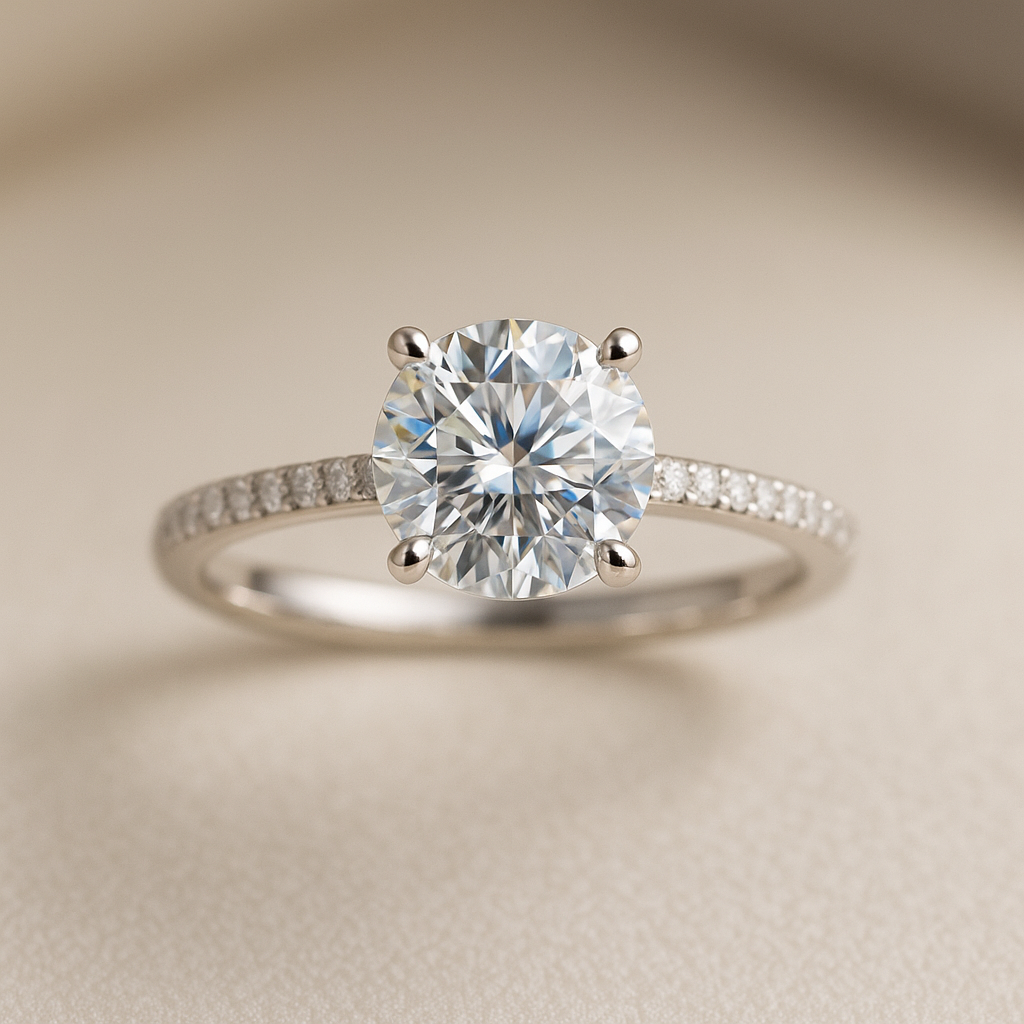

Understanding Lab-Grown Diamonds: A Comprehensive Guide
Lab-grown diamonds have gained immense popularity in recent years, presenting an ethical and affordable alternative to natural diamonds. As consumers become more informed about their choices, the differences between lab-grown and natural diamonds are crucial to understand. This guide will explore what lab-grown diamonds are, their benefits, how they compare to natural diamonds, and tips for selecting the perfect stone for your engagement ring or fine jewelry.
What Are Lab-Grown Diamonds?
Lab-grown diamonds, also known as synthetic or cultured diamonds, are real diamonds created in controlled environments using advanced technological processes. These diamonds possess the same physical, chemical, and optical properties as natural diamonds, making them indistinguishable to the naked eye. The two primary methods for creating lab-grown diamonds are High-Pressure High-Temperature (HPHT) and Chemical Vapor Deposition (CVD).
High-Pressure High-Temperature (HPHT)
The HPHT method mimics the natural conditions under which diamonds are formed in the Earth’s mantle. Carbon is subjected to extreme pressure and heat, resulting in diamond crystallization.
Chemical Vapor Deposition (CVD)
The CVD process involves placing a diamond seed in a vacuum chamber filled with carbon-rich gases. Through a series of reactions, carbon atoms deposit onto the seed, creating a diamond layer by layer.
Benefits of Lab-Grown Diamonds
Understanding the advantages of lab-grown diamonds can help you make an informed decision when choosing jewelry. Here are some key benefits:
1. Ethical Considerations
Lab-grown diamonds are conflict-free, ensuring they are not sourced from regions plagued by human rights abuses. This ethical sourcing is essential for consumers who prioritize social responsibility in their purchases.
2. Affordability
Lab-grown diamonds typically cost 20-40% less than their natural counterparts. This price difference allows consumers to invest in larger or higher-quality stones without exceeding their budget.
3. Environmental Impact
While natural diamond mining can lead to environmental degradation, lab-grown diamonds have a significantly lower environmental footprint. The controlled production processes used for lab-grown diamonds can minimize ecological harm.
Lab-Grown vs. Natural Diamonds
When comparing lab-grown and natural diamonds, it’s essential to consider various factors, including quality, appearance, and value retention.
Quality and Appearance
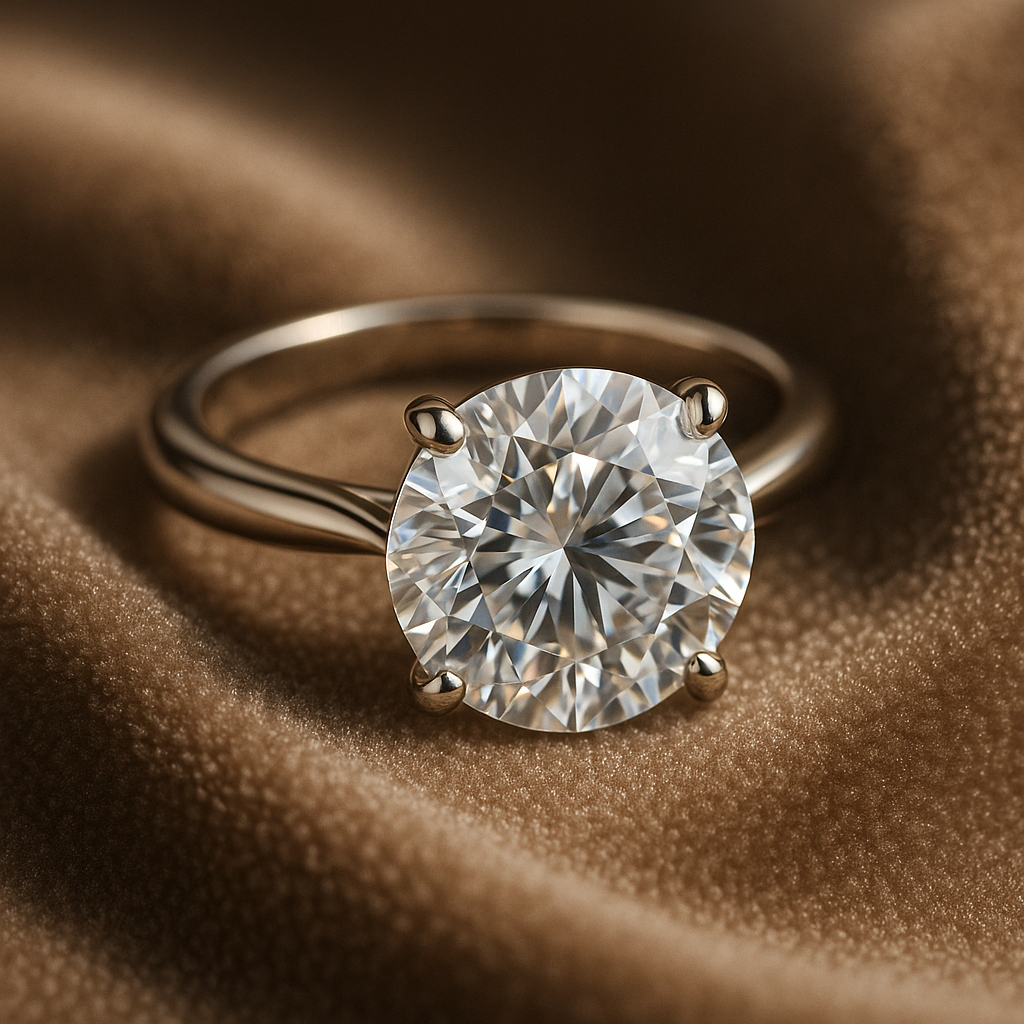
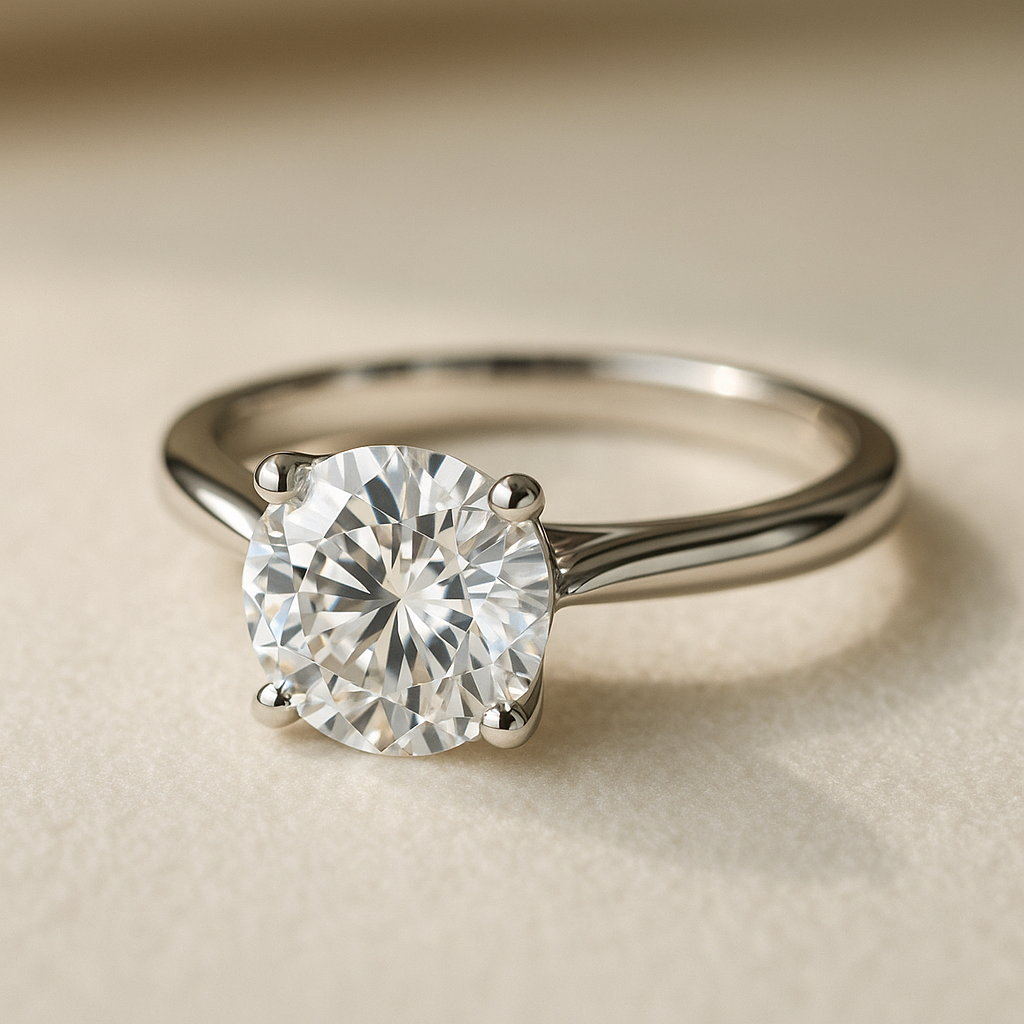
Both lab-grown and natural diamonds are graded using the same criteria: the 4Cs—Cut, Color, Clarity, and Carat weight. Lab-grown diamonds can be produced with fewer inclusions and superior color grades, often resulting in a visually stunning product.
Value Retention
Natural diamonds typically retain value better than lab-grown diamonds due to their rarity and historical significance. However, lab-grown diamonds are increasing in popularity, and their market is evolving. It’s worth considering how much the value of each type of diamond matters to you when making your purchase.
Choosing the Right Lab-Grown Diamond for Your Jewelry
When selecting a lab-grown diamond, consider the following tips to ensure you find the perfect stone for your engagement ring or fine jewelry:
1. Determine Your Budget
Before shopping, set a budget that includes the cost of the diamond and additional expenses such as the setting and any modifications.
2. Understand the 4Cs
Familiarize yourself with the 4Cs to make informed comparisons. Each