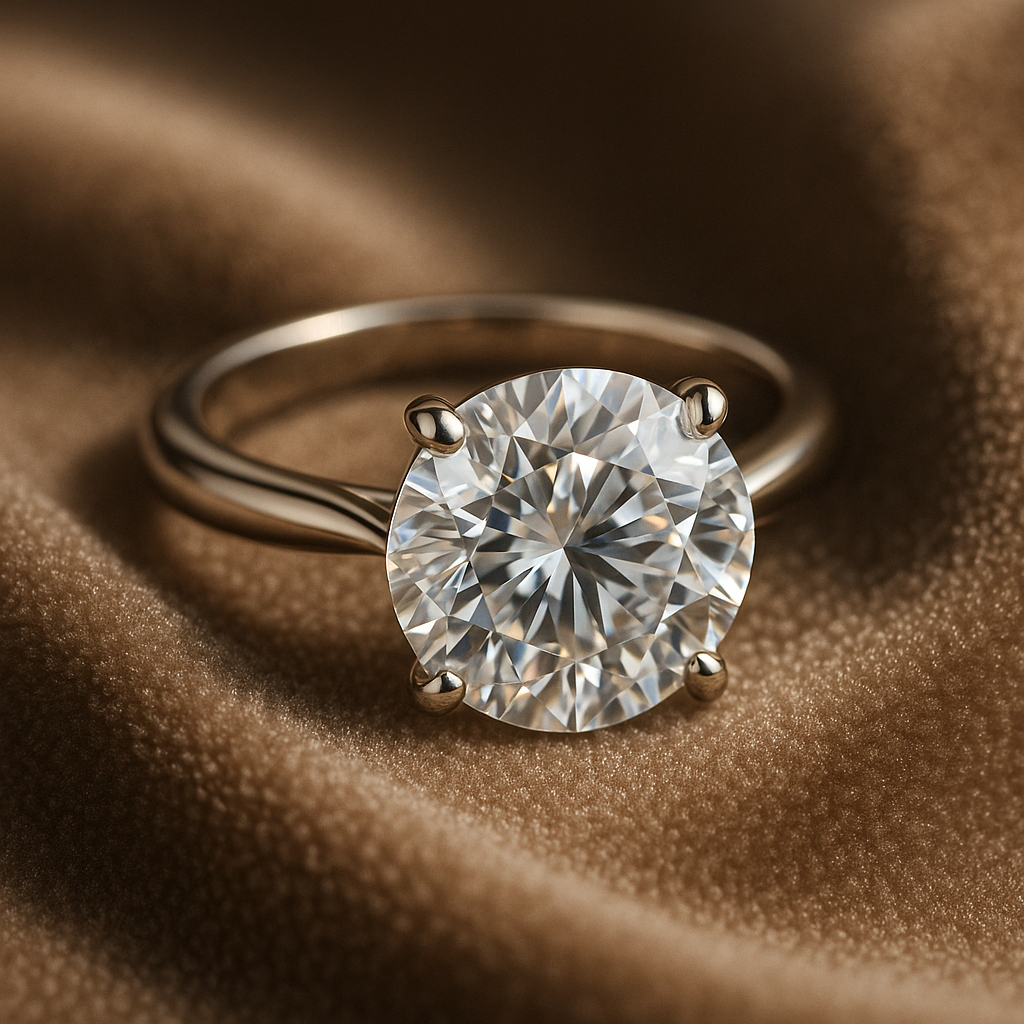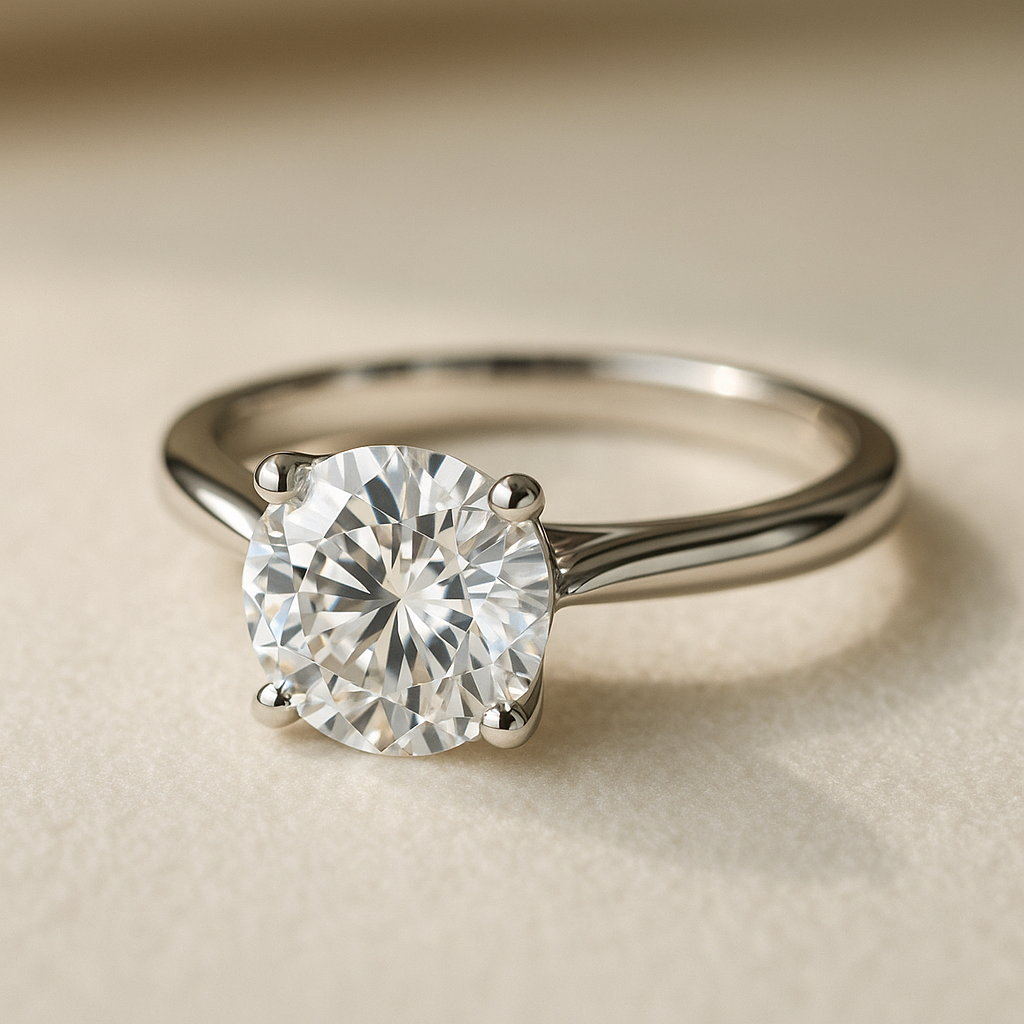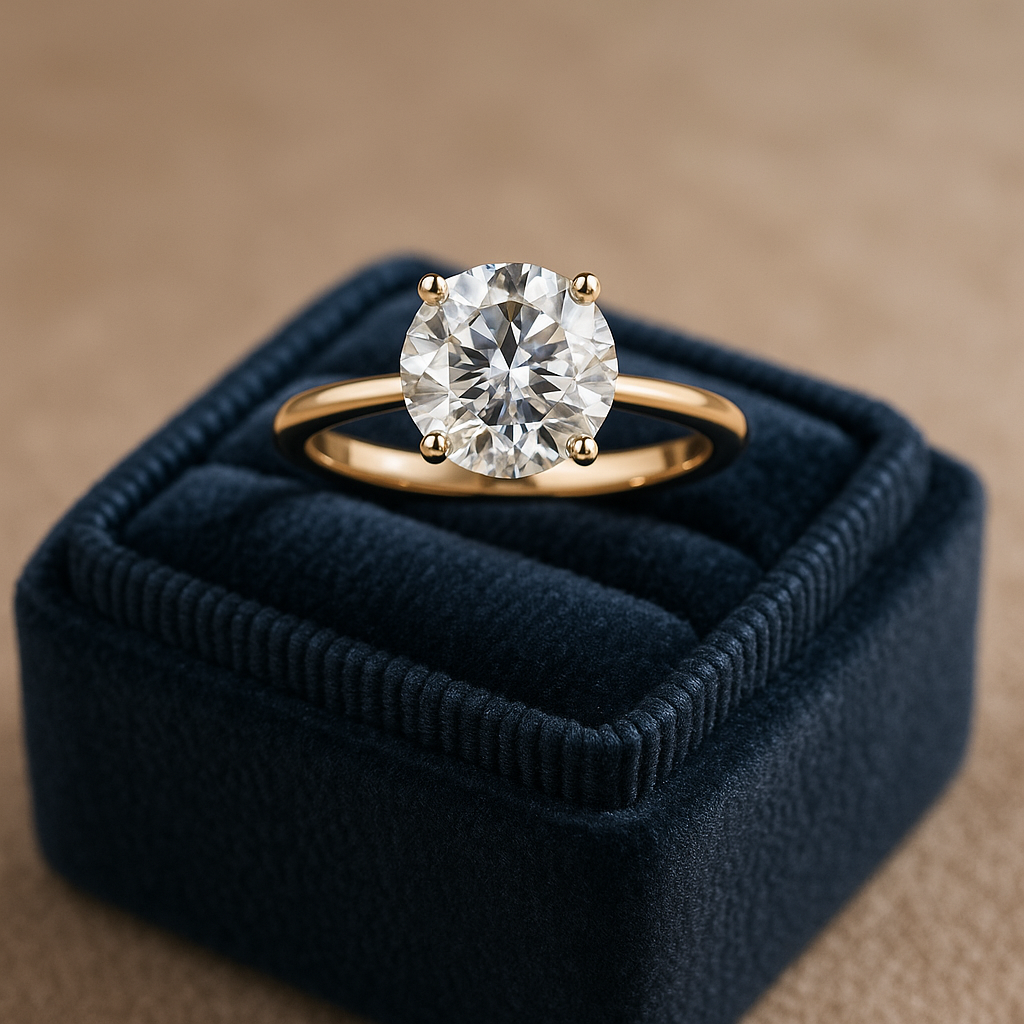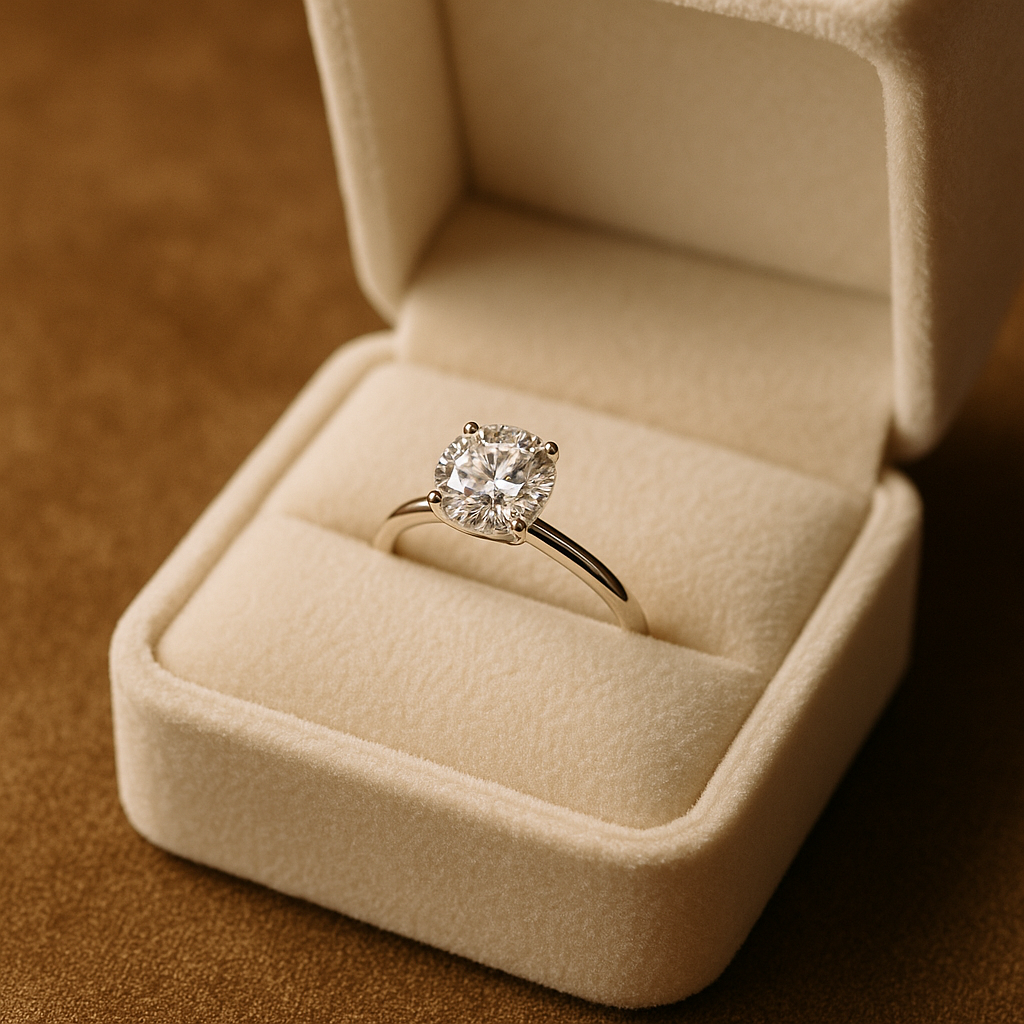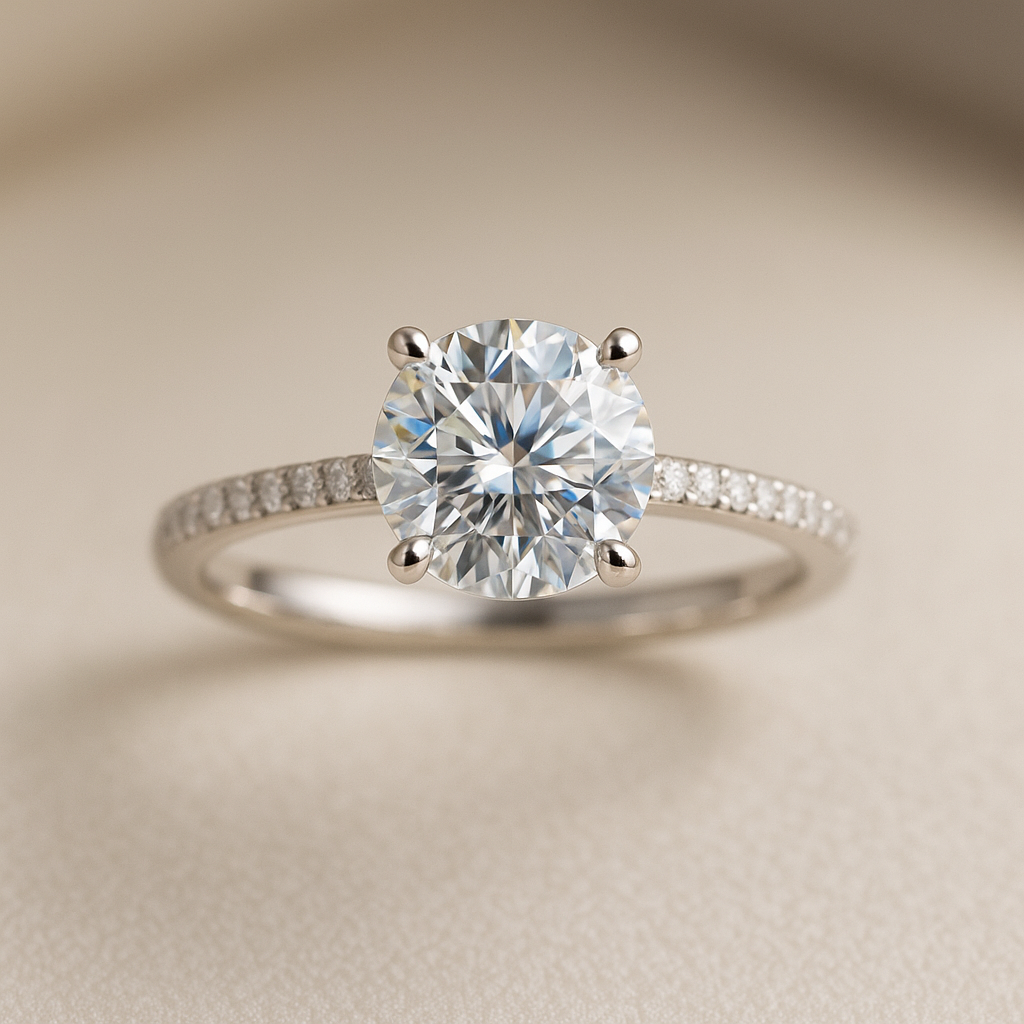

Understanding Lab-Grown Diamonds: The Future of Fine Jewelry
In recent years, lab-grown diamonds have gained immense popularity as a stunning and ethical alternative to natural diamonds. With advancements in technology and a growing awareness of sustainable practices, more consumers are exploring the benefits of lab-grown diamonds for their engagement rings and fine jewelry collections. In this article, we will delve into what lab-grown diamonds are, how they differ from natural diamonds, their benefits, and considerations for choosing the perfect stone.
What Are Lab-Grown Diamonds?
Lab-grown diamonds, also known as synthetic or cultured diamonds, are real diamonds that are created in controlled laboratory environments. They share the same physical, chemical, and optical properties as natural diamonds, making them indistinguishable to the naked eye. Lab-grown diamonds are produced using two primary methods: High Pressure High Temperature (HPHT) and Chemical Vapor Deposition (CVD).
High Pressure High Temperature (HPHT)
The HPHT process mimics the natural conditions under which diamonds are formed deep within the Earth’s mantle. By applying high pressure and high temperature, carbon is transformed into diamond crystals. This method can produce diamonds that are virtually identical to their natural counterparts.
Chemical Vapor Deposition (CVD)
CVD involves the use of carbon-rich gases that are ionized and deposited onto a substrate, allowing diamond crystals to grow. This method offers greater control over the growth process and can produce high-quality diamonds with fewer impurities.
Lab-Grown vs. Natural Diamonds: The Key Differences
While lab-grown diamonds are real diamonds, there are several key differences between them and natural diamonds. Understanding these differences can help you make an informed decision when choosing your engagement ring or fine jewelry.
Origin
The primary difference between lab-grown and natural diamonds is their origin. Natural diamonds are formed over millions of years under extreme pressure and temperature conditions in the Earth’s mantle. In contrast, lab-grown diamonds are created in a matter of weeks in a laboratory setting.
Cost
One of the most significant advantages of lab-grown diamonds is their affordability. They typically cost 20-40% less than natural diamonds of comparable size and quality. This price difference allows consumers to invest in larger stones or higher-quality diamonds without breaking the bank.
Environmental Impact
The diamond mining industry has been criticized for its environmental impact and ethical concerns. Lab-grown diamonds, on the other hand, have a significantly lower carbon footprint and do not involve destructive mining practices. Choosing lab-grown diamonds can align your purchase with eco-friendly and ethical values.
Resale Value
While natural diamonds have historically held their value well, lab-grown diamonds tend to depreciate faster. This is an important consideration if you’re thinking about potential resale in the future. However, the trend is shifting as lab-grown diamonds gain wider acceptance and popularity in the market.
The Benefits of Choosing Lab-Grown Diamonds
Choosing a lab-grown diamond comes with numerous benefits that extend beyond just price. Here are some compelling reasons to consider when shopping for your engagement ring or fine jewelry piece:
1. Ethical Considerations
Lab-grown diamonds are free from the ethical concerns often associated with natural diamonds, such as conflict diamonds and labor exploitation. By choosing a lab-grown diamond, you can feel confident that your purchase supports responsible practices.
2. High Quality and Variety
Lab-grown diamonds can be produced in various sizes and qualities, offering a wider selection for consumers. You can find diamonds with ideal clarity, color, and cut at a lower price point than natural diamonds.
3. Transparency
Reputable lab-grown diamond retailers provide detailed information about the origin, growth process, and quality of their diamonds. This transparency allows consumers to make informed decisions based on their preferences and values.
Choosing the Right Lab-Grown Diamond
When it comes to selecting a lab-grown diamond, consider the following factors to ensure you make the best choice for your needs:
1. Certification
Always look for diamonds that come with a certificate from a reputable gemological laboratory, such as the Gemological Institute of America (GIA) or the International Gemological Institute (IGI). These certifications provide assurance of the diamond’s quality and authenticity.
2. The Four Cs
Lab-grown diamonds are evaluated based on the same criteria as natural diamonds: Cut, Color, Clarity, and Carat weight (the Four Cs). Familiarize yourself with these factors to understand how they affect the diamond’s appearance and value.
3. Setting and Design
Think about how you want your lab-grown diamond to be set in your engagement ring or jewelry piece. Explore different settings and styles that complement the diamond’s beauty and your personal style.
Frequently Asked Questions (FAQ)
Are lab-grown diamonds real diamonds?
Yes, lab-grown diamonds are real diamonds. They have the same physical and chemical properties as natural diamonds and are visually indistinguishable from them.
Do lab-grown diamonds sparkle as much as natural diamonds?
Yes, lab-grown diamonds exhibit the same brilliance and sparkle as natural diamonds when cut and polished correctly.
Can I resize a lab-grown diamond ring?
Absolutely! Lab-grown diamond rings can be resized just like natural diamond rings. Be sure to consult with your jeweler for the best practices in resizing.
How do I care for my lab-grown diamond jewelry?
To keep your lab-grown diamond jewelry looking its best, clean it regularly with warm, soapy water and a soft brush. Avoid harsh chemicals and give your jewelry a professional cleaning periodically.
Are lab-grown diamonds a good investment?
Lab-grown diamonds generally do not hold their value as well as natural diamonds but are becoming increasingly accepted in the market. Evaluate your personal reasons for purchasing a diamond before considering it as an investment.
Conclusion
Lab-grown diamonds represent a significant shift in the diamond industry, offering consumers a sustainable, ethical, and affordable alternative to natural diamonds. By understanding the differences, benefits, and considerations when choosing a lab-grown diamond, you can make an informed decision that aligns with your values and preferences for engagement rings and fine jewelry. At Celebrity Diamonds, we are committed to providing high-quality lab-grown diamonds and helping you find the perfect piece for your special moment.