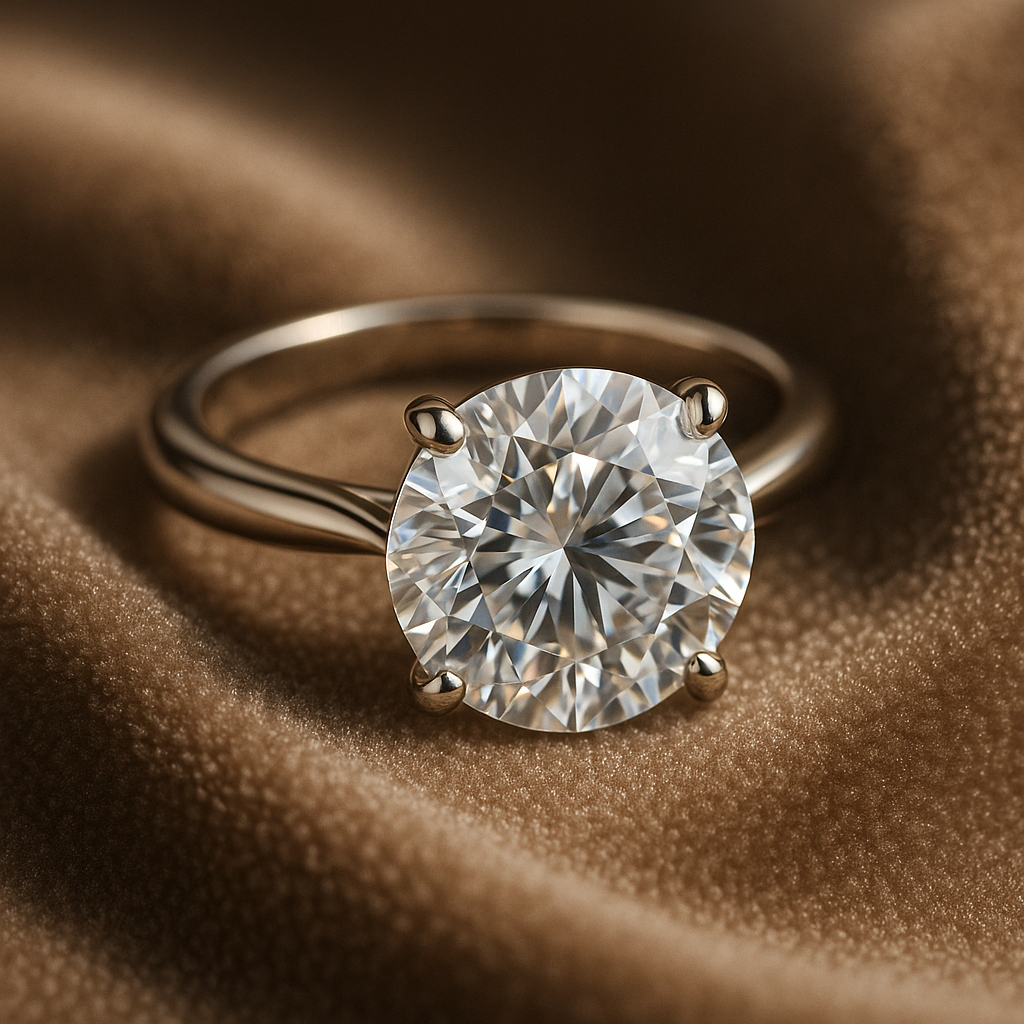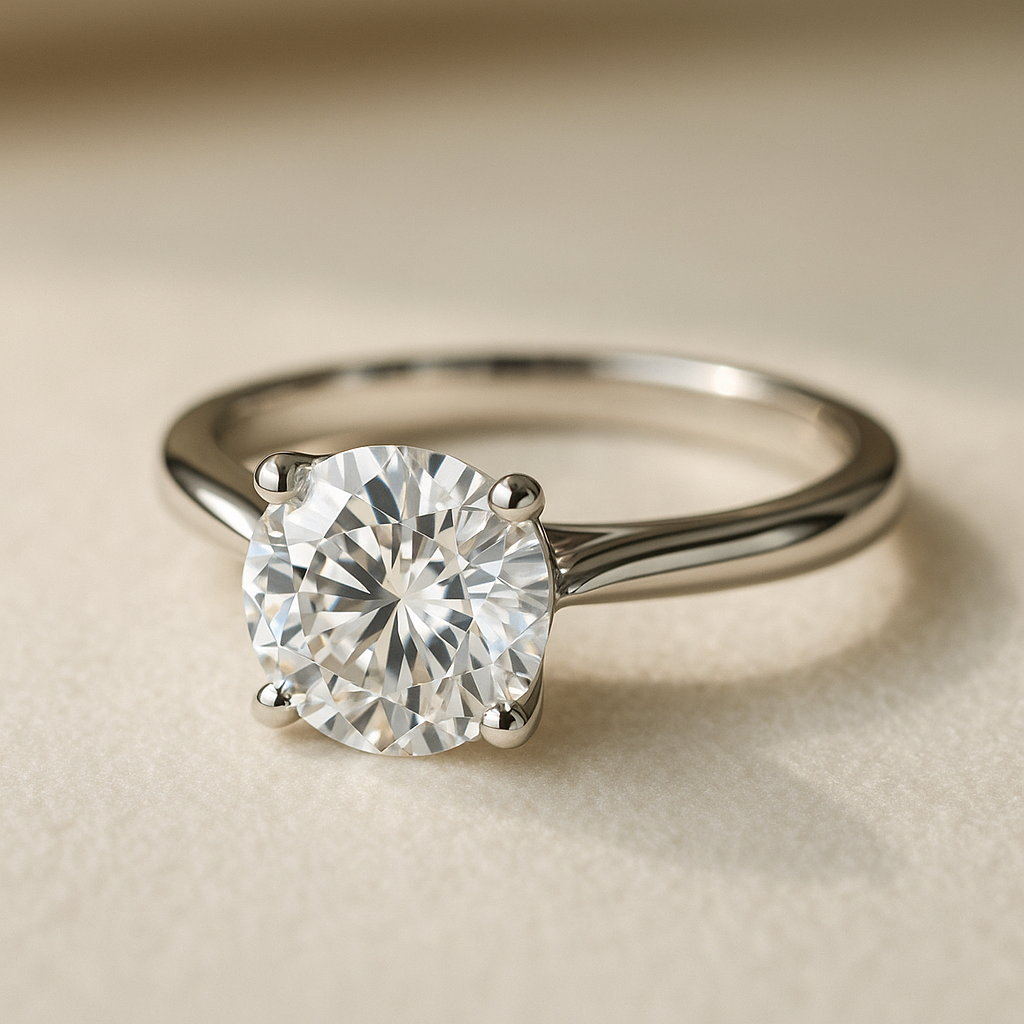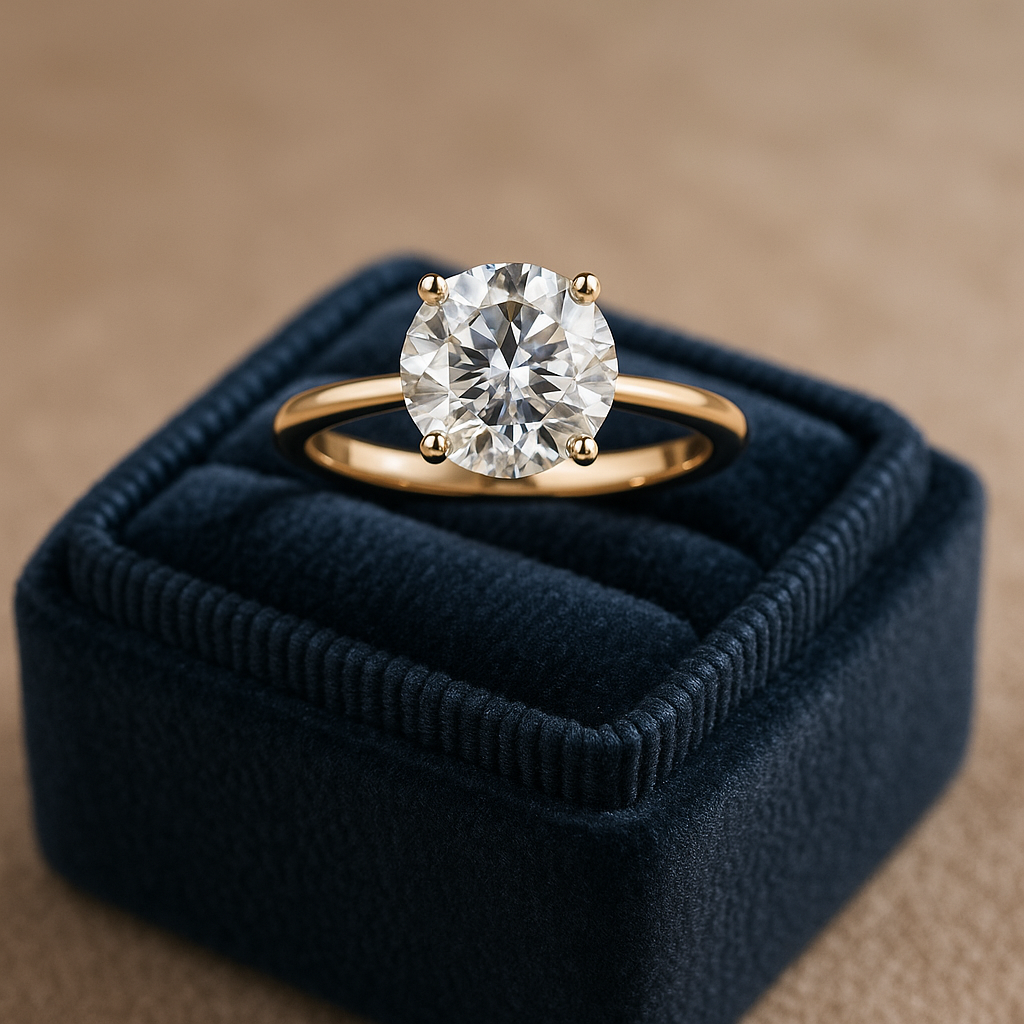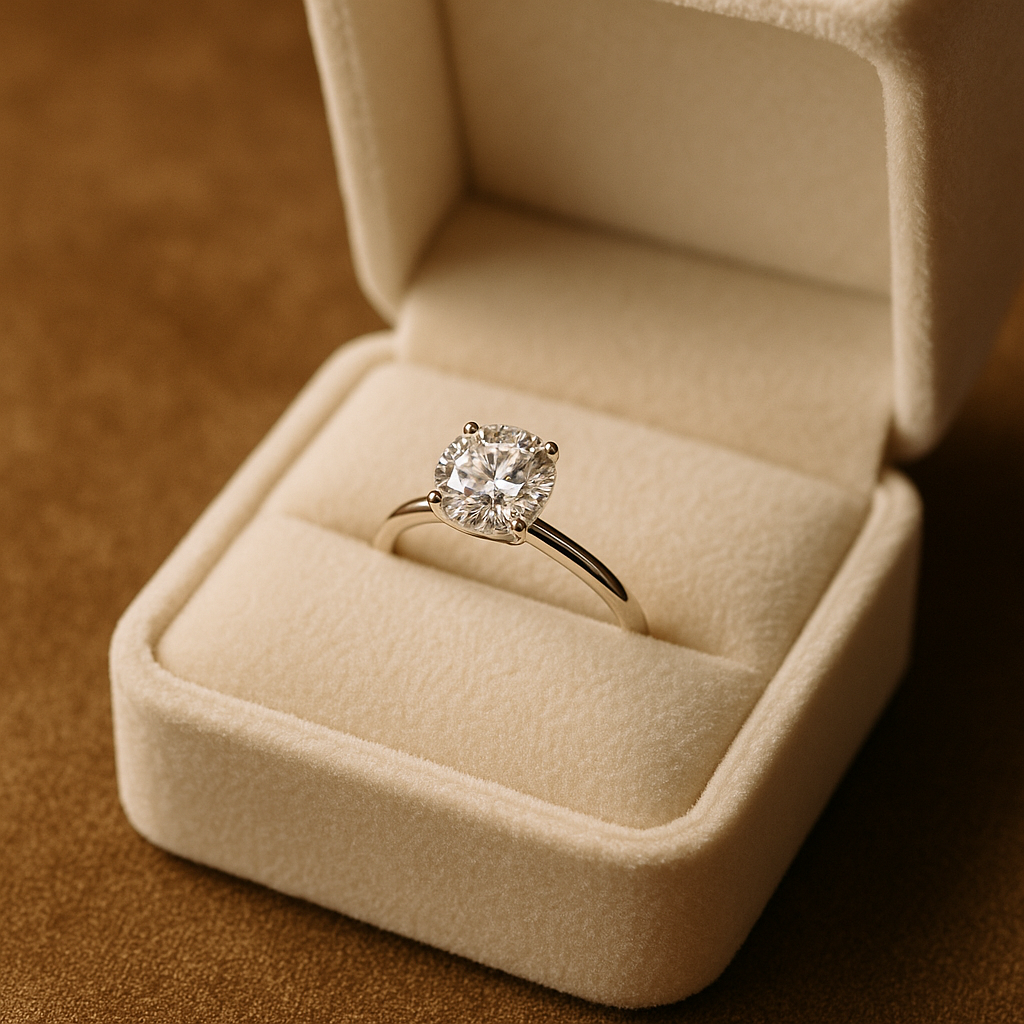
The Comprehensive Guide to Lab-Grown Diamonds for Engagement Rings
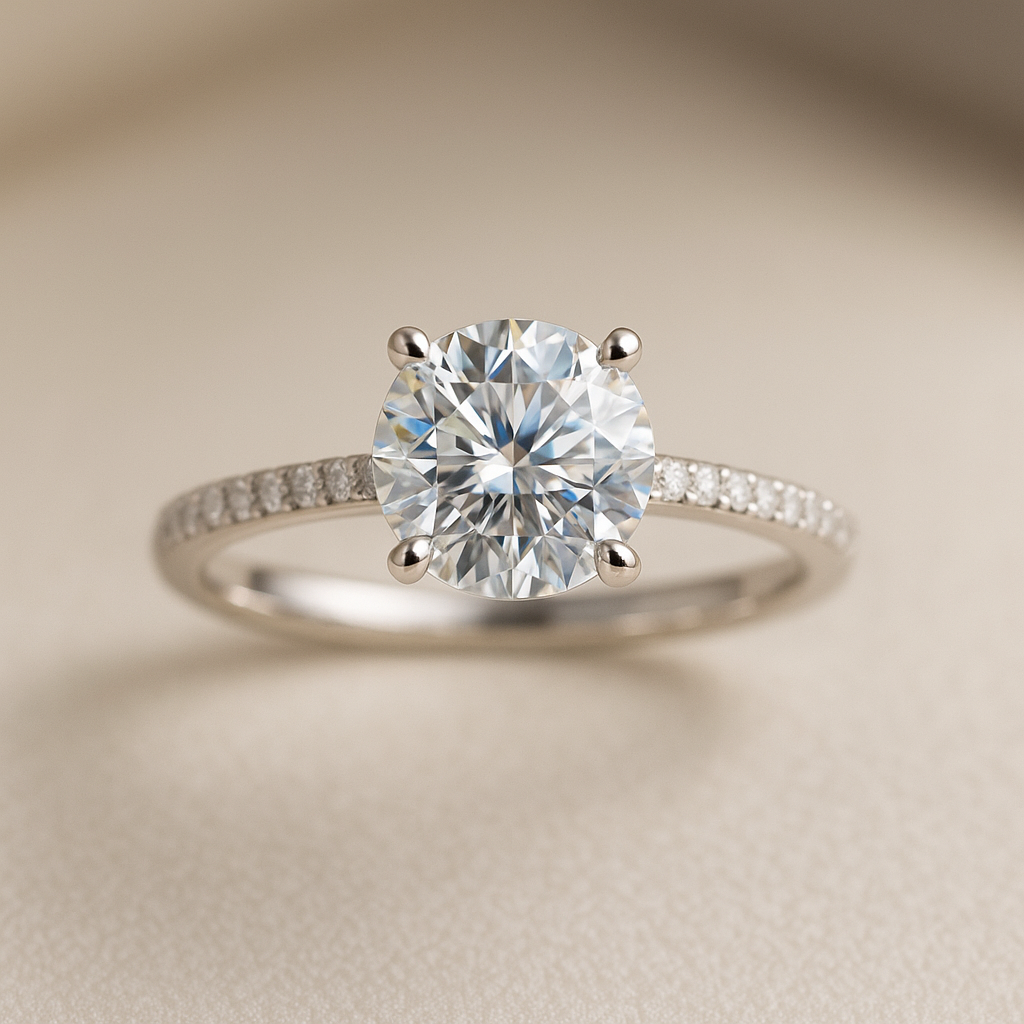
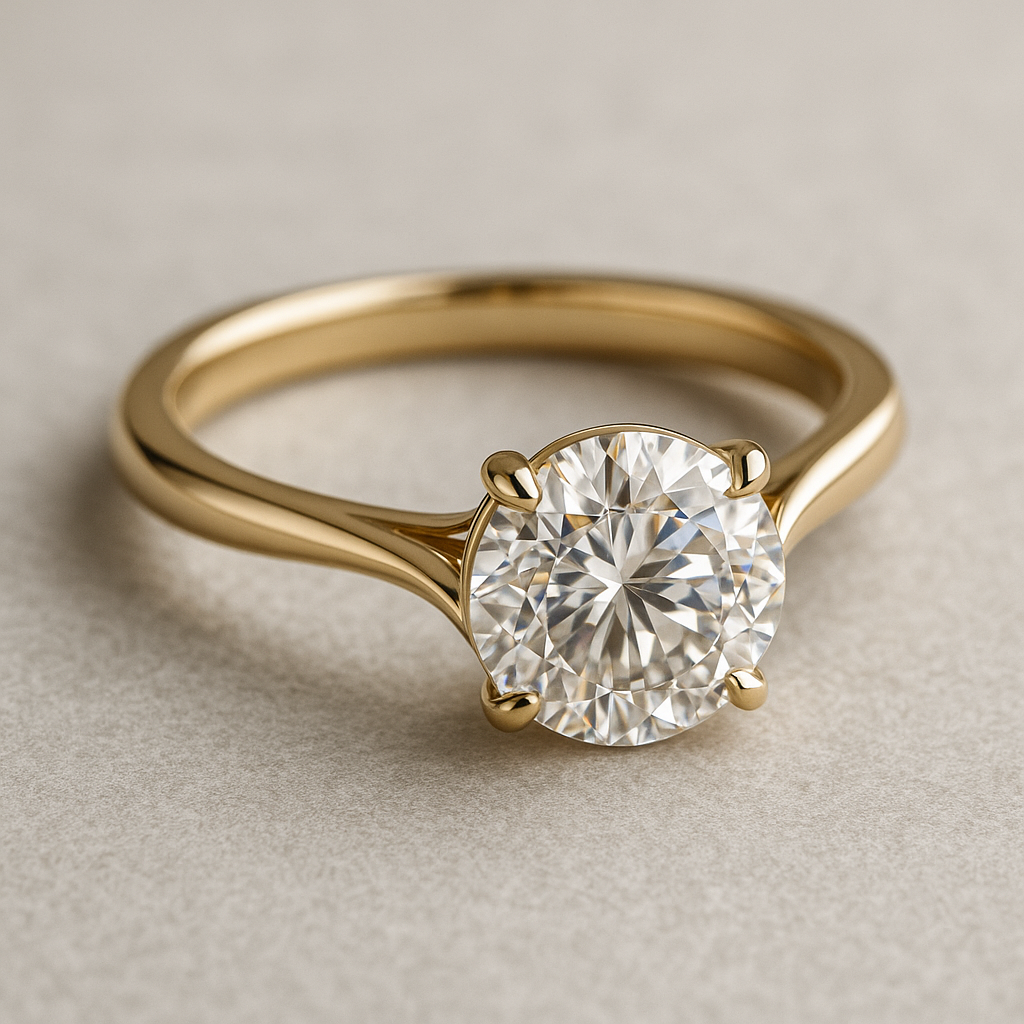
When it comes to choosing the perfect engagement ring, the decision often hinges on one crucial element: the diamond. In recent years, lab-grown diamonds have emerged as a compelling alternative to natural diamonds, captivating consumers with their beauty, ethical considerations, and price points. This guide aims to provide a comprehensive understanding of lab-grown diamonds, helping you make an informed choice for your special moment.
What Are Lab-Grown Diamonds?
Lab-grown diamonds, also known as synthetic or cultured diamonds, are real diamonds that are created in controlled environments using advanced technological processes. Unlike natural diamonds, which form over billions of years deep within the Earth, lab-grown diamonds can be produced in a matter of weeks. This significantly shortens the supply chain, making them more accessible and often more affordable.
How Are Lab-Grown Diamonds Made?
Lab-grown diamonds are created using two primary methods: High Pressure High Temperature (HPHT) and Chemical Vapor Deposition (CVD).
High Pressure High Temperature (HPHT)
The HPHT method mimics the natural conditions under which diamonds form. A small diamond seed is placed in a chamber with carbon and subjected to high pressure and temperature. Within a few weeks, the carbon crystallizes to form a new diamond, which can then be cut and polished.
Chemical Vapor Deposition (CVD)
The CVD process involves placing a diamond seed in a chamber filled with carbon-rich gases. The gases are heated to generate plasma, which causes carbon atoms to deposit onto the seed, forming a diamond layer by layer. This method allows for more control over the diamond’s properties, including color and clarity.
Benefits of Choosing Lab-Grown Diamonds
Choosing a lab-grown diamond offers several advantages:
1. Ethical and Sustainable
Lab-grown diamonds are a more ethical option as they do not contribute to the environmental damage and human rights issues often associated with diamond mining. They provide a conflict-free option for consumers.
2. Cost-Effective
Lab-grown diamonds typically retail for 20-40% less than their natural counterparts. This cost-effectiveness allows buyers to invest in larger or higher-quality diamonds within their budget.
3. High Quality and Purity
Lab-grown diamonds have fewer inclusions and impurities compared to many natural diamonds, making them an excellent choice for purity seekers.
4. Variety and Customization
The controlled production process allows for a wider variety of styles, colors, and shapes compared to natural diamonds, catering to diverse consumer preferences.
Common Misconceptions About Lab-Grown Diamonds
1. They Are Not Real Diamonds
This is a common misconception. Lab-grown diamonds are chemically, physically, and optically identical to natural diamonds. They are composed of the same material: carbon.
2. Lab-Grown Diamonds Lack Value
While lab-grown diamonds are less expensive than natural diamonds, they still hold significant value and can be appraised. However, it is important to note that their resale value is generally lower than that of natural diamonds.
How to Choose the Right Lab-Grown Diamond
When selecting a lab-grown diamond, consider the four Cs: Cut, Color, Clarity, and Carat weight.
1. Cut
The cut affects the diamond’s brilliance and sparkle. A well-cut diamond will reflect light beautifully, enhancing its overall appearance.
2. Color
Lab-grown diamonds are available in a range of colors, from colorless to various shades. The less color present, the more valuable the diamond typically is.
3. Clarity
Clarity refers to the presence of inclusions or blemishes. Higher clarity means a more visually appealing diamond, though some inclusions are not visible to the naked eye.
4. Carat Weight
Carat weight measures the size of the diamond. Consider your preferences and budget when choosing the right carat weight for your engagement ring.
Lab-Grown Diamonds vs. Natural Diamonds: A Comparative Overview
When comparing lab-grown and natural diamonds, it’s important to weigh the pros and cons of each:
| Feature | Lab-Grown Diamonds | Natural Diamonds |
|---|---|---|
| Ethical Concerns | Minimal | Variable (depends on source) |
| Cost | 20-40% less | Higher |
| Resale Value | Lower | Higher |
| Availability | Wider variety | Limited by mining |
Frequently Asked Questions (FAQs)
Are lab-grown diamonds real diamonds?
Yes, lab-grown diamonds are real diamonds. They have the same physical and chemical properties as natural diamonds.
How can I tell the difference between a lab-grown diamond and a natural diamond?
Typically, a professional gemologist can identify the difference using specialized equipment. Lab-grown diamonds can have specific inclusions or features that differentiate them from natural ones.
Is it worth buying a lab-grown diamond?
Buying a lab-grown diamond can be worth it for those seeking a more ethical, affordable, and high-quality option for engagement rings.
Conclusion
Choosing a lab-grown diamond for your engagement ring can be a responsible, beautiful, and cost-effective decision. By understanding the benefits and intricacies of lab-grown diamonds, you can confidently select the perfect piece of jewelry that symbolizes your love and commitment. At Celebrity Diamonds, we offer a stunning selection of lab-grown engagement rings that cater to your unique style and values.