Understanding Lab-Grown Diamonds: The Smart Choice for Jewelry
As you embark on the journey of finding the perfect engagement ring or fine jewelry piece, it’s essential to consider all the options available in today’s market. One choice gaining immense popularity is lab-grown diamonds. In this article, we will explore what lab-grown diamonds are, their benefits, and why they may be the ideal choice for you.
What Are Lab-Grown Diamonds?
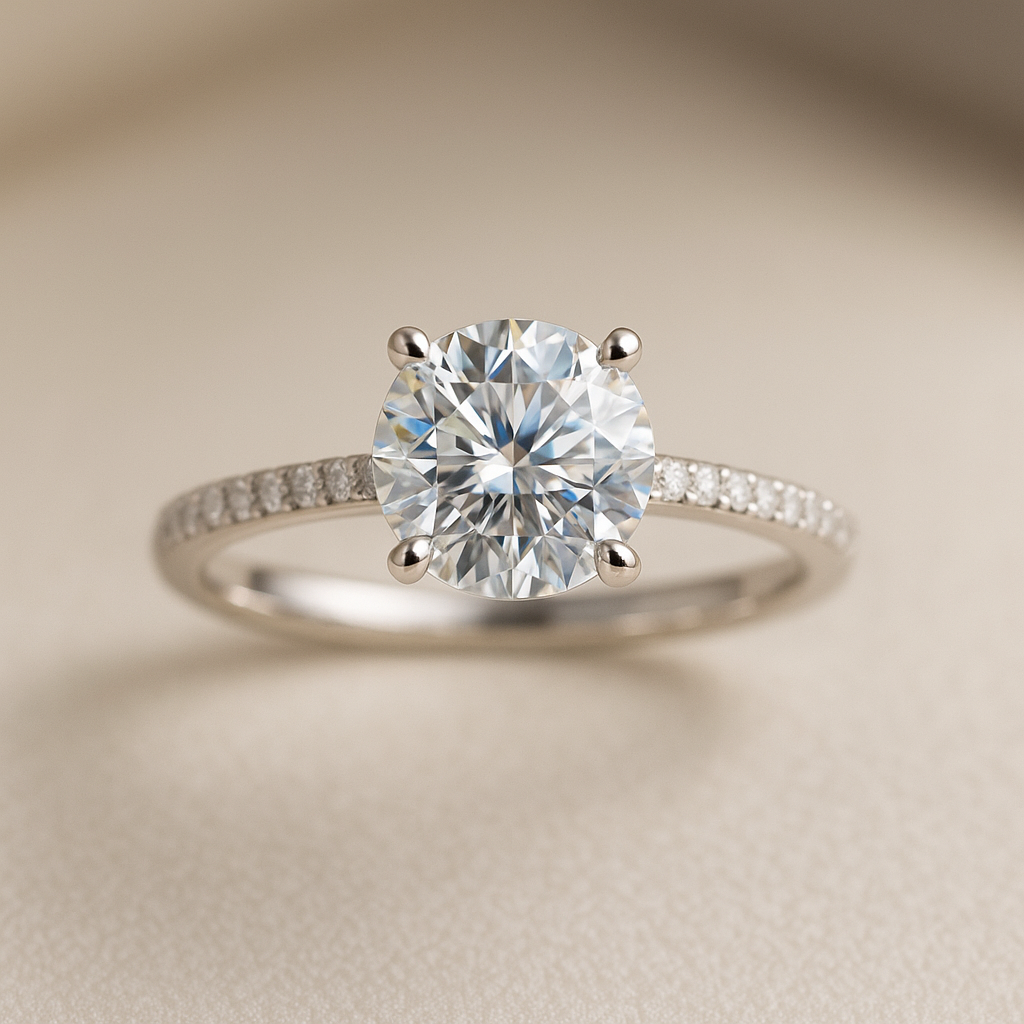
Lab-grown diamonds, also known as synthetic or cultured diamonds, are real diamonds that are created using advanced technological processes in a controlled environment. These diamonds share the same physical, chemical, and optical properties as their natural counterparts, making them indistinguishable to the naked eye.
How Are Lab-Grown Diamonds Made?
Lab-grown diamonds are created using two primary methods: High Pressure High Temperature (HPHT) and Chemical Vapor Deposition (CVD). Both techniques replicate the natural conditions under which diamonds are formed in the Earth’s mantle.
- HPHT: This method mimics the intense heat and pressure that natural diamonds experience. Carbon is placed under extreme conditions to crystallize into diamond form.
- CVD: This technique involves using carbon gases in a vacuum chamber that break down and deposit carbon atoms onto a substrate, forming a diamond layer by layer.
Key Benefits of Lab-Grown Diamonds
Choosing lab-grown diamonds offers numerous advantages for consumers, particularly for those looking for engagement rings or fine jewelry.
1. Ethical and Conflict-Free
One of the most significant concerns surrounding the diamond industry has been ethical sourcing. Lab-grown diamonds are created in a controlled environment, ensuring that no human rights abuses or environmental destruction occurs during their production. This makes them an excellent choice for socially conscious consumers.
2. Greater Affordability
Lab-grown diamonds are typically 20-40% less expensive than natural diamonds. This price difference can allow you to invest in a larger or higher-quality stone, making your jewelry purchase even more special.
3. Variety and Customization
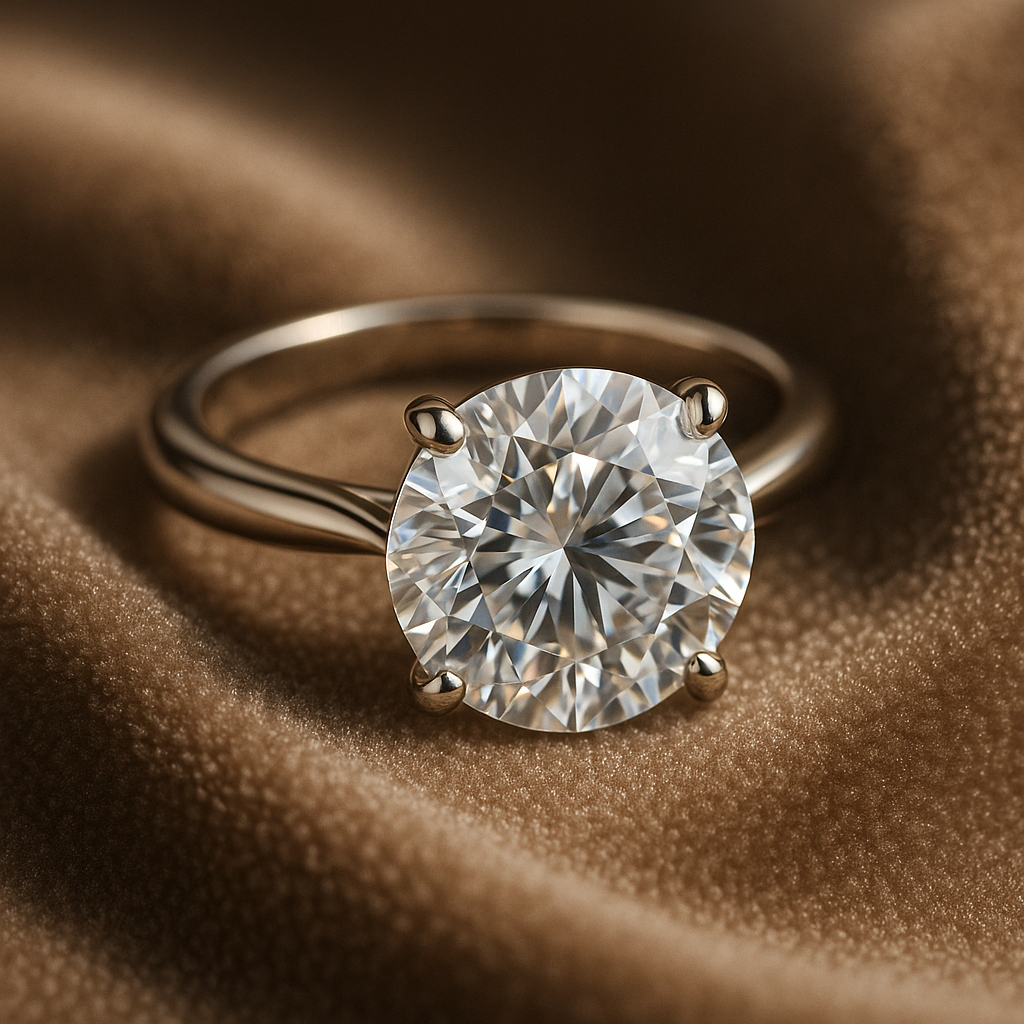
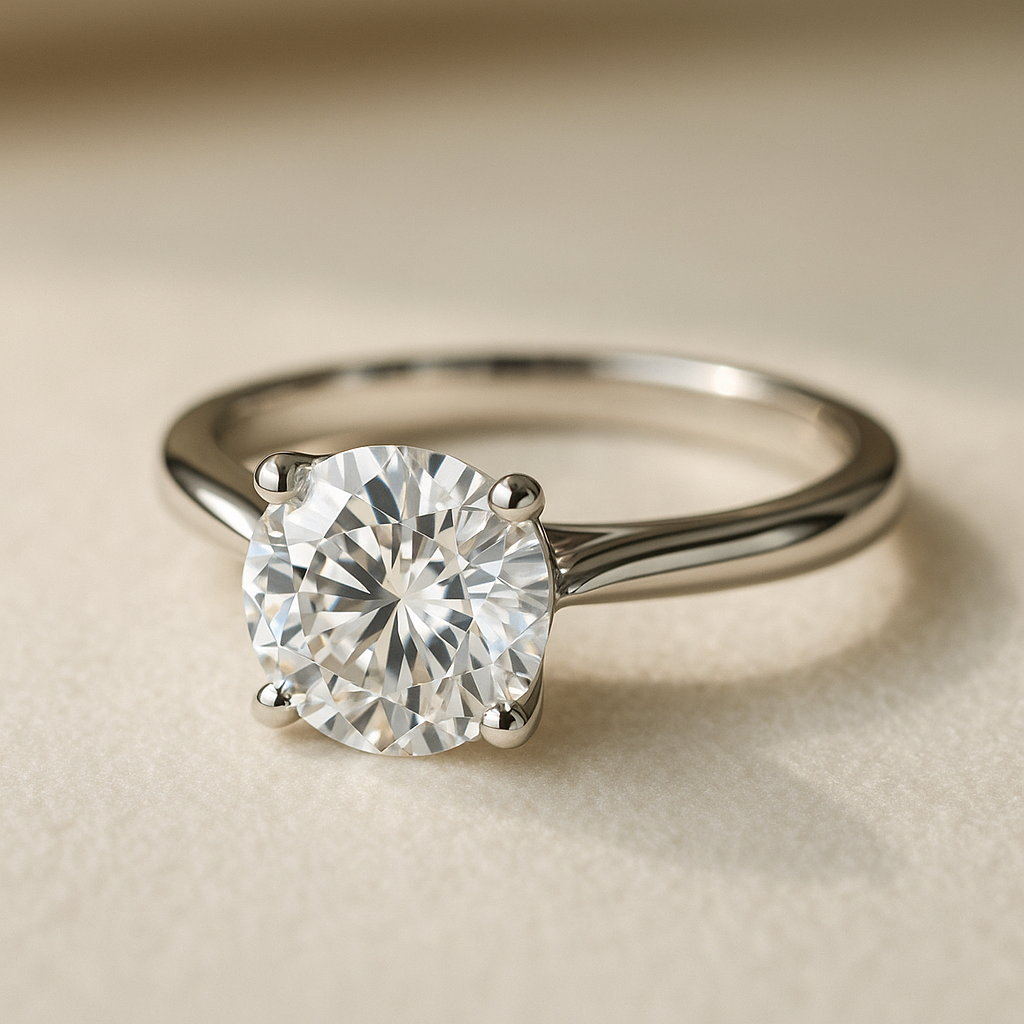
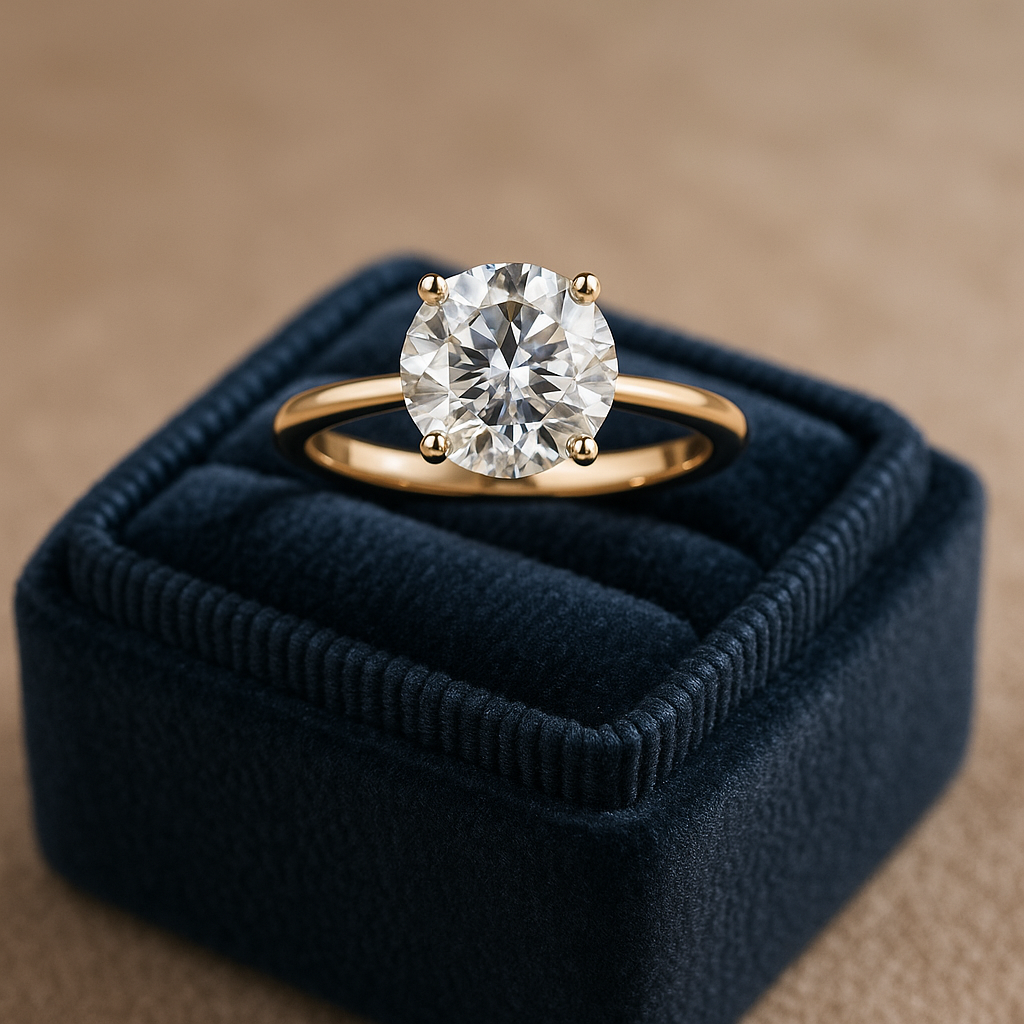
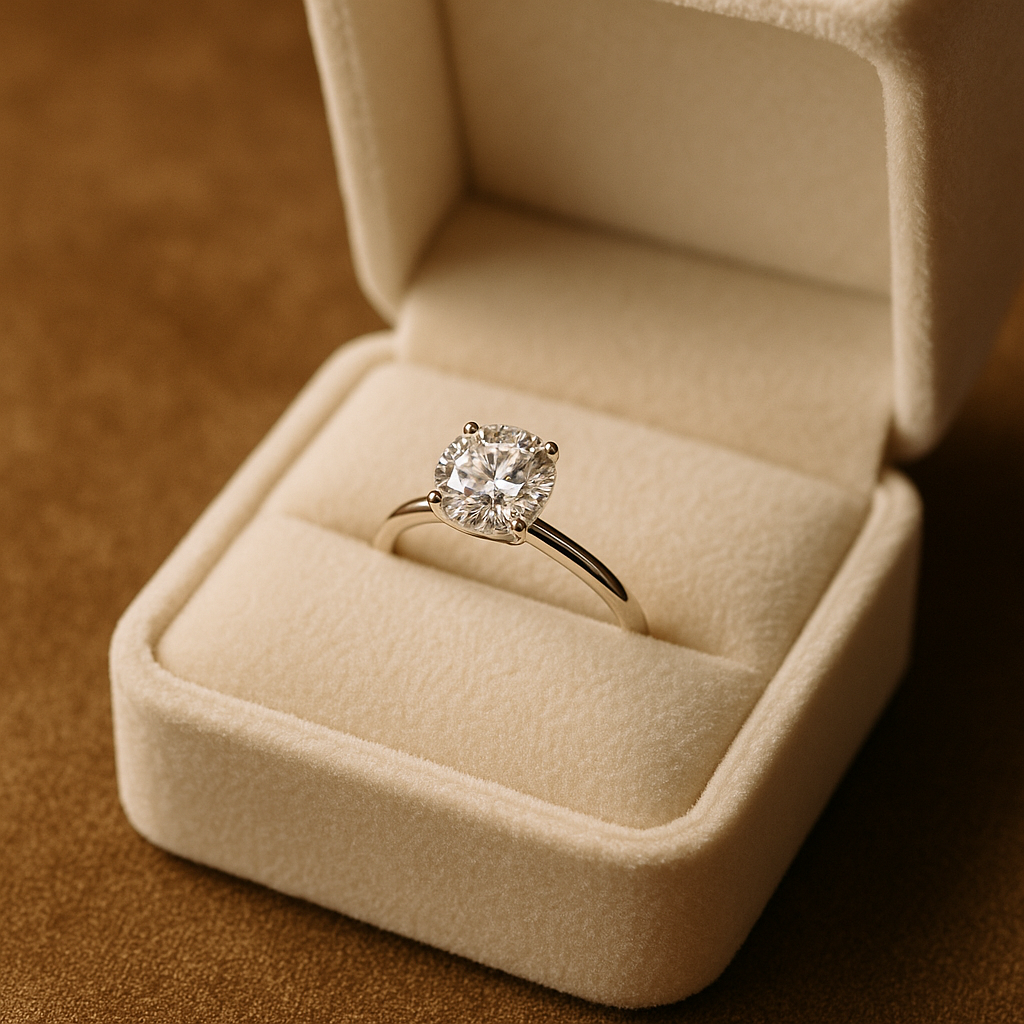
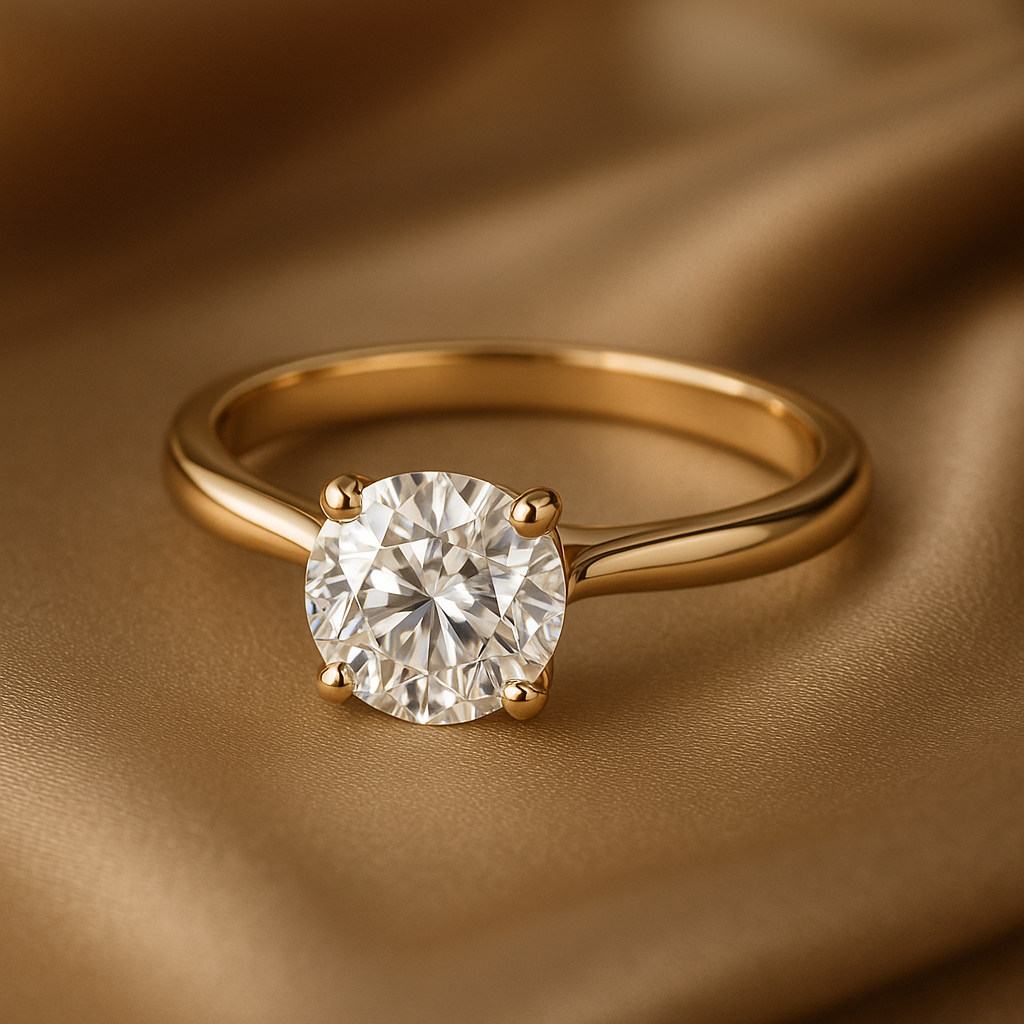
With lab-grown diamonds, you can choose from a wide variety of shapes, sizes, and qualities. Whether you want a classic round cut or a unique emerald shape, the options are virtually limitless. Additionally, many jewelers offer customization options, allowing you to design a piece that perfectly reflects your personal style.
4. Environmental Impact
Mining natural diamonds can have significant environmental repercussions, including habitat destruction and carbon emissions. In contrast, lab-grown diamonds are produced with a significantly lower carbon footprint, making them a more sustainable choice for eco-conscious consumers.
Lab-Grown Diamonds vs. Natural Diamonds
When comparing lab-grown diamonds and natural diamonds, understanding the similarities and differences is crucial in making an informed decision.
Similarities
- Both types of diamonds are made of carbon and exhibit the same physical and chemical properties.
- Lab-grown and natural diamonds can be graded by the same standards (the 4Cs: Cut, Color, Clarity, and Carat).
- Both types offer lasting beauty and durability, making them suitable for everyday wear.
Differences
- Origin: Lab-grown diamonds are created in a laboratory setting, while natural diamonds are mined from the earth.
- Price: Lab-grown diamonds are generally more affordable due to lower production costs.
- Value Retention: Natural diamonds often retain value better than lab-grown diamonds, although the resale market for lab-grown stones is evolving.
What to Look for When Buying Lab-Grown Diamonds
When purchasing a lab-grown diamond, there are several key factors to consider to ensure you make a wise investment:
1. Certification
Choose a reputable seller that provides certification from a recognized gemological laboratory, such as the Gemological Institute of America (GIA) or the International Gemological Institute (IGI). Certification provides assurance of the diamond’s quality and authenticity.
2. The 4Cs
Familiarize yourself with the 4Cs (Cut, Color, Clarity, and Carat weight) to evaluate the diamond’s quality. Each characteristic plays a role in the overall appearance and value of the diamond.
3. Return Policies and Warranties
Ensure that the retailer offers a clear return policy and warranty. This provides peace of mind in case the diamond does not meet your expectations upon delivery.
Frequently Asked Questions
Are lab-grown diamonds real diamonds?
Yes, lab-grown diamonds are real diamonds. They possess the same physical, chemical, and optical properties as natural diamonds, making them indistinguishable to the naked eye.
Can lab-grown diamonds be graded?
Absolutely! Lab-grown diamonds can be graded by the same standards as natural diamonds, including factors like cut, color, clarity, and carat weight.
Do lab-grown diamonds have resale value?
While lab-grown diamonds generally do not hold their value as well as natural diamonds, the market is evolving. Their resale value can be dependent on demand and the quality of the stone.
How do I care for my lab-grown diamond?
Caring for a lab-grown diamond is similar to caring for a natural diamond. Regular cleaning with mild soapy water and a soft cloth can help maintain its brilliance.
Conclusion
Lab-grown diamonds have revolutionized the jewelry industry, offering a stunning and ethical alternative to natural diamonds. As you navigate your options for engagement rings or fine jewelry, consider the many benefits of lab-grown diamonds. Their affordability, ethical sourcing, and environmental sustainability make them a compelling choice that combines beauty with conscience.