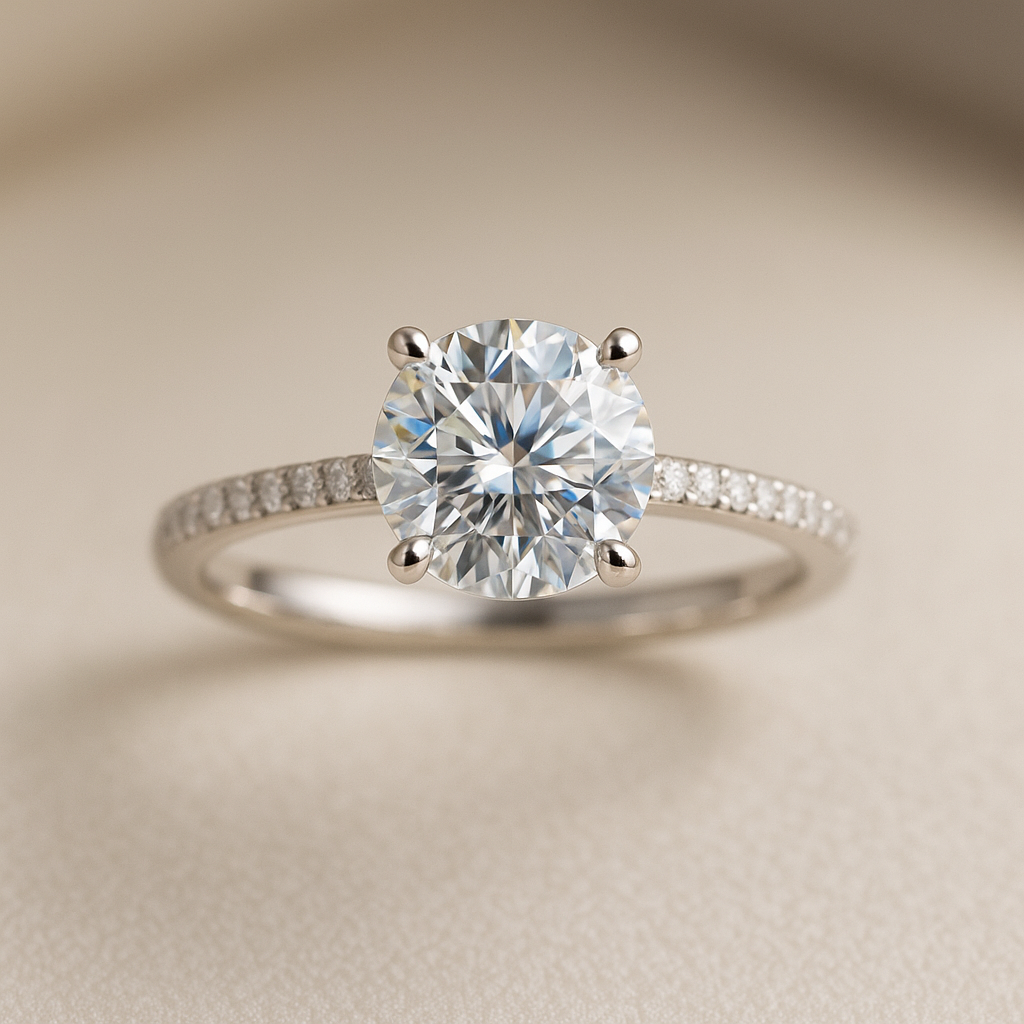

The Future of Engagement Rings: Understanding Lab-Grown Diamonds
Lab-grown diamonds have entered the jewelry market, captivating couples and individuals seeking ethical, affordable, and stunning alternatives to natural diamonds. As they gain popularity, many consumers find themselves asking: what exactly are lab-grown diamonds, and how do they compare to their natural counterparts?
What Are Lab-Grown Diamonds?
Lab-grown diamonds, also known as synthetic or cultured diamonds, are created in controlled laboratory conditions using advanced technology that replicates the natural diamond formation process. These diamonds share the same chemical composition, crystal structure, and optical properties as natural diamonds, making them indistinguishable to the naked eye and even by many gemological tests.
How Are Lab-Grown Diamonds Made?
There are two primary methods for creating lab-grown diamonds:
- High-Pressure High-Temperature (HPHT): This method mimics the natural conditions under which diamonds form in the Earth’s mantle, using high pressure and temperature to create diamonds from carbon.
- Chemical Vapor Deposition (CVD): This process involves placing a small diamond seed in a chamber filled with carbon-rich gas. The gas is then energized, causing carbon atoms to deposit onto the seed, building up a diamond layer by layer.
Benefits of Choosing Lab-Grown Diamonds
Opting for a lab-grown diamond comes with several compelling benefits:
- Affordability: Lab-grown diamonds typically cost 20-40% less than natural diamonds, allowing buyers to save money or invest in larger stones or higher quality.
- Ethical Considerations: Lab-grown diamonds eliminate concerns about conflict diamonds, as they are produced in humane working conditions and do not contribute to human rights abuses.
- Environmental Impact: The carbon footprint of lab-grown diamonds is significantly lower than that of natural diamonds, as they require less land disruption and resource extraction.
- Quality and Variety: With lab-grown diamonds, buyers can choose from a wider variety of sizes, shapes, and qualities, catering to personal preferences and styles.
Lab-Grown vs. Natural Diamonds: What You Need to Know
Understanding the differences between lab-grown and natural diamonds is essential for informed purchasing decisions. Here are the key distinctions:
- Origin:
- Natural diamonds are formed over billions of years beneath the Earth’s surface, while lab-grown diamonds are produced in a matter of weeks in a lab.
- Value:
- Natural diamonds are often seen as more valuable due to their rarity, but the resale market for lab-grown diamonds is evolving, making them attractive for many buyers.
- Certification:
- Both natural and lab-grown diamonds can be certified by reputable gemological laboratories, providing assurance of quality and characteristics.
Frequently Asked Questions
Are lab-grown diamonds real diamonds?
Yes, lab-grown diamonds are real diamonds. They have the same physical, chemical, and optical properties as natural diamonds.
Will my lab-grown diamond lose value?
While natural diamonds tend to retain their value, lab-grown diamonds may depreciate in resale value. However, many consumers prioritize their immediate beauty and ethical considerations over long-term resale value.
How do I care for my lab-grown diamond?
Caring for lab-grown diamonds is similar to caring for natural diamonds. Regular cleaning with mild soap and water, avoiding harsh chemicals, and storing them safely will keep them looking beautiful.
What should I look for when buying a lab-grown diamond?
When purchasing a lab-grown diamond, consider the 4 Cs: cut, color, clarity, and carat weight. Additionally, ensure that the diamond comes with a certification from a reputable gemological lab.
Conclusion
Lab-grown diamonds represent a significant advancement in the jewelry industry, offering an ethical and cost-effective choice for engagement rings and fine jewelry. Understanding the nuances between lab-grown and natural diamonds can help you make an informed decision that aligns with your values and preferences. As you embark on your search for the perfect diamond, consider the many benefits of choosing a lab-grown diamond as a meaningful and responsible choice for your special moment.