A Comprehensive Guide to Lab-Grown Diamonds
As the jewelry industry continues to evolve, lab-grown diamonds have become a significant topic of discussion, especially among consumers looking for engagement rings and fine jewelry. This guide aims to provide a thorough understanding of lab-grown diamonds, comparing them with natural diamonds to help you make an informed purchase.
What Are Lab-Grown Diamonds?
Lab-grown diamonds, also known as synthetic or cultured diamonds, are created in controlled environments using advanced technological processes that replicate the conditions under which natural diamonds form. This results in diamonds that are chemically, physically, and optically identical to their natural counterparts.
The Two Main Methods of Creating Lab-Grown Diamonds
There are two primary methods used to create lab-grown diamonds:
- High Pressure High Temperature (HPHT): This method mimics the natural conditions of diamond formation. Carbon is subjected to high temperatures and pressures, resulting in the creation of diamonds.
- Chemical Vapor Deposition (CVD): This process involves vaporizing carbon-containing gases, which then deposit onto a substrate and crystallize, forming diamonds over time.
Comparing Lab-Grown Diamonds and Natural Diamonds
While both types of diamonds share the same chemical composition (pure carbon), there are several key differences to consider:
Cost
Lab-grown diamonds are generally more affordable than natural diamonds, typically costing 20-40% less. This price difference is primarily due to the lower production costs associated with lab-grown diamonds.
Environmental Impact
Lab-grown diamonds have a significantly lower environmental impact compared to natural diamonds. The mining of natural diamonds often leads to land disruption, habitat destruction, and extensive resource use. In contrast, lab-grown diamonds are produced using sustainable methods that require fewer natural resources.
Ethical Considerations
Consumers are increasingly conscious of the ethical implications of their purchases. Lab-grown diamonds are free from the ethical concerns often associated with natural diamonds, such as conflict diamonds that fund violence and human rights abuses.
Popular Myths About Lab-Grown Diamonds
Despite their growing popularity, several myths about lab-grown diamonds persist. Here are a few misconceptions and the facts that debunk them:
Myth 1: Lab-Grown Diamonds Are Not Real Diamonds
Fact: Lab-grown diamonds are indeed real diamonds. They possess the same physical and chemical properties as natural diamonds, including brilliance and hardness.
Myth 2: Lab-Grown Diamonds Are of Inferior Quality
Fact: Lab-grown diamonds can be of equal or even superior quality to natural diamonds. They are often produced without the imperfections that can be found in natural stones.
Myth 3: Lab-Grown Diamonds Will Lose Value
Fact: While it is true that lab-grown diamonds may not appreciate in value as much as some natural diamonds, they do hold their value well, especially in the context of their affordability and ethical sourcing.
Choosing the Right Lab-Grown Diamond
When shopping for a lab-grown diamond, consider the following factors:
- Cut: The cut greatly influences a diamond’s sparkle. Opt for the highest quality cut you can afford.
- Color: Lab-grown diamonds come in various color grades. The less color, the more valuable the diamond.
- Clarity: This refers to the presence of internal or external flaws. Higher clarity diamonds are more valuable.
- Certification: Always choose diamonds that come with certification from reputable grading organizations, ensuring their quality and authenticity.
Lab-Grown Diamonds in Engagement Rings
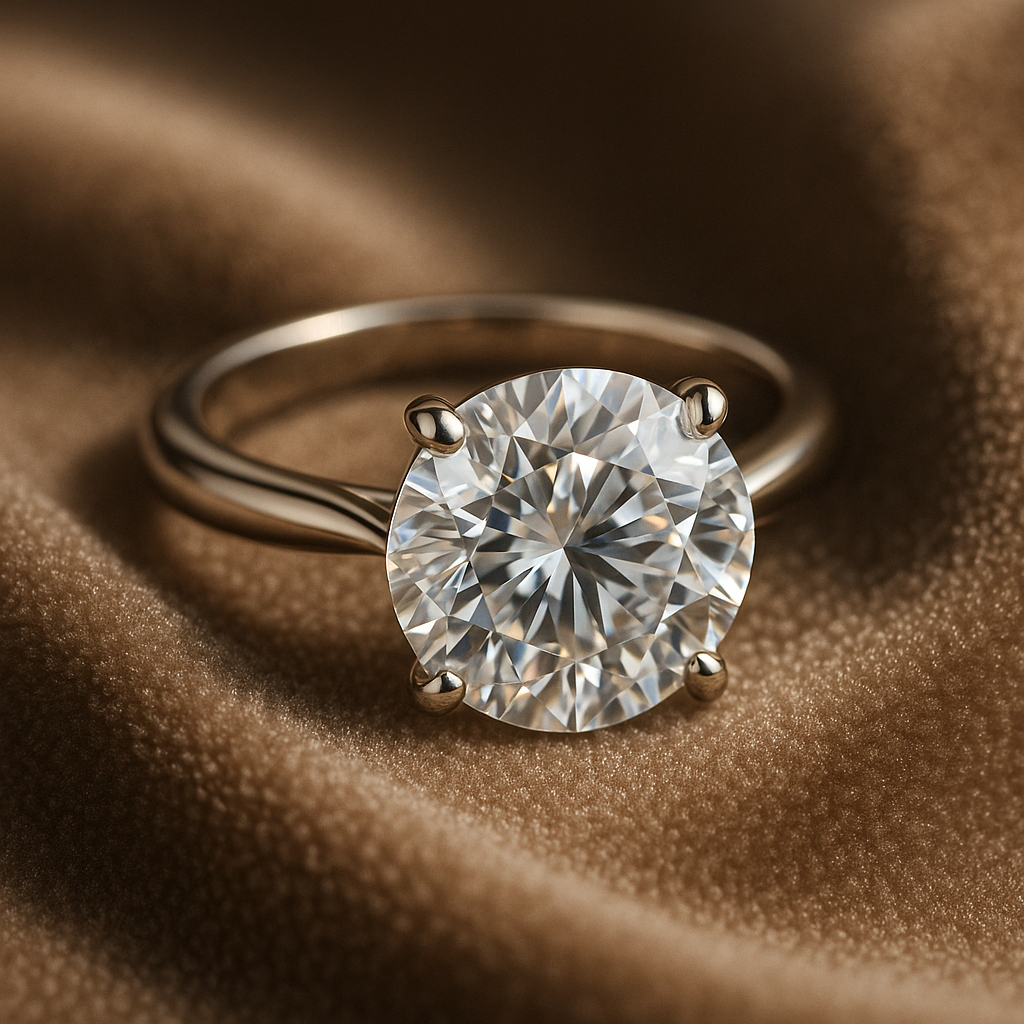
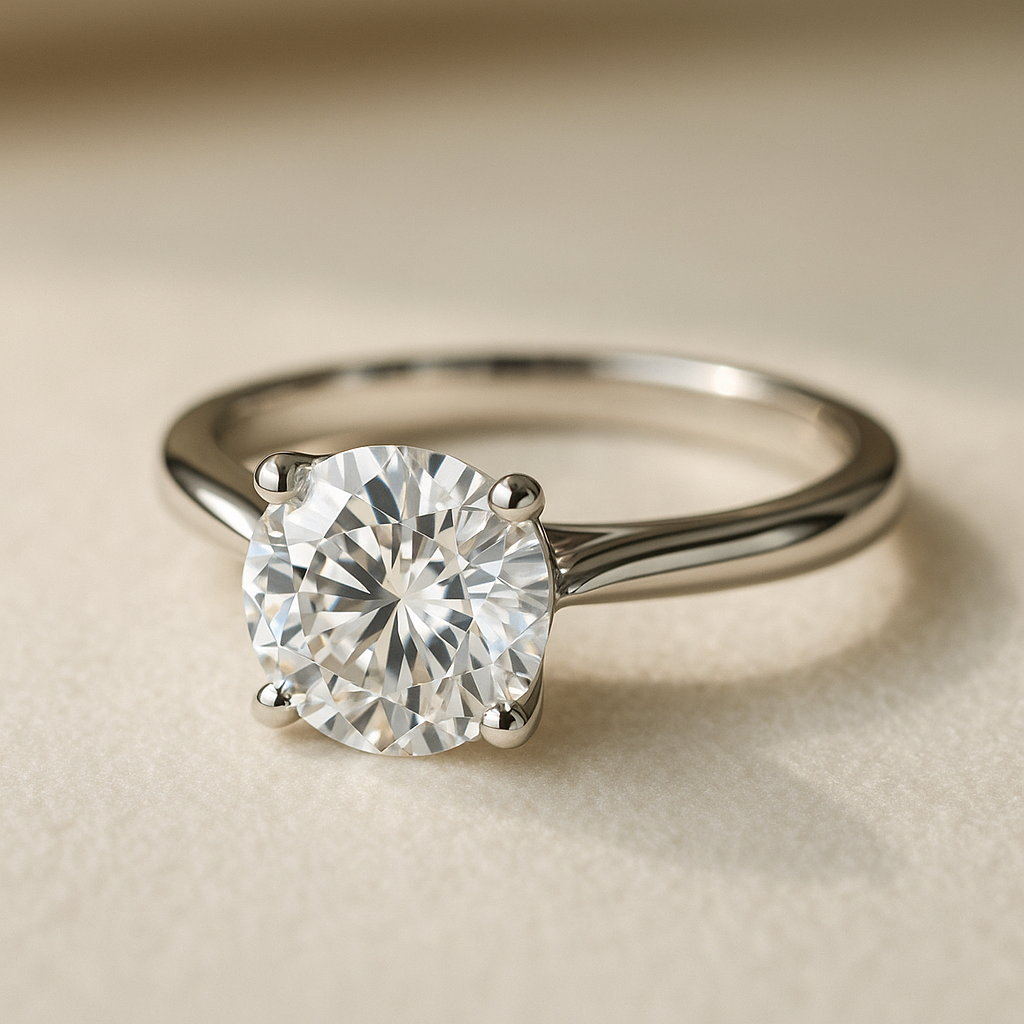
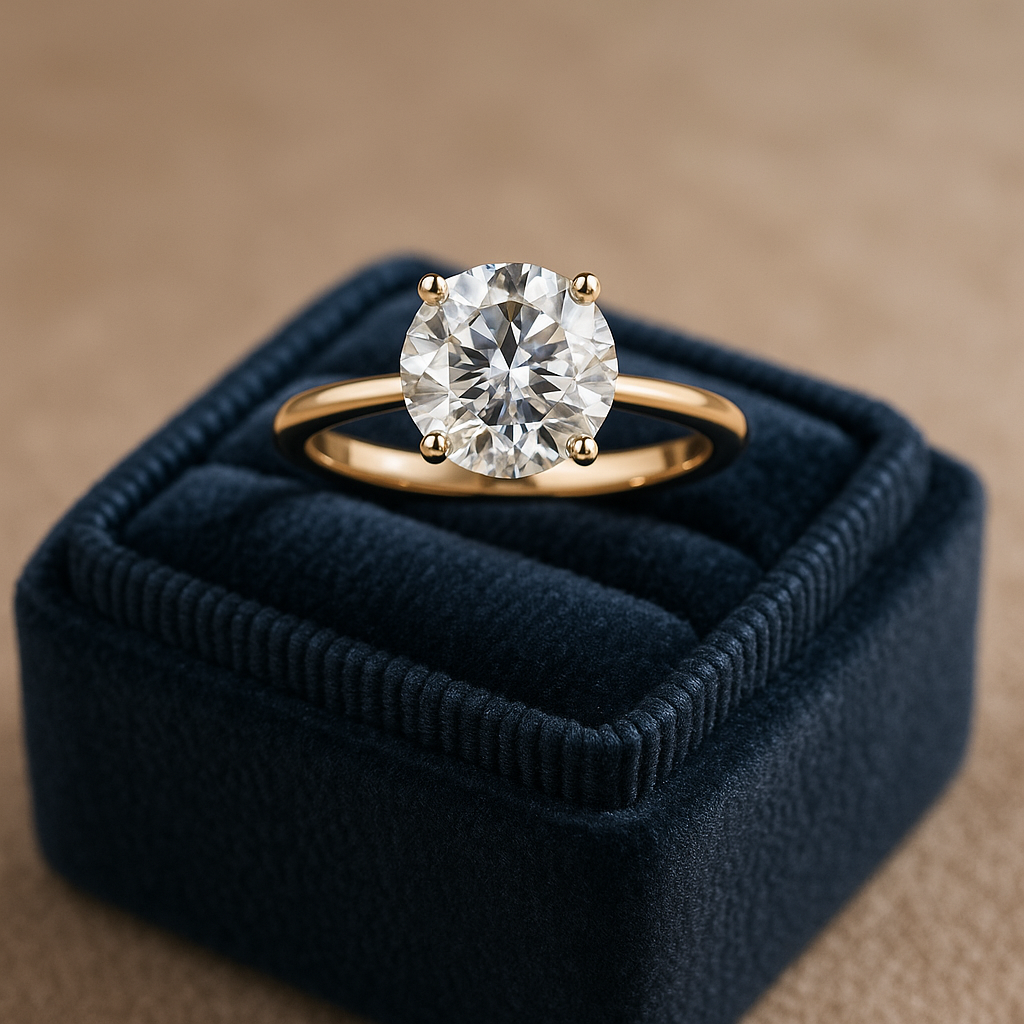
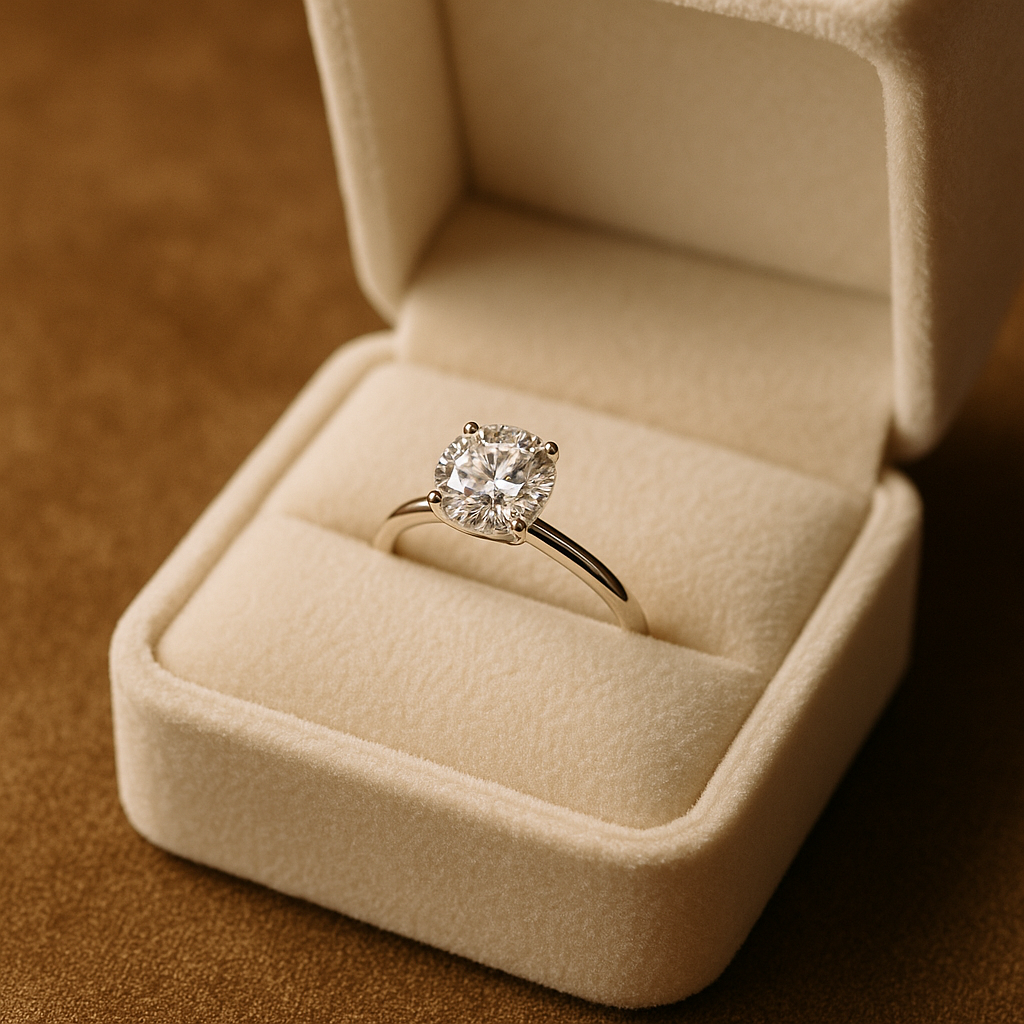
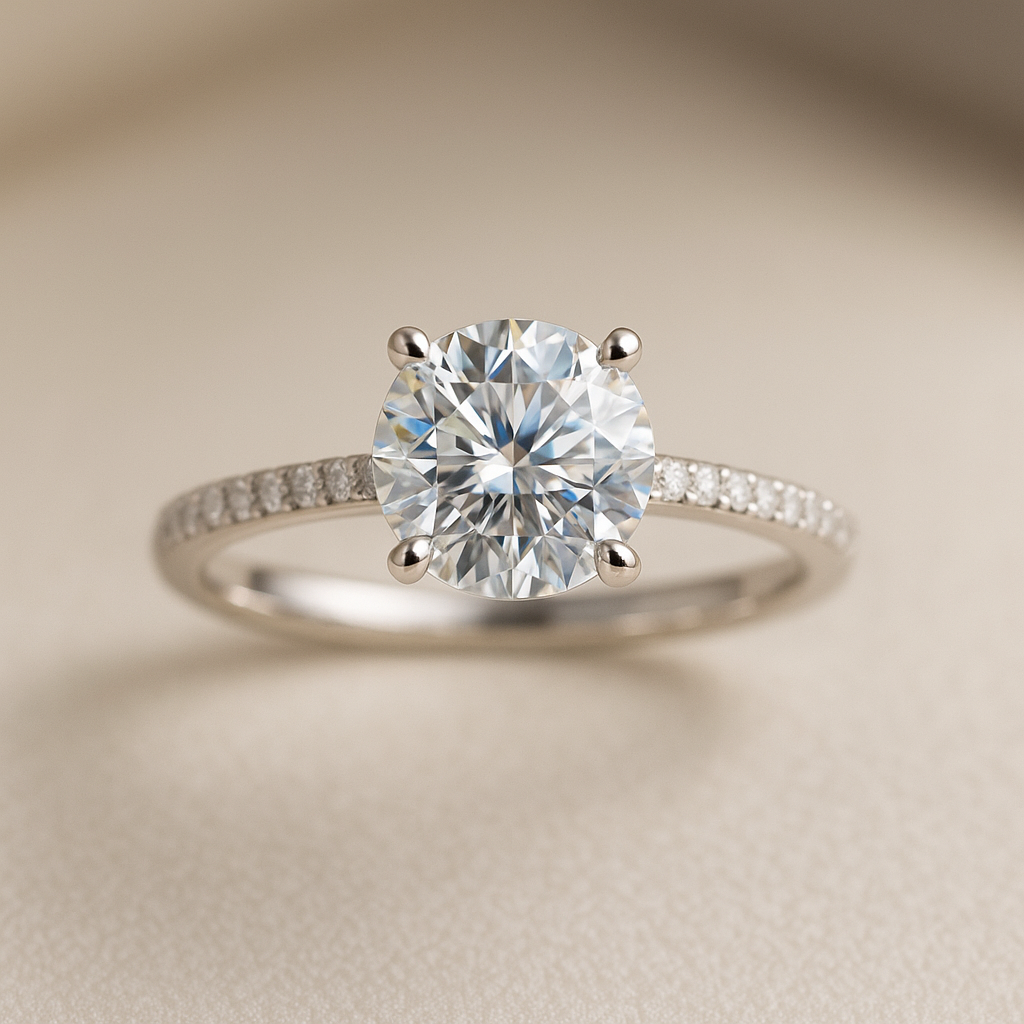
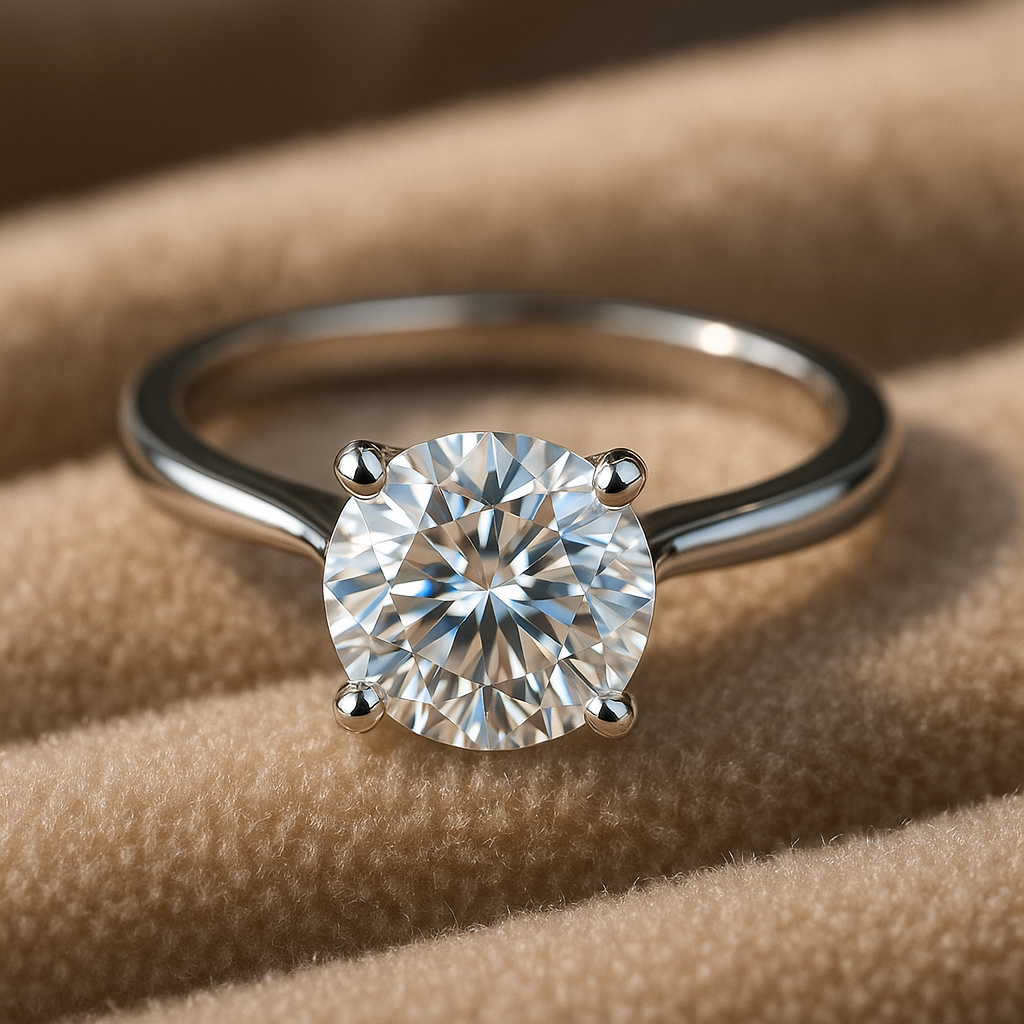
Lab-grown diamonds make an excellent choice for engagement rings, appealing to those who prioritize ethics and sustainability without compromising on beauty or quality. They offer couples the opportunity to select larger or higher-quality stones within their budget, enabling a more personalized ring design.
Frequently Asked Questions
Are lab-grown diamonds more ethical than natural diamonds?
Yes, lab-grown diamonds are produced without the ethical concerns associated with some natural diamonds, making them a more responsible choice.
Will lab-grown diamonds last as long as natural diamonds?
Definitely! Lab-grown diamonds are just as durable as natural diamonds, as they are composed of the same material.
How can I ensure I’m buying a genuine lab-grown diamond?
Look for diamonds that are certified by reputable labs, such as the Gemological Institute of America (GIA) or the International Gemological Institute (IGI).
Conclusion: The Future of Diamonds
Lab-grown diamonds represent a significant shift in the jewelry market, providing an eco-friendly, ethical, and cost-effective alternative to natural diamonds. As consumers become more informed about the benefits of lab-grown diamonds, they are likely to become an increasingly popular choice for engagement rings and fine jewelry. Whether you prioritize sustainability, cost, or ethical sourcing, lab-grown diamonds have something to offer everyone. Choose wisely, and you’ll find a beautiful diamond that fits your values and budget.