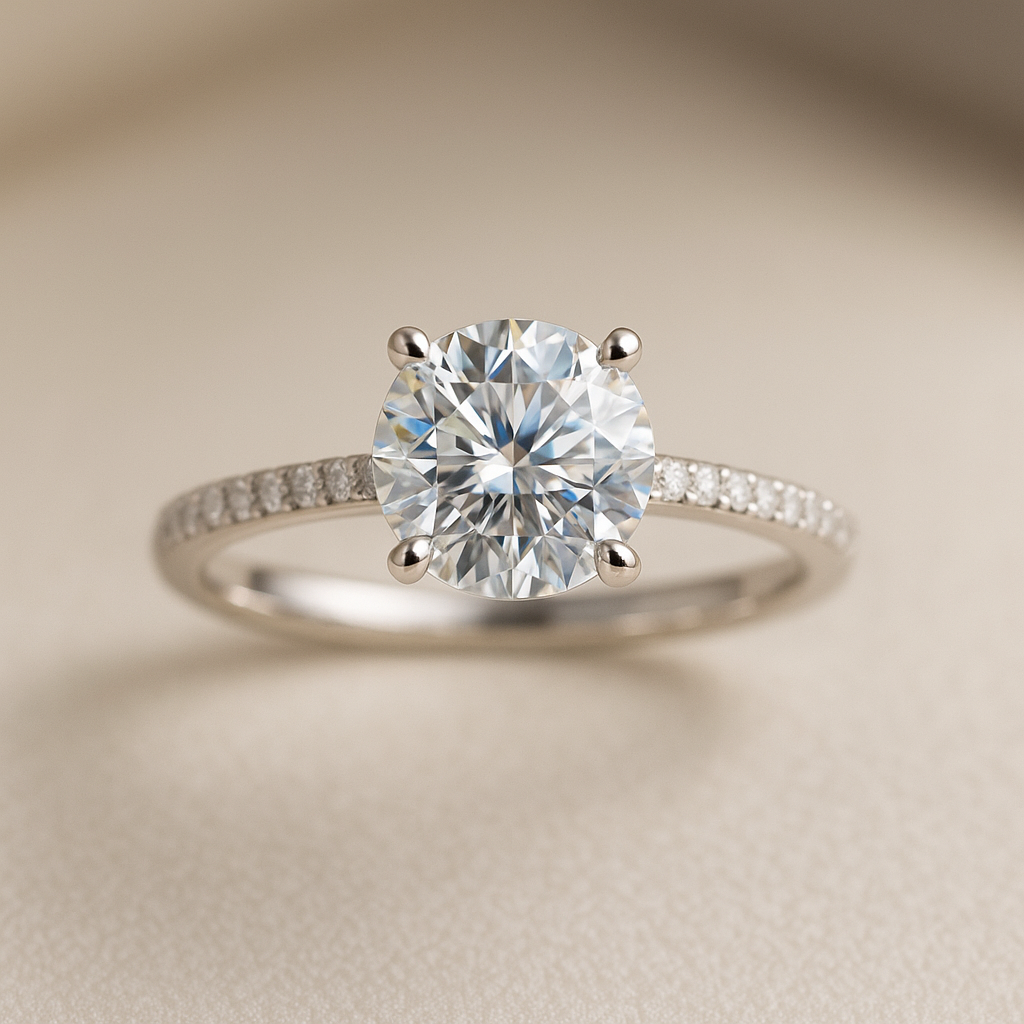

Exploring the Value of Lab-Grown Diamonds for Engagement Rings
When it comes to selecting the perfect engagement ring, one of the most significant decisions couples face is whether to choose a lab-grown diamond or a natural diamond. With advancements in technology, lab-grown diamonds have emerged as a prominent choice for modern consumers, leading to essential considerations for both value and ethical sourcing. In this article, we will explore the characteristics, benefits, and comparisons between lab-grown and natural diamonds, helping you make an informed decision.
What Are Lab-Grown Diamonds?
Lab-grown diamonds, also known as synthetic or cultured diamonds, are created in controlled laboratory environments that replicate the natural processes that form diamonds deep within the Earth. Using methods such as High Pressure High Temperature (HPHT) and Chemical Vapor Deposition (CVD), these diamonds possess the same physical, chemical, and optical properties as their natural counterparts.
The Benefits of Choosing Lab-Grown Diamonds
Choosing a lab-grown diamond comes with several advantages, making them an appealing option for many consumers. Here are some key benefits:
1. Ethical Sourcing
Lab-grown diamonds are free from the ethical concerns associated with traditional diamond mining. They eliminate the risk of conflict diamonds entering the market, ensuring that your purchase is conscientious and aligned with your values.
2. Cost-Effectiveness
Lab-grown diamonds are typically 20-40% less expensive than natural diamonds of similar size and quality. This significant cost difference allows couples to allocate their budgets toward larger stones, intricate settings, or even additional pieces of jewelry.
3. Availability and Customization
Since lab-grown diamonds can be produced on demand, consumers have access to a broader selection of sizes, shapes, and qualities. This availability allows for easier customization and personalization of engagement rings.
Comparing Lab-Grown and Natural Diamonds
Understanding the differences between lab-grown and natural diamonds is crucial for making a well-informed choice. Here are some essential aspects to consider:
1. Origin
The origin of a diamond plays a significant role in its value and desirability. Natural diamonds are formed over millions of years through geological processes, while lab-grown diamonds are created in a matter of weeks to months. Despite this difference, both types of diamonds share identical physical properties.
2. Resale Value
One of the critical considerations for many consumers is the resale value of the diamond. Natural diamonds generally hold their value better over time compared to lab-grown diamonds. However, the market for lab-grown diamonds is evolving, and resale values may rise as consumer acceptance grows.
3. Environmental Impact
Mining natural diamonds can involve significant environmental disruption, including habitat destruction and carbon emissions. Lab-grown diamonds, on the other hand, have a lower environmental impact, making them an eco-friendlier choice for conscientious consumers.
Choosing the Right Diamond for Your Engagement Ring
Ultimately, deciding between a lab-grown diamond and a natural diamond depends on your personal preferences and values. Here are some tips to help guide your decision:
1. Define Your Values
Consider what is essential to you in a diamond. If ethical sourcing is a top priority, lab-grown diamonds may align better with your values.
2. Set a Budget
Determine your budget early in the ring selection process. Lab-grown diamonds typically offer greater size and quality for a lower price, which can allow for more flexibility in your overall jewelry budget.
3. Explore Options
Visit reputable jewelers who specialize in both lab-grown and natural diamonds. This allows you to compare various options side by side and gain a better understanding of the qualities of each type.
FAQs About Lab-Grown Diamonds
1. Are lab-grown diamonds real?
Yes, lab-grown diamonds are real diamonds. They possess the same physical and chemical properties as natural diamonds, making them indistinguishable without specialized equipment.
2. How do I care for a lab-grown diamond?
Caring for a lab-grown diamond is similar to caring for a natural diamond. Regular cleaning with mild soap and water and avoiding harsh chemicals will help maintain its brilliance.
3. Will lab-grown diamonds become more valuable over time?
While lab-grown diamonds currently have lower resale values than natural diamonds, the market is continually evolving. As acceptance of lab-grown diamonds grows, their value may also increase.
Conclusion
Lab-grown diamonds present a modern and ethical alternative to traditional natural diamonds, offering couples a unique way to express their love and commitment. As you embark on your journey to find the perfect engagement ring, keep in mind the many factors that make these beautiful stones an ideal choice for today’s discerning consumers. Whether you opt for a lab-grown or natural diamond, the most important aspect is the love and meaning behind the ring you choose.