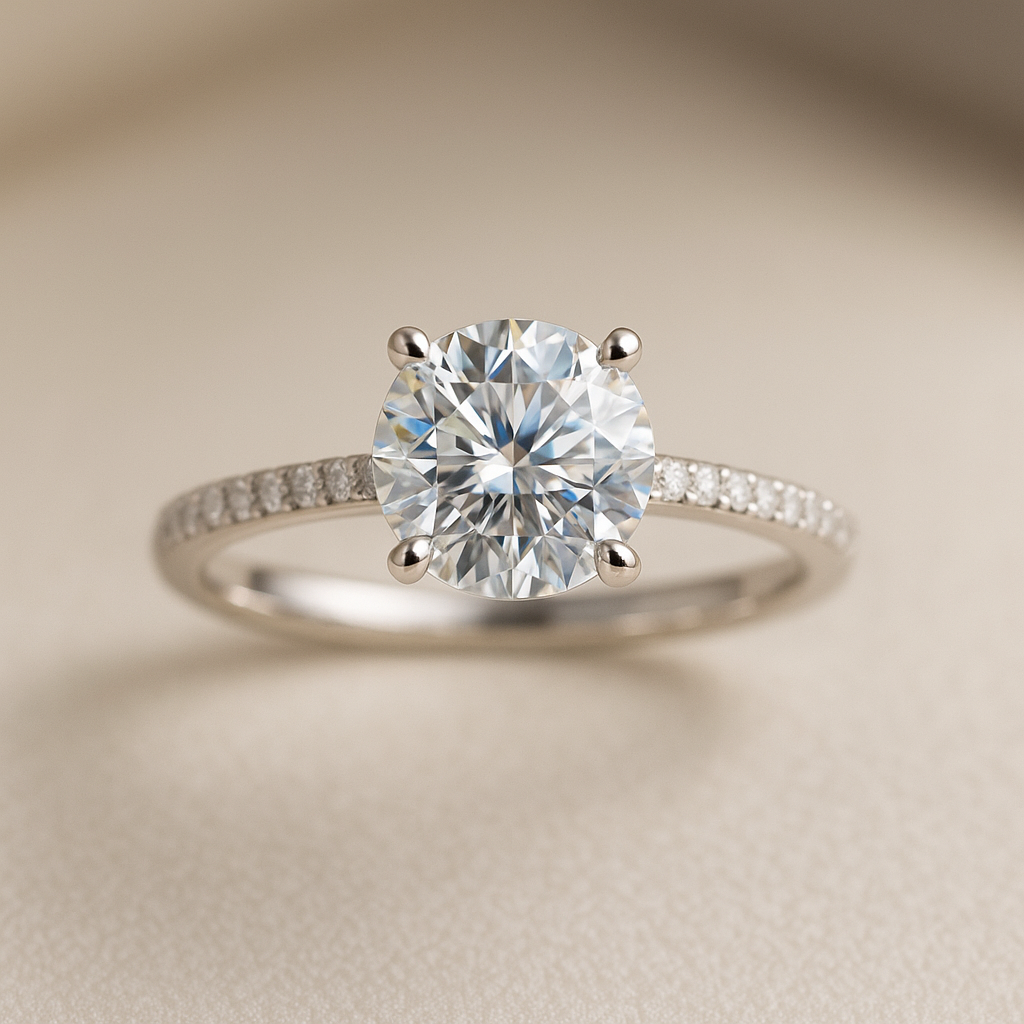

Understanding Lab-Grown Diamonds
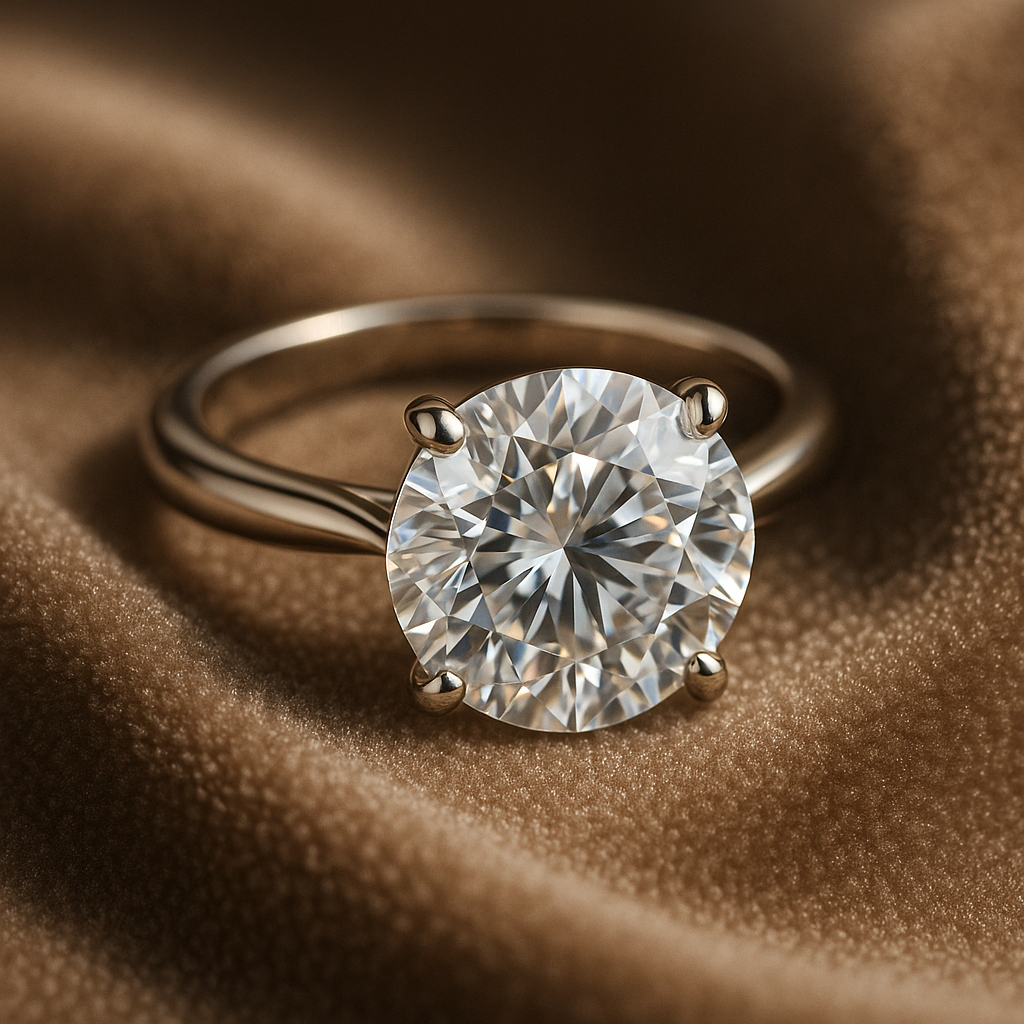
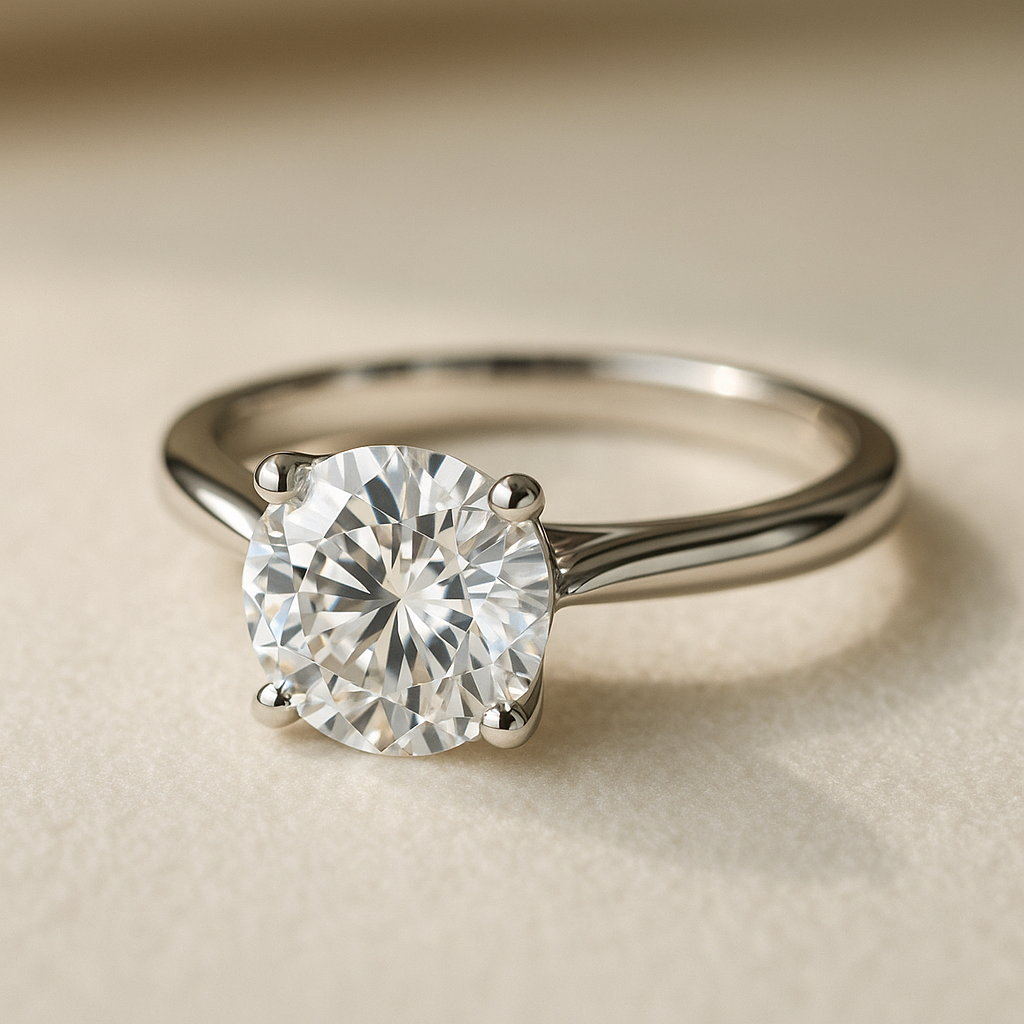
Lab-grown diamonds are becoming increasingly popular among couples searching for the perfect engagement ring. Unlike natural diamonds, which are formed over millions of years deep within the Earth, lab-grown diamonds are created in controlled environments using advanced technology. This article explores the benefits of lab-grown diamonds, their qualities, and why they might be the ideal choice for your special moment.
What Are Lab-Grown Diamonds?
Lab-grown diamonds are real diamonds. They possess the same physical, chemical, and optical properties as their natural counterparts. In fact, both types of diamonds are made of carbon atoms arranged in a crystal structure. The primary difference lies in how each is formed. Lab-grown diamonds are produced through two main processes: High Pressure High Temperature (HPHT) and Chemical Vapor Deposition (CVD).
High Pressure High Temperature (HPHT)
The HPHT method mimics the natural conditions under which diamonds are formed. By replicating the high pressure and temperature found deep within the Earth, manufacturers can create diamonds that are virtually identical to natural ones.
Chemical Vapor Deposition (CVD)
CVD involves vaporizing carbon-rich gases, which then crystallize into diamonds on a substrate. This method allows for greater control over the diamond’s properties and can produce larger stones with fewer impurities.
Benefits of Choosing Lab-Grown Diamonds
Choosing a lab-grown diamond comes with several advantages that appeal to educated consumers.
1. Ethical Sourcing
One of the most significant benefits of lab-grown diamonds is their ethical implications. Natural diamonds have often been associated with conflict and social issues. Lab-grown diamonds eliminate these concerns, providing a clear conscience for buyers.
2. Cost-Effectiveness
Lab-grown diamonds are typically 20-40% less expensive than natural diamonds of comparable size and quality. This price advantage allows couples to invest in larger or higher-quality diamonds without stretching their budgets.
3. Environmental Impact
The environmental footprint of lab-grown diamonds is considerably lower than that of natural diamonds. Mining operations can cause significant ecological damage, while lab-grown diamonds are created in a controlled environment with minimal resource use.
Comparing Lab-Grown vs. Natural Diamonds
When considering your options, it’s essential to understand how lab-grown diamonds stack up against natural diamonds.
Quality and Appearance
Both lab-grown and natural diamonds are graded on the same parameters: the Four Cs—carat weight, cut, color, and clarity. Lab-grown diamonds can often achieve higher grades due to the controlled growth environment, making it easier to produce flawless stones.
Resale Value
While natural diamonds often retain value over time, lab-grown diamonds currently have less resale value. However, as technology advances and consumer acceptance grows, this may change. It’s essential to consider your long-term plans when purchasing.
Common Myths About Lab-Grown Diamonds
Despite their growing popularity, several myths surrounding lab-grown diamonds persist.
Myth 1: Lab-Grown Diamonds Are Fake
Lab-grown diamonds are real diamonds; they simply come from a different source. They share the same properties as natural diamonds, making them indistinguishable to the untrained eye.
Myth 2: Lab-Grown Diamonds Are Inferior
Many believe lab-grown diamonds are of lesser quality. However, they can offer the same brilliance and durability as natural diamonds, often at a better price.
Myth 3: Lab-Grown Diamonds Are Just Cubic Zirconia
Cubic zirconia is a synthetic diamond simulant, not a diamond. Lab-grown diamonds, however, are genuine diamonds made from carbon atoms.
Choosing the Right Lab-Grown Diamond
If you decide to opt for a lab-grown diamond, here are some tips for selecting the right one:
1. Know Your Four Cs
Understanding the Four Cs of diamonds will help you make an informed decision. Look for the best balance of carat weight, cut, color, and clarity that fits your budget.
2. Select a Reputable Retailer
Choose a trusted retailer, like Celebrity Diamonds, that provides certification for lab-grown diamonds. Certification ensures that the diamond has been ethically sourced and meets quality standards.
3. Consider Customization
Many retailers offer customization options for lab-grown diamonds. This allows you to design a unique piece that reflects your style and story.
Frequently Asked Questions
Are lab-grown diamonds more affordable than natural diamonds?
Yes, lab-grown diamonds are generally 20-40% more affordable than natural diamonds, making them a budget-friendly option for engagement rings.
Do lab-grown diamonds hold their value?
Currently, lab-grown diamonds have lower resale values compared to natural diamonds. However, consumer acceptance may lead to changes in the future.
How can I tell if a diamond is lab-grown?
Lab-grown diamonds are graded using the same criteria as natural diamonds, but they often come with a certification indicating their origin. A reputable jeweler will provide this information.
Is a lab-grown diamond a good choice for an engagement ring?
Absolutely! Lab-grown diamonds offer ethical sourcing, cost savings, and high quality, making them an excellent choice for engagement rings.
Conclusion
Lab-grown diamonds present a modern, ethical alternative for those seeking exquisite engagement rings. With their affordability and identical properties to natural diamonds, they are a smart choice for couples ready to celebrate their love. When you choose lab-grown, you’re not just choosing a diamond; you’re choosing a sustainable future.