Understanding Lab-Grown Diamonds: A Comprehensive Guide
When it comes to engagement rings and fine jewelry, diamonds have always held a special place in consumers’ hearts. However, the rise of lab-grown diamonds has transformed the landscape of the diamond industry, offering a more sustainable and ethical alternative to traditional mined diamonds. In this guide, we’ll explore what lab-grown diamonds are, their benefits, and how they compare to natural diamonds.
What Are Lab-Grown Diamonds?
Lab-grown diamonds, also known as synthetic or cultured diamonds, are real diamonds created in a controlled laboratory setting. They possess the same physical, chemical, and optical properties as natural diamonds but are formed using advanced technology that replicates the conditions under which natural diamonds are created underground.
The Two Main Methods of Production
There are two primary methods for creating lab-grown diamonds:
- High Pressure High Temperature (HPHT): This method mimics the natural conditions of diamond formation by applying high pressure and temperature to carbon sources. The result is a diamond that is virtually indistinguishable from natural diamonds.
- Chemical Vapor Deposition (CVD): In this process, carbon gases are used to grow diamonds on a substrate. This method allows for more control over the diamond’s properties and can produce larger stones more efficiently.
Benefits of Lab-Grown Diamonds
Lab-grown diamonds have numerous advantages that make them appealing to consumers:
- Affordability: Generally, lab-grown diamonds are 20-40% less expensive than their natural counterparts, allowing consumers to purchase larger or higher-quality stones within their budget.
- Sustainability: The production of lab-grown diamonds requires significantly less environmental impact compared to traditional mining. This makes them an attractive choice for environmentally conscious consumers.
- Ethical Considerations: Lab-grown diamonds are conflict-free, eliminating the risk of purchasing a diamond that contributes to human rights abuses often associated with mined diamonds.
- Customization: Lab-grown diamonds can be customized to fit the specific desires of the consumer, from size to color, ensuring a unique piece of jewelry.
Lab-Grown Diamonds vs. Natural Diamonds
Understanding the differences between lab-grown and natural diamonds can help you make an informed decision when shopping for jewelry:
Identification
While lab-grown diamonds and natural diamonds share the same chemical and physical properties, there are subtle differences in how they are formed. Most gemologists can identify lab-grown diamonds using specialized equipment, though for the average consumer, the differences are nearly indistinguishable.
Value Retention
Natural diamonds tend to retain their value over time, while lab-grown diamonds may depreciate more quickly. If long-term investment is a priority for you, consider how value retention affects your decision.
Environmental Impact
As previously mentioned, lab-grown diamonds have a considerably lower environmental impact. Traditional diamond mining can lead to habitat destruction and ecological disruption, while lab-grown diamonds are created in controlled environments with minimal waste.
Market Perception
The perception of lab-grown diamonds is evolving. More consumers are embracing them as a legitimate and beautiful alternative to natural diamonds. However, some still have a preference for natural stones due to their unique origin story.
Frequently Asked Questions
Are lab-grown diamonds real diamonds?
Yes, lab-grown diamonds are real diamonds. They have the same physical, chemical, and optical properties as natural diamonds, making them equally durable and brilliant.
Do lab-grown diamonds look different from natural diamonds?
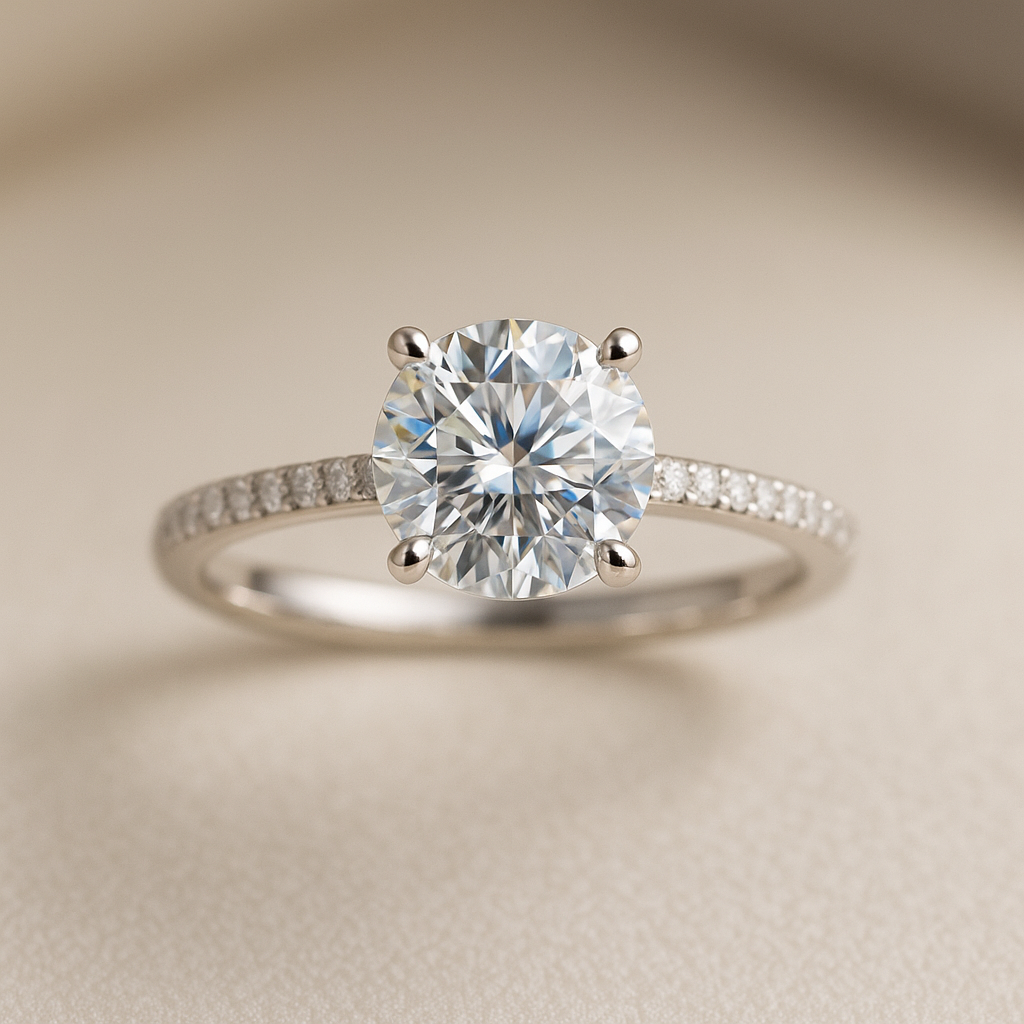
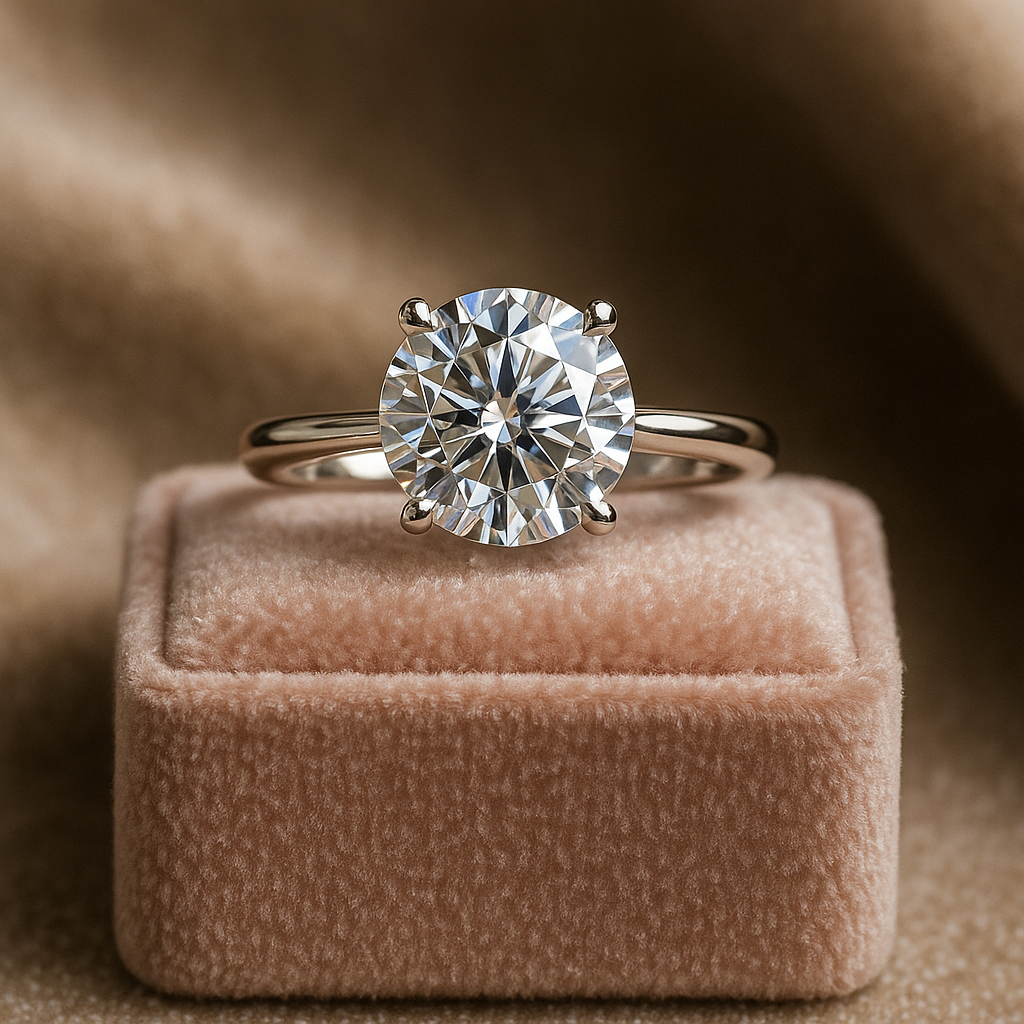
No, lab-grown diamonds look identical to natural diamonds. Both types of diamonds can exhibit the same brilliance, fire, and scintillation under the right conditions.
How can I tell if a diamond is lab-grown or natural?
While most consumers cannot distinguish between the two types of diamonds, jewelers can use specialized equipment to identify lab-grown diamonds by detecting growth patterns and inclusions.
Will lab-grown diamonds lose value?
Lab-grown diamonds may depreciate more quickly than natural diamonds, which can hold their value better over time. However, the market for lab-grown diamonds is growing, which may stabilize their value in the future.
Are lab-grown diamonds eco-friendly?
Yes, lab-grown diamonds are generally considered more eco-friendly than mined diamonds. Their production involves less environmental disruption and does not contribute to the issues associated with mining.
Can I customize a lab-grown diamond?
Absolutely! One of the benefits of lab-grown diamonds is the ability to customize them, allowing consumers to choose the size, shape, and even color that fits their personal preferences.
Final Thoughts
Choosing a diamond for an engagement ring or fine jewelry is a significant decision that should align with your values, preferences, and budget. Lab-grown diamonds offer a compelling alternative to natural diamonds, providing consumers with ethical, customizable, and affordable options without compromising on quality. Whether you opt for a lab-grown or natural diamond, remember that the essence of the diamond lies in its representation of love and commitment.