Understanding Lab-Grown Diamonds: The Future of Fine Jewelry
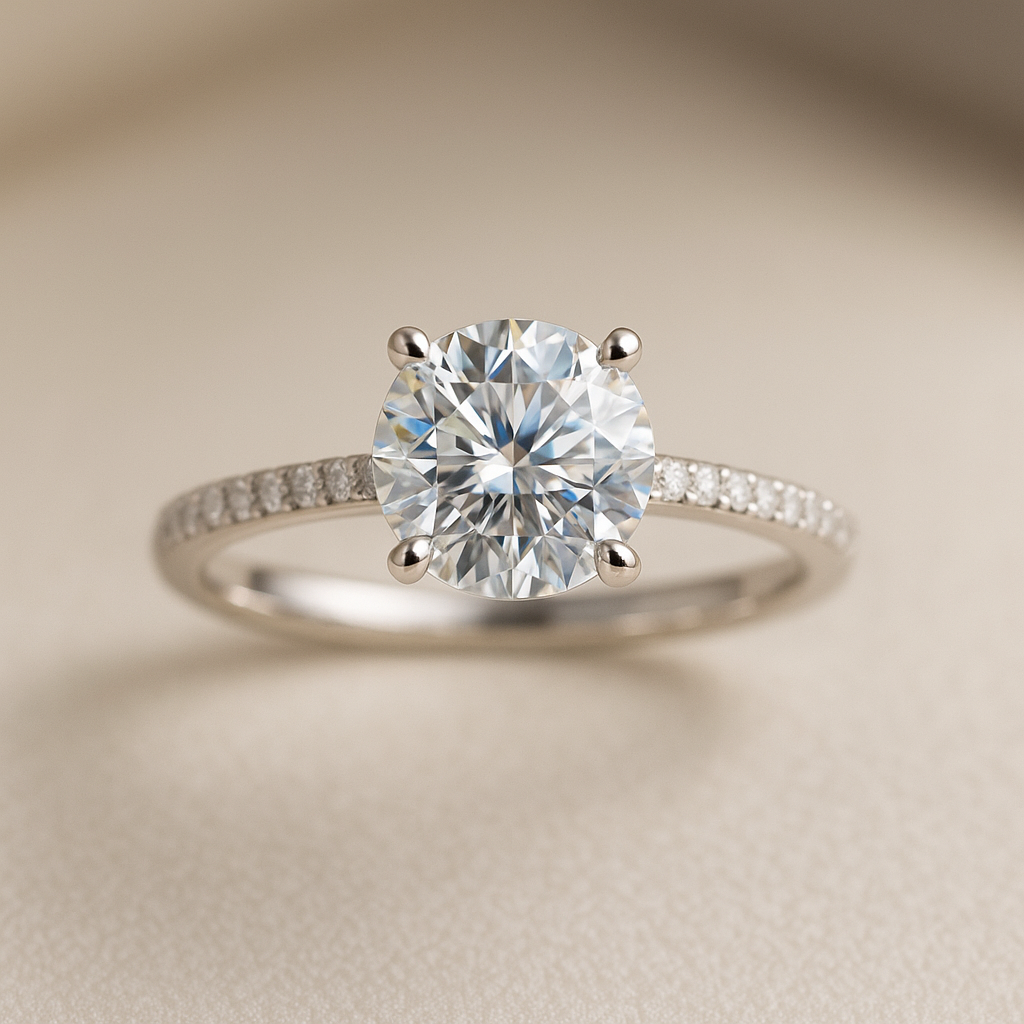
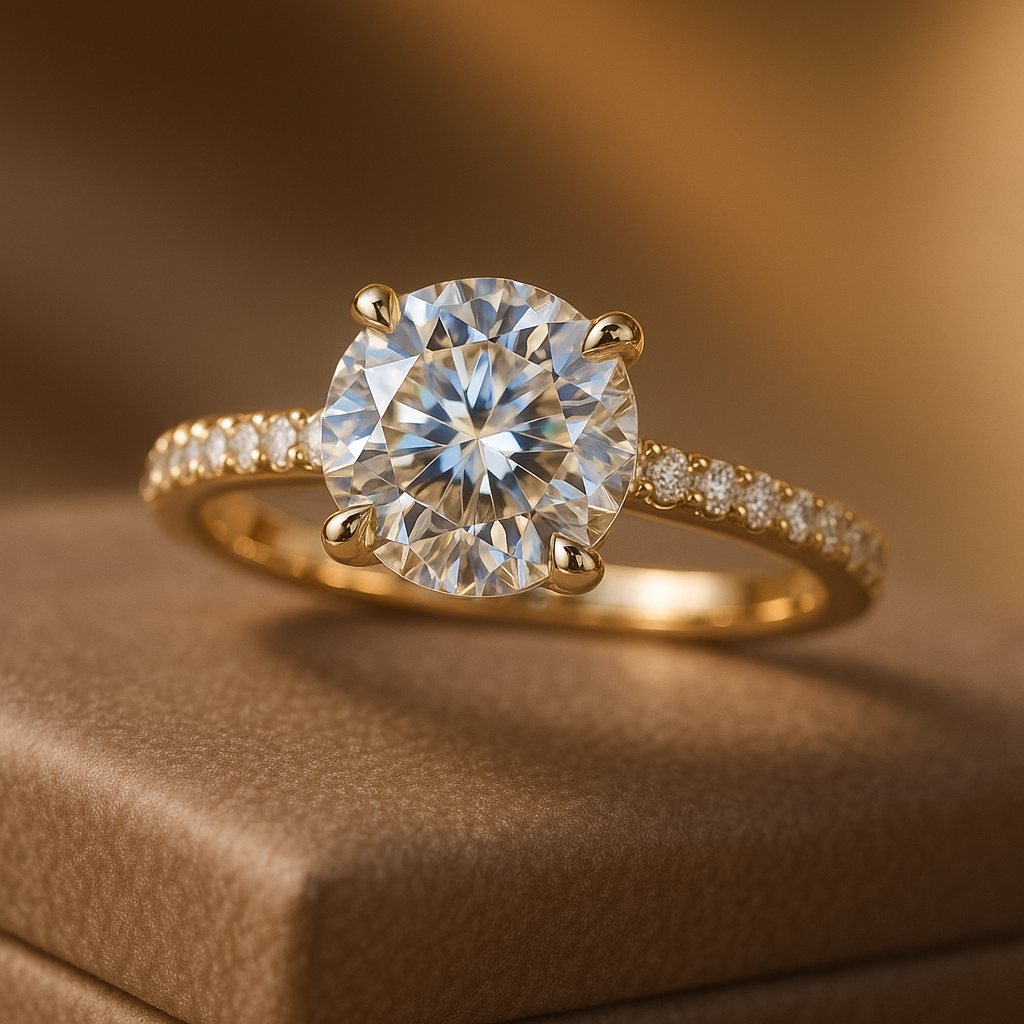
In recent years, lab-grown diamonds have gained significant traction in the jewelry market, particularly among consumers looking for engagement rings and fine jewelry. As the demand for these stones increases, it’s essential to understand what they are, how they compare to natural diamonds, and why they might be the right choice for your next purchase.
What Are Lab-Grown Diamonds?
Lab-grown diamonds are scientifically identical to their natural counterparts. Created using advanced technological processes that replicate the conditions under which natural diamonds form, these stones possess the same physical, chemical, and optical properties as natural diamonds. There are two primary methods for creating lab-grown diamonds: High Pressure High Temperature (HPHT) and Chemical Vapor Deposition (CVD).
High Pressure High Temperature (HPHT)
The HPHT method involves mimicking the natural diamond formation process found deep within the Earth. By applying high pressure and temperature to carbon, a diamond crystal forms. This method produces diamonds that are often indistinguishable from natural stones.
Chemical Vapor Deposition (CVD)
The CVD process involves placing a diamond seed in a chamber filled with carbon-rich gas. The gas is then heated to create a plasma, which allows carbon to deposit onto the seed, gradually forming a diamond. CVD diamonds are also chemically and optically identical to natural diamonds.
Lab-Grown vs. Natural Diamonds: Key Differences
Cost
One of the most significant advantages of lab-grown diamonds is their cost. Typically, lab-grown diamonds are 20-40% less expensive than natural diamonds of comparable quality. This price difference allows consumers to purchase larger or higher-quality stones without exceeding their budget.
Ethical Considerations
Lab-grown diamonds have emerged as a more ethical alternative to natural diamonds, which can be linked to various social and environmental issues, including conflict diamonds and mining practices. By choosing lab-grown options, consumers can feel confident that their purchase is free from these concerns.
Environmental Impact
The production of lab-grown diamonds is also generally considered to have a lower environmental impact compared to diamond mining. Mining can lead to habitat destruction, soil erosion, and pollution, while lab-grown diamonds are created in controlled environments with smaller ecological footprints.
The Quality of Lab-Grown Diamonds
When evaluating lab-grown diamonds, it’s essential to consider the same quality factors that apply to natural diamonds: the 4Cs—Cut, Color, Clarity, and Carat weight. Lab-grown diamonds can possess exceptional quality and are often graded using the same standards applied to natural diamonds.
Cut
The cut of a diamond affects its brilliance and overall appearance. Lab-grown diamonds can be cut expertly, allowing for maximum light reflection and sparkle, similar to natural diamonds.
Color
Lab-grown diamonds are available in a range of colors, from white to fancy shades, such as pink, blue, and yellow. The color grading system for lab-grown diamonds mirrors that of natural diamonds, ensuring transparency and reliability.
Clarity
Clarity refers to the presence of internal or external imperfections (inclusions and blemishes). While lab-grown diamonds can exhibit similar clarity characteristics to natural diamonds, many lab-grown stones are available in higher clarity grades due to the controlled environment in which they are created.
Carat Weight
Lab-grown diamonds come in various carat sizes, and consumers can often find larger stones within their budget compared to natural diamonds.
Where to Buy Lab-Grown Diamonds
As the popularity of lab-grown diamonds continues to rise, many reputable jewelers and online retailers are beginning to offer these options. However, it is crucial to do your research and ensure that you are purchasing from a trustworthy source. Look for retailers that provide detailed information about their diamonds, including grading reports from recognized gemological laboratories.
Frequently Asked Questions
Are lab-grown diamonds real diamonds?
Yes, lab-grown diamonds are real diamonds. They have the same chemical and physical properties as natural diamonds, making them indistinguishable to the naked eye.
How do I know if a diamond is lab-grown or natural?
The best way to ensure you are purchasing a lab-grown or natural diamond is by obtaining a grading report from a reputable gemological laboratory. These reports will specify the origin of the diamond.
Do lab-grown diamonds retain value?
While lab-grown diamonds are generally less expensive than natural diamonds, they do not retain value in the same way. Their resale value is lower, but many consumers are more focused on the initial purchase rather than long-term investment.
Can lab-grown diamonds be used in engagement rings?
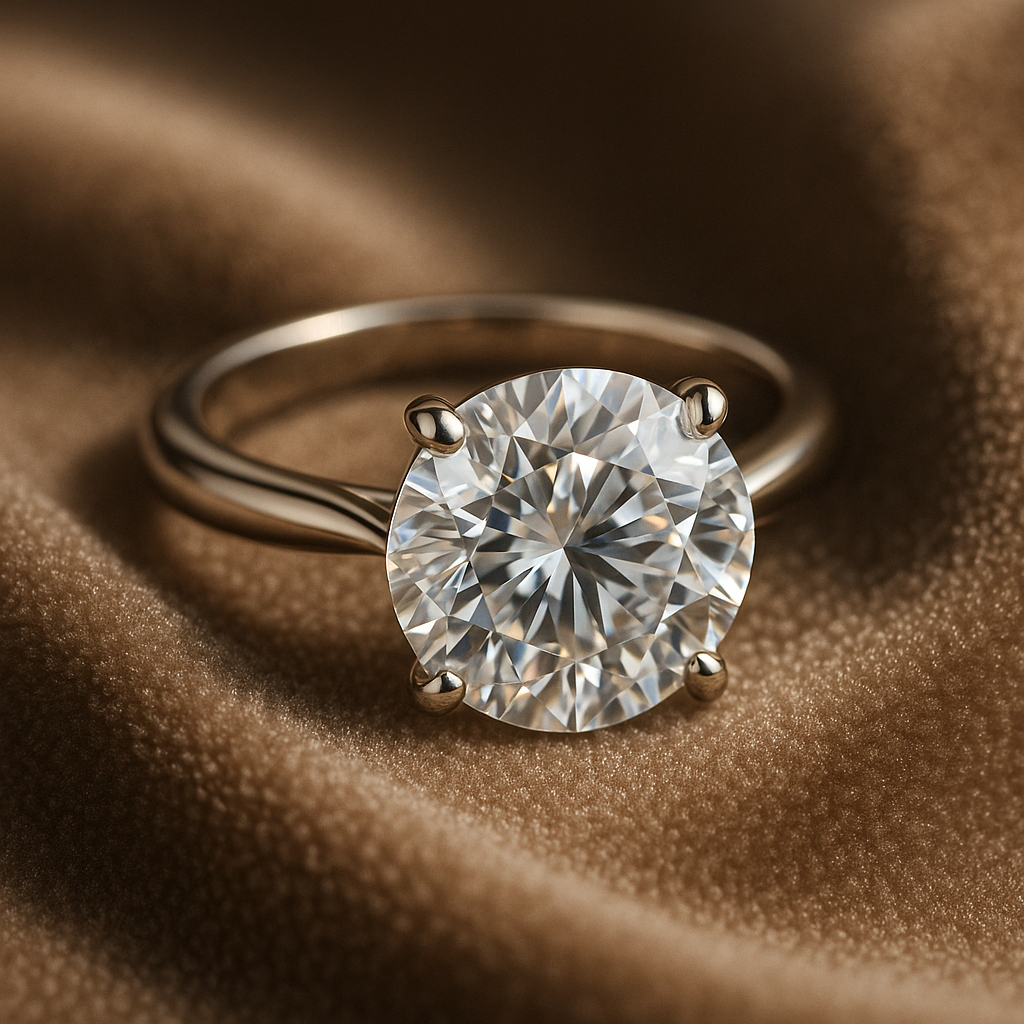
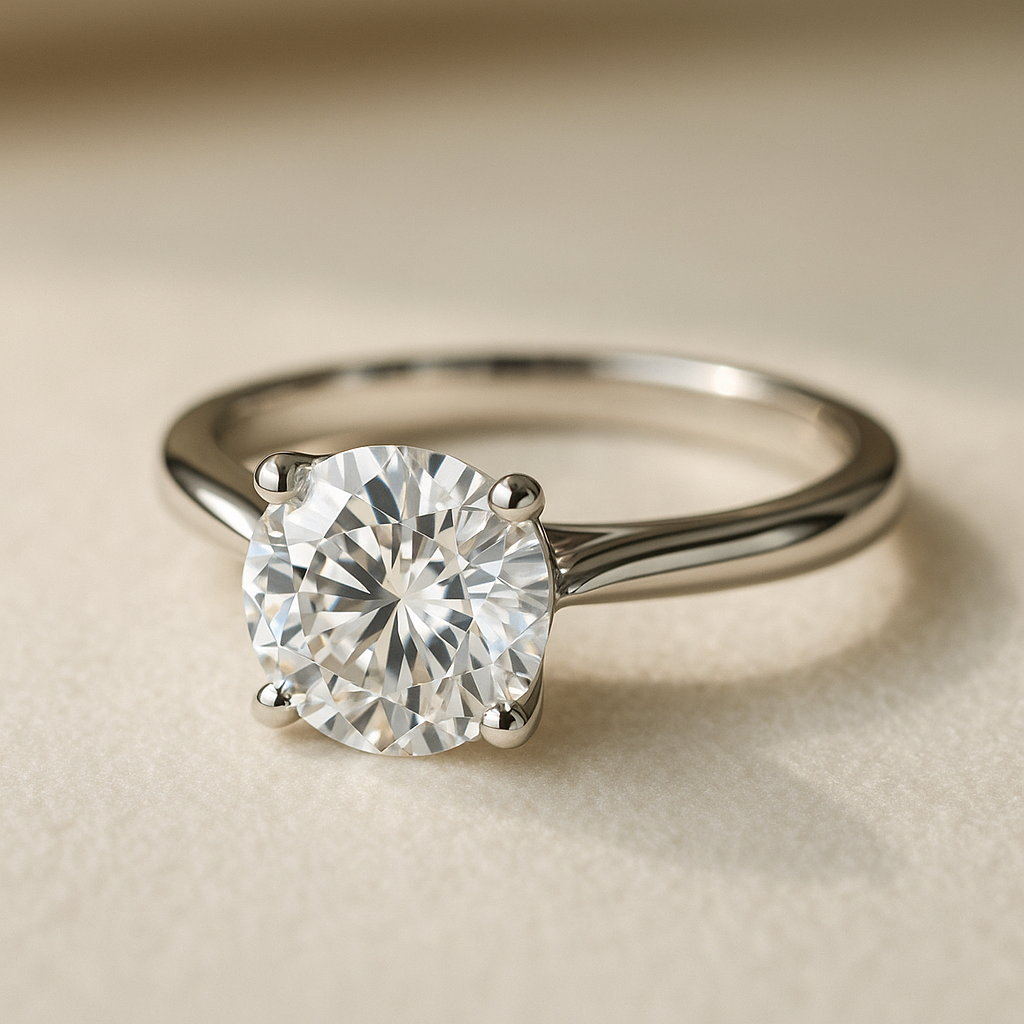
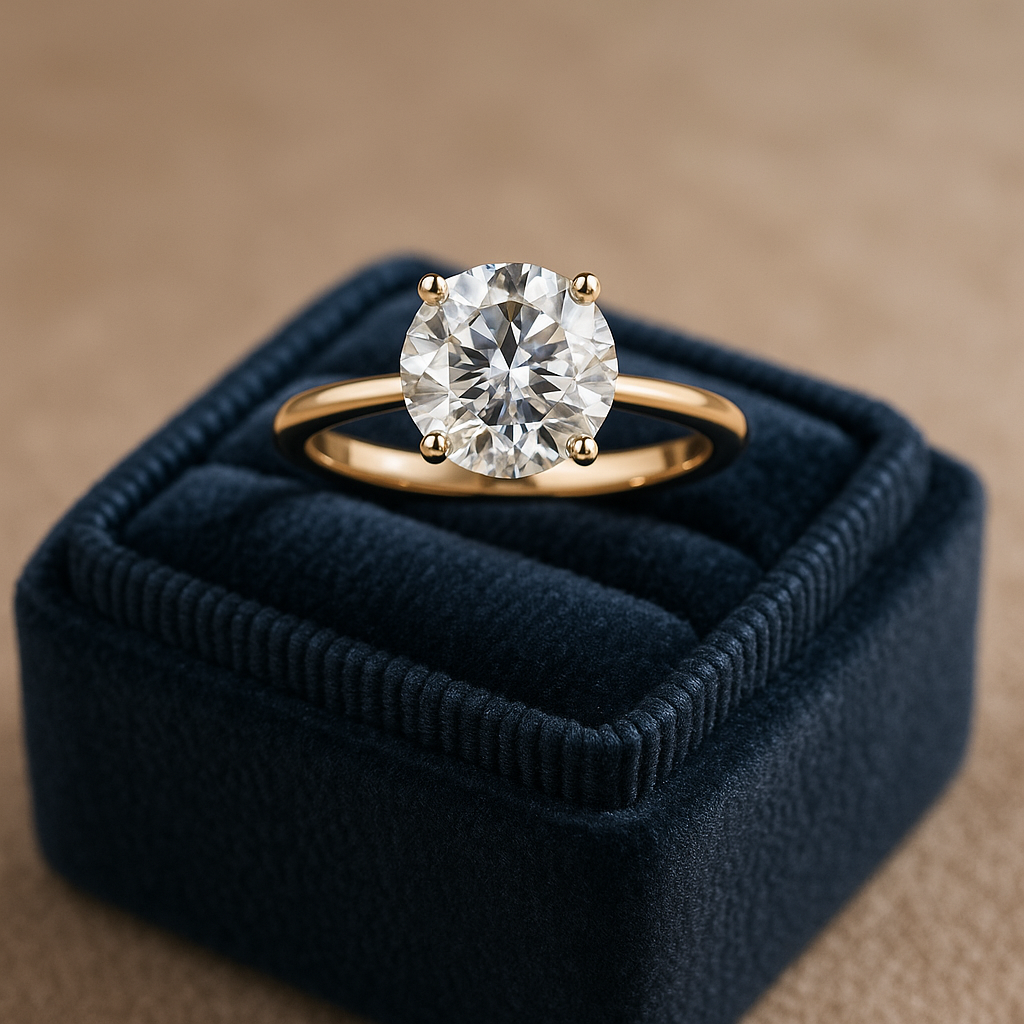
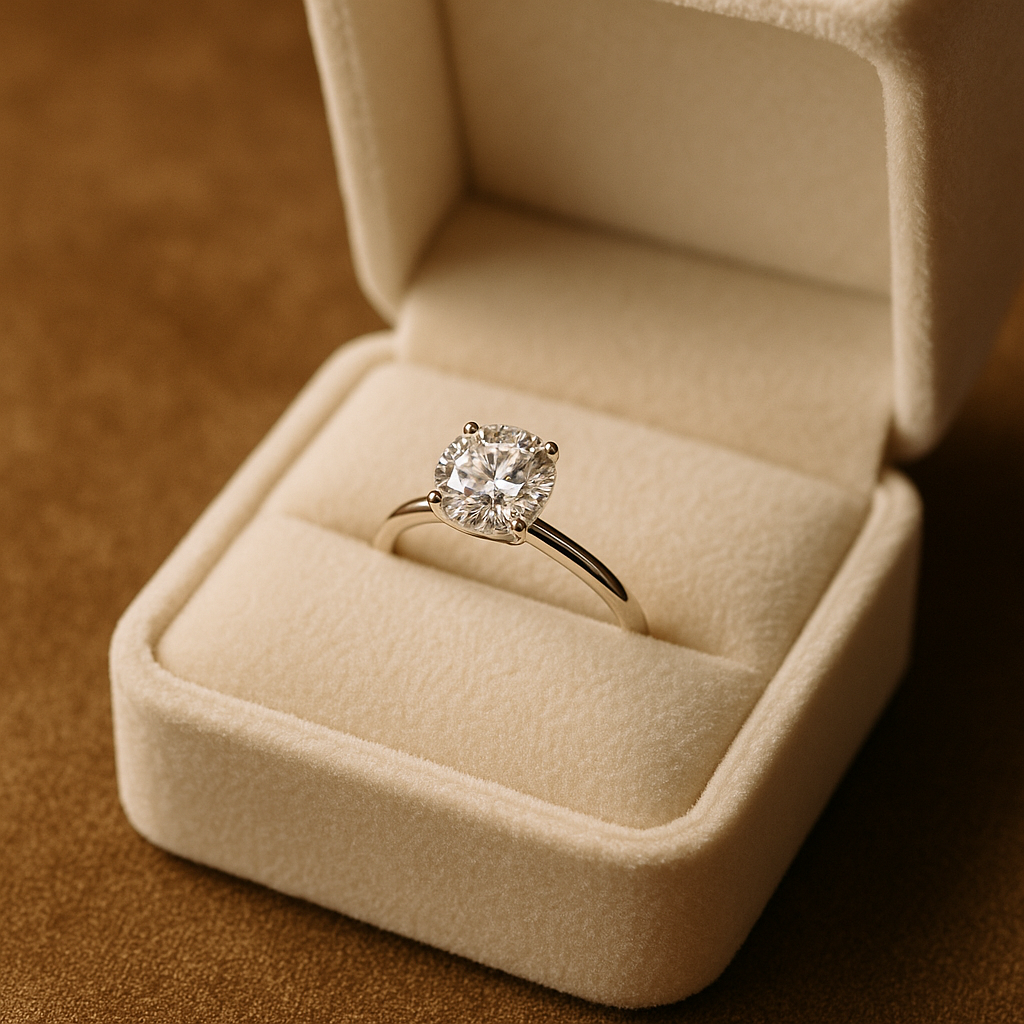
Absolutely! Lab-grown diamonds are an excellent choice for engagement rings, offering beauty, quality, and ethical considerations at a more accessible price point.
Conclusion
Lab-grown diamonds represent a significant advancement in the jewelry industry, providing consumers with a high-quality, ethical, and cost-effective alternative to natural diamonds. As you research your options for engagement rings and fine jewelry, consider the advantages of lab-grown diamonds. They offer beauty and brilliance without compromising on ethics or budget, making them an attractive choice for modern shoppers.