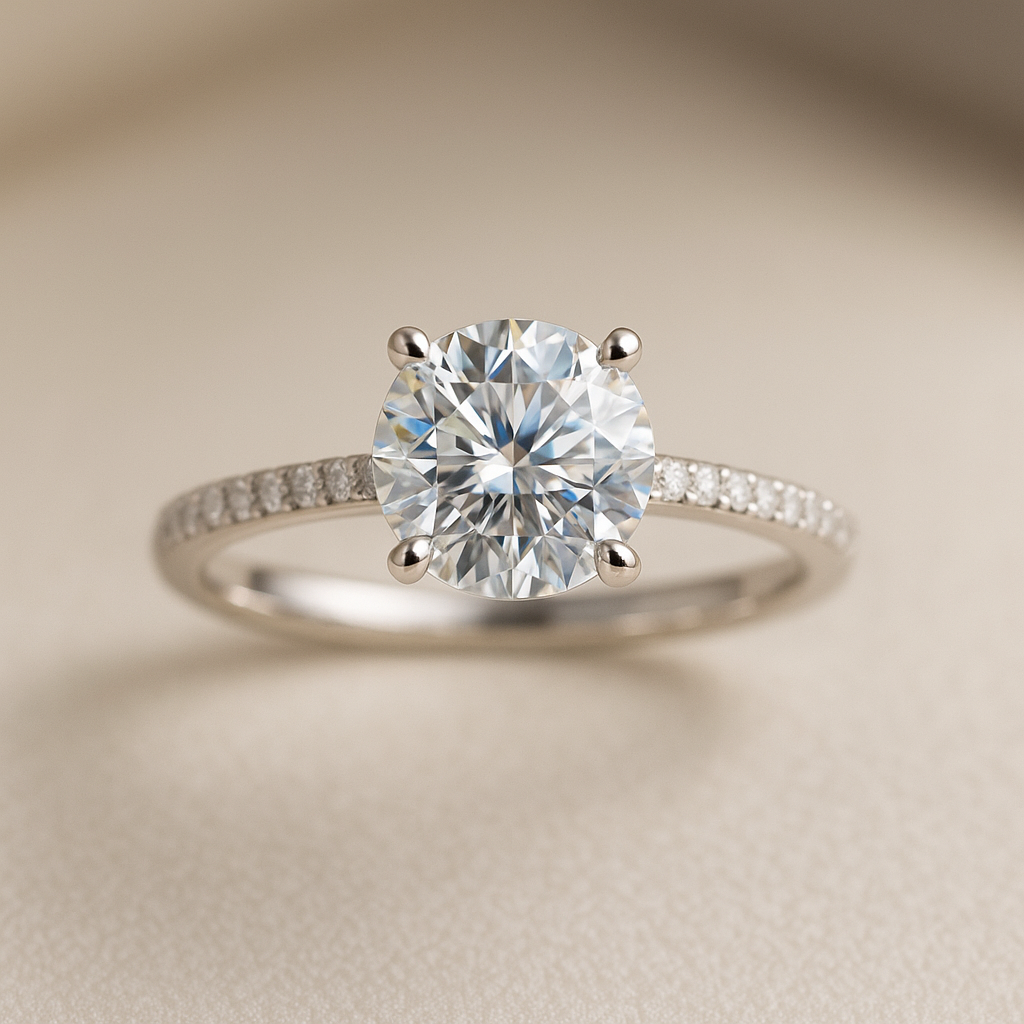

Understanding Lab-Grown Diamonds: The Future of Fine Jewelry
As consumers become more aware of the impact of their purchasing decisions, lab-grown diamonds have emerged as a compelling alternative to traditional mined diamonds. This comprehensive guide aims to demystify lab-grown diamonds, exploring their origins, benefits, and how they compare to natural diamonds.
What Are Lab-Grown Diamonds?
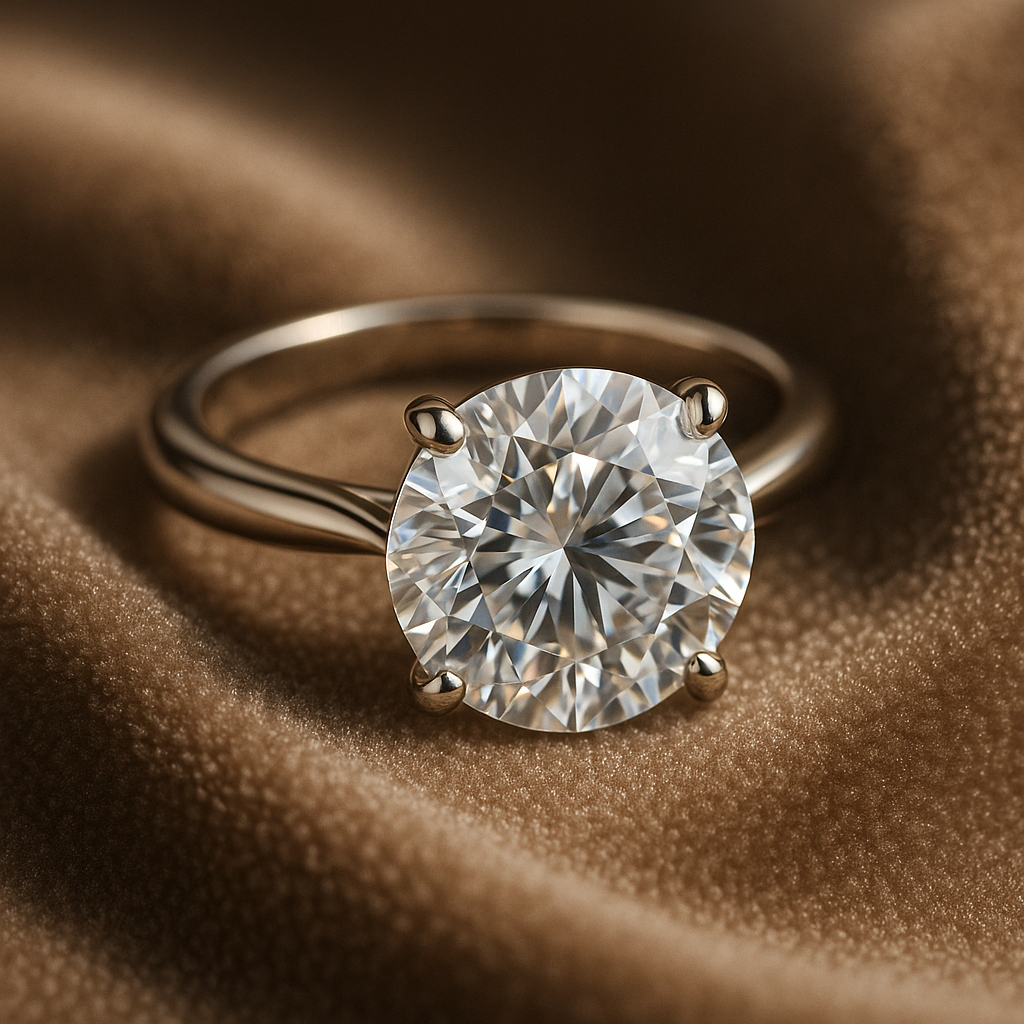
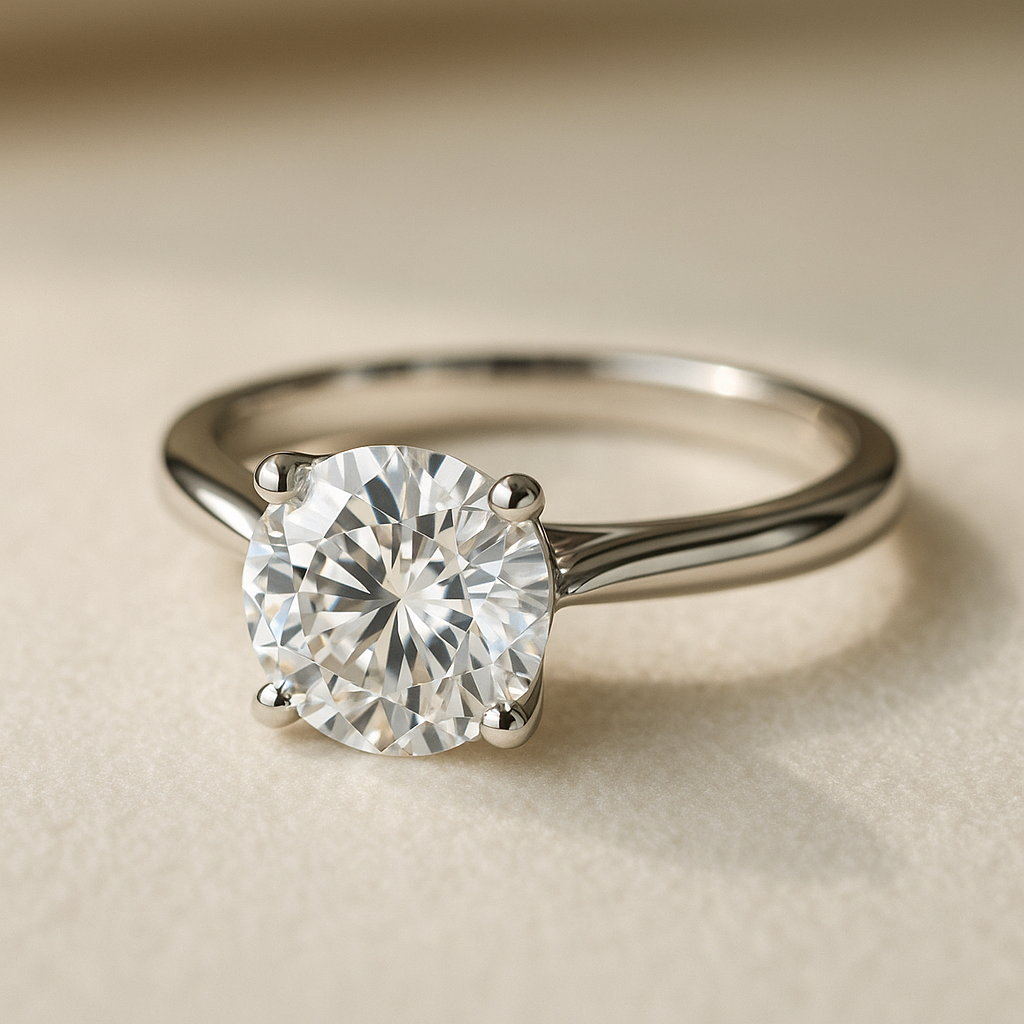
Lab-grown diamonds, also known as synthetic or cultured diamonds, are created in controlled environments using advanced technology that replicates the natural processes that form diamonds in the Earth’s mantle. They possess the same physical, chemical, and optical properties as natural diamonds, making them virtually indistinguishable without specialized equipment.
How Lab-Grown Diamonds Are Made
There are two primary methods for producing lab-grown diamonds: Chemical Vapor Deposition (CVD) and High Pressure High Temperature (HPHT). Each method has its unique advantages:
- CVD: In this process, carbon gases are introduced into a chamber, where they crystallize to form diamond. This method allows for greater control over the diamond’s characteristics and can produce larger stones.
- HPHT: This technique mimics the natural diamond formation process by applying extreme pressure and temperature to carbon materials. HPHT diamonds can exhibit similar properties to natural diamonds, often resulting in stones that are rich in color.
Benefits of Choosing Lab-Grown Diamonds
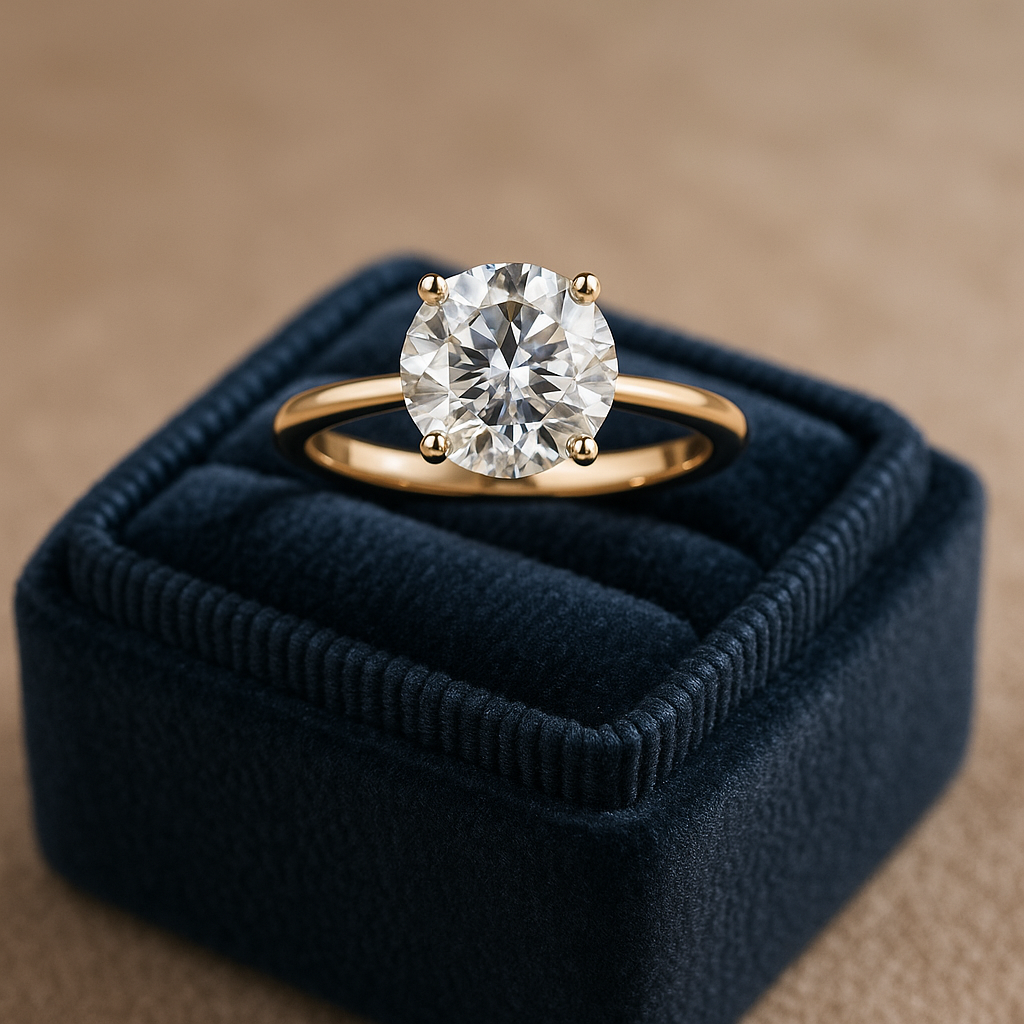
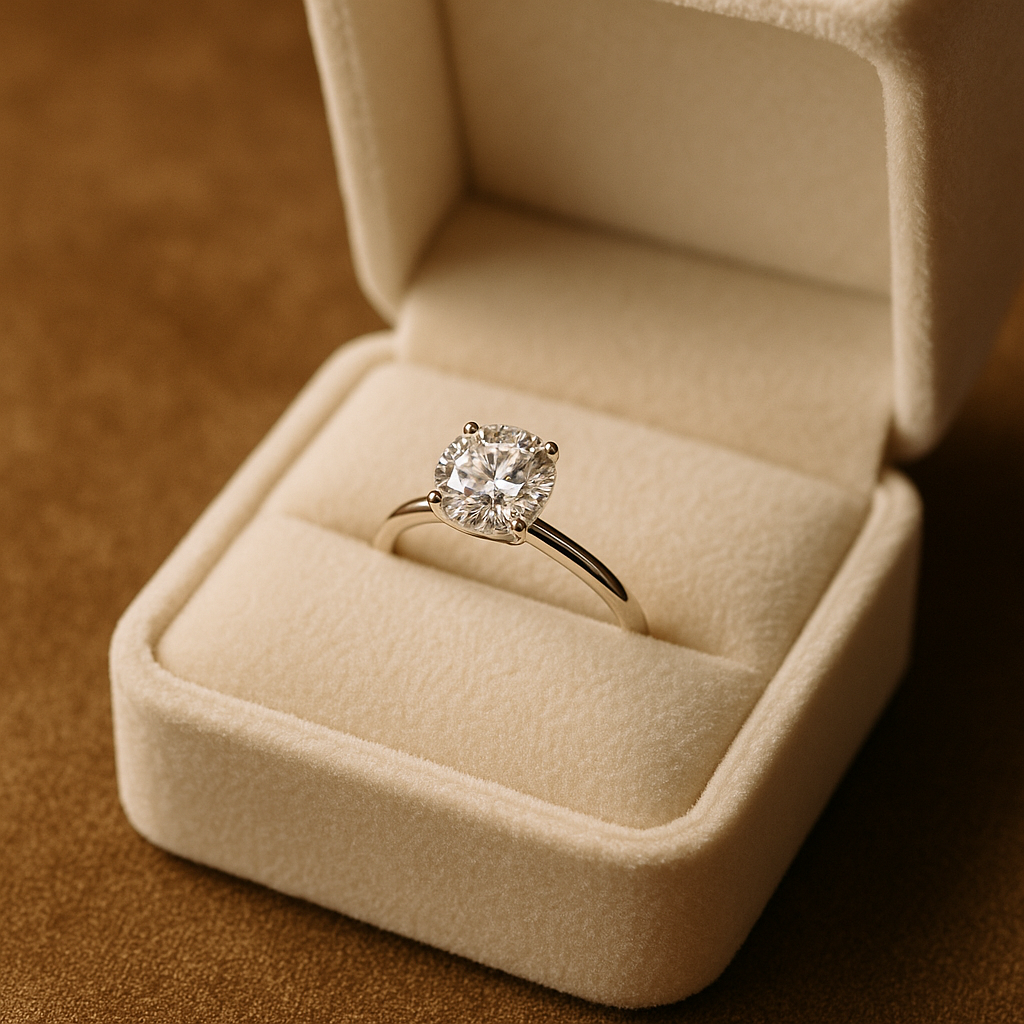
There are several compelling reasons to consider lab-grown diamonds for your engagement ring or fine jewelry:
- Ethical Sourcing: Lab-grown diamonds eliminate concerns related to conflict diamonds and unethical mining practices, providing peace of mind to consumers.
- Environmental Impact: The environmental footprint of lab-grown diamonds is significantly smaller than that of mined diamonds. They require less water and energy and do not contribute to habitat destruction.
- Cost-Effectiveness: Lab-grown diamonds are generally 20-40% less expensive than their mined counterparts, allowing consumers to invest in larger or higher-quality stones within their budget.
- Customization: Many jewelers offer customization options for lab-grown diamonds, enabling shoppers to choose from a variety of shapes, sizes, and settings to create a truly unique piece.
Lab-Grown vs. Natural Diamonds: Key Differences
While lab-grown diamonds share many characteristics with natural diamonds, understanding their differences can help consumers make informed decisions:
1. Origin
Natural diamonds take millions of years to form deep within the Earth, while lab-grown diamonds are created in weeks to months in a laboratory setting.
2. Pricing
Lab-grown diamonds typically cost significantly less than natural diamonds, making them an attractive option for budget-conscious shoppers.
3. Value Retention
Natural diamonds often retain their value better than lab-grown diamonds, which can depreciate in value over time. Buyers should consider their long-term plans when making a purchase.
4. Certification
Both lab-grown and natural diamonds can be certified by reputable grading organizations. However, it’s crucial to ensure the certification explicitly states the diamond’s origin.
Frequently Asked Questions (FAQ)
Are lab-grown diamonds real diamonds?
Yes, lab-grown diamonds are real diamonds. They have the same chemical composition and physical properties as natural diamonds.
How can I tell if a diamond is lab-grown or natural?
While lab-grown diamonds are nearly indistinguishable from natural ones, professional gemological labs can identify the origin of the diamond through advanced testing.
Do lab-grown diamonds get appraisal values?
Yes, lab-grown diamonds can be appraised, though their appraisal values may differ from those of natural diamonds. It’s important to consult with an experienced jeweler.
Can lab-grown diamonds be resold?
Lab-grown diamonds can be resold, but their resale value may be lower than that of natural diamonds. Understanding market trends is essential for potential resale.
What should I consider when buying a lab-grown diamond?
Consider factors such as the diamond’s cut, color, clarity, and certification. Additionally, determine your budget and preferred design to find the perfect lab-grown diamond for you.
Conclusion: The Choice is Yours
Choosing between a lab-grown and a natural diamond is a personal decision that depends on various factors, including ethical considerations, budget, and individual preferences. Lab-grown diamonds offer a modern, responsible alternative with comparable beauty and quality. At Celebrity Diamonds, we are committed to providing consumers with high-quality lab-grown diamonds, ensuring that every piece of jewelry reflects the values and dreams of its wearer.