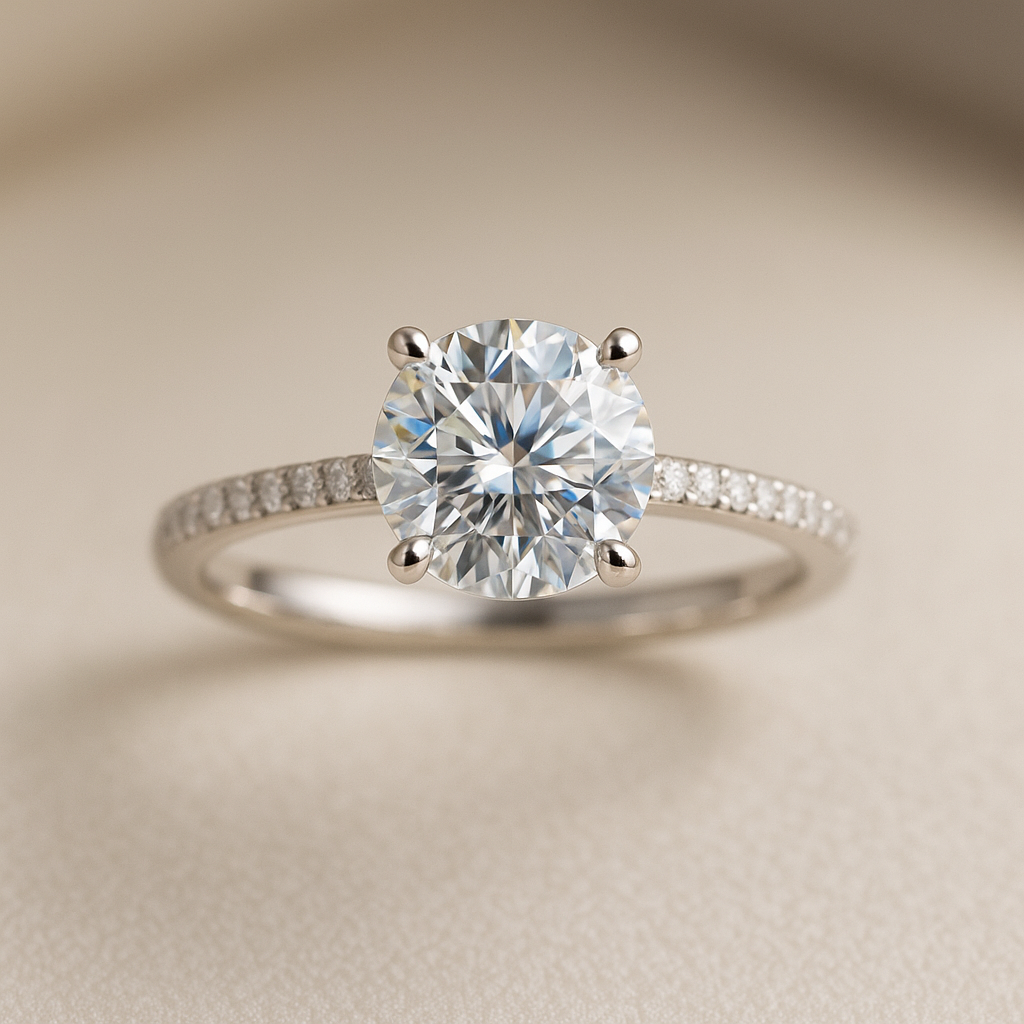
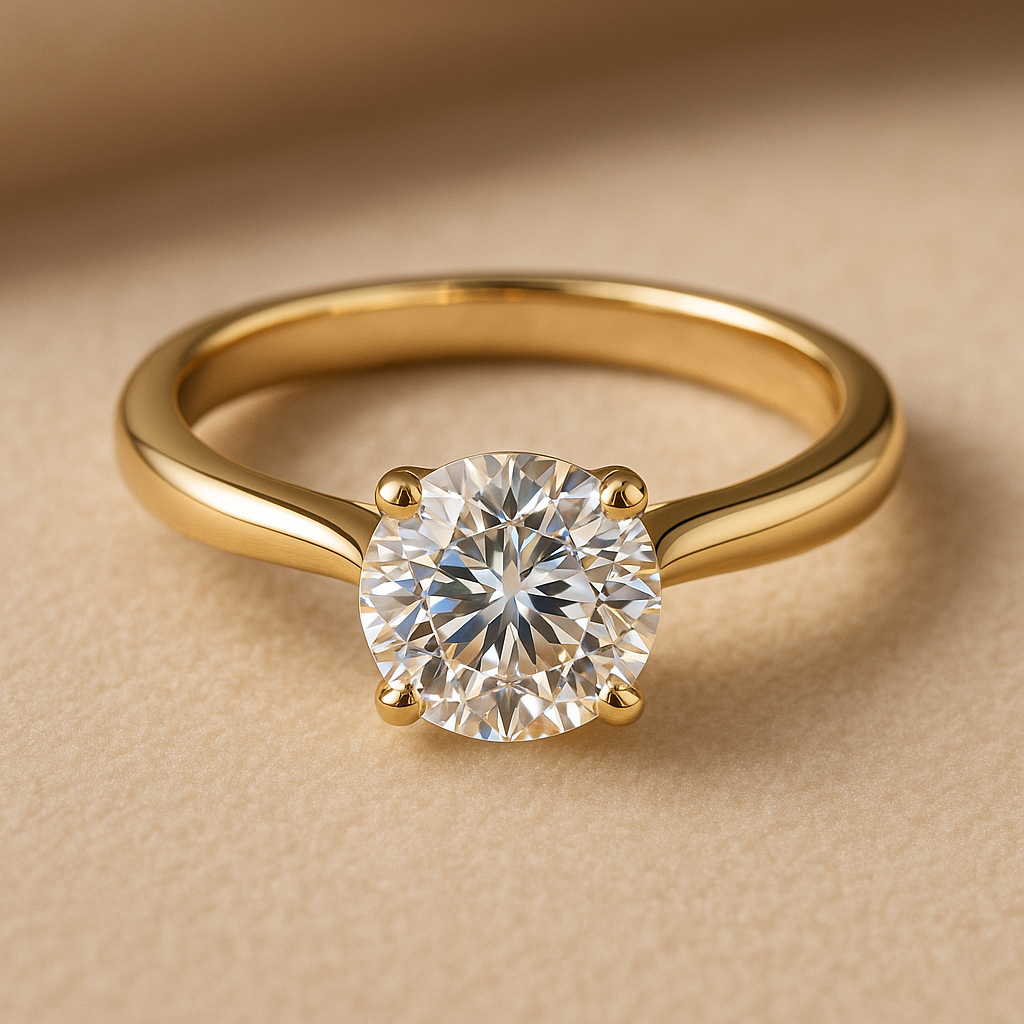
Understanding Lab-Grown Diamonds: The Modern Choice for Engagement Rings
Lab-grown diamonds are rapidly gaining popularity among consumers looking for ethical, affordable, and high-quality alternatives to natural diamonds. In this article, we’ll explore what lab-grown diamonds are, how they compare to natural diamonds, and why they might be the perfect choice for your engagement ring.
What Are Lab-Grown Diamonds?
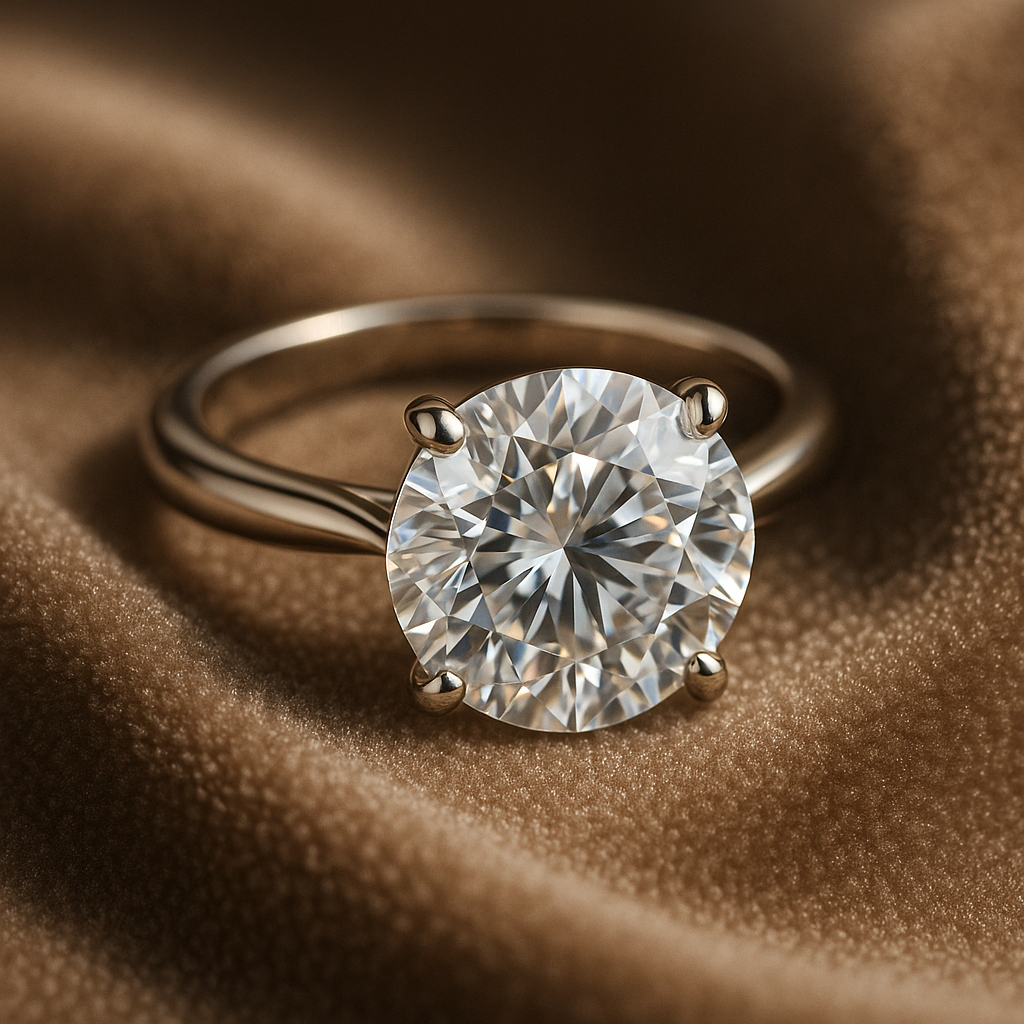
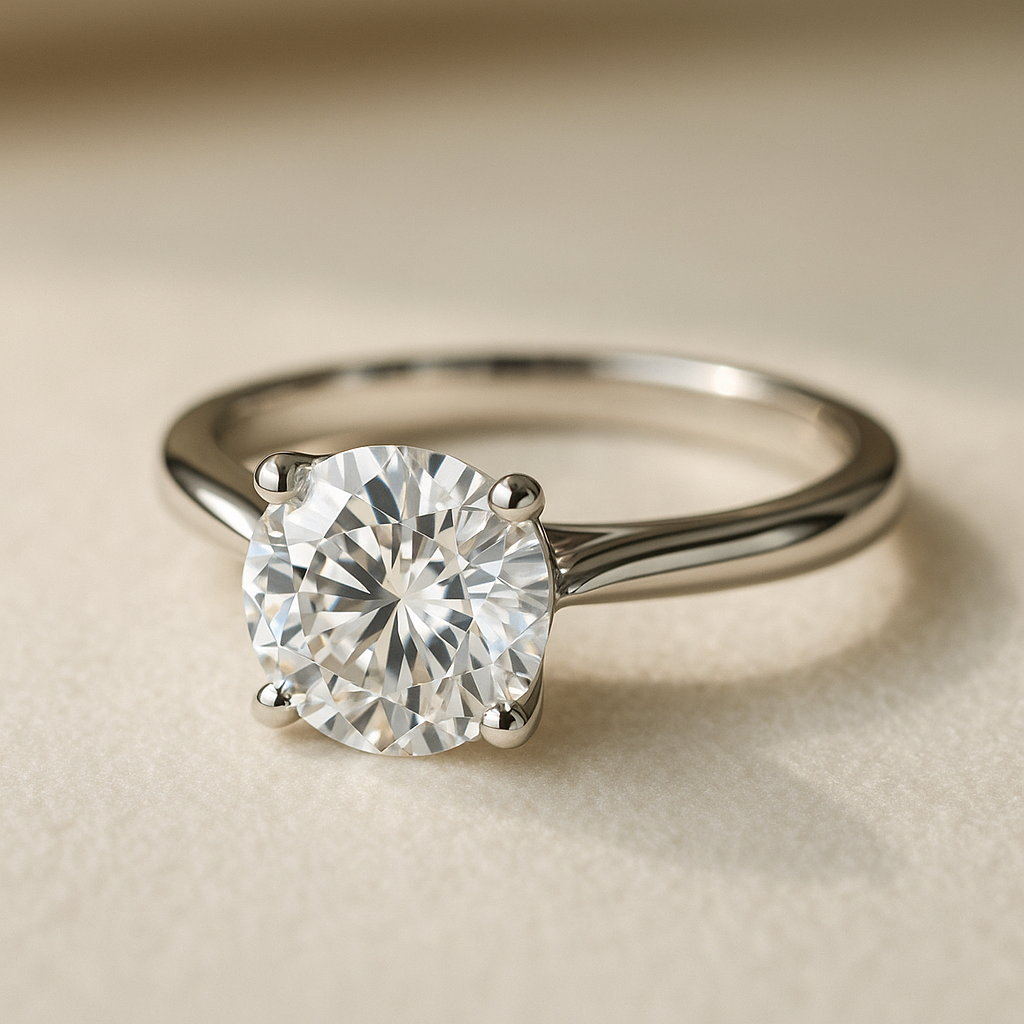
Lab-grown diamonds, also known as synthetic or cultured diamonds, are real diamonds created in controlled environments using advanced technological processes that replicate the natural diamond formation process. These diamonds share the same physical, chemical, and optical properties as natural diamonds, making them indistinguishable to the naked eye.
The Process of Creating Lab-Grown Diamonds
There are two primary methods for growing diamonds in a lab:
- High Pressure High Temperature (HPHT): This method mimics the natural conditions under which diamonds form in the Earth. It uses high pressure and temperature to transform carbon into diamonds.
- Chemical Vapor Deposition (CVD): In this method, carbon-rich gases are used to create a diamond layer on a substrate, which slowly builds up to form a diamond crystal.
Lab-Grown Diamonds vs. Natural Diamonds
When comparing lab-grown diamonds to natural diamonds, several key factors come into play:
- Cost: Lab-grown diamonds are typically 20-40% less expensive than their natural counterparts. This affordability allows consumers to choose larger or higher quality stones without exceeding their budget.
- Ethics: Lab-grown diamonds offer a conflict-free option for consumers who are concerned about the ethical implications of natural diamond mining. They are produced without the environmental and social issues often associated with mining.
- Quality: Lab-grown diamonds can be created with fewer inclusions and imperfections, resulting in higher quality stones that often exceed the clarity of natural diamonds.
- Value Retention: While lab-grown diamonds are less expensive initially, their resale value is typically lower than that of natural diamonds. Consumers should consider this when making a purchase.
The Benefits of Choosing Lab-Grown Diamonds
There are numerous benefits to choosing lab-grown diamonds for your engagement ring:
- Environmental Impact: The production of lab-grown diamonds requires significantly less land and water, leading to a reduced ecological footprint compared to conventional diamond mining.
- Customization: Lab-grown diamonds can be produced in various shapes, sizes, and colors, allowing for greater customization options for your engagement ring.
- Transparency: Lab-grown diamonds come with certificates from reputable laboratories that guarantee their origins and quality, providing consumers with peace of mind.
Choosing the Right Lab-Grown Diamond
When selecting a lab-grown diamond, consider the following factors:
- 4 Cs: Just like natural diamonds, lab-grown diamonds are graded based on cut, color, clarity, and carat weight. Understanding these characteristics can help you make an informed choice.
- Certification: Look for diamonds that are certified by reputable organizations, such as the Gemological Institute of America (GIA) or the International Gemological Institute (IGI).
- Reputable Retailers: Purchase your lab-grown diamond from trusted dealers who provide transparency in sourcing, pricing, and certification. Celebrity Diamonds offers a wide selection of certified lab-grown diamonds.
Frequently Asked Questions (FAQs)
Are lab-grown diamonds real?
Yes, lab-grown diamonds are real diamonds that possess the same chemical and physical properties as natural diamonds.
How can you tell if a diamond is lab-grown?
Lab-grown diamonds are typically graded and certified by gemological laboratories, which provide documentation of their origin. Additionally, advanced testing can distinguish them from natural diamonds.
Are lab-grown diamonds worth buying?
Yes, lab-grown diamonds are a great choice for those seeking ethical, high-quality, and affordable options for engagement rings and fine jewelry.
Do lab-grown diamonds hold their value?
Lab-grown diamonds usually have a lower resale value compared to natural diamonds. However, many consumers prioritize initial cost savings and ethical implications over long-term investment potential.
Conclusion
In summary, lab-grown diamonds represent a modern and responsible choice for consumers looking for engagement rings and fine jewelry. With their ethical origins, affordability, and high quality, they are a compelling alternative to natural diamonds. As you embark on your journey to find the perfect engagement ring, consider the many benefits of choosing a lab-grown diamond.