
Understanding Lab-Grown Diamonds: A Comprehensive Guide
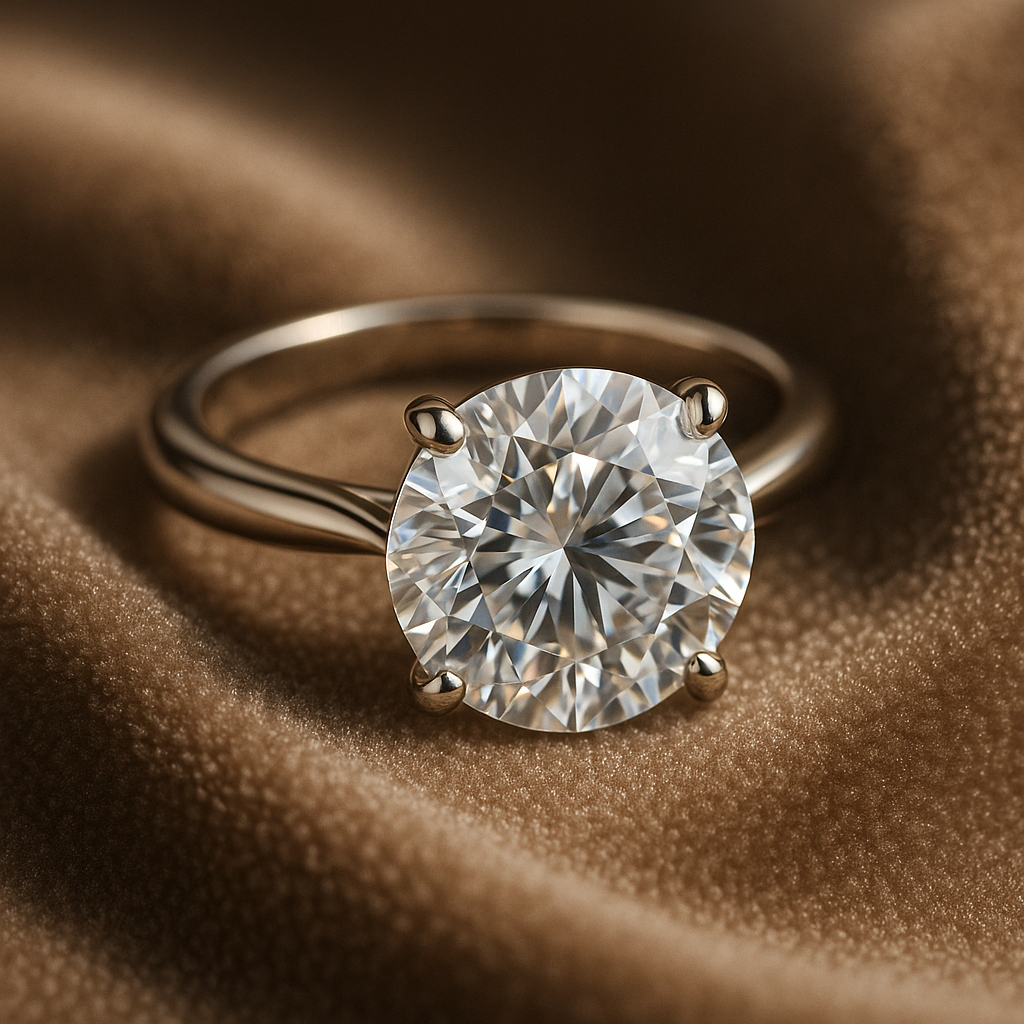
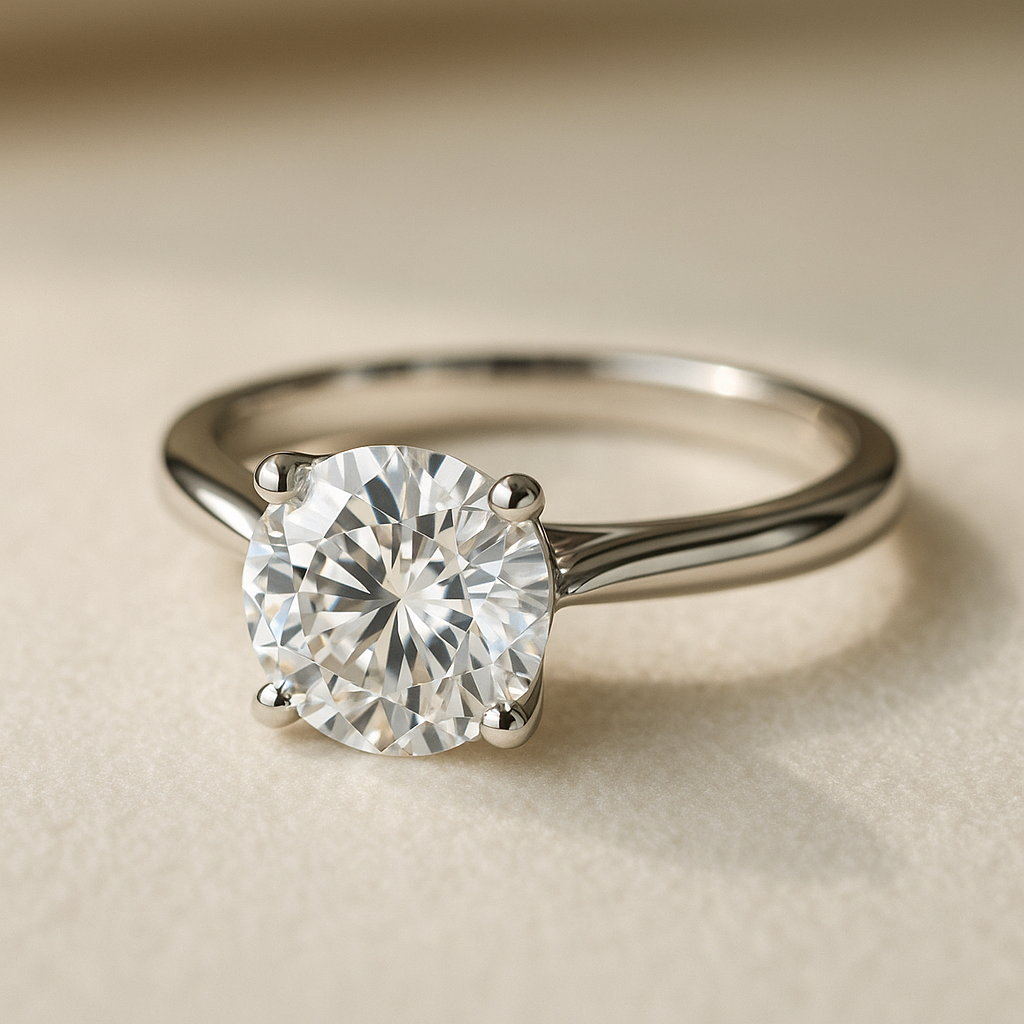
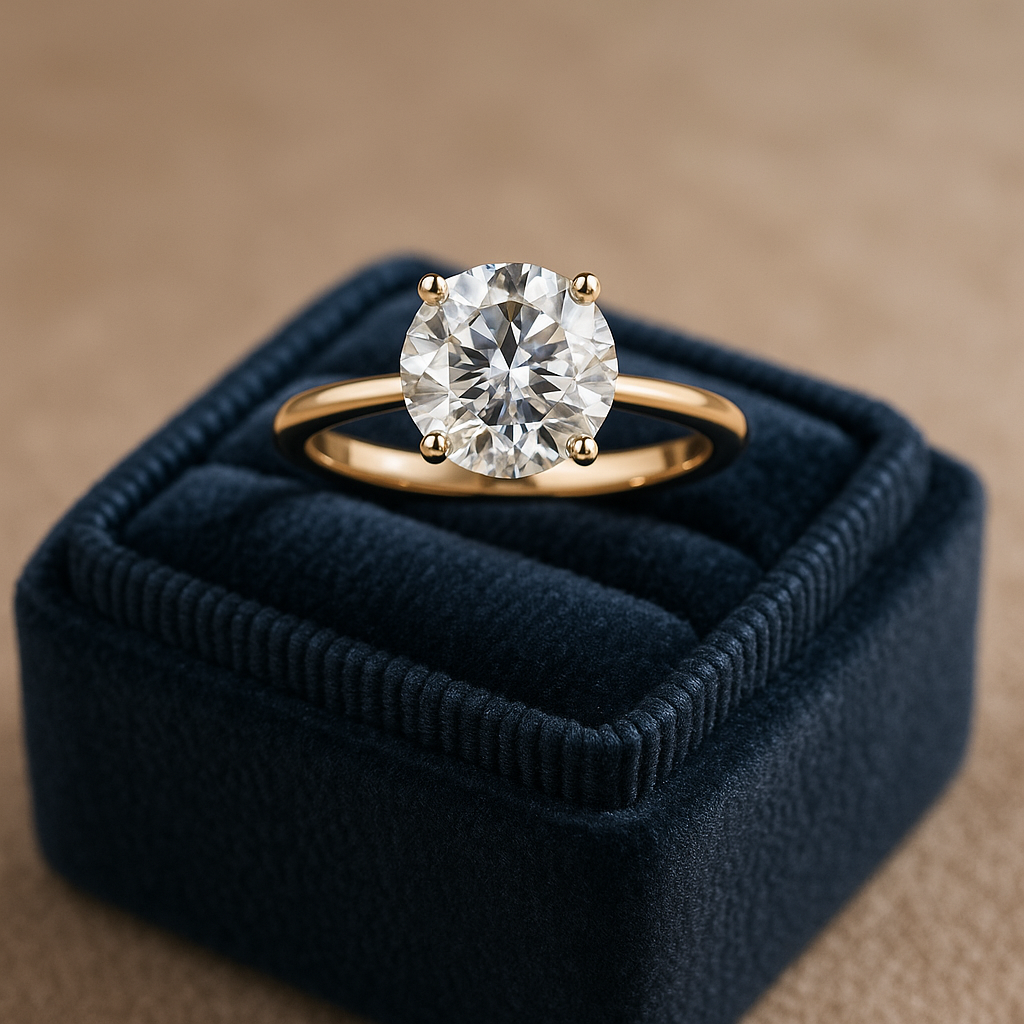
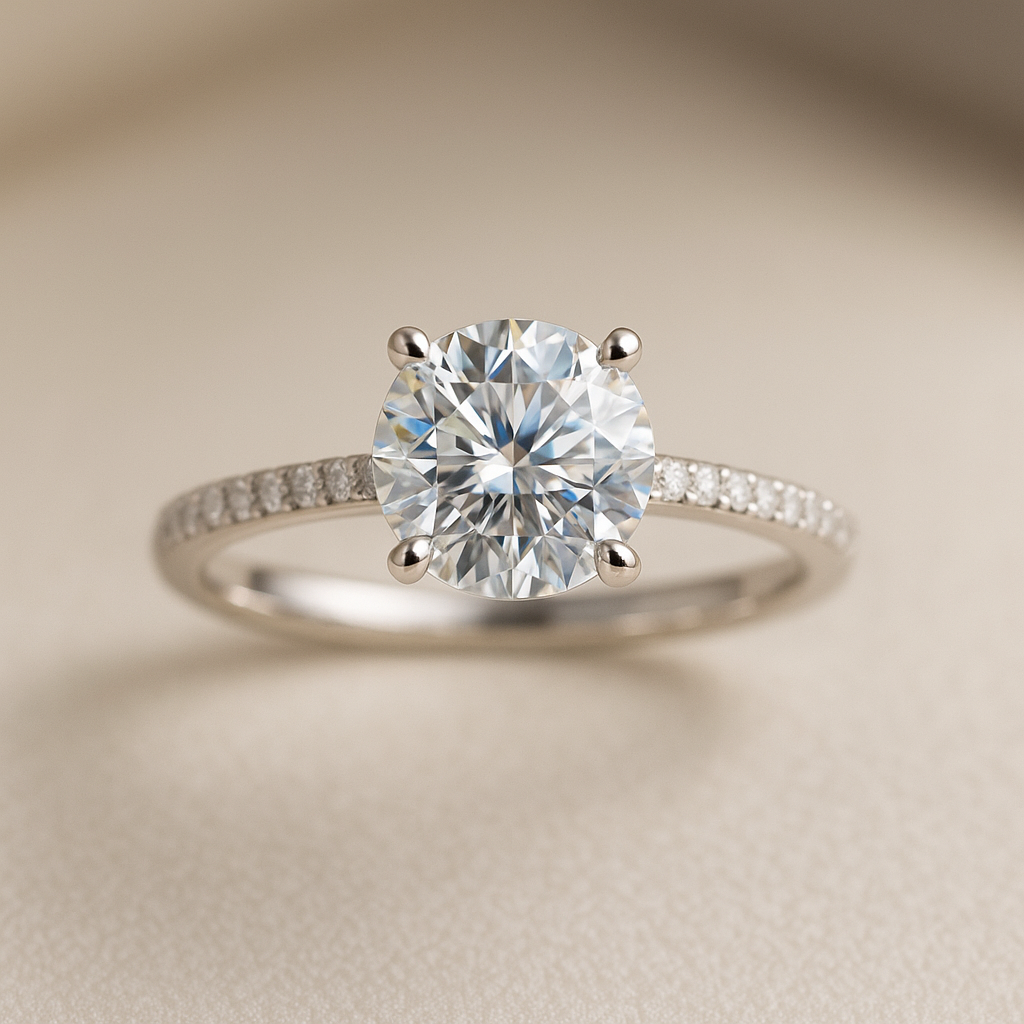
In recent years, lab-grown diamonds have emerged as a fascinating alternative to their natural counterparts, captivating the attention of consumers seeking the perfect engagement ring or fine jewelry. At Celebrity Diamonds, we aim to inform and educate our audience about these stunning stones, their properties, and their significance in today’s jewelry market.
What are Lab-Grown Diamonds?
Lab-grown diamonds, also known as synthetic or cultured diamonds, are created in controlled environments using advanced technological processes that mimic the natural conditions under which diamonds form deep within the Earth. The two primary methods of producing lab-grown diamonds are High Pressure High Temperature (HPHT) and Chemical Vapor Deposition (CVD).
The Benefits of Choosing Lab-Grown Diamonds
There are several compelling reasons to consider lab-grown diamonds when shopping for engagement rings or fine jewelry:
- Environmental Impact: Lab-grown diamonds have a significantly lower environmental footprint compared to mined diamonds. Their production does not involve large-scale mining, which can lead to habitat destruction and pollution.
- Ethical Considerations: Choosing lab-grown diamonds helps avoid the ethical concerns associated with conflict diamonds, ensuring that your purchase does not contribute to human rights violations in diamond-producing regions.
- Cost-Effectiveness: Lab-grown diamonds typically cost 20-40% less than natural diamonds of comparable size and quality. This means you can get a larger or higher-quality stone for the same budget.
- Identical Composition: Lab-grown diamonds possess the same physical, chemical, and optical properties as natural diamonds. They are graded using the same criteria (the 4 Cs: cut, color, clarity, and carat weight) and are genuinely considered real diamonds.
Lab-Grown Diamonds vs. Natural Diamonds
When weighing your options, it’s important to understand the differences between lab-grown and natural diamonds:
1. Origin
Natural diamonds are formed over millions of years through geological processes, while lab-grown diamonds are created within weeks in a laboratory setting.
2. Price
Due to the cost-effective production methods, lab-grown diamonds usually carry a lower price point than natural diamonds.
3. Value Retention
Natural diamonds have historically maintained or increased in value over time. While lab-grown diamonds may not retain value in the same way, they offer significant value for immediate purchase.
4. Certification
Both types of diamonds can be certified by reputable gemological laboratories, ensuring their quality and authenticity.
Choosing the Right Lab-Grown Diamond
When selecting a lab-grown diamond, consider the following:
- Determine Your Budget: Understanding your budget will help narrow down your options and aid in the selection process.
- Learn About the 4 Cs: Familiarize yourself with the cut, color, clarity, and carat weight to make an informed decision based on your preferences.
- Certification Matters: Look for diamonds graded by reputable laboratories such as the Gemological Institute of America (GIA) or the International Gemological Institute (IGI) to ensure quality.
- Consult With Experts: Engaging with knowledgeable jewelers can provide insight into selecting the perfect diamond for your needs.
Caring for Your Lab-Grown Diamond Jewelry
To keep your lab-grown diamond jewelry looking its best, it’s essential to follow these care tips:
- Regular Cleaning: Clean your jewelry regularly to remove dirt and oils. A gentle solution of warm water and mild soap with a soft brush can work wonders.
- Avoid Harsh Chemicals: Keep your diamonds away from harsh chemicals, as they can cause damage to the stone or metal settings.
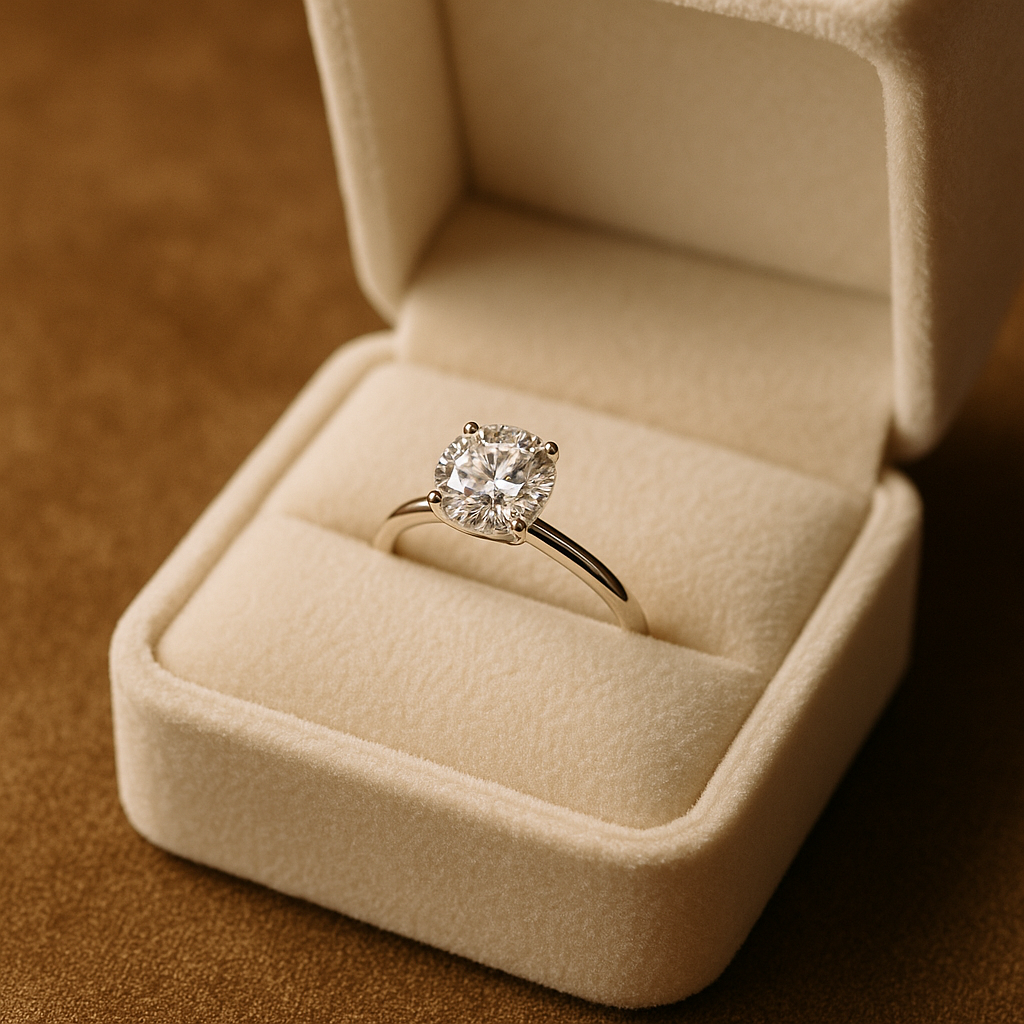
- Proper Storage: Store your jewelry separately to avoid scratches and damage. Consider using a soft pouch or a lined jewelry box.
Frequently Asked Questions (FAQs)
Are lab-grown diamonds real diamonds?
Yes, lab-grown diamonds are real diamonds. They have the same chemical composition and physical properties as natural diamonds, making them indistinguishable to the naked eye.
Do lab-grown diamonds have resale value?
While lab-grown diamonds may not retain their value like natural diamonds, they offer significant value for the initial purchase, making them an attractive option for many buyers.
How can I tell if a diamond is lab-grown?
A gemologist can identify whether a diamond is lab-grown or natural using advanced equipment. Additionally, lab-grown diamonds often come with specific certifications indicating their origin.
What is the cost difference between lab-grown and natural diamonds?
Lab-grown diamonds typically cost 20-40% less than natural diamonds, allowing consumers to maximize their budget while still acquiring a stunning piece of jewelry.
Can lab-grown diamonds be passed down as heirlooms?
Absolutely! Lab-grown diamonds can be just as meaningful as natural diamonds and can be passed down through generations as cherished heirlooms.
In conclusion, lab-grown diamonds represent a modern, ethical, and cost-effective choice for consumers seeking beautiful engagement rings and fine jewelry. With their identical properties to natural diamonds and a commitment to sustainability, they are becoming an increasingly popular option for couples embarking on their journey together. At Celebrity Diamonds, we are dedicated to providing you with the highest-quality lab-grown diamonds and educating you to make informed choices for your jewelry needs.