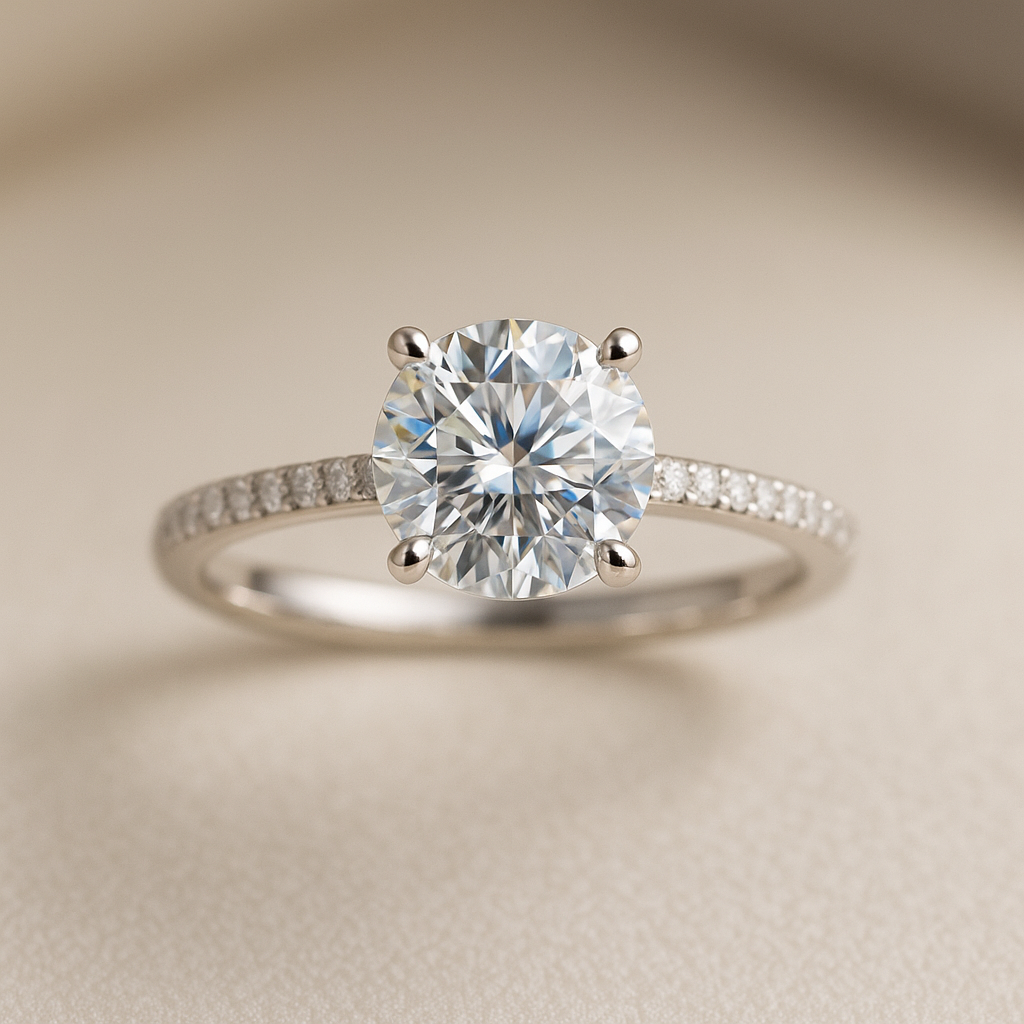

Understanding Lab-Grown Diamonds: The Future of Fine Jewelry
As the world of fine jewelry evolves, lab-grown diamonds have emerged as a popular and ethical alternative to their natural counterparts. With advancements in technology and growing consumer awareness, lab-grown diamonds are revolutionizing the engagement ring market and reshaping the fine jewelry industry.
What are Lab-Grown Diamonds?
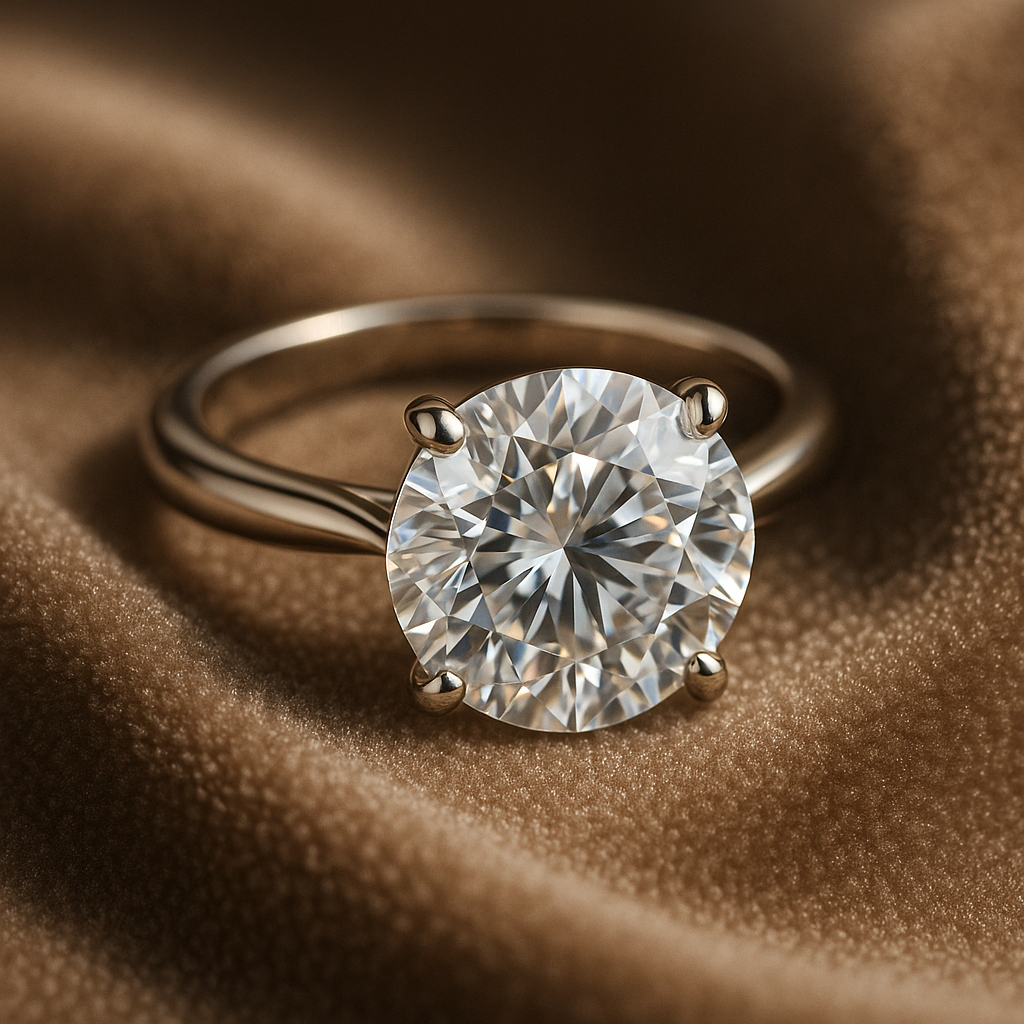
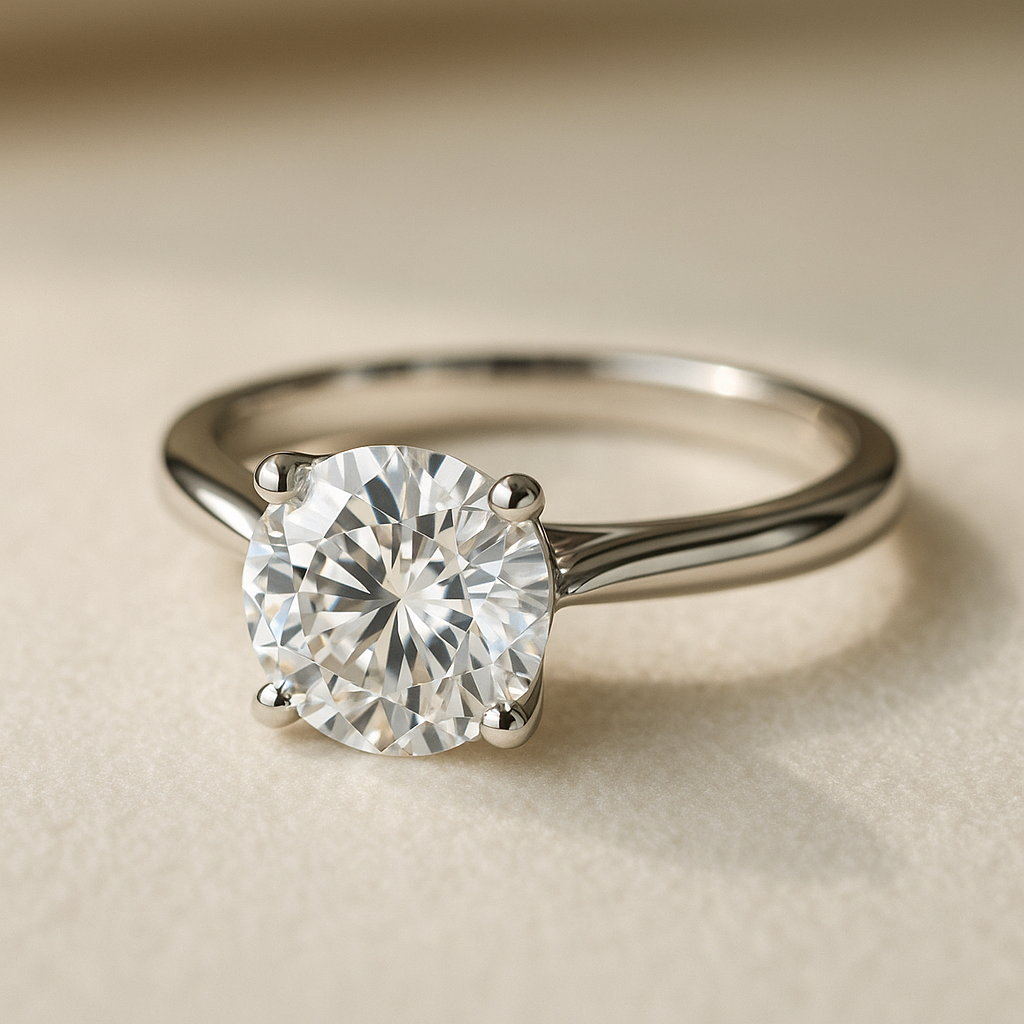
Lab-grown diamonds, also known as synthetic or cultured diamonds, are created in controlled environments using advanced technological processes that mimic the natural diamond-growing conditions found deep within the Earth. These diamonds are chemically, physically, and optically identical to natural diamonds, providing the same brilliance and fire that makes diamonds coveted gemstones.
The Process of Creating Lab-Grown Diamonds
There are two primary methods for creating lab-grown diamonds: High Pressure High Temperature (HPHT) and Chemical Vapor Deposition (CVD).
- High Pressure High Temperature (HPHT): This method replicates the extreme conditions under which natural diamonds form, applying high pressure and temperature to carbon-based materials. The result is a diamond within weeks, as opposed to millions of years.
- Chemical Vapor Deposition (CVD): In this method, a carbon-rich gas is introduced into a chamber, and through a process called plasma-enhanced chemical vapor deposition, carbon atoms are deposited on a substrate, gradually forming a diamond layer. This method can produce larger and clearer diamonds.
Benefits of Choosing Lab-Grown Diamonds
Choosing lab-grown diamonds offers several advantages to consumers:
- Ethical Sourcing: Lab-grown diamonds are conflict-free and ethically sourced, providing peace of mind for consumers concerned about the implications of natural diamond mining.
- Affordability: Typically, lab-grown diamonds are 20-40% less expensive than their natural counterparts, allowing consumers to purchase larger or higher-quality stones within their budget.
- Customization: Lab-grown diamonds can be produced in a wider array of colors and sizes, offering more options for personalization in engagement rings or fine jewelry.
- Environmental Impact: The creation of lab-grown diamonds generally has a lower environmental impact compared to traditional diamond mining, making them a more sustainable choice.
Lab-Grown Diamonds vs. Natural Diamonds: Key Differences
While lab-grown diamonds share many similarities with natural diamonds, there are some key differences to consider:
- Origin: Natural diamonds are formed over millions of years deep within the Earth, while lab-grown diamonds are created in weeks in a controlled laboratory environment.
- Value Retention: Natural diamonds have historically held their value better than lab-grown diamonds due to their rarity. However, the market for lab-grown diamonds is growing, and their resale value is becoming more established.
- Certification: Both lab-grown and natural diamonds can be certified by gemological laboratories, but it’s important to check for reputable certifications that verify the diamond’s quality and origin.
Frequently Asked Questions
1. Are lab-grown diamonds real diamonds?
Yes, lab-grown diamonds are real diamonds. They have the same physical and chemical properties as natural diamonds and can only be distinguished by specialized equipment.
2. How can I ensure I’m buying a high-quality lab-grown diamond?
Look for diamonds that have been certified by reputable gemological laboratories, such as GIA or IGI. Check for the 4Cs: cut, color, clarity, and carat weight to assess the diamond’s quality.
3. Do lab-grown diamonds last as long as natural diamonds?
Yes, lab-grown diamonds are as durable and long-lasting as natural diamonds. Their hardness and wear resistance are identical, ensuring they will withstand daily wear.
4. Can lab-grown diamonds be made in different colors?
Yes, lab-grown diamonds can be produced in a variety of colors, including blue, pink, and yellow. These colors are achieved by altering the growth conditions during the diamond creation process.
5. Are lab-grown diamonds a good investment?
While lab-grown diamonds are generally less expensive than natural diamonds and may not retain their value in the same way, they provide excellent quality and beauty at a lower price point. They are an attractive option for consumers prioritizing ethics and affordability.
How to Choose the Right Lab-Grown Diamond
When selecting a lab-grown diamond for an engagement ring or fine jewelry piece, consider the following factors:
- Budget: Determine your budget beforehand to narrow down your options. Lab-grown diamonds offer great value, allowing you to invest in a more considerable or higher-quality stone.
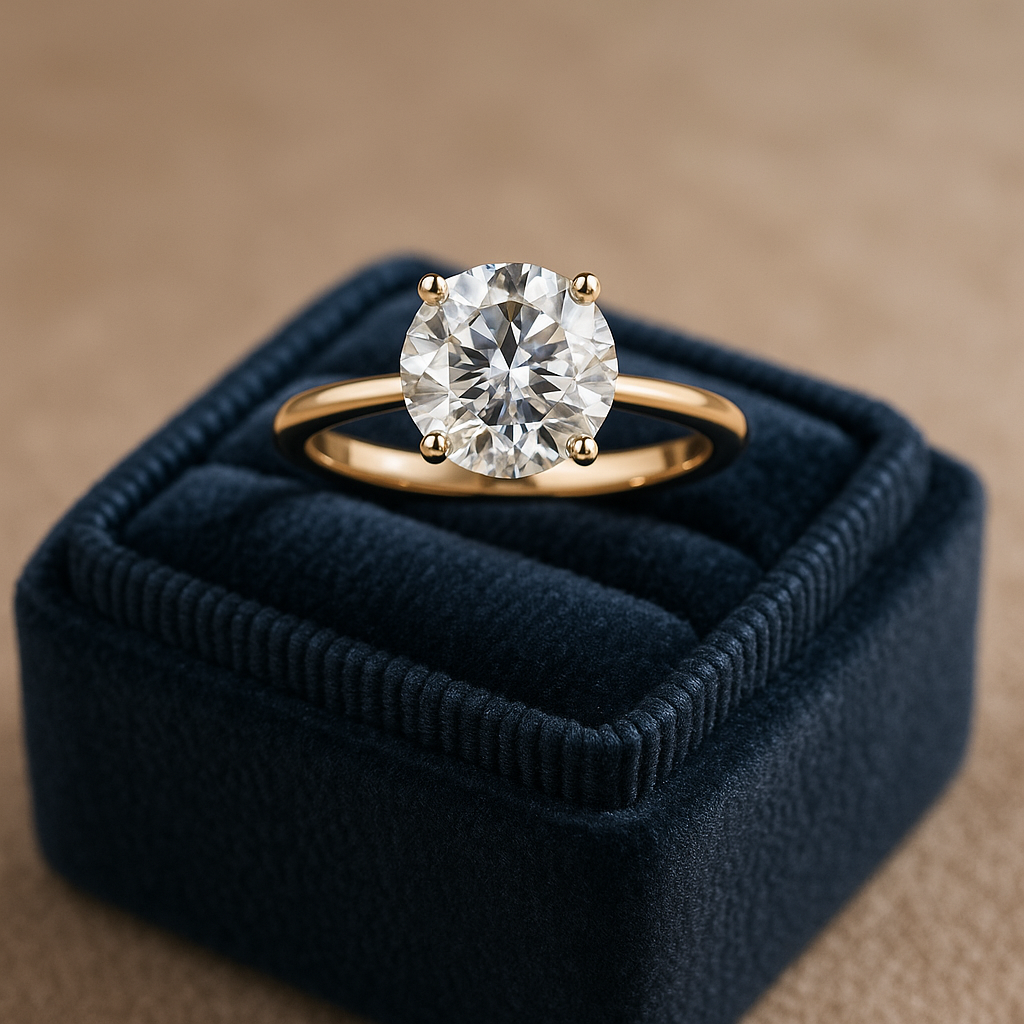
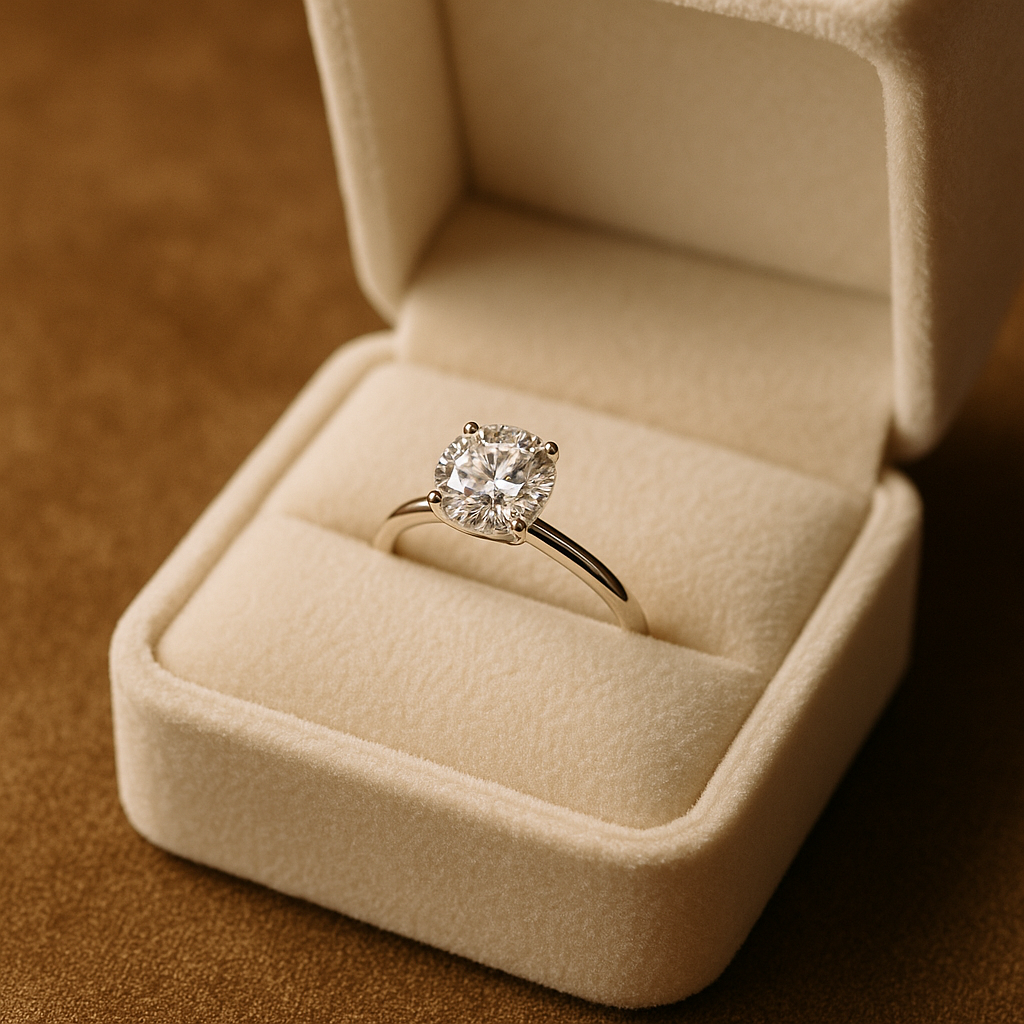
- Style: Think about your personal style and preferences. Do you prefer a classic solitaire or a more intricate halo design? Understanding your style will help guide your choice.
- 4Cs: Familiarize yourself with the 4Cs (cut, color, clarity, carat) to make an informed decision. Each factor impacts the overall appearance and value of the diamond.
- Certification: Ensure the diamond comes with certification from a reputable gemological laboratory to verify its quality and authenticity.
Conclusion
Lab-grown diamonds are a remarkable development in the fine jewelry industry, offering ethical, affordable, and beautiful alternatives to natural diamonds. As you consider options for an engagement ring or a piece of fine jewelry, understanding the benefits and characteristics of lab-grown diamonds allows you to make a confident, informed choice. With their growing popularity and acceptance, lab-grown diamonds are indeed paving the way for the future of fine jewelry.