
Understanding Lab-Grown Diamonds: The Future of Fine Jewelry
In recent years, lab-grown diamonds have surged in popularity, captivating consumers with their beauty, ethical production, and competitive pricing. As you embark on your journey to find the perfect engagement ring or fine jewelry piece, understanding lab-grown diamonds becomes essential. In this article, we will delve into what lab-grown diamonds are, how they compare to natural diamonds, and the benefits they offer to consumers.
What Are Lab-Grown Diamonds?
Lab-grown diamonds, also known as synthetic or cultured diamonds, are real diamonds created using advanced technological processes that replicate the natural conditions under which diamonds form in the Earth. There are two primary methods for creating lab-grown diamonds: the High Pressure High Temperature (HPHT) method and the Chemical Vapor Deposition (CVD) method.
- High Pressure High Temperature (HPHT): This method mimics the natural process by applying intense heat and pressure to carbon, causing it to crystallize into diamond form.
- Chemical Vapor Deposition (CVD): In this process, carbon-rich gases are used to create a diamond layer that builds up over time, resulting in a high-quality diamond.
Lab-Grown Diamonds vs. Natural Diamonds
One of the most significant considerations for consumers is the comparison between lab-grown and natural diamonds. While both types of diamonds share the same physical and chemical properties, there are key differences that may impact your buying decision.
1. Cost
Lab-grown diamonds are typically 20-40% cheaper than their natural counterparts. This price difference is mainly due to the lower production costs and the absence of the extensive mining processes associated with natural diamonds. If you’re looking for a larger or higher-quality stone within your budget, a lab-grown diamond could be the perfect solution.
2. Environmental Impact
The diamond mining industry has long faced criticism for its environmental impact. In contrast, lab-grown diamonds offer a more sustainable option. Their production involves significantly less environmental disruption and resource depletion, making them an appealing choice for eco-conscious consumers.
3. Ethical Considerations
Lab-grown diamonds are free from the ethical concerns associated with natural diamonds, such as conflict diamonds or exploitative labor practices. When you choose a lab-grown diamond, you can feel confident that your purchase supports ethical practices and sustainability.
4. Quality and Variety
Lab-grown diamonds can be produced to meet specific quality criteria, allowing for more options in color, clarity, and size. Consumers can enjoy a broader selection, often with fewer inclusions and higher clarity than many natural diamonds.
What to Look for When Buying a Lab-Grown Diamond
When searching for a lab-grown diamond, the same criteria apply as with natural diamonds: the Four Cs—Cut, Color, Clarity, and Carat weight. Understanding these factors will help you choose a diamond that fits your desires and budget.
1. Cut
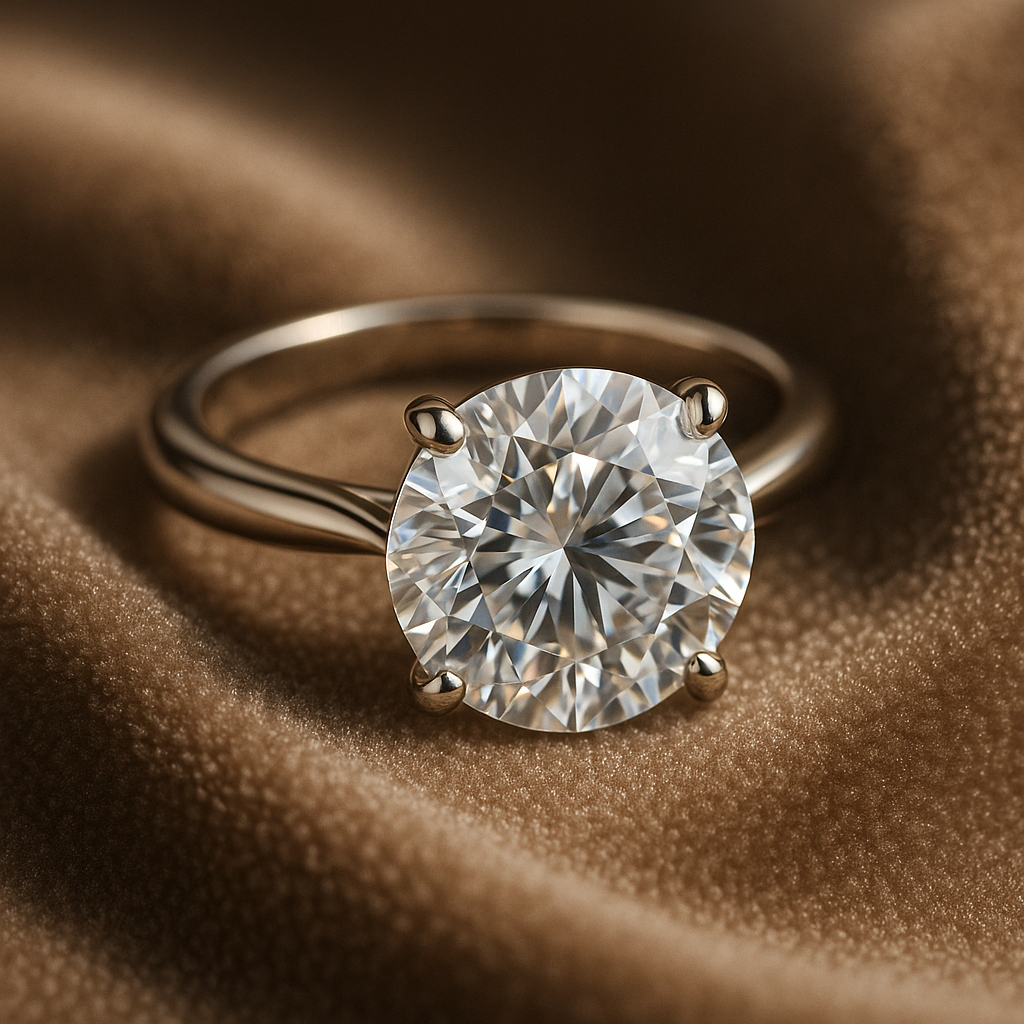
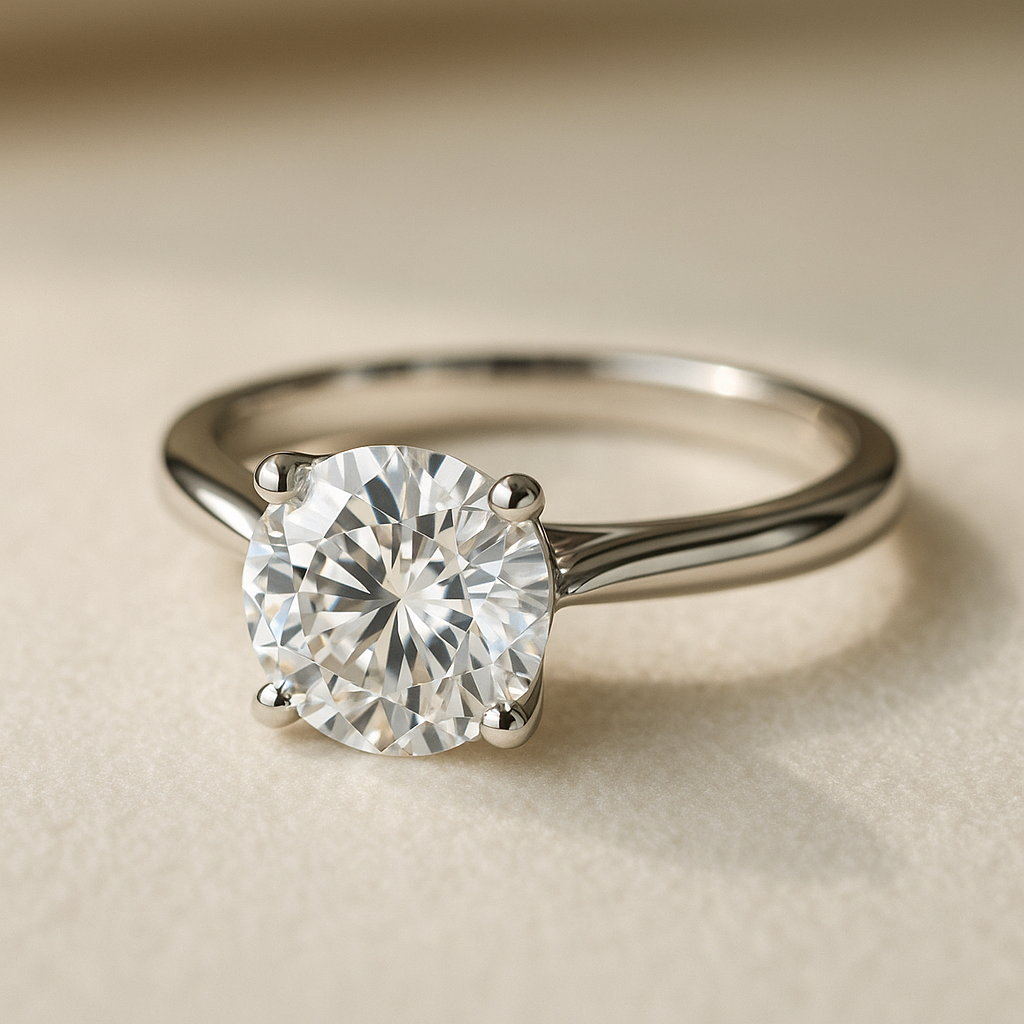
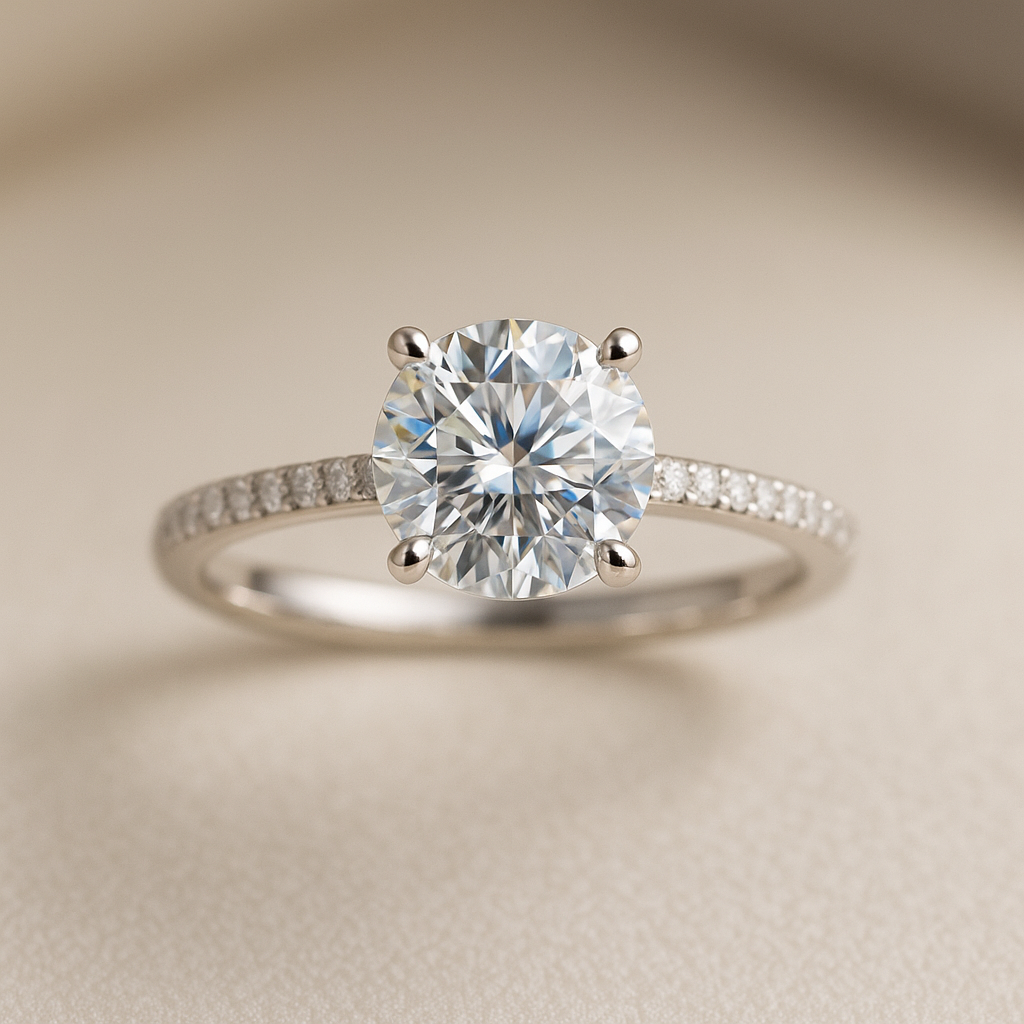
The cut of a diamond significantly impacts its overall appearance and brilliance. A well-cut diamond will reflect light beautifully, enhancing its sparkle. When shopping for lab-grown diamonds, prioritize cut quality to ensure you’re getting a stunning stone.
2. Color
Lab-grown diamonds can exhibit a range of colors, from colorless to shades of yellow or pink. Most consumers prefer colorless diamonds, which are graded on a scale from D (colorless) to Z (light yellow). Choose based on personal preference and how the color complements your chosen setting.
3. Clarity
The clarity of a diamond is determined by the presence of internal or external flaws, known as inclusions and blemishes. Lab-grown diamonds generally offer higher clarity ratings, which means fewer visible imperfections. Aim for a clarity grade that suits your standards, often in the VS1 or VS2 range for an excellent balance of quality and value.
4. Carat Weight
Carat weight refers to the size of the diamond. When selecting a lab-grown diamond, consider your budget and the size that feels right for you. Remember that a larger carat weight can significantly affect the price, especially for higher-quality stones.
Frequently Asked Questions (FAQs)
1. Are lab-grown diamonds real diamonds?
Yes, lab-grown diamonds are real diamonds. They have the same physical, chemical, and optical properties as natural diamonds, making them identical in terms of appearance and durability.
2. Will a lab-grown diamond hold its value?
Lab-grown diamonds currently do not retain value like natural diamonds, which are perceived as rarer. However, their prices are expected to stabilize as consumer acceptance grows.
3. How can I tell if a diamond is lab-grown?
Lab-grown diamonds are graded similarly to natural diamonds and often come with a grading report that indicates their origin. Additionally, they may exhibit certain growth patterns under magnification that differentiate them from natural diamonds.
4. Are lab-grown diamonds a good investment?
While lab-grown diamonds are less expensive than natural diamonds, they may not appreciate in value the same way natural diamonds do. Consider your reason for purchasing—if it’s for personal enjoyment rather than investment, a lab-grown diamond can be an excellent choice.
Conclusion
Lab-grown diamonds represent an innovative and responsible choice for consumers seeking high-quality, ethical, and beautiful jewelry. With their affordability, environmental benefits, and ethical production, lab-grown diamonds are becoming increasingly favored over natural diamonds. As you explore options for engagement rings and fine jewelry, consider the many advantages of lab-grown diamonds and how they align with your values and aesthetic desires.