Understanding Lab-Grown Diamonds: The Modern Choice for Engagement Rings
As consumers become more conscious of their purchasing decisions, many are turning to lab-grown diamonds for their engagement rings and fine jewelry. But what exactly are lab-grown diamonds, and how do they compare with natural diamonds? This comprehensive guide will help you navigate the world of lab-grown diamonds and make an informed choice.
What are Lab-Grown Diamonds?
Lab-grown diamonds, also known as synthetic diamonds, cultured diamonds, or man-made diamonds, are created in controlled laboratory environments using advanced technological processes. These diamonds are chemically, physically, and optically identical to natural diamonds that are mined from the earth.
How are Lab-Grown Diamonds Created?
There are two primary methods for creating lab-grown diamonds: High Pressure High Temperature (HPHT) and Chemical Vapor Deposition (CVD).
- High Pressure High Temperature (HPHT): This method simulates the natural conditions under which diamonds form in the earth. It involves applying extreme heat and pressure to carbon, resulting in the formation of a diamond.
- Chemical Vapor Deposition (CVD): This technique involves using a gas mixture that is ionized to form plasma, which then deposits carbon atoms onto a substrate, gradually forming a diamond crystal.
Benefits of Choosing Lab-Grown Diamonds
For consumers considering engagement rings or fine jewelry, there are several compelling benefits to choosing lab-grown diamonds:
- Ethical and Sustainable: Lab-grown diamonds are free from the ethical concerns associated with conflict diamonds. They are produced in controlled environments, ensuring no exploitation happens in the supply chain.
- Cost-Effective: Typically, lab-grown diamonds are priced 20-40% lower than their natural counterparts, allowing consumers to get a larger or higher-quality diamond within their budget.
- Quality and Purity: Lab-grown diamonds often have fewer inclusions and flaws compared to mined diamonds, which can enhance their overall beauty and brilliance.
- Traceability: With lab-grown diamonds, consumers can trace the diamond’s origin back to the laboratory, offering a guarantee of its provenance.
Lab-Grown vs. Natural Diamonds: Key Differences
While lab-grown diamonds are virtually indistinguishable from natural diamonds to the naked eye, there are key differences that may influence your decision:
- Origin: Natural diamonds are formed over billions of years beneath the earth’s surface, while lab-grown diamonds are created in a matter of weeks in a lab setting.
- Value Retention: Natural diamonds tend to hold their value better over time, while lab-grown diamonds typically depreciate more quickly.
- Market Perception: Some consumers still perceive natural diamonds as more desirable due to their rarity and traditional associations.
Frequently Asked Questions
Are lab-grown diamonds real diamonds?
Yes, lab-grown diamonds are real diamonds. They are made of carbon atoms arranged in the same crystal structure as natural diamonds. The only difference is their origin.
Can lab-grown diamonds be certified?
Absolutely! Lab-grown diamonds can be certified by reputable gemological laboratories (such as GIA or IGI) just like natural diamonds, providing an assessment of quality and authenticity.
How can I tell if a diamond is lab-grown or natural?
Determining the origin of a diamond typically requires advanced gemological testing. Professionals can identify growth patterns and inclusions that indicate whether a diamond is lab-grown or natural.
Will my lab-grown diamond look different from a natural diamond?
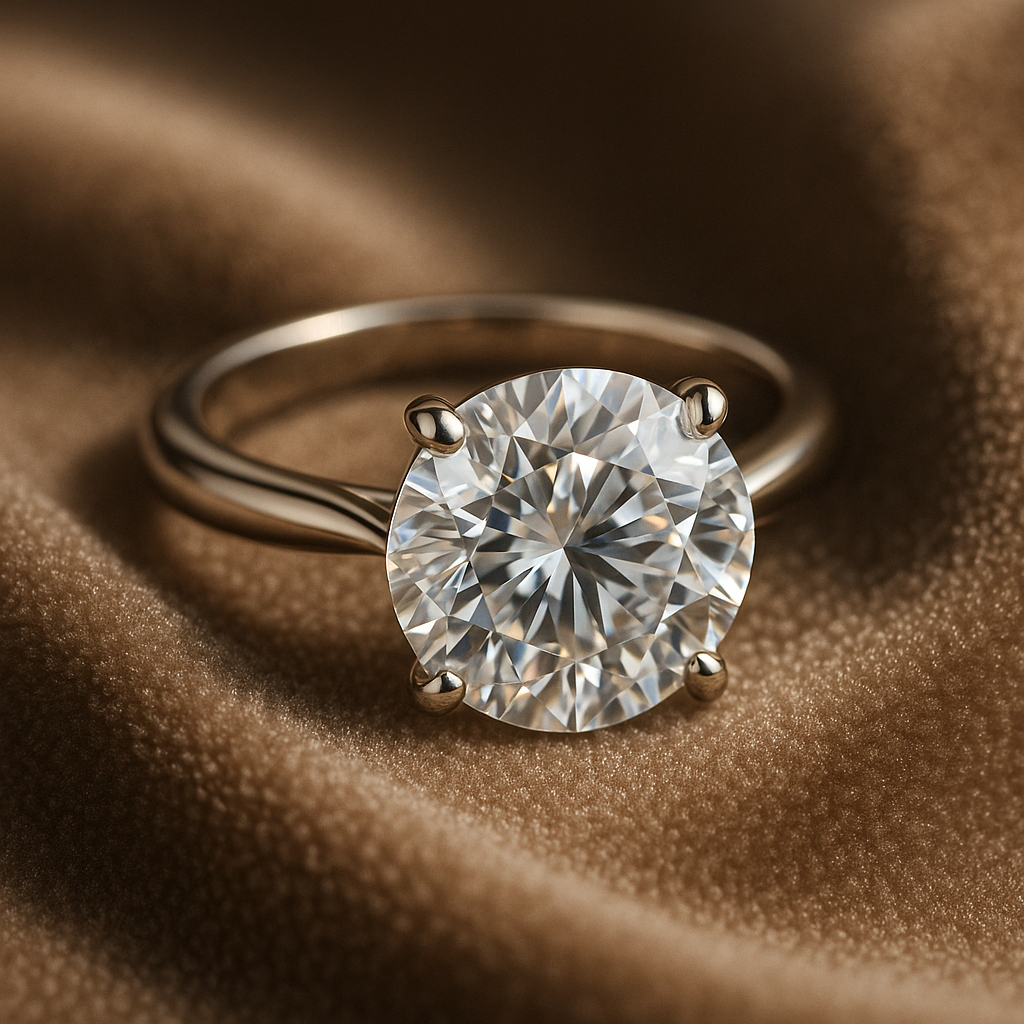
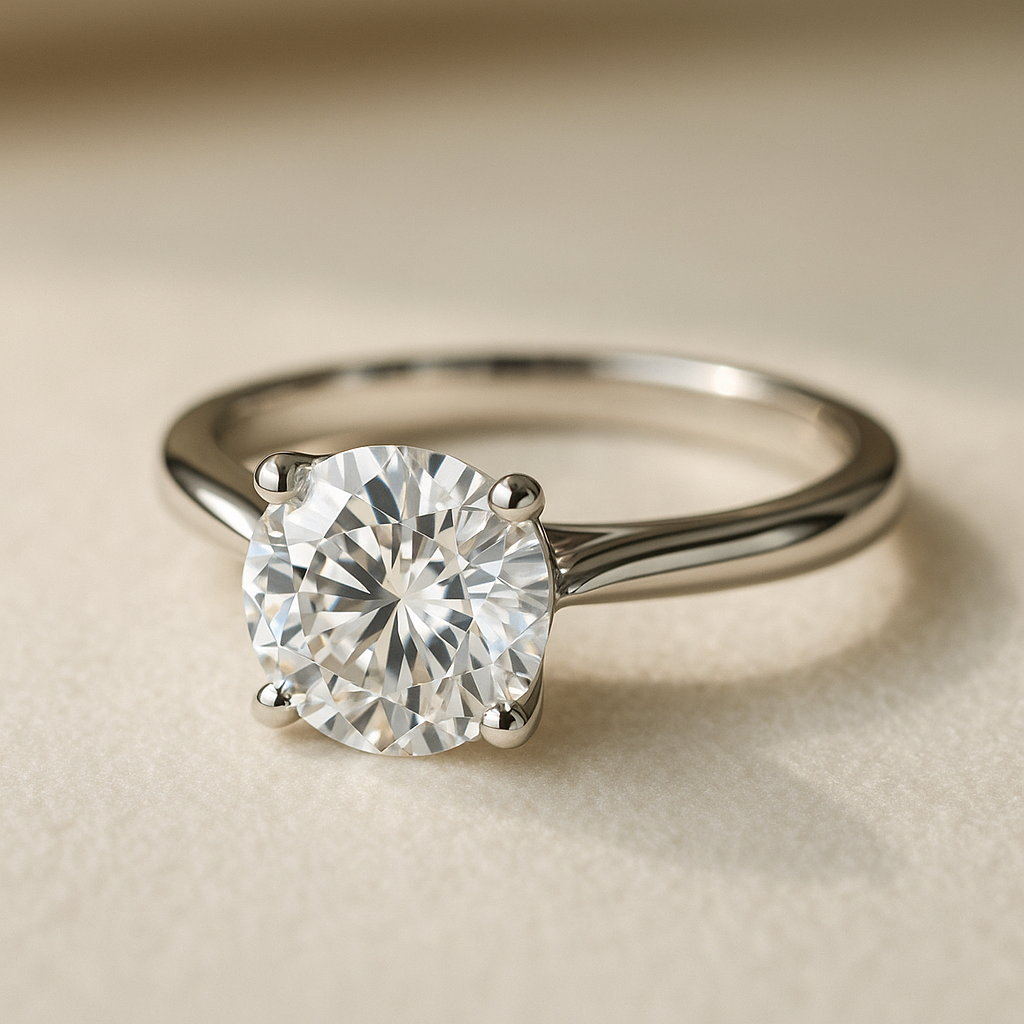
No, lab-grown diamonds are visually identical to natural diamonds. Their sparkle, brilliance, and overall appearance are the same.
Are lab-grown diamonds an environmentally friendly choice?
Yes, lab-grown diamonds are considered more environmentally friendly than mined diamonds, as their production generates less ecological disruption and they do not involve the mining process, which can be damaging to ecosystems.
Choosing Your Perfect Lab-Grown Diamond
When selecting a lab-grown diamond for your engagement ring or jewelry piece, consider the following:
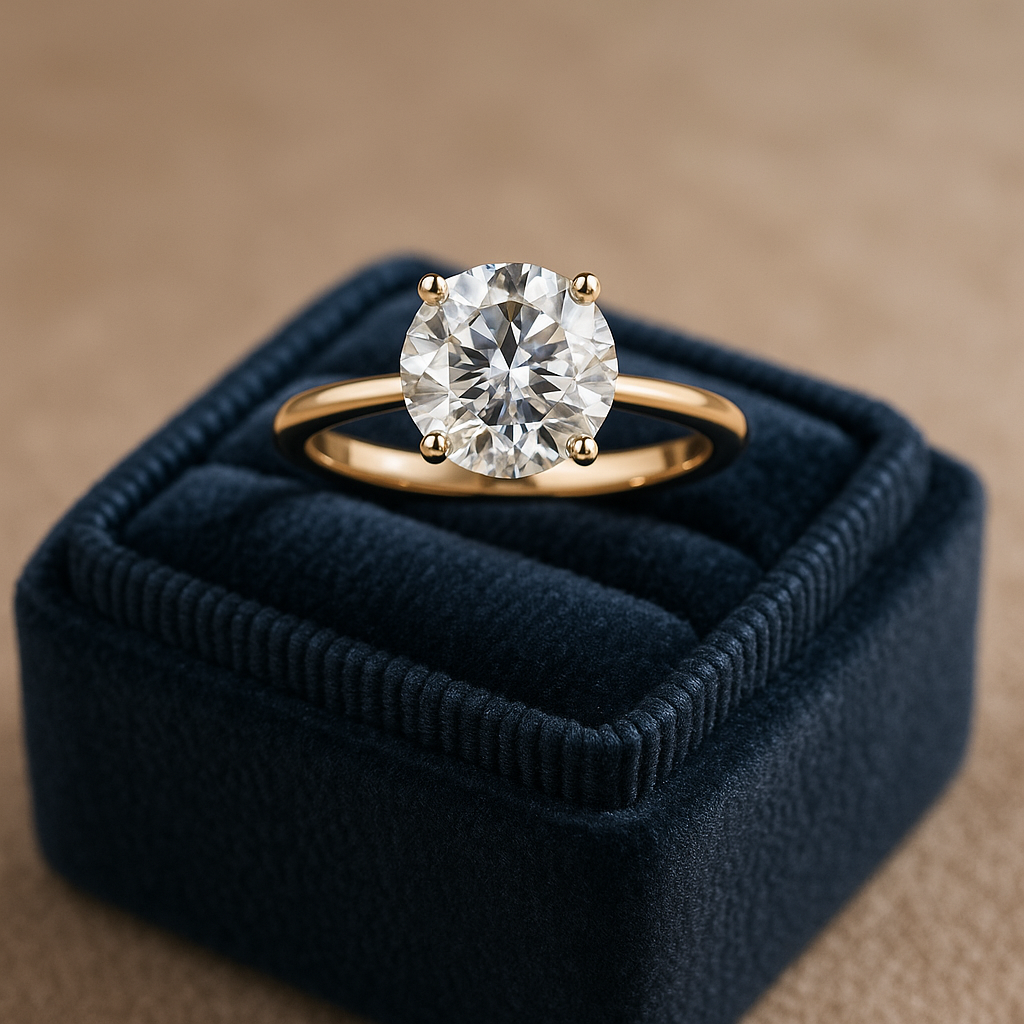
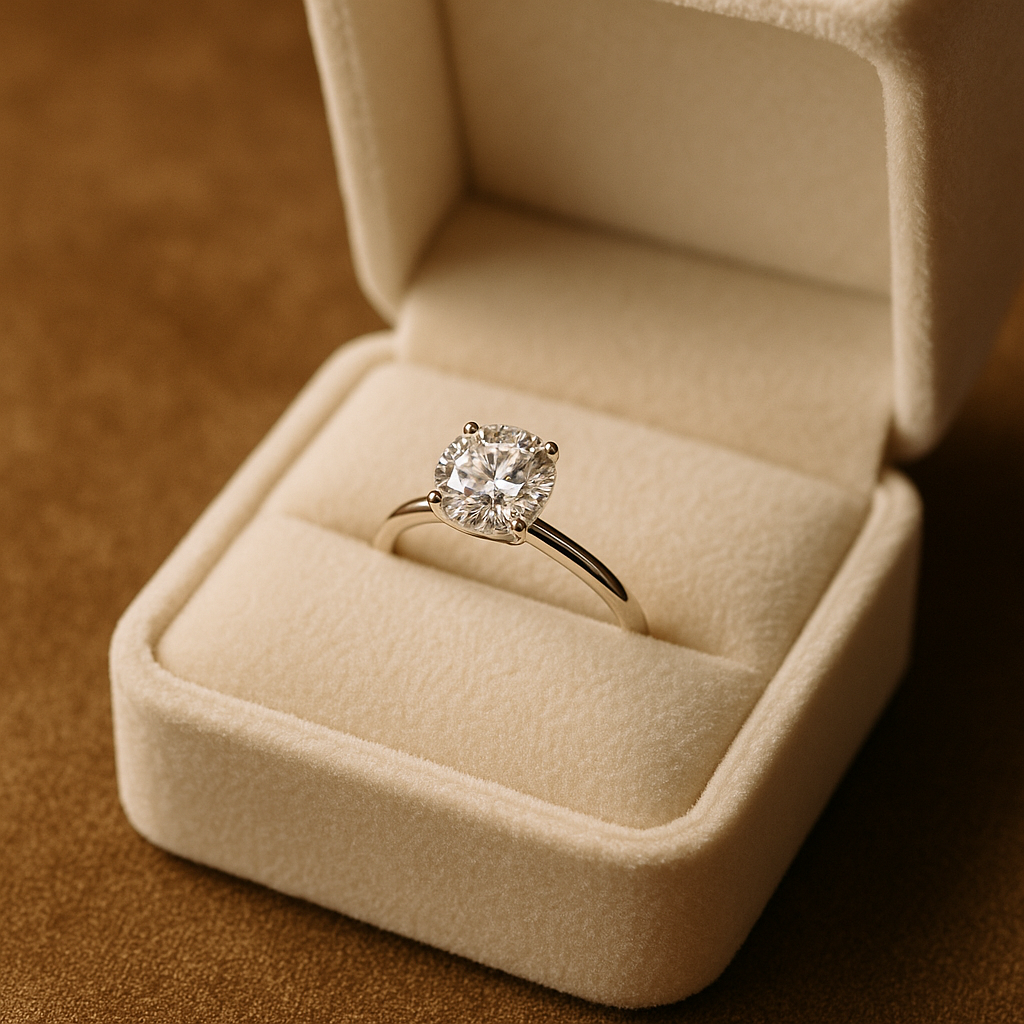
- Shape and Cut: Choose a shape that suits your style and preferences. Popular shapes include round, princess, oval, and emerald.
- Carat Weight: Determine the size you desire and how it fits within your budget.
- Color and Clarity: Lab-grown diamonds can vary in color and clarity. Opt for the balance that suits your needs while ensuring maximum brilliance.
Conclusion
Lab-grown diamonds are becoming a popular choice for engagement rings and fine jewelry, offering ethical, sustainable, and cost-effective options without sacrificing quality or beauty. By understanding the differences between lab-grown and natural diamonds, you can make an informed decision that aligns with your values and preferences. At Celebrity Diamonds, we are committed to providing you with a stunning selection of lab-grown diamonds that enhance your special moments.